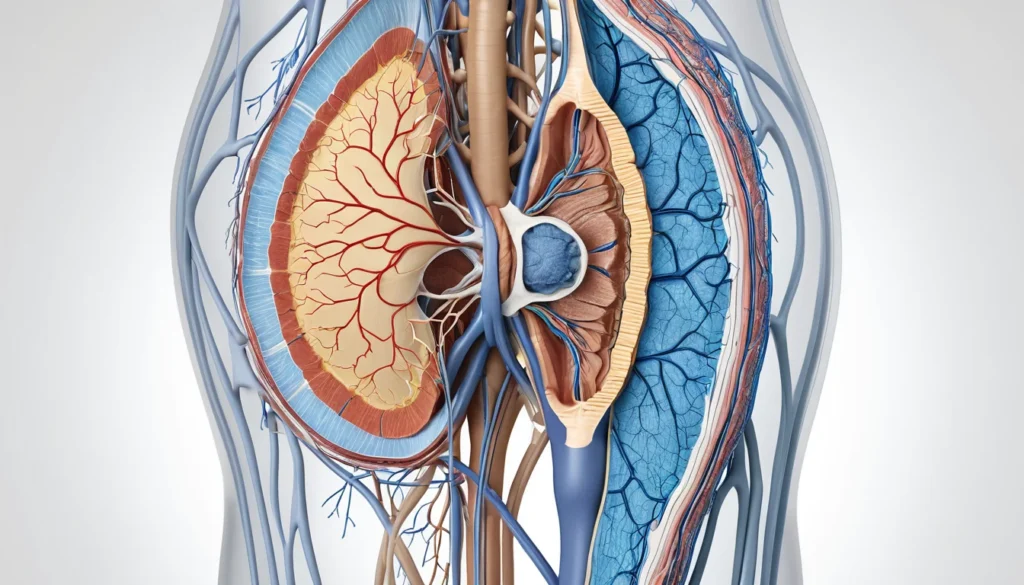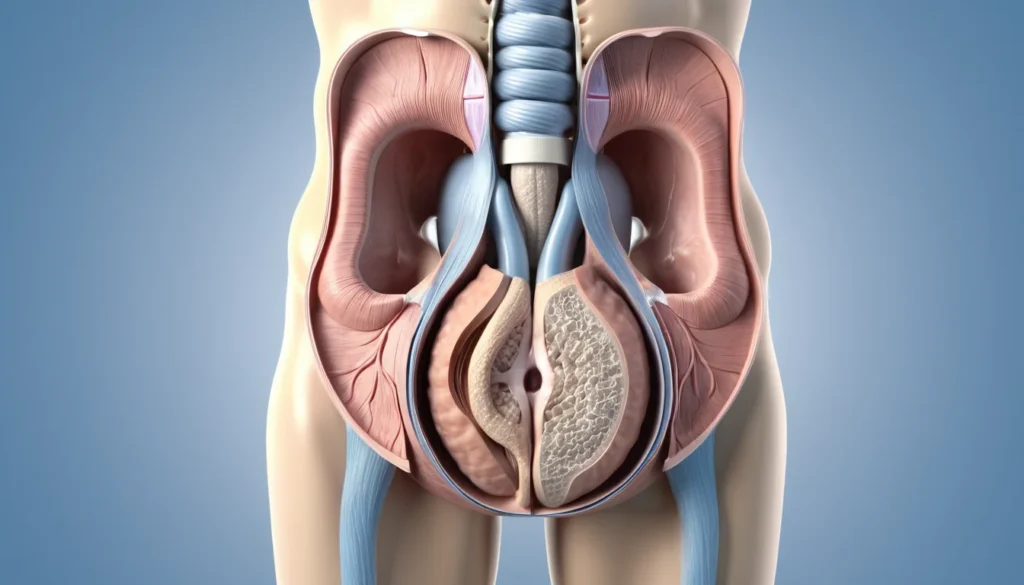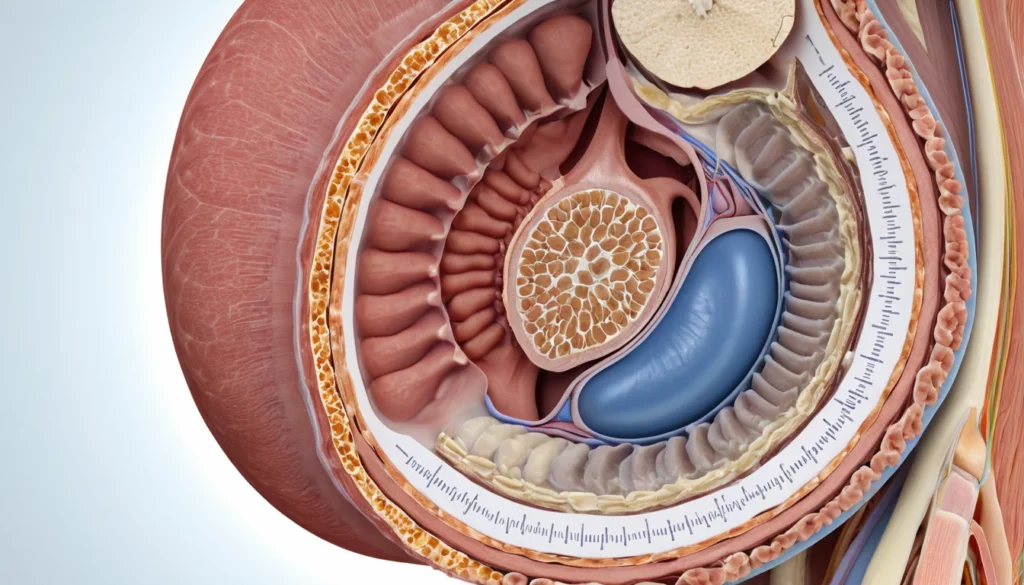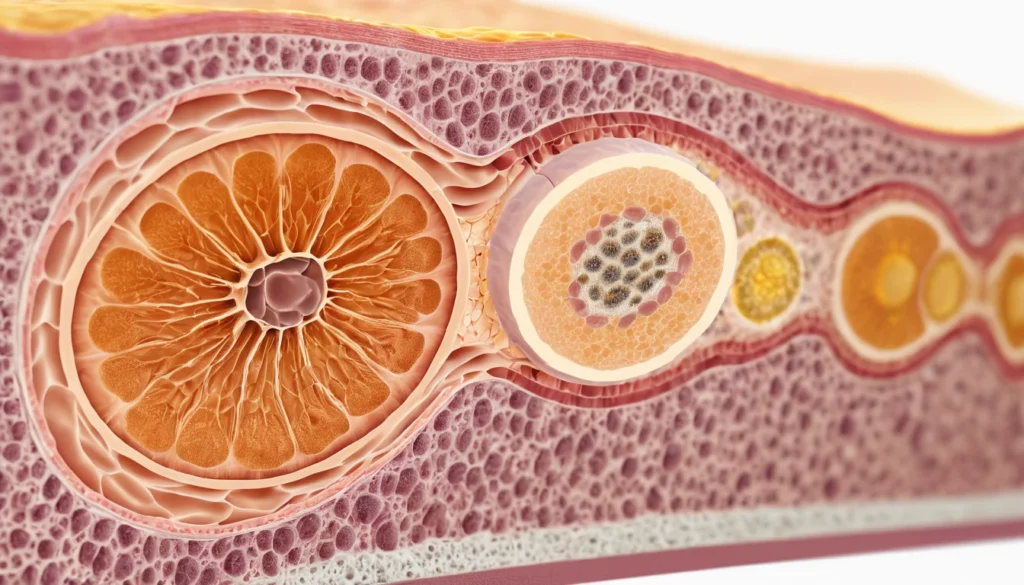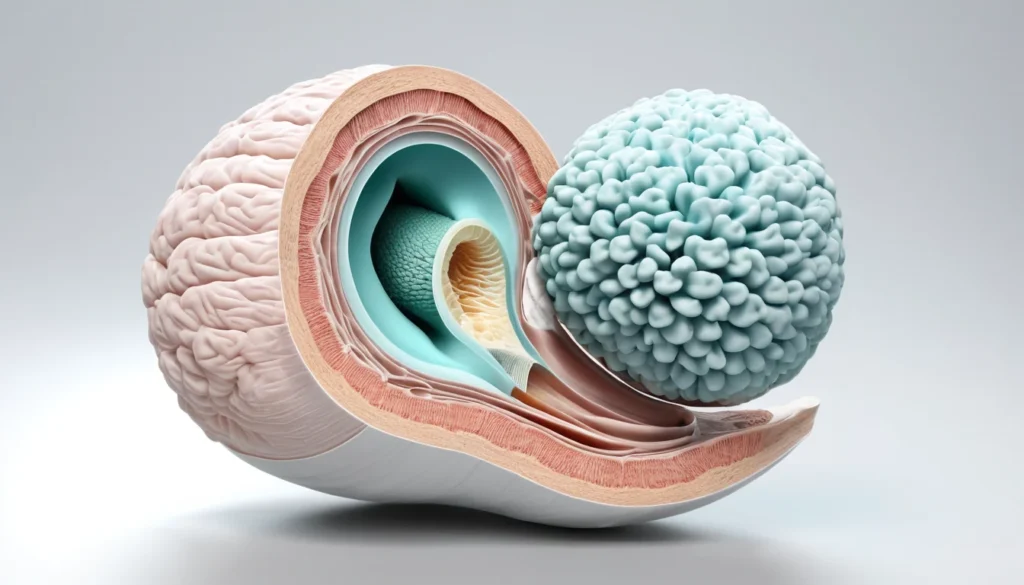
A spermatocele is a small, fluid-filled cyst that forms in the epididymis — the coiled tube that sits above and behind each testicle. It is one of the most common causes of a scrotal lump in men, and in most cases, it is harmless. This article explains what a spermatocele is, what causes it, how it is diagnosed, and what your treatment options are in Canada.
What Is a Spermatocele?
A spermatocele (also called an epididymal cyst) is a benign, non-cancerous growth. It develops in the epididymis, which is the soft, rope-like structure you can feel behind and above each testicle.
The cyst contains fluid, and that fluid often includes dead sperm cells. This is completely normal and does not affect your ability to father children. When you feel the scrotum, a spermatocele usually feels like a smooth, soft, separate lump sitting above the testicle.
According to the Mayo Clinic’s overview of spermatocele, these cysts are very common and usually discovered by accident during a routine physical exam or self-examination.
What Causes a Spermatocele?
Doctors do not always know the exact cause of a spermatocele. However, the most likely explanation is a blockage in the tiny tubes inside the epididymis that carry sperm away from the testicle.
When these tubes become blocked, fluid builds up and forms a cyst. The blockage itself can result from inflammation, injury to the scrotum, or past infection in the area. In many cases, though, no clear cause is ever found.
Spermatoceles are not linked to cancer, sexually transmitted infections, or any serious underlying disease. They tend to develop in adult men, and they become more common with age.
Risk Factors
There are no well-established risk factors that clearly cause a spermatocele to form. However, some men may be more likely to develop one if they have had:
A past scrotal injury
Inflammation of the epididymis (epididymitis)
Previous scrotal or groin surgery
Even without any of these factors, any man can develop a spermatocele at any point in his adult life. Most men who develop one are between 20 and 50 years old.
Symptoms of a Spermatocele
Most men with a spermatocele have no symptoms at all. The cyst is often found by accident — either during a self-exam or when a family doctor checks the area during a routine visit.
When symptoms do appear, they are usually mild. It is important to pay attention to any changes in your scrotum and report them to a healthcare provider.
Common Symptoms
A soft, smooth lump above or behind the testicle
A feeling of heaviness or fullness in the scrotum
Mild scrotal pain or discomfort
Swelling of the scrotum
Redness around the affected area
A sense of pressure at the base of the penis
These symptoms are not unique to spermatoceles. Other conditions — including varicoceles, hydroceles, and testicular cancer — can cause similar signs. Therefore, it is always important to have any new scrotal lump properly assessed by a doctor.
How Is a Spermatocele Diagnosed?
Diagnosing a spermatocele usually begins with a physical examination. Your family doctor or a specialist will carefully feel the scrotum to assess the size, location, and texture of the lump.
One simple and painless test used during this exam is called transillumination. The doctor shines a small light through the scrotum. Because a spermatocele is filled with fluid, the light passes through it easily. Solid masses — such as tumours — do not allow the light to pass through.
Scrotal Ultrasound
In many cases, your doctor will also order a scrotal ultrasound. This imaging test uses sound waves to create a clear picture of the inside of the scrotum. It is the most reliable way to confirm a spermatocele and rule out other conditions.
An ultrasound is safe, quick, and covered by most provincial health plans in Canada when ordered by a physician. You can usually get a referral for one through your family doctor or at a walk-in clinic.
For more information on how scrotal conditions are assessed, visit Healthline’s guide to spermatocele diagnosis and treatment.
Treatment Options for a Spermatocele
The good news is that most spermatoceles do not require any treatment. If the cyst is small and causes no discomfort, your doctor will likely recommend a “watchful waiting” approach. This means monitoring the cyst over time to make sure it does not grow or cause problems.
In some cases, the body reabsorbs the fluid on its own and the cyst shrinks or disappears without any intervention. However, this is not always guaranteed.
Pain Management
If a spermatocele causes mild discomfort, over-the-counter pain relievers such as ibuprofen or acetaminophen can help. Wearing supportive underwear or an athletic supporter may also reduce pressure and ease discomfort during daily activities.
Always follow the dosing instructions on the package, and speak with your pharmacist if you are unsure which option is right for you.
Surgical Treatment: Spermatocelectomy
If the spermatocele grows significantly or causes ongoing pain, a minor surgical procedure called a spermatocelectomy may be recommended. During this procedure, a surgeon carefully removes the cyst while leaving the epididymis and testicle intact.
This surgery is typically done as an outpatient procedure under local or general anaesthesia, meaning you go home the same day. Recovery is usually straightforward, with most men returning to normal activities within a week or two.
It is worth noting that surgery carries a small risk of damaging the epididymis or nearby structures. Your urologist will discuss the risks and benefits with you before proceeding. In Canada, this procedure can be arranged through a referral to a urologist from your family doctor.
Aspiration and Sclerotherapy
Another option is aspiration, where a doctor uses a needle to drain the fluid from the cyst. Sometimes a chemical agent is injected afterward to prevent the cyst from refilling — this is called sclerotherapy.
However, these techniques are not commonly recommended because the cyst often returns, and they carry a risk of damage to the epididymis. Surgery remains the more effective long-term solution when treatment is necessary.
When to See a Doctor
You should always have a new or changing scrotal lump checked by a healthcare provider. While a spermatocele is not dangerous, other conditions that cause scrotal lumps — including testicular cancer — require prompt attention.
Visit your family doctor or a walk-in clinic as soon as possible if you notice:
A new lump or swelling in the scrotum
Pain or discomfort in the testicles that does not go away
A lump that is growing in size
A feeling of heaviness in one or both testicles
Any sudden or severe scrotal pain
Early assessment gives you peace of mind and ensures that any serious condition is caught quickly. Most provincial health plans cover an initial assessment and referral to a urologist if one is needed. You do not need to wait for a specialist — start with your family doctor or walk-in clinic today.
As always, this article is for general information only. Please speak with your doctor or another qualified healthcare provider for advice tailored to your personal health situation.
For additional trusted information on men’s health and scrotal conditions, see Health Canada’s official health resources.
Spermatocele and Male Fertility
Many men worry that a spermatocele might affect their fertility. In most cases, it does not. A spermatocele is a separate structure from the testicle itself and does not interfere with sperm production.
Furthermore, because the cyst sits outside the main sperm pathway, it rarely blocks the flow of sperm. If you are concerned about fertility, speak with your family doctor, who can refer you to a urologist or fertility specialist if needed.
In very rare cases, a large spermatocele may reduce blood flow to surrounding structures. However, this complication is uncommon and can be addressed with appropriate medical treatment.
Frequently Asked Questions About Spermatocele
Is a spermatocele dangerous?
A spermatocele is not dangerous in most cases. It is a benign, non-cancerous cyst that typically causes no serious harm. However, any new scrotal lump should be assessed by a doctor to rule out other conditions such as testicular cancer.
Can a spermatocele go away on its own?
In some cases, a spermatocele can shrink or disappear as the body reabsorbs the fluid inside it. However, this does not always happen, and many cysts remain stable over time. Your doctor may recommend monitoring it regularly rather than treating it right away.
Does a spermatocele affect fertility?
A spermatocele does not usually affect fertility because it forms outside the main sperm transport pathway. Most men with a spermatocele are able to father children without any difficulty. If you have concerns about fertility, speak with your family doctor for a proper assessment.
How is a spermatocele different from testicular cancer?
A spermatocele is a fluid-filled cyst that sits above the testicle, while testicular cancer typically forms as a hard, solid lump inside the testicle itself. A doctor can usually tell the difference using a physical exam and a scrotal ultrasound. Always get any new scrotal lump checked to be sure.
Is spermatocele surgery covered by provincial health plans in Canada?
In most Canadian provinces, a spermatocelectomy is covered by the provincial health plan when it is deemed medically necessary. Your family doctor can provide a referral to a urologist, and that specialist will determine whether surgery is appropriate for your situation.
Should I do regular testicular self-exams?
Yes, regular testicular self-exams are a good habit for men of all ages. They help you notice any changes — such as a new lump, swelling, or change in size — early on. If you find anything unusual, visit your family doctor or a walk-in clinic promptly.
Key Takeaways
A spermatocele is a benign, fluid-filled cyst that develops in the epididymis, above the testicle.
It is very common and is usually discovered by accident during a self-exam or routine check-up.
Most spermatoceles cause no symptoms and do not require treatment.
When symptoms occur, they may include a soft scrotal lump, mild pain, swelling, or a feeling of pressure.
Diagnosis involves a physical exam, transillumination, and often a scrotal ultrasound.
Treatment options range from watchful waiting and pain management to minor surgery (spermatocelectomy).
A spermatocele does not typically affect fertility or lead to cancer.
Always see your family doctor or visit a walk-in clinic if you notice any new or changing lump in the scrotum.
This article is for informational purposes only — speak with your doctor for advice specific to your health.