Sodium bicarbonate — commonly known as baking soda — is a simple antacid that many Canadians reach for when heartburn or indigestion strikes. It works quickly to neutralize stomach acid and ease that uncomfortable burning feeling. However, it also carries real risks, especially when used too often or by people with certain health conditions. This article explains how sodium bicarbonate works, when it can help, and when you should call your family doctor instead.
What Is Sodium Bicarbonate?
Sodium bicarbonate is a white powder with a slightly salty taste. You likely already have it in your kitchen cupboard under the name baking soda. In medicine, it acts as an antacid — a substance that neutralizes excess stomach acid.
When you swallow sodium bicarbonate, it reacts with the acid in your stomach. This reaction produces carbon dioxide gas, which is why burping often follows. The neutralizing effect happens within minutes, which is why many people find it so appealing for fast relief.
You can find sodium bicarbonate on its own as a plain powder, or as an ingredient in some over-the-counter antacid products available at Canadian pharmacies. It is taken by mouth, usually dissolved in water.
How Sodium Bicarbonate Relieves Heartburn and Indigestion
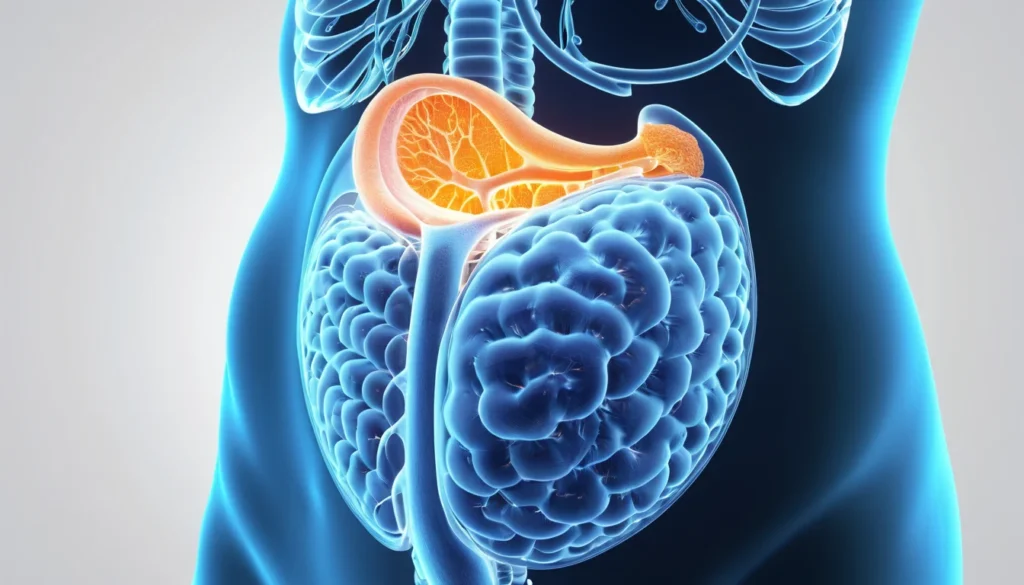
Heartburn happens when stomach acid travels back up into the esophagus. This causes a burning sensation in your chest or throat. Sodium bicarbonate works by raising the pH level of your stomach contents, which reduces that acidic irritation quickly.
Indigestion, also called dyspepsia, often involves a feeling of fullness, discomfort, or mild pain in your upper abdomen. Sodium bicarbonate can ease these symptoms by temporarily calming the acid environment in your stomach.
However, it is important to understand that sodium bicarbonate treats the symptoms — not the underlying cause. If you find yourself reaching for it regularly, that is a sign something more may be going on, and a visit to your family doctor or a walk-in clinic is a good idea.
For more information on how antacids work, visit Mayo Clinic’s guide to heartburn treatment.
Common Side Effects of Sodium Bicarbonate
Like any medicine, sodium bicarbonate comes with side effects. Most are mild, but some can become serious if you use it too often or in large amounts.
Burping and Bloating
The most common side effect is burping. This happens because the chemical reaction between sodium bicarbonate and stomach acid releases carbon dioxide gas. Abdominal discomfort and a feeling of bloating are also very common.
For most people, these side effects are annoying but harmless. They usually pass quickly once the gas escapes. However, if the bloating feels severe or painful, stop using it and seek medical advice.
Nausea
Some people feel nauseous after taking sodium bicarbonate, particularly if they take too much at once. Taking it on a very full stomach can make this worse. In addition, drinking it too quickly or without enough water may also trigger nausea.
Ankle Swelling and Fluid Retention
This is one of the more serious side effects that Canadians should know about. Sodium bicarbonate contains a significant amount of sodium — the same substance found in table salt. When you take it regularly, your body takes in extra sodium.
Too much sodium causes your body to hold onto water. As a result, you may notice swelling in your ankles or feet. This is called oedema, and it is a clear warning sign that you are taking too much sodium bicarbonate. If this happens, stop using it and speak with a healthcare provider right away.
Who Should Avoid Sodium Bicarbonate
Not everyone can safely use sodium bicarbonate as an antacid. For some people, the risks clearly outweigh any short-term comfort it provides.
People with Heart Conditions
If you have heart failure or any condition that affects how your heart pumps blood, you should avoid sodium bicarbonate. The extra sodium puts added strain on your heart and blood vessels. Furthermore, it increases the risk of fluid building up in your body, which can be dangerous for people with heart problems.
People with Kidney Disease
Your kidneys help regulate sodium levels in your body. When your kidneys are not working properly, they cannot clear excess sodium efficiently. Therefore, taking sodium bicarbonate can lead to a dangerous build-up of sodium and fluid. This raises the risk of serious oedema and other complications.
People on Low-Sodium Diets
Many Canadians manage health conditions like high blood pressure by limiting their sodium intake. Sodium bicarbonate adds a notable amount of sodium to your daily total. Even occasional use may push you over recommended limits, so it is worth discussing with your doctor or pharmacist first.
Pregnant and Breastfeeding Individuals
Heartburn is extremely common during pregnancy. However, sodium bicarbonate is not the best choice for managing it during this time. The high sodium content may worsen the swelling that many pregnant people already experience. Always speak with your doctor or midwife before using any antacid during pregnancy.
For guidance on safe sodium intake, Health Canada provides detailed information on sodium and your health.
How to Use Sodium Bicarbonate Safely
If you do choose to use sodium bicarbonate for occasional heartburn relief, there are some important steps to follow to reduce your risk of side effects.
Dosage Tips
Always dissolve the powder completely in a full glass of water — at least 120 mL — before drinking. Never take sodium bicarbonate as a dry powder directly. Adults typically use no more than half a teaspoon at a time. Do not exceed the recommended dose listed on the product label.
You should not use sodium bicarbonate for more than two weeks in a row without talking to a doctor. Prolonged use significantly increases the risk of sodium overload and oedema. It is meant only for short-term, occasional relief.
Timing Matters
Avoid taking sodium bicarbonate on a very full stomach. Wait at least one to two hours after a large meal if possible. In addition, try not to take it right before bed, as lying down after can sometimes worsen acid reflux symptoms.
Drug Interactions
Sodium bicarbonate can interfere with how your body absorbs certain medications. It may affect the effectiveness of some antibiotics, heart medications, and other drugs. Therefore, always check with your pharmacist before combining it with any prescription or over-the-counter medicines. Canadian pharmacists are a free and accessible resource for exactly this kind of question.
Better Long-Term Options for Heartburn Relief
While sodium bicarbonate works in a pinch, it is not the best long-term solution for heartburn or indigestion. Fortunately, Canadians have access to a range of safer and more effective options.
Other antacids — such as those containing calcium carbonate or magnesium hydroxide — are lower in sodium and may be gentler for regular use. H2 blockers and proton pump inhibitors (PPIs) are stronger medications that reduce how much acid your stomach produces. These are available over the counter or by prescription through your provincial health plan.
Lifestyle changes also make a significant difference. Eating smaller meals, avoiding fatty or spicy foods, reducing alcohol, quitting smoking, and maintaining a healthy weight all help reduce heartburn frequency. Your family doctor can help you find the right combination of strategies for your specific situation.
For a broader overview of digestive health strategies, Healthline offers evidence-based tips for managing acid reflux naturally.
When to See a Doctor
Occasional heartburn is common and usually harmless. However, there are situations where you should not rely on sodium bicarbonate or any home remedy — and instead see a medical professional as soon as possible.
Visit your family doctor or a walk-in clinic if you notice any of the following:
Heartburn that happens more than twice a week
Heartburn that does not improve with antacids
Difficulty swallowing or pain when swallowing
Unexplained weight loss
Vomiting blood or seeing dark, tarry stools
Chest pain that may be confused with heartburn
Swelling in your ankles or legs after using sodium bicarbonate
Nausea or vomiting that does not go away
These symptoms can point to more serious conditions that need proper diagnosis and treatment. Most provincial health plans cover visits to your family doctor for digestive concerns, so do not hesitate to make an appointment. If you do not have a family doctor, a walk-in clinic is a great first step.
As always, speak with a qualified healthcare provider before starting, stopping, or changing any treatment — including over-the-counter remedies like sodium bicarbonate.
Frequently Asked Questions About Sodium Bicarbonate
Is sodium bicarbonate safe to take every day for heartburn?
No, sodium bicarbonate is not recommended for daily use. Using it regularly adds too much sodium to your diet and can cause ankle swelling, nausea, and other complications. If you need daily relief from heartburn, speak with your family doctor about safer long-term options.
How quickly does sodium bicarbonate relieve heartburn?
Sodium bicarbonate typically works within a few minutes of being taken. It neutralizes stomach acid rapidly, which provides fast but short-lived relief. Because the effect does not last long, it is best suited for occasional use rather than ongoing management of heartburn.
Can I use baking soda from my kitchen as a heartburn remedy?
Yes, plain baking soda and pharmaceutical sodium bicarbonate are the same compound. However, kitchen baking soda may contain trace impurities, and it is harder to measure an accurate dose. It is safer to use a product specifically labelled for medicinal use and to follow the dosage instructions carefully.
Who should not take sodium bicarbonate for indigestion?
People with heart failure, kidney disease, high blood pressure, or those following a low-sodium diet should avoid sodium bicarbonate. Pregnant individuals should also use caution due to the high sodium content. Always check with your doctor or pharmacist before using it if you have any ongoing health conditions.
Does sodium bicarbonate interact with other medications?
Yes, sodium bicarbonate can interfere with the absorption of several medications, including certain antibiotics and heart drugs. It changes the pH level in your stomach, which affects how your body processes other medicines. Ask your Canadian pharmacist to review your medications before using sodium bicarbonate alongside them.
What are the signs that I have taken too much sodium bicarbonate?
Signs of too much sodium bicarbonate include swelling in the ankles or feet, persistent nausea, headache, and a general feeling of being unwell. These symptoms suggest your body has too much sodium and is retaining fluid. Stop using it immediately and contact your family doctor or a walk-in clinic if these symptoms appear.
Key Takeaways
Sodium bicarbonate is a fast-acting antacid that can relieve occasional heartburn and indigestion.
It works by neutralizing stomach acid, but it often causes burping and abdominal discomfort.
Because it is high in sodium, regular use can cause ankle swelling and nausea.
People with heart failure, kidney disease, or high blood pressure should avoid it entirely.
It is only safe for short-term, occasional use — not as a daily solution.
Always dissolve it fully in water and follow dosage directions carefully.
Speak with your family doctor, walk-in clinic provider, or pharmacist if you have any questions or ongoing digestive concerns.
Better long-term options exist and are covered under most provincial health plans in Canada.