Small bowel cancer is a rare but serious condition that affects the small intestine — the long, winding tube that connects your stomach to your large intestine. The small intestine plays a key role in digesting food and absorbing nutrients. When cancer develops here, it can be hard to detect early because the symptoms are often vague. This article explains the types, risk factors, symptoms, diagnosis, and treatment options available to Canadians.
What Is Small Bowel Cancer?
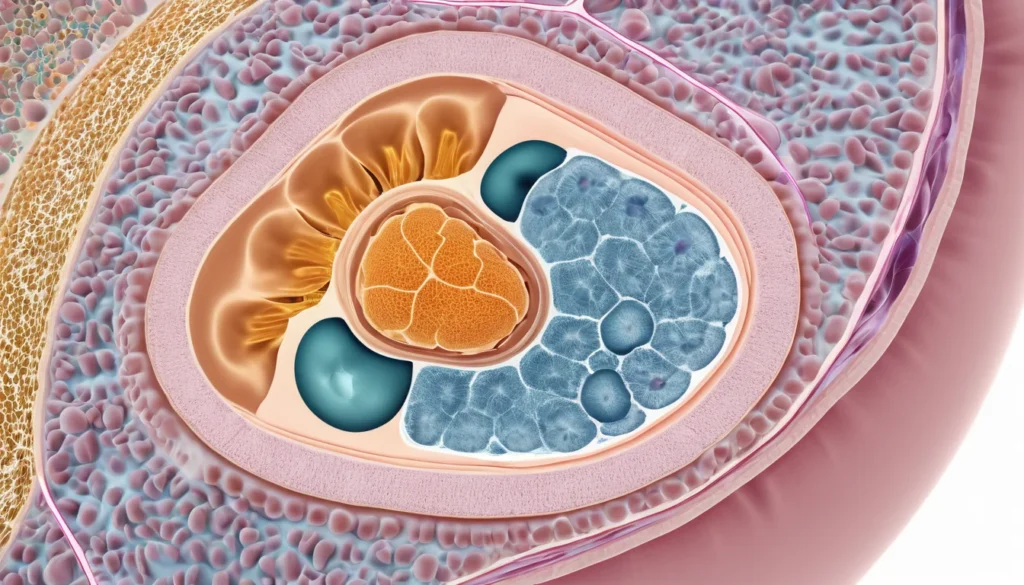
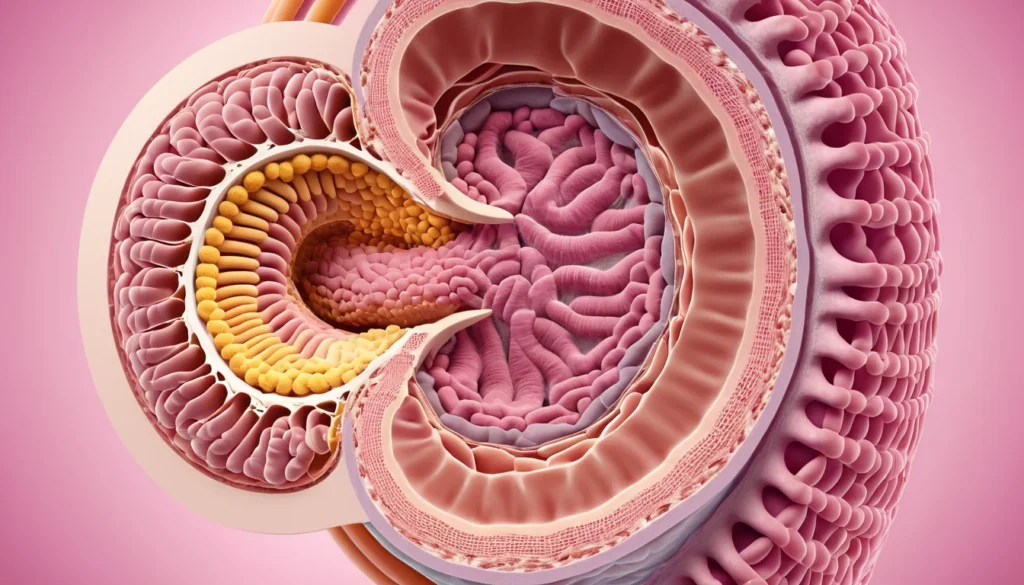
The small intestine is roughly six metres long and makes up more than 70% of the length of your digestive tract. Its main job is to break down food and absorb nutrients into your bloodstream. However, cancer can develop along its walls, just as it can in other parts of the digestive system.
There are four main types of small bowel cancer:
Adenocarcinoma — the most common type in Canada and other industrialised countries, starting in the gland cells lining the intestine
Lymphoma — a cancer of the immune cells found in the intestinal wall, more common in developing countries
Sarcoma — a cancer that forms in the soft tissue of the intestinal wall
Carcinoid tumours — slow-growing tumours that develop in hormone-producing cells
All of these tumour types can grow through the intestinal wall. In addition, they can spread to nearby lymph nodes and, in advanced cases, to distant organs like the liver.
For more general information on digestive cancers, visit Health Canada’s official health information portal.
Risk Factors for Small Bowel Cancer
Small bowel cancer is much less common than colon or rectal cancer. In fact, cancer occurs roughly 50 times more often in the large intestine than in the small intestine. Researchers believe this is partly because contents move quickly through the small bowel, limiting how long harmful substances stay in contact with the intestinal walls.
However, certain factors can raise your risk. These include:
Heavy alcohol use
A diet high in salted, smoked, or processed meats and fish
High sugar intake
A reduced number of healthy bacteria normally found in the small intestine
An alkaline environment inside the small intestine
A large amount of lymphoid tissue in the intestinal wall
Underlying Health Conditions That Increase Risk
Certain medical conditions are also linked to a higher risk of developing small bowel cancer. These include:
Crohn’s disease — a chronic inflammatory bowel disease that mainly affects the lower part of the small intestine, called the ileum. People with Crohn’s disease have a risk of small bowel cancer that is six times higher than the general population.
Celiac disease — an immune reaction to gluten that damages the lining of the small intestine over time
Familial adenomatous polyposis (FAP) — an inherited condition where many polyps grow in the large intestine, most often appearing between ages 20 and 30. Without treatment, FAP almost always leads to colorectal cancer.
HIV/AIDS — conditions that weaken the immune system increase the risk of intestinal lymphoma
If you have Crohn’s disease, additional factors that further increase your risk include being male, having the disease for a long time, having fistulas (abnormal connections between body tissues), or having had part of your small intestine surgically removed.
Symptoms of Small Bowel Cancer
One of the challenges with small bowel cancer is that early symptoms are often mild and easy to overlook. As a result, many people do not seek medical attention until the cancer has progressed.
Early Warning Signs
Early symptoms can include general abdominal discomfort alongside:
Nausea
Bloating
Loss of appetite
These symptoms are common to many digestive conditions. Therefore, they are often mistaken for irritable bowel syndrome or food intolerances.
Symptoms of Advanced Small Bowel Cancer
The following symptoms may suggest a more advanced stage of the disease. They should be taken seriously and prompt a visit to your family doctor or a walk-in clinic as soon as possible:
Unexplained fatigue — persistent tiredness that does not improve with rest
Unintended weight loss — losing weight without trying or changing your diet
Iron-deficiency anaemia — low red blood cell levels due to slow internal bleeding
Visible blood in stool — bright red blood, dark tarry stools, or what looks like “coffee grounds” in your stool
Severe nausea and vomiting — often caused by a blockage (obstruction) in the small intestine
Jaundice — yellowing of the skin and eyes, which can occur when cancer in the upper small intestine blocks the bile ducts draining the liver
It is worth noting that doctors sometimes discover small bowel cancer during surgery performed to address an unexplained intestinal blockage. For this reason, any persistent or worsening abdominal symptoms deserve medical evaluation.
Learn more about digestive cancer warning signs at the Mayo Clinic’s small intestine cancer overview.
How Is Small Bowel Cancer Diagnosed?
Diagnosing small bowel cancer can be challenging because the small intestine is long and difficult to examine fully. However, doctors have several tools available to help.
Common Diagnostic Tests
Barium X-ray (small bowel follow-through) — You swallow a liquid containing barium, which coats the intestinal walls and makes them visible on X-ray. This is often the first imaging test ordered.
Upper endoscopy — A thin, flexible tube with a camera is passed through the mouth to examine the upper digestive tract and the beginning of the small intestine.
CT scan (computed tomography) — This imaging test helps detect larger tumours and checks whether cancer has spread to nearby lymph nodes or distant organs, such as the liver.
Abdominal ultrasound — Sound waves create images of the abdominal organs and can help identify abnormal growths.
Colonoscopy — A camera is inserted through the rectum to examine the lower section of the small intestine, called the ileum, along with the large intestine.
Your family doctor will refer you to a gastroenterologist or specialist if small bowel cancer is suspected. In most provinces, this referral is covered under your provincial health plan.
Treatment Options for Small Bowel Cancer
Treatment for small bowel cancer depends on the type of cancer, its location, and how far it has spread. Your care team — which may include a surgeon, oncologist, and gastroenterologist — will work together to recommend the best approach.
Surgery
Surgery is the main treatment for small bowel cancer. The surgeon removes the affected section of the intestine. In many cases, the healthy ends are then reconnected. If the cancer is causing a blockage, surgeons may also perform a bypass procedure to restore the flow of digestive contents.
Chemotherapy
Chemotherapy uses drugs to kill cancer cells throughout the body. It is most often used when small bowel cancer has spread beyond the intestine. It can also help relieve symptoms and slow the growth of the cancer.
For a broader overview of cancer treatment options available to Canadians, the World Health Organization’s cancer fact sheet provides helpful context.
Outlook and Prognosis
The outlook for small bowel cancer varies depending on the type and stage at diagnosis. In general, earlier detection leads to better outcomes. Furthermore, survival rates differ significantly between cancer types.
For adenocarcinoma of the small bowel, the five-year survival rate is unfortunately low when the cancer is caught at a later stage. However, survival is considerably better when the cancer is still confined to the inner walls of the intestine and has not spread to the lymph nodes.
People with carcinoid tumours generally have a more favourable outlook, as these tumours tend to grow slowly. Lymphoma outcomes depend largely on the patient’s overall immune health and how early treatment begins.
When to See a Doctor
You should speak with your family doctor if you experience any of the symptoms described above — especially if they are new, persistent, or getting worse. Do not wait to see if symptoms go away on their own.
If you do not have a family doctor, a walk-in clinic can assess your symptoms and refer you for further testing if needed. Most diagnostic tests for suspected bowel conditions are covered under provincial health plans across Canada.
Early diagnosis gives you the best chance of successful treatment. As always, this article is for general information only. Please consult a qualified healthcare provider for advice about your personal health situation.
Frequently Asked Questions About Small Bowel Cancer
What are the first signs of small bowel cancer?
Early signs of small bowel cancer are often vague and can include abdominal discomfort, bloating, nausea, and a loss of appetite. Because these symptoms overlap with many other digestive conditions, they are frequently overlooked. See your family doctor if these symptoms persist for more than a few weeks.
Is small bowel cancer common in Canada?
Small bowel cancer is quite rare compared to other gastrointestinal cancers. It occurs about 50 times less frequently than colorectal cancer. However, it is important to be aware of the risk factors and symptoms, particularly if you have a condition like Crohn’s disease or celiac disease.
Can Crohn’s disease lead to small bowel cancer?
Yes. People with Crohn’s disease have a risk of developing small bowel cancer that is six times higher than the general population. Long-term inflammation, fistulas, and previous bowel surgeries can all increase this risk further. Regular monitoring by your gastroenterologist is important if you have Crohn’s disease.
How is small bowel cancer treated?
The primary treatment for small bowel cancer is surgery to remove the affected section of the intestine. Chemotherapy may also be recommended if the cancer has spread. Your treatment plan will be tailored to you by a team of specialists and is typically covered under your provincial health plan.
What is the survival rate for small bowel cancer?
Survival rates for small bowel cancer depend on the type and stage at diagnosis. Adenocarcinoma caught at an early, localised stage has a much better outcome than cancer that has spread to lymph nodes or other organs. Carcinoid tumours generally carry a more favourable prognosis due to their slow growth rate.
What foods increase the risk of small bowel cancer?
A diet high in salted, smoked, or processed meats and fish, as well as high sugar intake, has been associated with an increased risk of small bowel cancer. Heavy alcohol use is also considered a risk factor. Eating a balanced diet rich in fibre, fruits, and vegetables may help support overall bowel health.
Key Takeaways
Small bowel cancer is rare but can be serious, especially when caught late.
The four main types are adenocarcinoma, lymphoma, sarcoma, and carcinoid tumours.
Risk factors include Crohn’s disease, celiac disease, familial adenomatous polyposis, heavy alcohol use, and a poor diet.
Early symptoms are vague — bloating, nausea, and appetite loss — while advanced symptoms include weight loss, anaemia, blood in stool, and jaundice.
Diagnosis involves imaging tests such as barium X-ray, CT scan, endoscopy, and colonoscopy.
Surgery is the main treatment; chemotherapy is used when cancer has spread.
Earlier detection leads to better outcomes. See your family doctor or a walk-in clinic if you have concerns.
Most diagnostic referrals and treatments are covered under Canadian provincial health plans.