Skin redness is one of the most common reasons Canadians visit their family doctor or walk-in clinic. It happens when blood vessels just beneath the skin surface widen and fill with more blood than usual. This guide explains what causes skin redness, the different types, and what you can do about it. Always speak with a healthcare provider for a proper diagnosis.
What Is Skin Redness?
Skin redness, also called erythema by doctors, is a blush or flush of red on the skin that fades when you press on it. This “blanching” effect is what sets it apart from other skin discolourations like bruises or rashes caused by bleeding under the skin.
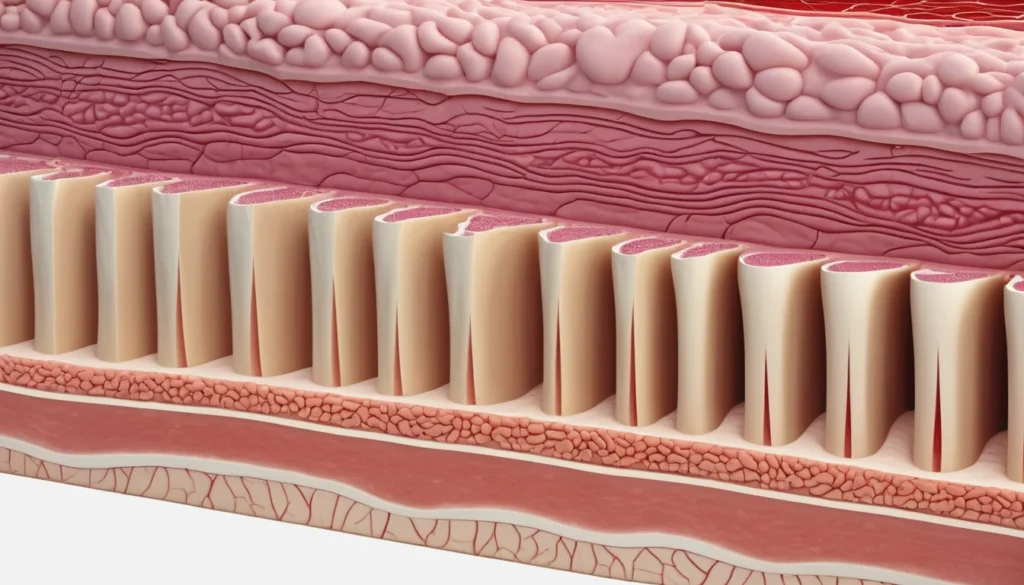
The redness happens because tiny blood vessels in the skin — called capillaries — expand and let more blood flow through. This is actually a natural response. Your body uses it to signal that something needs attention, whether that is heat, an infection, or an allergic reaction.
Skin redness can appear anywhere on the body. It may cover a small patch or spread across large areas. It can last for minutes or persist for weeks, depending on the cause. Understanding the type of redness you have is the first step toward finding the right treatment.
Types of Skin Redness
Doctors generally divide skin redness into two main categories: generalised and localised. Each type has different causes and different treatment approaches. Knowing which type you have helps your healthcare provider make the right call.
Generalised Skin Redness
Generalised skin redness spreads across large parts of the body. It often comes on quickly and may be accompanied by other symptoms like fever, itching, or swelling. This type usually points to a whole-body cause rather than something affecting just one area.
Common causes of generalised skin redness include:
Drug allergies — Some medications trigger a widespread red rash as an allergic reaction. This can happen even with medications you have taken before.
Scarlet fever — A bacterial infection that causes a bright red rash, usually alongside a sore throat and fever.
Measles (rujeola) — A viral infection that causes red blotchy skin, along with fever, cough, and runny nose. Vaccination through provincial immunisation programmes helps prevent this.
Rubella (German measles) — Another viral infection causing mild redness and rash, especially dangerous during pregnancy.
Fifth disease (slapped cheek disease) — A common viral illness in children that causes bright red cheeks and a lacy rash on the body, known medically as epidemic megalerythema.
Secondary syphilis — A sexually transmitted infection that can cause a rash across the body, including the palms and soles.
Roseola (exanthem subitum) — A common childhood illness where a high fever is followed by a sudden red skin rash.
If you notice sudden widespread skin redness alongside fever or breathing difficulty, seek medical care right away. In Canada, you can call 911 or go to your nearest emergency department.
Localised Skin Redness
Localised skin redness appears in one specific area of the body. It tends to be easier to trace back to a direct cause. However, localised redness can still be a sign of a serious condition, so it should not be ignored.
Causes of localised skin redness include physical, chemical, medication-related, infectious, and dermatological triggers. We will cover each of these in more detail in the sections below.
Physical and Chemical Causes of Skin Redness
Some of the most everyday causes of skin redness involve things we touch or expose our skin to directly. These are often the easiest causes to identify and address.
Sun Exposure and Heat
Sunburn is one of the most well-known causes of skin redness in Canada, especially during long summer days. Overexposure to ultraviolet (UV) rays causes skin inflammation, leading to painful, red skin that may peel after a few days.
Heat rash is another common physical cause. It happens when sweat gets trapped in blocked pores, creating small red bumps. This is especially common in babies and young children during warm weather.
To protect your skin, Health Canada recommends using broad-spectrum sunscreen with SPF 30 or higher and wearing protective clothing when outdoors.
Chemical and Contact Reactions
Contact dermatitis — sometimes called artificial dermatitis — happens when skin touches something that irritates it or triggers an allergic response. Common triggers include soaps, detergents, cosmetics, metals like nickel, and certain plants like poison ivy.
The skin becomes red, itchy, and sometimes blistered in the area of contact. Avoiding the trigger is the most effective treatment. A pharmacist or doctor can also recommend soothing creams or antihistamines to ease the discomfort.
Medication-Related Skin Redness
Some medications cause a condition called fixed drug eruption. This is a specific type of skin redness that appears in the same spot every time you take a certain medication. The patch may turn darker over time.
Common culprits include certain antibiotics, painkillers, and anti-inflammatory drugs. If you notice recurring redness tied to a medication, talk to your pharmacist or family doctor. Do not stop a prescribed medication without medical advice.
Infectious Causes of Skin Redness
Infections are a major cause of localised skin redness. Bacteria, fungi, and even parasites can all trigger red, inflamed skin. Identifying the source of the infection is essential for choosing the right treatment.
Intertrigo
Intertrigo is a red, raw rash that develops in skin folds — such as under the breasts, in the groin, or between the toes. Moisture, friction, and warmth create the perfect environment for this condition. It can become infected with bacteria or yeast if left untreated.
Keeping skin folds clean and dry is the best prevention. Breathable clothing and antifungal or antibacterial creams can help treat it.
Erysipelas
Erysipelas is a bacterial skin infection that causes a bright red, raised, and sharply defined patch of skin. It is most common on the face, arms, and legs. The affected area is usually warm to the touch and may be painful.
This infection requires antibiotic treatment. Therefore, if you notice a rapidly spreading red patch with these features, visit a walk-in clinic or your family doctor as soon as possible.
Other Infectious Causes
Several other infections can also cause localised skin redness, including:
Erysipeloid — A bacterial infection often linked to handling raw fish or meat, causing a red, swollen patch on the hands.
Pasteurellosis — An infection spread through animal bites or scratches, causing redness and swelling around the wound site.
Trichinosis — A parasitic infection from undercooked meat that can cause skin redness, muscle pain, and swelling around the eyes.
In all these cases, prompt medical treatment is important. Left untreated, bacterial and parasitic infections can spread and become much more serious.
Skin Redness From Dermatological Conditions
Some skin redness is caused by underlying skin or autoimmune conditions. These tend to be longer-lasting and may require ongoing management from a dermatologist or specialist.
Dermatomyositis
Dermatomyositis is a rare condition that causes muscle weakness alongside distinctive skin redness. A violet-coloured rash often appears on the eyelids, knuckles, elbows, and knees. This condition requires specialist care and is typically managed with immunosuppressive medications.
If you notice unusual purple or red discolouration on your skin along with muscle weakness, speak with your family doctor promptly. They can refer you to the right specialist through your provincial health plan.
Lupus (Systemic Lupus Erythematosus)
Lupus is an autoimmune condition where the body’s immune system attacks its own tissues. A classic sign is a butterfly-shaped rash across the cheeks and nose, though lupus skin symptoms can vary widely from person to person.
This rash often worsens with sun exposure. Other symptoms include fatigue, joint pain, and fever. Lupus is a complex condition that requires ongoing care from a rheumatologist. In Canada, a referral from your family doctor is typically needed to access this specialist care.
Rosacea
Rosacea is a chronic skin condition that causes persistent redness, mainly on the face. It is very common in Canada, affecting people of all ages, though it is most often seen in adults over 30. Triggers include spicy food, alcohol, temperature changes, and stress.
Rosacea has no cure, but it can be well managed. Topical creams, oral antibiotics, and laser treatments are all options your doctor may discuss with you. Healthline offers a helpful overview of rosacea management strategies that can complement your doctor’s advice.
When to See a Doctor
Many cases of skin redness resolve on their own. However, some situations need prompt professional attention. It is always best to err on the side of caution when it comes to your skin health.
Visit your family doctor or a walk-in clinic if you notice any of the following:
Skin redness that spreads rapidly or does not improve after a few days
Redness accompanied by fever, chills, or swollen lymph nodes
Painful, warm, or swollen skin that may indicate infection
A rash that follows starting a new medication
Recurring redness in the same spot without a clear cause
Redness alongside joint pain, fatigue, or other whole-body symptoms
Any skin change that worries you, even if symptoms seem mild
In Canada, most provinces have telehealth lines you can call for advice before visiting in person. For example, Ontario has Telehealth Ontario (1-866-797-0000), and British Columbia has HealthLink BC (8-1-1). These services can help you decide how urgently you need to be seen.
For severe reactions — such as facial swelling, difficulty breathing, or rapidly spreading redness with high fever — call 911 or go to the nearest emergency department immediately. Do not wait.
Frequently Asked Questions
What causes sudden skin redness on the face?
Sudden skin redness on the face can be caused by many things, including rosacea, allergic reactions, sunburn, or infections like erysipelas. Emotional flushing from stress or embarrassment is also a common trigger. If the skin redness on your face keeps coming back or is accompanied by other symptoms, it is worth checking with your family doctor.
Is skin redness always a sign of an allergic reaction?
No, skin redness is not always caused by an allergy. While allergic reactions are a common cause, redness can also result from infections, autoimmune conditions, sun damage, medications, or physical irritation. A doctor can help identify the true cause of your skin redness so you get the right treatment.
When should I be worried about skin redness?
You should seek medical care if your skin redness spreads quickly, is accompanied by fever or pain, follows a new medication, or does not improve within a few days. Skin redness alongside breathing difficulty or swelling of the face is a medical emergency — call 911 right away. When in doubt, visit a walk-in clinic or call your provincial telehealth line.
Can stress cause skin redness?
Yes, stress can cause skin redness, especially on the face, chest, and neck. Stress triggers the release of chemicals in the body that cause blood vessels to widen, leading to visible flushing. In people with conditions like rosacea, stress can make skin redness significantly worse.
How is skin redness treated in Canada?
Treatment for skin redness in Canada depends entirely on the cause. Your family doctor or walk-in clinic can assess the redness and recommend options such as topical creams, antihistamines, antibiotics, or a referral to a dermatologist — all covered under most provincial health plans. Never self-diagnose; always consult a qualified healthcare provider for advice tailored to your situation.
What is the difference between a rash and skin redness?
Skin redness is a broad term for any red discolouration of the skin caused by widened blood vessels, and it typically fades when pressed. A rash is a more specific change in skin texture or appearance that may include bumps, blisters, or scaling alongside redness. Both can signal the same underlying conditions, so persistent skin redness or a new rash should always be evaluated by a healthcare professional.
Key Takeaways
Skin redness happens when blood vessels under the skin widen, and it fades when pressed — this is called blanching. It is divided into two types: generalised (widespread, often from infections or drug allergies) and localised (in one area, from physical, chemical, infectious, or dermatological causes). Common causes include sunburn, contact dermatitis, drug reactions, bacterial infections, and autoimmune conditions like lupus or dermatomyositis. Many cases resolve on their own, but rapidly spreading redness, fever, or pain warrants a visit to your family doctor or walk-in clinic promptly. Emergency symptoms — such as