Skin peeling on hands and feet is something many Canadians experience at some point. It can range from a minor annoyance after a sunburn to a sign of a skin condition that needs medical attention. This article explains the most common causes, what symptoms to watch for, and when it’s time to visit your family doctor or walk-in clinic.
What Is Skin Peeling?
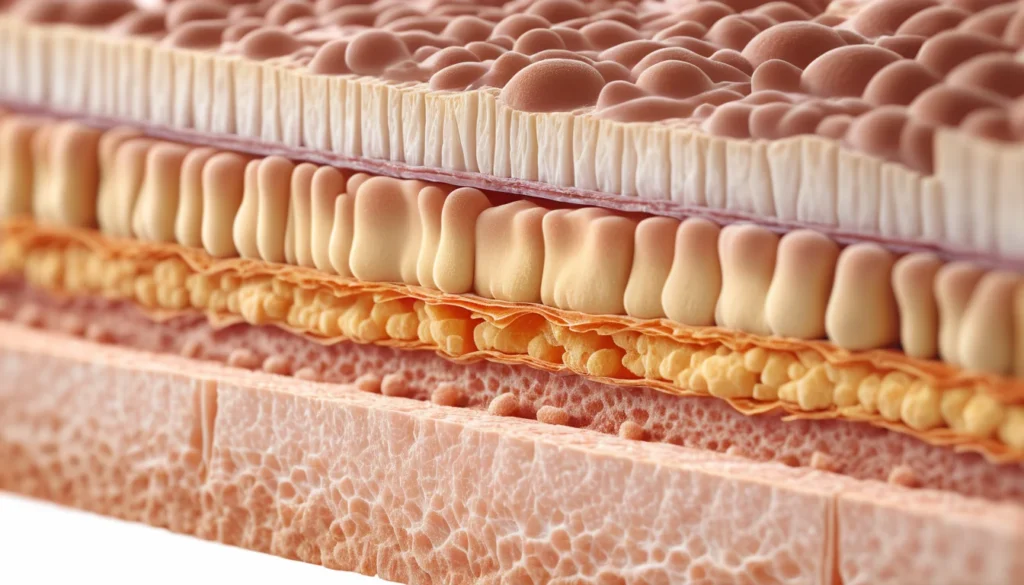
Your skin constantly renews itself. Old skin cells die and fall away, making room for fresh new ones. This is a normal, healthy process that happens every day without you noticing.
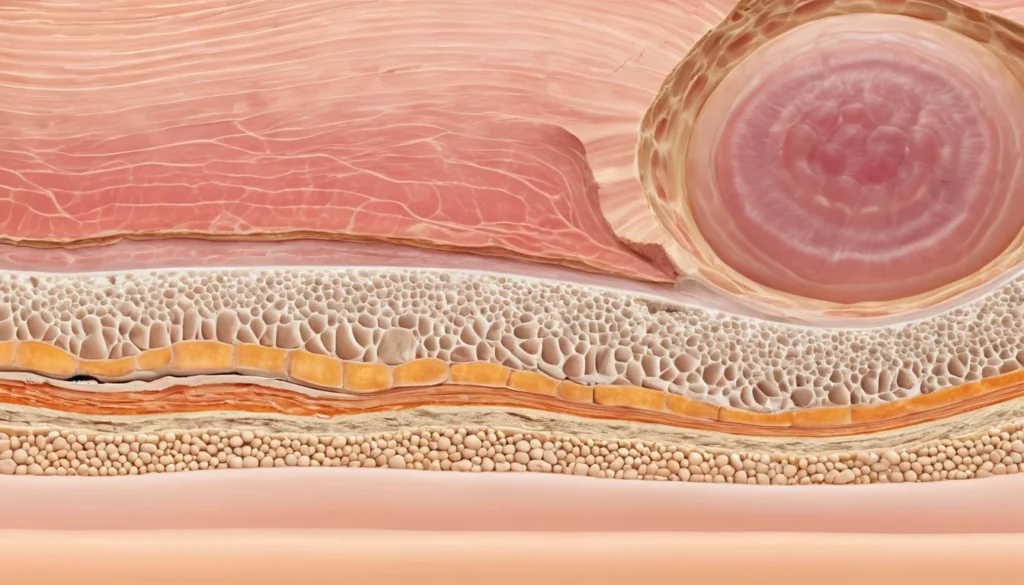
However, sometimes this process speeds up or becomes visible. When the outer layer of skin — called the epidermis — sheds in larger flakes or sheets, it is called peeling or exfoliation. The affected skin often looks dry, flaky, or scaly, similar to fish scales.
Peeling skin on the hands and feet is especially common. These areas face a lot of friction, moisture changes, and environmental exposure every day. According to Mayo Clinic, peeling skin is most often caused by damage or an underlying skin condition that affects the outer layer of skin.
Common Causes of Skin Peeling on Hands and Feet
There are many reasons why skin peels, especially on the palms and soles. Some causes are mild and easy to treat at home. Others need a doctor’s care.
Allergic Reactions and Contact Dermatitis
Your skin can react badly to things it touches. Soaps, detergents, plants like poison ivy, and certain metals can all cause a reaction. This is called contact dermatitis.
The skin becomes red, itchy, and inflamed. Peeling often follows as the skin heals. Removing the trigger usually clears up the reaction within a few days.
Allergic dermatitis works differently. The immune system overreacts to something harmless, like pet dander, certain foods, or medications. The result is similar — redness, itching, and peeling skin.
Atopic Dermatitis (Eczema)
Atopic dermatitis, commonly known as eczema, is a chronic skin condition. It tends to run in families and is linked to an overactive immune response. The skin becomes very dry, cracked, and itchy, and peeling is a frequent symptom.
Eczema often flares up in winter when indoor heating dries out the air. Many Canadians manage eczema with moisturisers, prescription creams, and lifestyle adjustments. Your provincial health plan may cover some treatments — ask your family doctor what’s available to you.
Seborrhoeic Dermatitis
Seborrhoeic dermatitis happens when the skin produces too much oil (sebum). This leads to redness and flaking, especially on the scalp. It is one of the most common causes of dandruff in adults and cradle cap in babies.
In addition to the scalp, it can also affect the face and upper body. Medicated shampoos and creams are often effective treatments.
Fungal Infections (Mycoses)
Fungal infections are a very common cause of peeling skin on the feet. Athlete’s foot (tinea pedis) is a well-known example. It thrives in warm, moist environments like locker rooms, public showers, and sweaty shoes.
The infection causes itching, burning, and peeling — especially between the toes and on the soles. Over-the-counter antifungal creams from your local pharmacy work well for mild cases. Fungal infections of the hands (tinea manuum) are less common but do occur.
Sunburn
Sunburn is one of the most straightforward causes of peeling skin. After a bad burn, the outer layer of damaged skin peels away as the body heals. This typically starts a few days after the burn.
Canada’s summers can bring strong UV rays, especially in provinces like British Columbia, Alberta, and Ontario. Wearing sunscreen with SPF 30 or higher is recommended by Health Canada’s sun safety guidelines to protect your skin year-round.
Vitamin and Mineral Deficiencies
Your skin needs proper nutrition to stay healthy. Deficiencies in vitamin A, B-complex vitamins, zinc, and calcium can all lead to dry, peeling skin. A balanced diet with plenty of fruits, vegetables, and whole grains helps support healthy skin.
Furthermore, if you suspect a nutritional deficiency, your family doctor can order a simple blood test to check your levels. Supplements may be recommended if your diet alone isn’t enough.
Medications and Skin Products
Some medications cause skin peeling as a side effect. Retinoid creams, which are used to treat acne and ageing, speed up skin cell turnover and often cause initial peeling. Sulfa-based antibiotics can also trigger skin reactions in some people.
Harsh cosmetics, soaps, and skin-care products strip the skin’s natural oils. As a result, the skin dries out and begins to peel. Switching to gentle, fragrance-free products often helps resolve the problem.
Serious Conditions That Can Cause Peeling Skin
In rare cases, skin peeling on hands and feet is a sign of a more serious medical condition. These situations need prompt medical attention.
Kawasaki Disease
Kawasaki disease is a rare condition that mainly affects young children. It causes inflammation of the blood vessels throughout the body, including the heart. Peeling skin on the palms and soles is a key symptom, usually appearing in the later stages.
Other signs include a high fever lasting more than five days, red eyes, a rash, and swollen lymph nodes. If you notice these symptoms in your child, go to the emergency department right away.
Scarlet Fever and Streptococcal Infections
Streptococcal bacteria cause strep throat and, in some cases, scarlet fever. One of the hallmark signs of scarlet fever is skin peeling, particularly on the hands and feet, after the rash fades. This condition is treatable with antibiotics and should be assessed by a doctor.
Stevens-Johnson Syndrome and Toxic Epidermal Necrolysis
These are rare but very serious conditions. Stevens-Johnson syndrome (SJS) causes the skin and mucous membranes to blister and peel. It is usually triggered by a medication reaction or severe infection.
Toxic epidermal necrolysis (TEN) is a more severe form of SJS. Both conditions are medical emergencies. Call 911 or go to the nearest emergency room immediately if you suspect either condition.
Toxic Shock Syndrome
Toxic shock syndrome is caused by toxins produced by staph or strep bacteria. It is a rare but life-threatening emergency. Skin peeling can occur as one of its symptoms, alongside high fever, low blood pressure, and organ involvement.
Symptoms That Accompany Peeling Skin
Peeling skin does not always appear on its own. Other symptoms often come with it, and these clues help identify the cause. According to Healthline’s overview of skin peeling, accompanying symptoms vary widely depending on the underlying cause.
Watch for these symptoms alongside skin peeling on hands and feet:
Redness and swelling — often signals inflammation or allergy
Itching or burning — common with eczema, fungal infections, and allergies
Blisters — may point to a more serious reaction or infection
Fever and flu-like symptoms — could indicate a systemic infection
Eye or mouth irritation — raises concern for Stevens-Johnson syndrome
Nausea, vomiting, or diarrhoea — may suggest a toxic or systemic cause
Difficulty breathing or severe swelling — signs of a severe allergic reaction; call 911
Therefore, it is important to pay attention to the full picture of your symptoms, not just the peeling itself.
When to See a Doctor
Mild peeling from a sunburn or dry skin usually clears up on its own with good moisturising and home care. However, you should see a doctor if the peeling is severe, spreads, or doesn’t improve within one to two weeks.
Visit your family doctor or a walk-in clinic if you notice:
Peeling that covers a large area of your body
Painful blistering or raw, open skin
Signs of infection, such as warmth, pus, or increasing redness
Peeling alongside fever, joint pain, or fatigue
Skin peeling in a young child with a high fever
No clear cause for the peeling
Your family doctor can refer you to a dermatologist — a skin specialist — if needed. Most provincial health plans in Canada cover dermatology referrals through a GP. If you don’t have a family doctor, a walk-in clinic is a good first step.
For blistering that covers large areas of the body, severe pain, or symptoms like difficulty breathing or confusion, call 911 or go to your nearest emergency department immediately.
Always speak with a qualified healthcare provider before starting any new treatment for a skin condition. This article is for general information only and does not replace professional medical advice.
Frequently Asked Questions
Why is the skin on my hands and feet peeling for no reason?
Skin peeling on hands and feet without an obvious cause may be linked to dry skin, a mild fungal infection, or an early-stage skin condition like eczema. Environmental factors such as cold Canadian winters, indoor heating, and frequent handwashing can also dry out the skin and lead to peeling. If the peeling persists for more than two weeks, it’s a good idea to visit your family doctor or a walk-in clinic.
Is peeling skin on the palms a sign of something serious?
In most cases, skin peeling on the palms is caused by something mild like dryness, an allergic reaction, or a fungal infection. However, peeling on the palms combined with fever, rash, or swollen lymph nodes — especially in children — can be a sign of Kawasaki disease or scarlet fever, both of which need prompt medical care. When in doubt, see a doctor to rule out anything serious.
How do I stop skin peeling on my feet?
To help stop skin peeling on your feet, start by moisturising regularly with a thick, fragrance-free foot cream, especially after bathing. If athlete’s foot is the cause, an over-the-counter antifungal cream can clear up the infection within a few weeks. Wearing breathable socks and properly fitting shoes also helps reduce moisture and friction that trigger peeling.
Can a vitamin deficiency cause skin peeling on the hands and feet?
Yes, deficiencies in vitamins A, B-complex vitamins, zinc, and calcium can all contribute to dry and peeling skin, including on the hands and feet. A blood test ordered by your family doctor can identify any nutritional gaps. Eating a balanced diet and taking targeted supplements — if recommended by your doctor — can help improve skin health.
What skin conditions cause peeling on the palms and soles?
Several skin conditions cause peeling on the palms and soles, including eczema (atopic dermatitis), contact dermatitis, fungal infections, and psoriasis. More serious conditions like Kawasaki disease and scarlet fever also cause distinctive peeling in these areas. A dermatologist can help identify the specific condition and recommend the right treatment plan.
When should I go to the emergency room for peeling skin?
You should go to the emergency room immediately if skin peeling is accompanied by blistering over large areas of the body, severe pain, difficulty breathing, high fever, or confusion. These symptoms may point to a serious condition such as Stevens-Johnson syndrome, toxic epidermal necrolysis, or toxic shock syndrome — all of which are medical emergencies. Do not wait to see if symptoms improve on their own.
Key Takeaways
Skin peeling on hands and feet is common and has many possible causes, from sunburn and dry skin to infections and allergies.
The most frequent causes include contact dermatitis, eczema, athlete’s foot, sunburn, and nutritional deficiencies.
Some causes — like Kawasaki disease, Stevens-Johnson syndrome, and toxic shock syndrome — are rare but serious and need emergency care.
Watch for accompanying symptoms like fever, blistering, eye irritation, or difficulty breathing, which signal a need for urgent attention.
Mild cases often respond well to moisturising, gentle skin care products, and over-the-counter treatments available at Canadian pharmacies.
See your family doctor or a walk-in clinic if peeling is severe, unexplained, or doesn’t improve within one to two weeks.
Most provincial health plans cover visits to both family doctors and dermatologists — don’t hesitate to use the healthcare system available to you.