Skin depigmentation is the loss or reduction of your skin’s natural colour. It happens when the skin produces less melanin — the pigment that gives skin, hair, and eyes their colour. This article explains what causes skin depigmentation, what conditions are linked to it, and when you should speak with a healthcare provider.
What Is Skin Depigmentation?
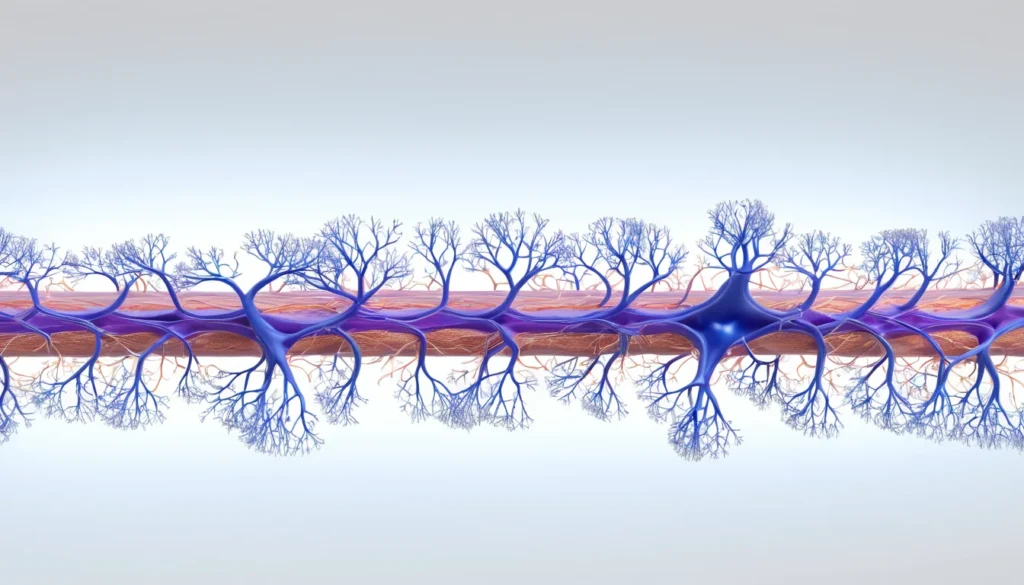
Your skin gets its colour from a pigment called melanin. Melanin is made by special cells called melanocytes. When these cells stop working properly — or disappear — areas of skin can turn lighter or completely white.
Doctors also use the terms leukoderma and depigmentation to describe this condition. These terms all refer to the same basic process: the skin loses some or all of its normal colour in one or more areas.
Skin depigmentation can affect a small patch of skin or spread across large areas of the body. In some cases, it is present from birth. In other cases, it develops over time. Either way, it is worth understanding what is happening and why.
How Does Melanin Affect Skin Colour?
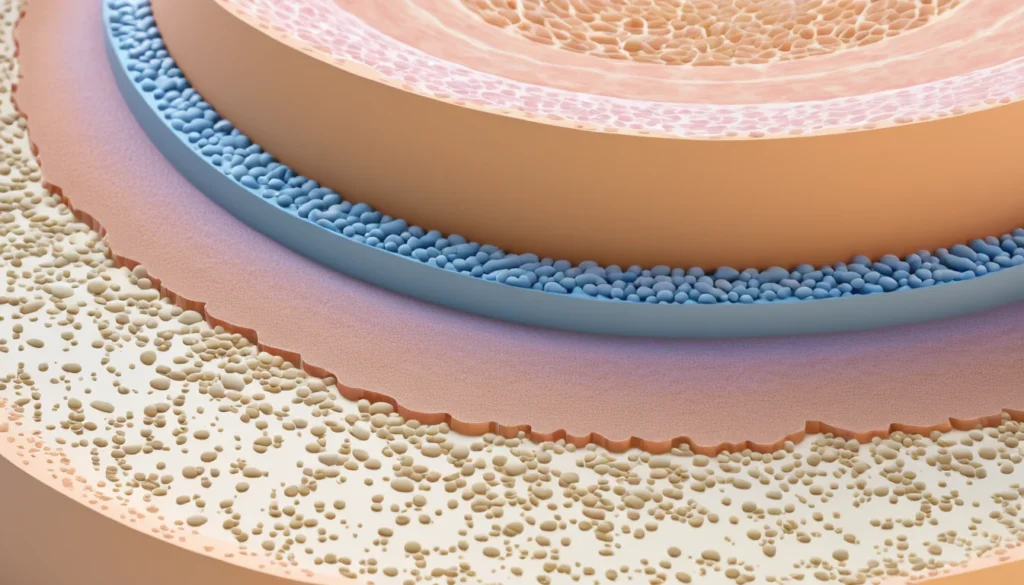
Melanin is produced deep in the skin’s outer layer, called the epidermis. It acts like a natural shield, absorbing harmful ultraviolet (UV) rays from the sun. The more melanin your skin makes, the darker your skin tone tends to be.
When melanin production drops or stops in certain areas, those spots appear lighter than the surrounding skin. This can look like pale patches, white spots, or in some cases, a complete loss of colour in a region. The contrast can be more noticeable on people with darker skin tones.
Furthermore, melanin levels are affected by many things — including genetics, autoimmune conditions, infections, and certain skin diseases. Understanding the cause helps doctors choose the right treatment plan.
Types of Skin Depigmentation
Present From Birth (Congenital)
Some forms of skin depigmentation are congenital, meaning a person is born with them. These conditions result from genetic differences that affect how melanocytes develop or function.
Albinism is a well-known example. People with albinism have little or no melanin throughout their entire body. This affects their skin, hair, and eye colour. Albinism is a generalized form of depigmentation, meaning it covers the whole body rather than specific patches.
Another example is anaemic naevus (also called nevus anemicus). This is a birthmark where a small area of skin has fewer blood vessels and appears pale. However, in this case, the melanin is actually normal — the lighter appearance comes from reduced blood flow to that area.
Developed Over Time (Acquired)
Acquired skin depigmentation develops after birth. It is far more common than congenital depigmentation. Several different conditions can trigger it, and each has its own cause and pattern.
In Canada, acquired skin depigmentation is seen regularly by family doctors and dermatologists. Some causes are mild and easily treated. Others require long-term management. Therefore, getting an accurate diagnosis is an important first step.
Common Conditions That Cause Skin Depigmentation
Vitiligo
Vitiligo is one of the most common causes of skin depigmentation. It causes smooth, white patches to appear on the skin. These patches can show up anywhere on the body, including the face, hands, arms, and feet.
Vitiligo happens when the immune system mistakenly attacks and destroys melanocytes. The exact cause is still not fully understood, but researchers believe genetics and autoimmune factors both play a role. According to Mayo Clinic’s overview of vitiligo, the condition affects people of all skin types, though it may be more visible in those with darker complexions.
Vitiligo is not contagious and is not life-threatening. However, it can affect a person’s self-esteem and emotional wellbeing. Many Canadians living with vitiligo benefit from speaking with both a dermatologist and a mental health professional.
Psoriasis
Psoriasis is a chronic skin condition that causes the skin to grow too quickly. It often produces red, scaly plaques. In some people, after a psoriasis flare-up heals, the skin may appear lighter in those areas. This is called post-inflammatory hypopigmentation.
Psoriasis is an autoimmune condition. It affects roughly one million Canadians, according to the Psoriasis Society of Canada. Treatment can help manage symptoms, and your family doctor can refer you to a dermatologist if needed.
Tinea Versicolor (Pityriasis Versicolor)
Tinea versicolor is a common fungal skin infection. A yeast called Malassezia naturally lives on everyone’s skin. However, in some conditions — such as heat, humidity, or a weakened immune system — it can grow too quickly and disrupt melanin production.
As a result, patches of skin may appear lighter or darker than usual. These patches are often found on the chest, back, neck, and upper arms. Tinea versicolor is treatable with antifungal creams or shampoos, which are available at most Canadian pharmacies.
Syphilis and Leprosy
Some infectious diseases can also cause skin depigmentation. Syphilis, a sexually transmitted infection (STI), can produce pale patches on the skin — particularly on the neck — during its secondary stage. This is sometimes called “the necklace of Venus.”
Leprosy (Hansen’s disease) is a bacterial infection that, among other symptoms, can cause light-coloured skin patches with reduced sensation. Leprosy is rare in Canada today, but it remains a concern in some parts of the world. The World Health Organization’s fact sheet on leprosy provides up-to-date global information on this condition.
How Is Skin Depigmentation Diagnosed?
Diagnosing skin depigmentation starts with a careful look at your skin and your medical history. Your doctor will ask about when the patches appeared, whether they have changed, and any other symptoms you may have noticed.
In some cases, a doctor may use a special ultraviolet lamp called a Wood’s lamp. Under this light, depigmented patches glow differently from normal skin, helping the doctor identify the cause more easily.
Blood tests may be ordered to check for autoimmune conditions or infections. A small skin biopsy — where a tiny sample of skin is removed and examined — may also help confirm the diagnosis. Your family doctor can arrange these tests or refer you to a dermatologist for further evaluation.
Skin Depigmentation vs. Hypopigmentation
It is helpful to understand the difference between full depigmentation and hypopigmentation. Depigmentation means the skin has lost all its colour in a specific area. Hypopigmentation means the skin has less colour than usual, but not a complete loss.
Both conditions involve melanin, but they differ in severity. Vitiligo, for example, typically causes full depigmentation. Tinea versicolor and post-inflammatory changes often cause hypopigmentation. Your doctor will identify which type you have, as this affects treatment options.
Treatment Options for Skin Depigmentation
Treatment depends on the underlying cause. Not all forms of skin depigmentation require medical treatment, especially if they are not causing discomfort or health risks. However, many people choose to explore options for cosmetic or medical reasons.
Topical Treatments
For conditions like vitiligo, doctors may prescribe topical corticosteroids or calcineurin inhibitors. These creams help calm the immune response and may help restore some skin colour over time. They work best on smaller patches and when started early.
For tinea versicolor, antifungal creams and medicated shampoos containing selenium sulfide or ketoconazole are commonly used. These are often available over the counter at Canadian pharmacies without a prescription.
Light Therapy (Phototherapy)
Narrowband UVB phototherapy is a well-established treatment for vitiligo. It involves exposing the skin to controlled amounts of ultraviolet B light. This stimulates the remaining melanocytes to produce more pigment.
Phototherapy is usually done in a dermatology clinic two to three times per week. It can take several months before noticeable results appear. Many provincial health plans in Canada cover phototherapy for diagnosed skin conditions — check with your provincial health authority or insurance provider for details.
Cosmetic Options
Some people prefer cosmetic approaches. Self-tanning products and skin-coloured makeup can help even out the appearance of depigmented patches. These options do not treat the underlying cause, but they can help boost confidence.
In cases of widespread vitiligo, some individuals choose depigmentation therapy — a process that lightens the remaining pigmented skin to create a more uniform look. This is an irreversible procedure and requires careful discussion with a dermatologist. Healthline’s guide to vitiligo treatments offers a useful overview of available options.
Living With Skin Depigmentation in Canada
Living with visible skin changes can be emotionally challenging. Many Canadians with vitiligo or other depigmentation conditions report feelings of self-consciousness or anxiety, particularly when patches appear on the face or hands.
Support is available. The Canadian Skin Patient Alliance connects Canadians with resources, peer support, and information about navigating the healthcare system. Talking openly with your family doctor about how your skin condition affects your daily life is an important first step.
Sun protection is also critical for depigmented skin. Areas without melanin have no natural UV protection. Therefore, applying a broad-spectrum sunscreen of SPF 30 or higher every day — especially during Canadian summers — is strongly recommended.
When to See a Doctor
You should speak with a healthcare provider if you notice new white or pale patches on your skin, especially if they are spreading. Early diagnosis often leads to better outcomes.
Your family doctor is a great first contact. They can examine your skin, rule out infections or systemic conditions, and refer you to a dermatologist if needed. If you do not have a family doctor, a walk-in clinic can help with an initial assessment.
Seek care promptly if your skin changes are accompanied by itching, pain, numbness, or other symptoms. Also, if the patches appear on a child, it is worth getting them checked sooner rather than later.
Always consult your doctor or a qualified healthcare professional before starting any treatment for skin depigmentation. This article is for informational purposes only and does not replace professional medical advice.
Frequently Asked Questions
What is the most common cause of skin depigmentation?
The most common cause of skin depigmentation is vitiligo, an autoimmune condition where the immune system destroys melanin-producing cells. Other causes include fungal infections like tinea versicolor and certain inherited conditions like albinism. A doctor can help identify the specific cause through a physical exam and tests.
Is skin depigmentation permanent?
Whether skin depigmentation is permanent depends on the cause. Vitiligo-related depigmentation can sometimes be partially reversed with treatment, but results vary. Fungal-related depigmentation often resolves fully once the infection is treated, though it may take several months for skin colour to return.
Can skin depigmentation be dangerous?
Skin depigmentation itself is usually not dangerous, but the underlying cause may need medical attention. For example, depigmentation caused by syphilis or leprosy requires treatment for the infection. Depigmented skin also lacks UV protection, increasing the risk of sunburn and skin damage.
Does skin depigmentation spread over time?
Some forms of skin depigmentation, like vitiligo, can spread to new areas over time, though the rate varies greatly between individuals. Other forms, like post-inflammatory hypopigmentation, tend to be stable or improve on their own. Monitoring changes and reporting them to your doctor is always a good idea.
Is skin depigmentation covered under Canadian provincial health plans?
Coverage for skin depigmentation treatments varies by province. Diagnostic visits with a family doctor are generally covered under provincial health plans across Canada. Specialist referrals and phototherapy may also be covered, but specific treatments like cosmetic procedures are typically not included — check with your provincial health authority for details.
What is the difference between vitiligo and albinism?
Both vitiligo and albinism involve skin depigmentation, but they differ in cause and pattern. Albinism is a genetic condition present from birth that affects melanin production throughout the entire body. Vitiligo is an acquired autoimmune condition that causes patchy loss of skin colour in specific areas, often developing in adulthood.
Key Takeaways
Skin depigmentation is the loss of normal skin colour due to reduced or absent melanin production. It can be congenital (present from birth, such as albinism) or acquired (developed over time, such as vitiligo or tinea versicolor). Vitiligo is the most common acquired cause and is linked to autoimmune activity. Other causes include fungal infections, psoriasis, and in rare cases, infectious diseases like syphilis or leprosy. Treatment options include topical creams, phototherapy, and cosmetic approaches — depending on the cause and severity. Depigmented skin has no natural UV protection, so daily sunscreen use is essential. Your family doctor or walk-in clinic is the best first step for