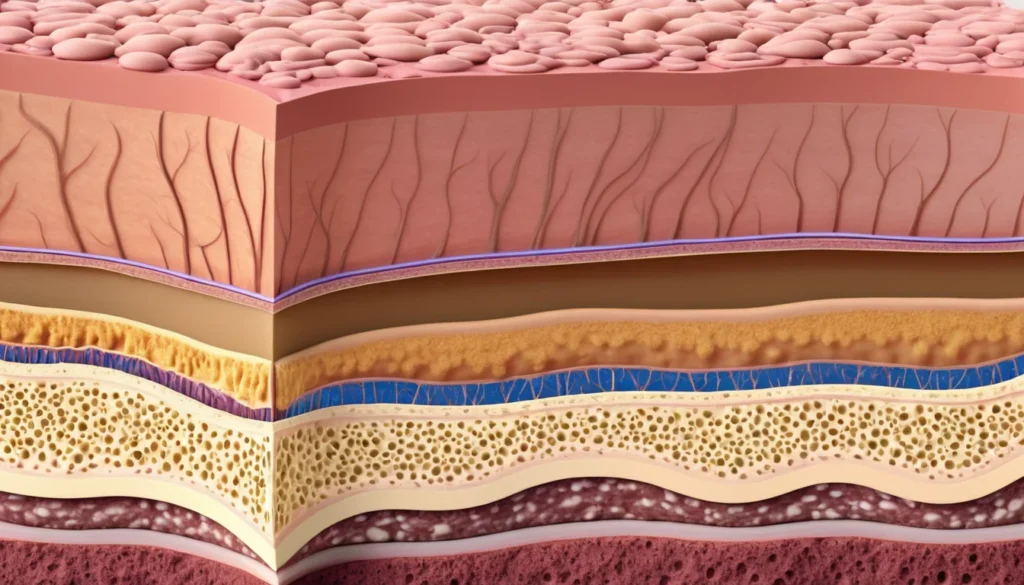
Skin conditions are among the most common health concerns that Canadians deal with at every age. From teenage acne to age spots and potentially serious growths, your skin can show important signs about your overall health. This article explains the most common skin conditions, what causes them, and when it is time to talk to your family doctor or visit a walk-in clinic.
Common Skin Conditions in Canada
Many Canadians experience skin conditions at some point in their lives. Some are harmless and temporary. Others need medical attention to prevent complications.
Acne
Acne is one of the most common skin conditions, especially during the teenage years. It can continue into early adulthood for many people. Acne ranges from mild blackheads, also called comedones, to deep, painful cysts under the skin.
Acne can appear on the face, neck, chest, and back. Boys tend to develop more severe forms than girls. However, many girls also notice acne breakouts just before their first menstrual period, due to hormonal changes in the body.
Pregnancy Mask (Melasma)
During pregnancy, some women develop dark patches on the face. This is called melasma, or sometimes a “pregnancy mask.” It happens because hormonal changes during pregnancy stimulate pigment-producing cells in the skin, known as melanocytes.
The good news is that melasma usually fades after the baby is born. In the meantime, avoiding sun exposure and using a broad-spectrum sunscreen can help reduce the darkening. Always check with your doctor before using any skin-lightening products while pregnant.
Actinic Keratosis
Actinic keratosis is a rough, scaly patch on the skin caused by years of sun exposure. It is not cancer, but it can turn into a type of skin cancer called squamous cell carcinoma if left untreated. Therefore, it is important to have any unusual skin changes checked by a healthcare provider.
Allergic Skin Reactions and Sun Sensitivity
Some medications can make your skin more sensitive to sunlight. This is called photosensitivity. As a result, people taking certain drugs may develop a rash or skin irritation even after short sun exposure.
In addition, some people develop a condition called solar urticaria, or sun allergy. This causes hives, rashes, or itching after sun exposure — even on skin that was not directly in the sun. If you notice this pattern, speak with your family doctor or a pharmacist about your medications and sun protection options.
Other Skin Conditions Caused by Illness or Infection
Not all skin conditions start on the surface. Some are signs of what is happening deeper in the body. Here are some important examples.
Autoimmune diseases: Conditions like lupus and scleroderma can cause rashes, skin thickening, and colour changes.
Lyme disease: This is caused by a tick bite and often produces a distinctive bull’s-eye rash at the bite site. Lyme disease is a growing concern in many parts of Canada, including Ontario, Quebec, and British Columbia. You can learn more through Health Canada’s official health resources.
Bacterial skin infections: Impetigo and cellulitis are bacterial infections that cause redness, swelling, and sores on the skin.
Viral infections: Chickenpox and shingles (herpes zoster) both cause distinctive rashes and blisters.
Liver disease: Conditions like hepatitis can cause the skin and whites of the eyes to turn yellow. This is called jaundice.
If you notice any of these signs, do not wait. Visit your family doctor or a walk-in clinic as soon as possible.
Benign (Non-Cancerous) Skin Changes
Many skin conditions are completely harmless. However, it is still helpful to know what they are so you do not worry unnecessarily.
Moles
Most people have between 10 and 40 moles on their body. Moles can appear up to age 40 and may change slowly over time. They can grow larger, develop a hair, change colour, or even fade away. Most moles are harmless, but any sudden or unusual changes should be checked by a doctor.
Skin Tags
Skin tags are small, soft growths that hang off the skin. They usually appear in areas where skin rubs together — such as the neck, armpits, groin, or under the breasts. Skin tags are harmless and never turn into cancer. However, if a skin tag bleeds or becomes irritated, a doctor can remove it safely.
Seborrhoeic Keratoses
These are benign growths that look like rough, waxy, stuck-on patches. They often appear on the chest, back, scalp, face, or neck. They may look alarming, but seborrhoeic keratoses are not dangerous and do not turn into skin cancer. Your doctor can confirm the diagnosis if you are unsure.
Skin Cancer: What Canadians Need to Know
Skin cancer is one of the most serious skin conditions, and it is also one of the most preventable. While some skin changes are a normal part of ageing, others may signal something more serious. According to the Mayo Clinic’s guide to skin cancer, early detection makes a significant difference in treatment outcomes.
Types of Skin Cancer
The three most common types of skin cancer are basal cell carcinoma, squamous cell carcinoma, and melanoma. Melanoma is the most dangerous because it can spread to other parts of the body. However, when caught early, all three types are treatable.
Risk Factors for Skin Cancer
Certain habits and exposures increase your risk of developing skin cancer. These include:
Severe sunburns in childhood
Long periods of sun exposure as an adult
Regular use of tanning beds or UV lamps, which can be more harmful than natural sunlight
Repeated exposure to X-rays, certain chemicals, or radioactive substances
Past radiation therapy used to treat psoriasis, eczema, or acne
Using tanning beds is a particular concern in Canada. Many provinces have restricted their use for minors precisely because of the cancer risk. Healthline’s overview of skin cancer provides helpful information on risk reduction strategies.
Kaposi’s Sarcoma
Kaposi’s sarcoma is a rare and serious form of skin cancer. It is most common in people with weakened immune systems, such as those living with HIV. It appears as raised, reddish-purple nodules on the skin, often on the face, limbs, torso, or inside the mouth. If you or someone you know shows these signs, seek medical care right away.
How to Care for Your Skin at Home
Many mild skin conditions can be managed with simple steps at home. These tips can help keep your skin healthy and prevent irritation from getting worse.
Keep the affected area clean and dry. Use a mild, fragrance-free soap and lukewarm — not hot — water.
Do not scrub or brush the area. Gentle washing is enough.
Avoid picking, scratching, or squeezing any skin growths or blemishes. This can cause infection or scarring.
Give the skin room to breathe. Leave the area uncovered when possible.
Wear loose, comfortable clothing to avoid rubbing or irritating the skin.
Apply a broad-spectrum sunscreen with SPF 30 or higher every day, even on cloudy days. This is especially important in Canada’s summer months.
These steps are a good starting point. However, they are not a substitute for professional medical advice, especially if your symptoms are worsening or not improving.
When to See a Doctor
Not every skin change requires a trip to the doctor. However, some signs should prompt you to seek care quickly. Visit your family doctor or a walk-in clinic if you notice any of the following:
A mole or skin growth that changes in size, shape, or colour
A sore or wound that does not heal within a few weeks
A rash that spreads rapidly or is accompanied by fever
Skin that turns yellow (possible sign of jaundice)
A new growth that bleeds, itches, or crusts over repeatedly
Any skin change that worries you — trust your instincts
In Canada, your provincial health plan covers visits to your family doctor for skin concerns. If you do not have a family doctor, a walk-in clinic is a great first step. A referral to a dermatologist may be arranged if needed. Early assessment of serious skin conditions can make all the difference in your treatment outcome.
Always speak with a qualified healthcare provider before starting any treatment for skin conditions. The information in this article is for general educational purposes only.
Frequently Asked Questions About Skin Conditions
What are the most common skin conditions in Canada?
The most common skin conditions in Canada include acne, eczema, psoriasis, moles, and skin tags. Skin cancer, particularly melanoma, is also a significant concern for Canadians due to sun exposure during summer months. Most of these conditions are manageable with proper care and medical support.
How do I know if a mole is dangerous?
Doctors use the ABCDE rule to assess moles: Asymmetry, Border irregularity, Colour variation, Diameter larger than 6mm, and Evolution or change over time. If your mole shows any of these signs, it is important to see your family doctor or visit a walk-in clinic. Early detection of skin conditions like melanoma greatly improves treatment success.
Can skin conditions be a sign of something serious?
Yes, some skin conditions are linked to serious underlying health problems. For example, yellow skin can signal liver disease, while a bull’s-eye rash may indicate Lyme disease. Furthermore, persistent sores or unusual growths can sometimes be early signs of skin cancer, so it is always worth getting checked.
Are tanning beds safe to use in Canada?
Tanning beds are not considered safe. They emit ultraviolet radiation that can be more intense than natural sunlight, significantly increasing the risk of skin cancer. Several Canadian provinces have banned tanning bed use for people under 18, and health experts recommend avoiding them entirely to protect your skin.
How can I prevent skin cancer in Canada?
The most effective way to prevent skin cancer is to limit UV exposure. Wear SPF 30 or higher sunscreen daily, seek shade during peak sun hours (10 a.m. to 4 p.m.), and wear protective clothing and a wide-brimmed hat. Avoid tanning beds and check your skin regularly for new or changing skin conditions.
Does my provincial health plan cover treatment for skin conditions?
In most Canadian provinces, visits to a family doctor or walk-in clinic for skin conditions are covered under your provincial health plan. However, some cosmetic procedures — such as removing harmless skin tags — may not be covered. Check with your provincial health authority or speak with your doctor to understand what is included in your coverage.
Key Takeaways
Skin conditions range from harmless moles and skin tags to serious issues like skin cancer.
Acne, melasma, actinic keratosis, and allergic rashes are among the most common skin concerns Canadians face.
Some skin changes are signs of underlying illness, such as liver disease, Lyme disease, or autoimmune conditions.
Skin cancer is largely preventable — protect your skin with sunscreen and avoid tanning beds.
Use the ABCDE rule to monitor your moles and report any changes to your doctor promptly.
Most provincial health plans in Canada cover medical visits for skin conditions — do not hesitate to seek care.
When in doubt, visit your family doctor or a local walk-in clinic. Early action saves lives.