Skin conditions are among the most common health concerns for Canadians of all ages. From acne in teenagers to eczema in adults, these conditions affect both physical health and emotional well-being. In this article, you will learn what causes skin conditions, how they are diagnosed, and what you can do to protect your skin every day.
What Are Skin Conditions?
Skin conditions are diseases or disorders that affect the skin, the body’s largest organ. They can range from mild irritations to chronic illnesses that require ongoing care. Left untreated, many skin conditions worsen over time and can lead to anxiety, depression, and low self-esteem.
According to Health Canada, skin health is closely connected to overall physical and mental wellness. Getting the right diagnosis early makes a big difference in treatment outcomes.
How the Skin Is Structured
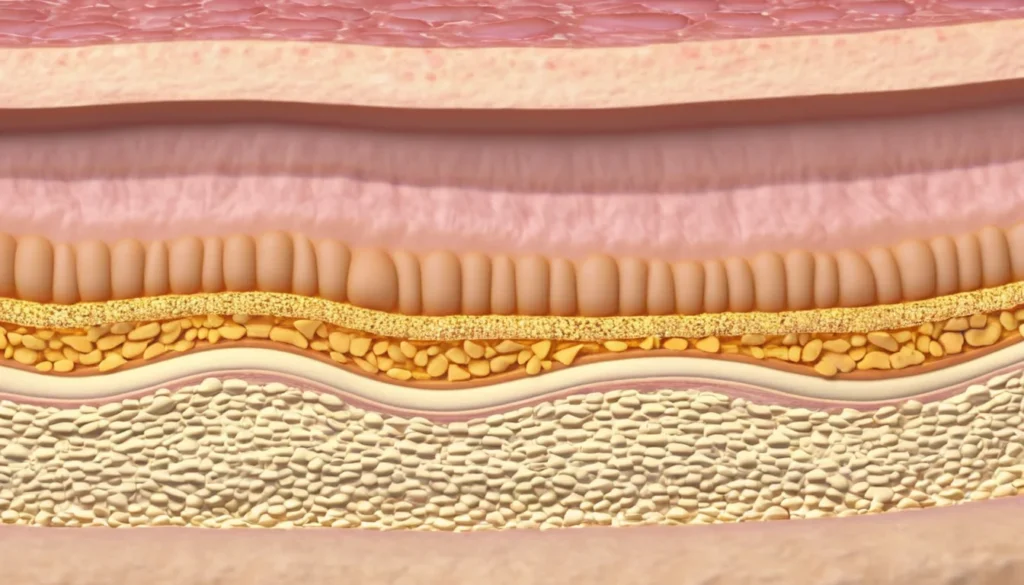
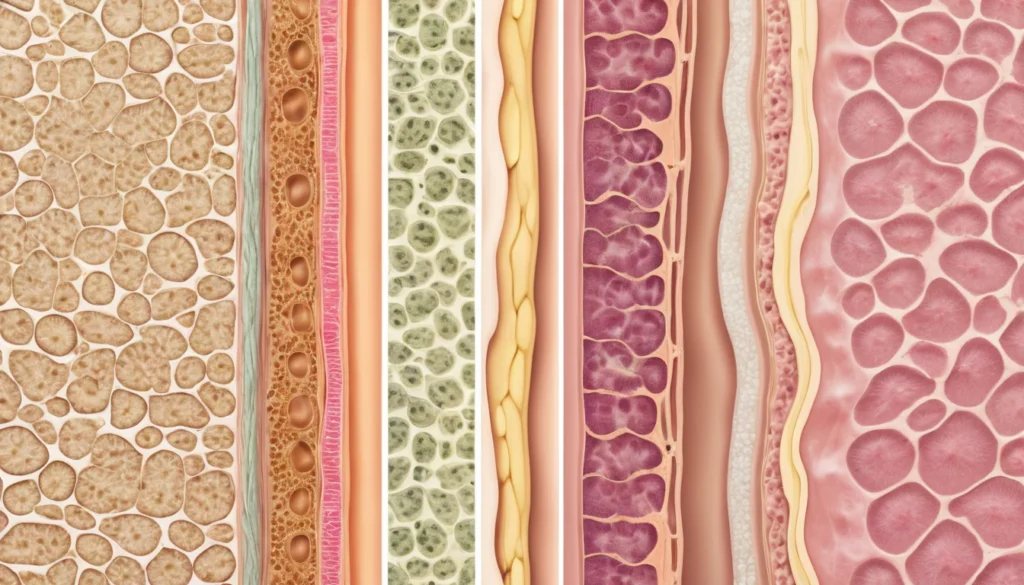
Understanding your skin helps you understand why conditions develop. The skin has three main layers, each with a specific role.
Epidermis: The outermost layer. It is about 0.1 mm thick on most of the body, but up to 1 mm thick on the palms and soles. It contains keratinocytes, cells that produce a tough protein called keratin.
Dermis: The layer just below the epidermis, roughly four times thicker. It holds blood vessels, nerves, hair roots, and sweat glands. It is made largely of collagen and elastin, which give skin its strength and flexibility.
Hypodermis: The deepest layer, connecting the dermis to the tissue beneath. It acts as insulation and a cushion for the body.
Most skin conditions develop in the epidermis or dermis. They can be triggered by viral, bacterial, or fungal infections, or by problems with the immune system.
Common Causes of Skin Conditions
Skin conditions can have many different causes. Because of this, getting a proper diagnosis is essential before starting any treatment.
Common triggers include:
Genetics: A family history of certain skin conditions increases your risk.
Hormonal changes: Puberty, pregnancy, and menstrual cycles can trigger flare-ups.
A weakened immune system: Your body may overreact or underreact to everyday substances.
Stress: High stress levels can worsen many skin conditions.
Diet: Certain foods may trigger inflammation in the skin.
Environmental factors: Pollution, allergens, pet hair, dust, and synthetic fabrics can all play a role.
Furthermore, some skin conditions mimic others, which makes self-diagnosis unreliable. A healthcare provider can identify the true cause and recommend the right treatment plan.
Skin Conditions: Acne, Eczema, and Psoriasis
Three of the most common skin conditions seen in Canada are acne, eczema, and psoriasis. Each has distinct causes, symptoms, and treatment options.
Acne
Acne is one of the most widespread skin conditions, especially among teenagers and young adults. It occurs when the sebaceous (oil-producing) glands become overactive. Dead skin cells block the pores, leading to blackheads. When bacteria enter the blocked pores, pus, swelling, and inflammation follow.
Acne most often appears on the forehead, face, neck, chest, shoulders, and back. For most people, it improves naturally by their early twenties. However, some adults in their thirties or beyond still experience breakouts, particularly women before their menstrual cycle or during pregnancy.
Untreated acne can cause permanent scarring. It can also lead to serious emotional effects, including shyness, social anxiety, depression, and low self-esteem. As a result, early treatment is strongly recommended. For more information, visit Mayo Clinic’s guide to acne.
Eczema
Eczema is a group of skin conditions that cause redness, itching, irritation, and sometimes small blisters. The most common and severe form is atopic dermatitis. Researchers believe it is linked to the immune system reacting abnormally to the environment around us.
Eczema is not contagious. However, it does tend to run in families, which suggests a genetic component. About 1 in 10 people will experience eczema at some point in their lives.
People with eczema are also more likely to have asthma or other allergies, such as hay fever. Common triggers include pet hair, certain fabrics, dust, and specific foods. Identifying and avoiding your personal triggers is one of the most effective ways to manage this condition.
Psoriasis
Psoriasis is a chronic skin condition that causes red, scaly patches called plaques. These patches can appear on the scalp, face, lower back, elbows, knees, hands, feet, and nails. In some cases, they develop inside the mouth or on the genitals.
Symptoms include intense itching and pain. Because psoriasis is a long-term condition, it can significantly affect quality of life. Many people with psoriasis also experience depression, chronic stress, and anxiety.
Psoriasis affects men and women equally. There is currently no cure, but treatments can manage symptoms effectively and improve daily quality of life. According to the World Health Organization’s psoriasis fact sheet, it affects approximately 100 million people worldwide.
How Are Skin Conditions Diagnosed?
Most skin conditions are diagnosed through a careful physical examination of the skin, combined with a review of the patient’s medical history. Your doctor will ask about your symptoms, how long they have been present, and whether anyone in your family has had similar issues.
Some skin conditions look very similar to one another, which can make diagnosis more challenging. For example, rosacea is sometimes confused with teenage acne. In these cases, a dermatologist may be needed for a more detailed assessment.
Additional tests may include a skin biopsy, where a small sample of skin is examined under a microscope, or a tissue culture to check for infection. These tests help rule out other conditions and confirm the correct diagnosis.
Tips for Healthy Skin
Good daily habits go a long way toward preventing and managing skin conditions. Therefore, building a consistent skincare routine is one of the best things you can do for your overall health.
Here are some practical tips:
Stay hydrated: Drink 6 to 8 glasses of water each day to keep your skin moist and supple.
Moisturise daily: Apply a fragrance-free moisturiser after washing your face with warm water to restore your skin’s natural balance.
Use sun protection: Apply a broad-spectrum SPF every day, even on cloudy days. UV damage is a leading cause of premature skin ageing in Canada.
Eat a balanced diet: Choose foods rich in vitamins, minerals, and fibre to support skin health from the inside out.
Get enough sleep: Sleep allows your skin to repair itself. Most adults need 7 to 9 hours per night.
Do not smoke: Smoking speeds up skin ageing and causes a dull, yellowish skin tone.
Do not pop pimples: This pushes bacteria deeper and increases the risk of scarring.
Remove makeup before bed: Clean skin overnight prevents clogged pores and irritation.
Choose gentle products: Avoid harsh chemical cleansers. A mild, natural cleanser is ideal for most skin types.
When to See a Doctor
Many mild skin conditions can be managed at home with over-the-counter products. However, you should see a healthcare provider if your symptoms are severe, spreading, or not improving after a few weeks.
In Canada, your first step is usually your family doctor. They can assess your skin, rule out serious conditions, and refer you to a dermatologist if needed. If you do not have a family doctor, a walk-in clinic is a great option. Most walk-in clinics can diagnose and treat common skin conditions on the same visit.
Your provincial health plan covers most doctor visits for skin conditions. Check with your province’s health authority to understand what is included in your coverage. Always speak with a qualified healthcare professional before starting any new treatment for a skin condition.
Frequently Asked Questions About Skin Conditions
What are the most common skin conditions in Canada?
The most common skin conditions in Canada include acne, eczema, psoriasis, and rosacea. These conditions affect people of all ages and can range from mild to severe. Most are manageable with the right treatment from a family doctor or dermatologist.
Are skin conditions contagious?
Most common skin conditions, such as eczema, acne, and psoriasis, are not contagious. However, some skin infections caused by bacteria or fungi can spread through skin-to-skin contact. If you are unsure, a doctor can quickly determine whether your condition poses any risk to others.
Can stress cause skin conditions to flare up?
Yes, stress is a well-known trigger for many skin conditions, including eczema, psoriasis, and acne. When the body is under stress, it releases hormones that can increase inflammation in the skin. Managing stress through exercise, sleep, and relaxation techniques can help reduce flare-ups.
When should I see a doctor about a skin condition?
You should see a doctor if your skin condition is painful, spreading, infected, or not improving with over-the-counter treatments after a few weeks. In Canada, your family doctor or a local walk-in clinic can assess most skin conditions and provide a referral to a dermatologist if necessary.
Is there a cure for psoriasis?
Currently, there is no permanent cure for psoriasis. However, many effective treatments can control symptoms and greatly improve quality of life. A dermatologist can create a personalised treatment plan that may include topical creams, light therapy, or medication.
Can diet affect skin conditions like acne or eczema?
Diet can play a role in some skin conditions, though the connection varies from person to person. Some people find that dairy, sugar, or highly processed foods worsen their acne or eczema. Eating a balanced diet rich in vegetables, fibre, and healthy fats generally supports better skin health overall.
Key Takeaways
Skin conditions are very common and affect Canadians of all ages.
The three main layers of skin — epidermis, dermis, and hypodermis — each play a role in skin health and disease.
Acne, eczema, and psoriasis are among the most frequently diagnosed skin conditions in Canada.
Causes include genetics, hormonal changes, a weakened immune system, stress, diet, and environmental triggers.
Untreated skin conditions can affect mental health, leading to anxiety, depression, and low self-esteem.
Daily habits — hydration, sun protection, gentle cleansers, and enough sleep — help maintain healthy skin.
See your family doctor or visit a walk-in clinic if symptoms are severe or not improving. Most visits are covered by your provincial health plan.