Skin candidiasis is a common fungal infection caused by an overgrowth of Candida albicans or related yeast species on the skin. It typically causes a red, itchy rash that appears in warm, moist areas of the body, such as the armpits, groin, and skin folds. In Canada, this condition affects people of all ages, from infants in diapers to older adults with weakened immune systems. This article explains what skin candidiasis is, why it happens, and how it can be managed.
What Is Skin Candidiasis?
Your skin naturally hosts many types of bacteria and fungi. Most of them are harmless — in fact, your body needs many of them to function properly. However, when certain fungi grow out of control, they can cause infections like skin candidiasis.
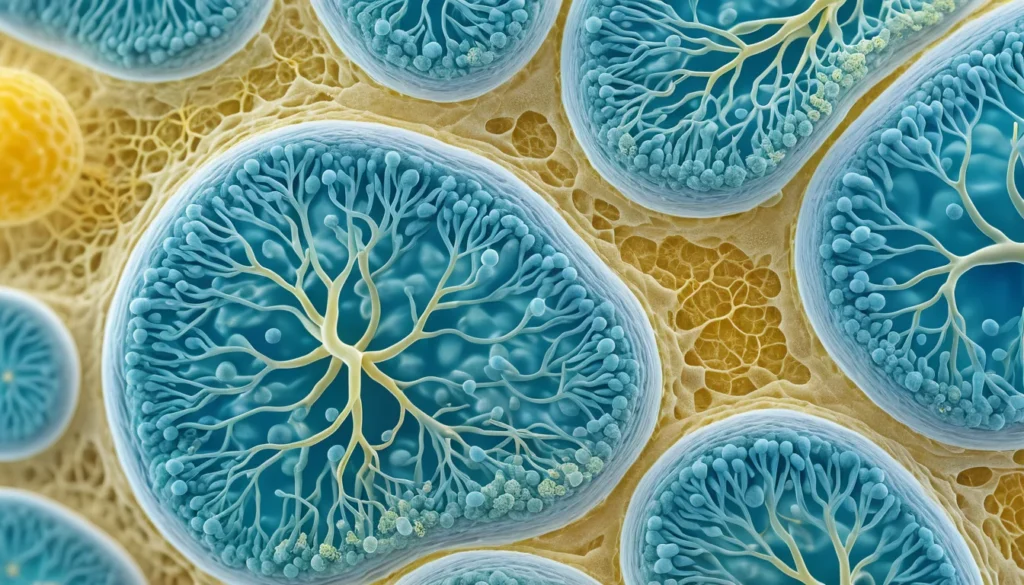
Candida albicans is the main fungus responsible for this condition. It is oval-shaped and microscopic, measuring roughly 2 to 6 micrometres in diameter. It can grow in two forms: as thread-like filaments called hyphae, or as budding yeast cells. When budding cells stay connected in chains, they form structures called pseudohyphae.
Superficial skin infections and infections of mucous membranes are the most common types of candida infections. In recent years, cases have increased, especially among people with weakened immune systems. According to Health Canada, fungal infections are a growing public health concern, particularly in vulnerable populations.
Types of Skin Candidiasis
Skin candidiasis is not just one condition. It takes several different forms, each affecting a different part of the body.
Paronychia (Nail Fold Infection)
Paronychia caused by Candida albicans is an infection of the skin around and beneath the nails. It can be acute (short-term) or chronic (long-lasting). Symptoms include swelling, redness, inflammation, and pain around the infected nail area.
This type of infection is more common in women than in men. It is often triggered by keeping hands wet for long periods of time — for example, among people who work in food service or cleaning. It also occurs more often in people with diabetes or a compromised immune system.
Candidal Onychomycosis (Nail Infection)
Candidal onychomycosis is a fungal infection that affects the nail itself, rather than just the surrounding skin. It is similar to paronychia but has distinct symptoms. The nails may become thickened, discoloured, or brittle.
People with diabetes are especially at risk due to poor circulation, which affects healing in the feet. Therefore, individuals with diabetes should be cautious about manicures and pedicures, as these can introduce or worsen infection.
Mucocutaneous Candidiasis
Mucocutaneous candidiasis affects the mucous membranes — the moist linings found inside the mouth, throat, vagina, and other areas. The most common forms include vaginal yeast infections, oral thrush, and esophageal candidiasis.
This form of skin candidiasis tends to be more resistant to treatment. In addition, it can return if not treated thoroughly. Nail infections of the mucous membrane type can also fall into this category.
Intertrigo (Skin Fold Infection)
Candidal intertrigo develops in the folds of the skin, where moisture and warmth create ideal conditions for yeast to grow. Common locations include the armpits, groin, under the breasts, between the toes, and the corners of the mouth.
This infection often appears alongside another skin problem, which can make it harder to identify on its own. It is seen in infants with diaper rash, as well as in older adults who experience incontinence. Skin candidiasis in the form of intertrigo is particularly common in warm, humid climates or during Canadian summers.
What Causes Skin Candidiasis?
Your body naturally hosts a balanced mix of bacteria and fungi. Under normal conditions, your immune system keeps these organisms in check. However, certain factors can disrupt this balance and allow Candida to grow out of control.
Common Risk Factors
Warm, moist skin: Candida thrives in damp environments, such as skin folds, diaper areas, and sweaty clothing.
Diabetes: High blood sugar levels create an environment where yeast grows more easily. Canadians living with diabetes face a higher risk of recurring infections.
Antibiotics: These medications kill harmful bacteria but also destroy the good bacteria that normally keep candida in check. This is a very common trigger.
Oral contraceptives: Hormonal changes from birth control pills can increase susceptibility to yeast overgrowth.
A weakened immune system: Conditions such as HIV, cancer treatments, or the use of corticosteroids can reduce your body’s ability to fight off fungal infections.
Obesity: Excess weight creates additional skin folds where moisture and warmth build up, increasing infection risk.
Prolonged moisture exposure: Keeping hands or feet in water frequently — due to work or lifestyle — raises the risk of paronychia and other nail-related infections.
It is important to note that skin candidiasis is generally not contagious. However, people with severely weakened immune systems may be more vulnerable to picking up the infection from others.
Recognising the Symptoms of Skin Candidiasis
Symptoms of skin candidiasis can vary depending on the area affected. However, most cases share several common signs. Knowing what to look for helps you seek care sooner.
According to the Mayo Clinic, yeast-related skin infections often produce a distinct rash that spreads outward from a central point. Look for the following symptoms:
Redness and skin inflammation in the affected area
Intense itching that may worsen at night
A flat or slightly raised rash with well-defined edges
Small red bumps or pustules (satellite lesions) near the main rash
Skin that appears raw, moist, or cracked
Infection of hair follicles in the affected region
Swelling, pain, or discolouration around the nails (in paronychia)
White patches inside the mouth (in oral thrush)
The rash most often appears in skin folds, the groin, underarms, under the breasts, and around the genitals. In babies, it frequently appears in the diaper area. The infection can spread to other parts of the body if left untreated.
Treatment and Management
The good news is that most cases of skin candidiasis respond well to treatment. The approach depends on how severe the infection is and which part of the body is affected.
Antifungal Treatments
Antifungal creams or ointments are usually the first line of treatment. These are available over the counter at most Canadian pharmacies. Common options include clotrimazole and miconazole, which you apply directly to the affected skin.
For more severe or persistent infections, a doctor may prescribe a stronger antifungal medication taken by mouth, such as fluconazole. Always follow the full course of treatment, even if symptoms improve quickly. Stopping early can cause the infection to return.
Improving Skin Hygiene and Habits
Good daily habits can speed up recovery and help prevent recurrence. Keep the affected area clean and dry. Change out of wet or sweaty clothing promptly. Wearing loose, breathable fabrics like cotton can also reduce moisture buildup.
For people who work with their hands in water frequently, wearing protective gloves is helpful. If you have diabetes, keeping your blood sugar well-managed is one of the most effective ways to reduce your risk of recurring skin candidiasis.
Managing Underlying Conditions
If your infection keeps coming back, your doctor may want to investigate an underlying cause. For example, poorly controlled diabetes or immune system issues may need to be addressed before the skin infection can truly resolve. As a result, treating the root cause is just as important as treating the rash itself.
Possible Complications
With proper treatment, skin candidiasis usually clears up within a few weeks. However, complications can occur if the infection is left untreated or if it keeps recurring.
Infected nails may become permanently deformed or thickened.
Repeat infections can become difficult to treat over time.
In people with weakened immune systems, candida can spread deeper into the body, causing a more serious condition called invasive candidiasis.
Furthermore, chronic or recurring skin candidiasis can significantly affect your quality of life, causing discomfort, embarrassment, and disrupted sleep due to itching. Seeking timely treatment is important.
When to See a Doctor
Many mild cases of skin candidiasis can be treated with over-the-counter antifungal creams. However, you should see a healthcare provider if:
The rash does not improve after one to two weeks of home treatment
The infection keeps coming back
You have diabetes, HIV, or another condition affecting your immune system
The rash is spreading rapidly or becoming very painful
You develop a fever alongside the rash
The infection involves your nails and is not responding to topical treatment
Your family doctor is a great first point of contact. If you cannot get a timely appointment, a walk-in clinic can assess and treat most uncomplicated cases of skin candidiasis. Provincial health plans across Canada generally cover visits for fungal skin infections, so do not hesitate to reach out. As always, please consult a healthcare professional before starting any new treatment, especially if you have underlying health conditions.
For more information about fungal skin infections, you can also visit Healthline’s guide to cutaneous candidiasis.
Frequently Asked Questions About Skin Candidiasis
What does skin candidiasis look like?
Skin candidiasis typically appears as a red, itchy rash with well-defined edges, most often found in warm skin folds like the groin, armpits, or under the breasts. Small red bumps called satellite lesions may appear around the edges of the main rash. The skin may also look raw, moist, or slightly scaly.
Is skin candidiasis contagious?
In most cases, skin candidiasis is not contagious and does not spread from person to person through casual contact. However, people with severely weakened immune systems may have a slightly higher risk of acquiring the infection from close contact. Good hand hygiene is still recommended as a general precaution.
Can antibiotics cause skin candidiasis?
Yes, antibiotics are one of the most common triggers of skin candidiasis. They kill harmful bacteria but also destroy the beneficial bacteria that normally keep candida growth in check. If you develop a yeast rash after taking antibiotics, speak with your pharmacist or family doctor about antifungal treatment options.
How long does skin candidiasis take to clear up?
With proper antifungal treatment, most mild cases of skin candidiasis improve within one to two weeks. More severe or persistent infections may take longer, especially if an underlying condition like diabetes is involved. Completing the full course of treatment is important to prevent the infection from returning.
Can people with diabetes get skin candidiasis more easily?
Yes, people living with diabetes are at a significantly higher risk of developing skin candidiasis. High blood sugar creates conditions in which yeast grows more rapidly, and poor circulation can slow healing. Keeping blood sugar well-controlled is one of the best ways to reduce the frequency of candida infections.
What is the best way to prevent skin candidiasis?
The best prevention strategies for skin candidiasis include keeping skin clean and dry, wearing loose breathable clothing, and changing out of sweaty clothes promptly. Managing conditions like diabetes and using antibiotics only when truly necessary also helps. If you are prone to recurring infections, your family doctor or walk-in clinic can suggest a prevention plan tailored to your needs.
Key Takeaways
Skin candidiasis is a fungal skin infection caused by an overgrowth of Candida albicans or related yeast species.
It most often appears as a red, itchy rash in warm, moist areas of the body, including skin folds, the groin, and the diaper area in infants.
Common risk factors include diabetes, antibiotic use, obesity, a weakened immune system, and prolonged skin moisture exposure.
It takes several forms, including paronychia (nail fold infection), intertrigo (skin fold infection), and mucocutaneous candidiasis.
Most cases respond well to antifungal creams available at Canadian pharmacies. Prescription treatment may be needed for severe or recurring cases.
Good hygiene, dry skin habits, and managing underlying health conditions are key to both treatment and prevention.
See your family doctor or a walk-in clinic if the rash does not improve, keeps coming back, or if you have a condition affecting your immune system.
Always consult a healthcare professional for a proper diagnosis and personalised treatment plan.