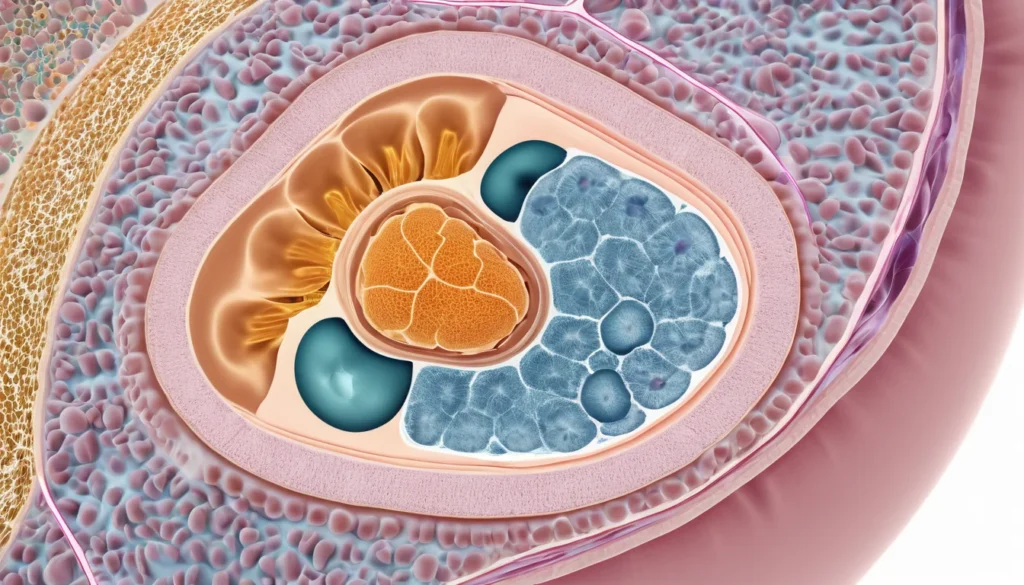
Skin cancer is the most common type of cancer in Canada. It develops when normal skin cells grow out of control, forming a mass called a tumour. The good news is that skin cancer is highly treatable when caught early. This guide will help you understand the warning signs, precancerous conditions, and how to check your own skin at home.
What Is Skin Cancer?
Skin cancer begins when cells in the skin undergo changes that cause them to grow without stopping. As these cells multiply, they form a tumour. Cancerous tumours are called malignant, meaning they can invade nearby tissue and spread to other organs.
The spread of cancer from one part of the body to another is called metastasis. This happens through the blood and lymphatic systems. Catching skin cancer before it reaches this stage makes treatment far more effective.
The Three Main Types of Skin Cancer
There are three main types of skin cancer that Canadians should know about:
Basal cell carcinoma — the most common type. It rarely spreads to other parts of the body but still needs early treatment.
Squamous cell carcinoma — also common. It can spread if left untreated but is usually curable when caught early.
Melanoma — less common but the most dangerous. It spreads quickly and can be fatal without prompt treatment.
According to Health Canada, research estimates that 40 to 50 per cent of fair-skinned people who live to age 65 will develop at least one type of skin cancer in their lifetime.
Warning Signs of Skin Cancer and Melanoma
Melanoma can develop anywhere on the skin. It can appear on normal skin or inside an existing mole that becomes cancerous over time. In men, melanoma most often appears on the trunk, neck, or head. In women, it more commonly develops on the lower legs.
Melanoma can also affect people whose skin has never been exposed to the sun, regardless of skin tone. In people with darker skin, it tends to appear on the palms, soles of the feet, or under the fingernails and toenails.
Key Warning Signs to Watch For
Contact your family doctor or visit a walk-in clinic if you notice any of these changes:
A mole that changes in size, shape, or colour
A mole that bleeds or becomes itchy
A dark lesion on your palms, soles, fingers, or toes
A dark spot on the lining of your mouth, nose, vagina, or anus
Any new growth or skin change that looks unusual
Furthermore, any new or changing spot on your skin deserves attention, even if it does not hurt. Skin cancer does not always cause pain in its early stages.
Precancerous Skin Lesions You Should Know
Some skin changes are not yet cancer but could become cancerous over time. These are called precancerous lesions. Treating them early can prevent skin cancer from developing.
Actinic Keratosis (Solar Keratosis)
Actinic keratosis appears as small, rough, scaly patches on the skin. These are caused by years of sun exposure. They most often appear on the head, neck, and hands — areas that get the most sun.
These patches are a common early warning sign of squamous cell carcinoma. However, it is hard to predict which ones will turn into cancer. Doctors recommend treating them early to be safe. People with fair skin, blond or red hair, and blue or green eyes face the highest risk.
Actinic Cheilitis
Actinic cheilitis is closely related to actinic keratosis. It is a precancerous condition that usually affects the lower lip. The lip may look dry, scaly, and rough.
Less common symptoms include swelling of the lip and a loss of the clear border between the lip and the surrounding skin. If left untreated, actinic cheilitis can develop into invasive squamous cell carcinoma. Therefore, early treatment is important.
Cutaneous Horn
A cutaneous horn is a small, cone-shaped growth made of compacted keratin — the same protein that makes up your nails and hair. These growths are usually only a few millimetres long but can vary in size and shape.
At the base of a cutaneous horn, doctors can sometimes find squamous cell carcinoma. This condition appears most often in older, fair-skinned men with a long history of sun exposure.
Understanding Moles: When Should You Worry?
A mole forms when melanocytes — the cells that give skin its colour — cluster together. Most moles are harmless. However, some atypical moles can develop into melanoma over time.
Normal moles are usually flat or slightly raised, with a smooth and even surface. Most moles develop during childhood and adolescence. In fact, it is unusual for a new mole to appear in adulthood. Any new mole that appears after age 30 is worth showing to a doctor.
Atypical (Dysplastic) Moles
Atypical moles, also called dysplastic nevi, are not necessarily cancerous. However, they carry a higher risk of turning into melanoma. They can appear on both sun-exposed and protected areas of the body.
Atypical moles often have these features:
Larger than a regular mole
Irregular or uneven shape
Ragged or blurry edges
Mixed colours — red, pink, tan, and brown
Surface that is flat, raised, smooth, or rough
As a result, anyone with several atypical moles should have regular skin checks with a family doctor or dermatologist. You can also visit a walk-in clinic to have a new or changing mole assessed quickly.
The ABCDE Method: How to Check Your Skin at Home
The ABCDE method is a simple tool to help Canadians check their moles for signs of skin cancer. Most moles on a person’s body look similar to one another. A mole or freckle that looks different from the rest should be checked by a doctor. This is sometimes called the “ugly duckling” sign.
Use the following guide when examining your skin. For more detail, the Mayo Clinic’s melanoma overview provides a thorough breakdown of each warning sign.
A — Asymmetry
Draw an imaginary line through the middle of the mole. In a normal mole, both halves look the same. If one half looks different from the other, that is asymmetry — a potential warning sign.
B — Border
Healthy moles have smooth, even borders. A mole with ragged, notched, or blurry edges may be a concern. Irregular borders are a common feature of melanoma.
C — Colour
A normal mole is one consistent colour, usually a shade of brown. Be alert to moles that have multiple colours, such as brown, black, red, white, or blue within the same mole.
D — Diameter
Most benign moles are smaller than 6 millimetres — about the size of a pencil eraser. A mole larger than this should be examined by a doctor. However, some melanomas can be smaller, so size alone is not the only factor.
E — Evolution
This is perhaps the most important sign. Any mole that is changing — in size, shape, colour, or behaviour — deserves medical attention. A mole that starts to bleed, itch, or crust should be seen right away.
According to the World Health Organization (WHO), early detection of cancer significantly improves outcomes. Performing regular skin checks at home takes only a few minutes and could save your life.
When to See a Doctor
You should book an appointment with your family doctor if you notice any mole or skin spot that concerns you. Do not wait to see if it goes away on its own. Most provincial health plans in Canada cover visits to your family doctor for skin concerns.
If you do not have a family doctor, a walk-in clinic is a great option. A doctor there can assess your skin and refer you to a dermatologist if needed. Early assessment is always better than waiting.
See a doctor promptly if you notice:
A new mole appearing in adulthood
Any mole that fits the ABCDE warning signs
A skin sore that does not heal within a few weeks
Scaly, rough, or bleeding patches on sun-exposed areas
Any unusual change to your skin that worries you
Please speak with your doctor or a qualified healthcare provider before making any decisions about your health. This article is for informational purposes only and is not a substitute for professional medical advice.
Frequently Asked Questions About Skin Cancer
What does skin cancer look like in its early stages?
Early skin cancer often looks like a new or changing mole, a rough scaly patch, or a sore that does not heal. It may be asymmetrical, have uneven borders, or contain multiple colours. If you notice any unusual skin change, visit your family doctor or walk-in clinic for an assessment.
Can skin cancer appear on skin that hasn’t been in the sun?
Yes, skin cancer, including melanoma, can develop on skin that has never been directly exposed to the sun. It can appear on the palms, soles of the feet, and even under the nails. People of all skin tones can develop skin cancer, regardless of sun exposure history.
How often should I check my skin for signs of skin cancer?
Dermatologists recommend doing a full-body skin self-check once a month. In addition to home checks, it is a good idea to have a professional skin exam from your family doctor every year, especially if you have fair skin, a family history of skin cancer, or many moles.
Is skin cancer covered by provincial health insurance in Canada?
In most Canadian provinces, visits to a family doctor or walk-in clinic to assess a suspicious mole or skin cancer concern are covered by your provincial health plan. Referrals to a dermatologist are also typically covered. Check with your provincial health authority for specific details about your coverage.
What is the difference between melanoma and other types of skin cancer?
Melanoma is the most dangerous form of skin cancer because it spreads to other organs quickly if not caught early. Basal cell and squamous cell carcinomas are more common but tend to stay local and are easier to treat. All three types require medical treatment, but melanoma requires the most urgent attention.
What is actinic keratosis and should I be worried?
Actinic keratosis is a rough, scaly patch on the skin caused by years of sun exposure. It is considered a precancerous lesion, meaning it is not yet skin cancer but could become squamous cell carcinoma over time. Doctors recommend treating it early to prevent it from progressing.
Key Takeaways
Skin cancer is the most common cancer in Canada, but it is highly treatable when detected early.
The three main types are basal cell carcinoma, squamous cell carcinoma, and melanoma. Melanoma is the most dangerous.
Precancerous conditions like actinic keratosis and actinic cheilitis should be treated early to prevent cancer from developing.
Use the ABCDE method — Asymmetry, Border, Colour, Diameter, Evolution — to check your moles regularly at home.
Any mole that is new, changing, or unusual should be seen by a doctor. Your family doctor or local walk-in clinic is a great first step.
Most provincial health plans cover skin assessments. Do not delay seeking care if something concerns you.