Most of us love soaking up the sun — especially after a long Canadian winter. However, too much sun exposure is one of the leading causes of skin cancer, premature aging, and serious skin damage. This article explains how UV rays harm your skin, what skin cancer looks like, and how you can protect yourself and your family every day.
Is the Sun Your Friend or Your Enemy?
The sun feels wonderful. It lifts your mood, warms your skin, and gives you that healthy-looking glow. However, that “healthy glow” can actually be a sign of skin damage.
Experts now agree that a tan caused by overexposure to the sun — or by tanning beds — is a sign that your skin cells are under stress. The tanning process speeds up aging at the cellular level. Furthermore, it creates the conditions where skin cancer can develop.
Climate change and increased pollution have made solar radiation more aggressive than it was decades ago. In the past, a mild sunburn after a day at the beach seemed harmless. Today, health experts classify even a single bad sunburn as a risk factor for skin cancer.
How Sun Exposure Damages Your Skin
The sun produces two main types of ultraviolet (UV) radiation that reach your skin: UVA and UVB rays.
UVA Rays
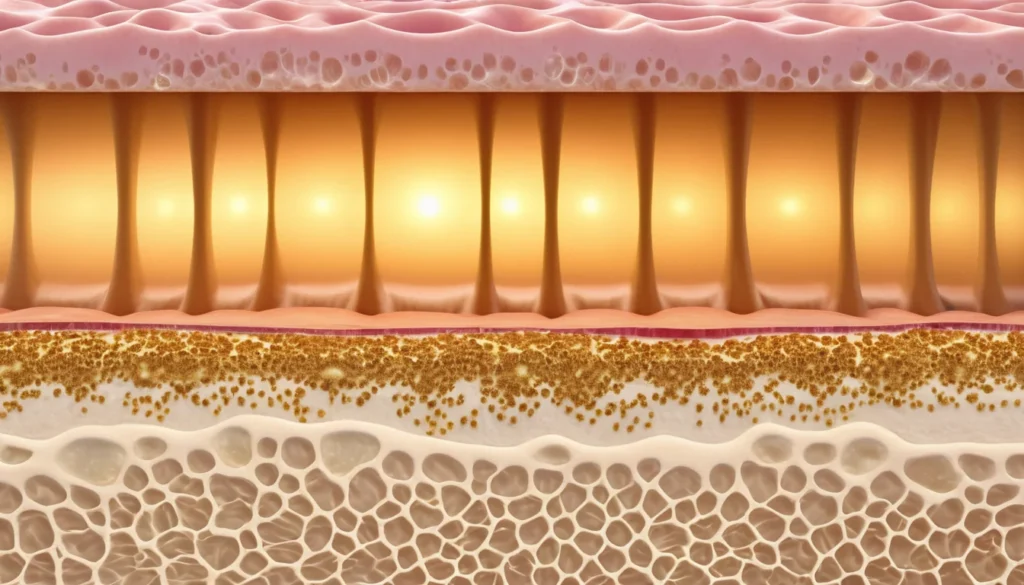
UVA rays penetrate deep into the skin. They are the main cause of premature aging, wrinkles, and tanning. Although their effects seem milder at first, they cause lasting damage over time.
UVB Rays
UVB rays are more intense and sit closer to the skin’s surface. They cause sunburns and play a key role in the development of skin cancer. Both UVA and UVB rays work together to harm your skin, even on cloudy days.
UV radiation is strongest during summer and early autumn. It is also more intense at higher altitudes and closer to the equator. However, you are never fully protected — even on overcast days, natural light still carries UV radiation.
What Does Sun Damage Actually Do to Your Skin?
Over time, UV rays break down key proteins in your skin, including elastin. Elastin keeps your skin firm and elastic. When UV rays destroy it, your skin becomes rough, loses its shape, and wrinkles appear.
Sun damage also affects your skin’s ability to heal itself. Wounds take longer to close, and scars may form more easily. In addition, your skin’s natural defences against physical and environmental stress begin to weaken.
Excessive sun exposure without proper sunscreen is linked to a wide range of visible skin changes, including:
Freckles — clusters of pigmented spots, especially on fair skin
Fine and deep wrinkles — caused by the breakdown of elastin and collagen
Age spots (hyperpigmentation) — dark patches on areas exposed to the sun
Yellowish skin tone — a sign of long-term sun damage
Telangiectasias — small, visible broken blood vessels near the skin’s surface
Elastosis — destruction of the skin’s elastic tissue, which leads to sagging and wrinkling
Benign skin tumours — non-cancerous growths that can still be uncomfortable
Actinic keratosis — a rough, scaly, precancerous patch, more common in people with fair skin
Skin cancer — including basal cell carcinoma, squamous cell carcinoma, and melanoma
According to Health Canada, UV radiation is a major environmental risk factor for skin cancer. Protecting your skin from an early age makes a real difference.
What Causes Skin Cancer?
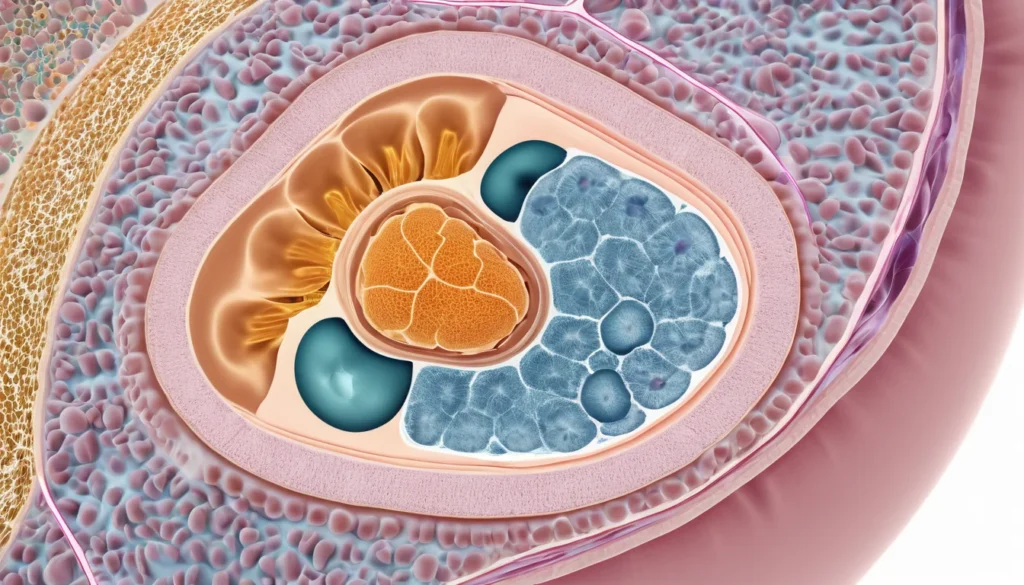
Skin cancer happens when skin cells grow in an abnormal, uncontrolled way. It most often appears in the outer layer of skin, called the epidermis. Because it develops on the surface, many skin cancers are visible to the naked eye — which means they can often be caught early.
The three most common types of skin cancer are named after the cells where they begin.
Basal Cell Carcinoma
Basal cell carcinoma is the most common type of skin cancer. It grows slowly and rarely spreads to other parts of the body. Therefore, it is usually very treatable when found early.
Squamous Cell Carcinoma
Squamous cell carcinoma is the second most common type. It can grow more quickly than basal cell carcinoma. However, it is still highly treatable in its early stages.
Together, basal cell and squamous cell carcinomas make up about 95% of all diagnosed skin cancers. They are sometimes called non-melanoma skin cancers.
Melanoma
Melanoma is the most dangerous form of skin cancer. It develops in the pigment-producing cells called melanocytes. Although it is less common than the other two types, it spreads more quickly and can be life-threatening if not caught early.
For more information on how skin cancer develops, visit the Mayo Clinic’s guide to skin cancer causes and symptoms.
Who Is at Greatest Risk?
Anyone can develop skin cancer, but some people face a higher risk. You may be at greater risk if you:
Have fair skin, light hair, or light-coloured eyes
Have a history of sunburns, especially in childhood
Spend a lot of time outdoors without sun protection
Use or have used tanning beds regularly
Have a family history of skin cancer
Live or work at high altitudes or in sunny regions
Have many moles or unusual-looking moles
Have a weakened immune system
The World Health Organization’s fact sheet on ultraviolet radiation outlines these risk factors in detail and offers global guidance on sun safety.
How to Protect Your Skin Every Day
Sun protection is not just for beach days. Experts recommend daily habits that protect your skin year-round.
Choose the Right Sunscreen
In the past, a sun protection factor (SPF) of 2 or 4 was considered enough. Today, even SPF 15 does not provide full protection. Dermatologists recommend using a broad-spectrum sunscreen with SPF 30 or higher every day — even in autumn and winter.
Broad-spectrum means it protects against both UVA and UVB rays. Apply it generously to all exposed skin, and reapply every two hours when outdoors.
Other Simple Sun Safety Habits
Wear protective clothing, including long sleeves and wide-brimmed hats
Seek shade between 10 a.m. and 4 p.m., when UV rays are strongest
Wear UV-blocking sunglasses to protect the skin around your eyes
Avoid tanning beds entirely — they emit UV radiation that causes the same damage as the sun
Check the UV index in your area before going outdoors — Environment Canada publishes this daily
Interestingly, research suggests that a 40-year-old woman who used sunscreen properly throughout her life can have skin that looks up to 10 years younger. Sun protection is one of the most effective anti-aging tools available.
When to See a Doctor
You should speak with your family doctor or visit a walk-in clinic if you notice any changes to your skin that concern you. Early detection is one of the most important factors in successfully treating skin cancer.
Look for the ABCDEs of skin changes:
A — Asymmetry: One half of a mole does not match the other
B — Border: Edges are ragged, notched, or blurred
C — Colour: Uneven colour, with shades of brown, black, pink, red, or white
D — Diameter: Larger than 6 mm (about the size of a pencil eraser)
E — Evolving: A mole or spot that is changing in size, shape, or colour
In Canada, your provincial health plan covers visits to your family doctor for skin concerns. If you do not have a family doctor, walk-in clinics across the country can assess suspicious skin changes and refer you to a dermatologist if needed. Do not wait — when it comes to skin cancer, catching it early saves lives.
Always consult a qualified healthcare provider before making decisions about your skin health. The information in this article is for general educational purposes only and does not replace professional medical advice.
Frequently Asked Questions About Skin Cancer
What are the early signs of skin cancer?
Early signs of skin cancer include new moles, spots that change in size or colour, and sores that do not heal. Look for asymmetry, uneven borders, or multiple colours in a mole. If you notice any of these changes, speak with your family doctor or visit a walk-in clinic as soon as possible.
Can you get skin cancer from tanning beds?
Yes, tanning beds emit UV radiation that causes the same type of skin damage as the sun. Regular use of tanning beds significantly increases your risk of developing skin cancer, including melanoma. Health experts strongly recommend avoiding tanning beds altogether.
What SPF sunscreen should I use to prevent skin cancer?
Dermatologists recommend using a broad-spectrum sunscreen with an SPF of 30 or higher every day to help reduce your risk of skin cancer. Apply it to all exposed skin and reapply every two hours when outdoors. Even on cloudy days, UV radiation can still reach and damage your skin.
Is skin cancer covered by provincial health plans in Canada?
Yes, diagnosis and treatment of skin cancer is generally covered under provincial health plans across Canada. You can start by seeing your family doctor or visiting a walk-in clinic, who can refer you to a dermatologist if needed. Coverage details may vary by province, so check with your local health authority.
Does skin cancer only appear in sunny months?
No — skin cancer risk exists year-round, not just in summer. UV radiation is still present in early autumn and even on overcast days. Wearing sunscreen and protective clothing in all seasons is an important part of reducing your long-term skin cancer risk.
What is the most dangerous type of skin cancer?
Melanoma is the most dangerous type of skin cancer because it spreads quickly and can reach other organs if not caught early. However, basal cell carcinoma and squamous cell carcinoma are far more common and are usually very treatable when detected early. Regular skin checks are key to catching any type of skin cancer in time.
Key Takeaways
Too much sun exposure is the leading cause of skin cancer and premature skin aging
Both UVA and UVB rays damage your skin — even on cloudy days and in autumn
The three most common types of skin cancer are basal cell carcinoma, squamous cell carcinoma, and melanoma
Use a broad-spectrum SPF 30+ sunscreen every day, wear protective clothing, and avoid tanning beds
Check your skin regularly using the ABCDE method and report any changes to your doctor
In Canada, your family doctor or a walk-in clinic can assess skin concerns and refer you to a dermatologist if needed
Early detection dramatically improves outcomes — do not wait to get a suspicious spot checked