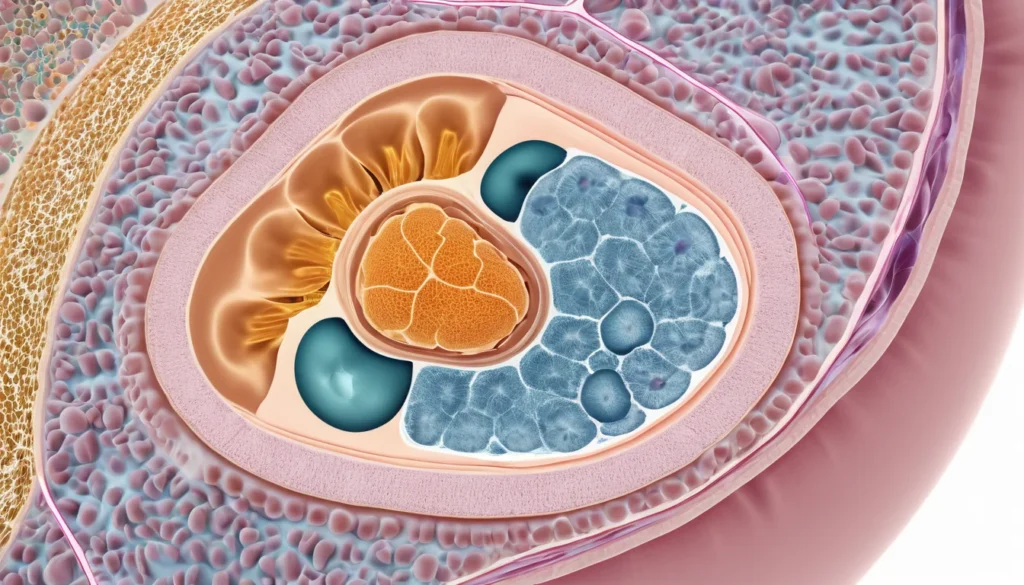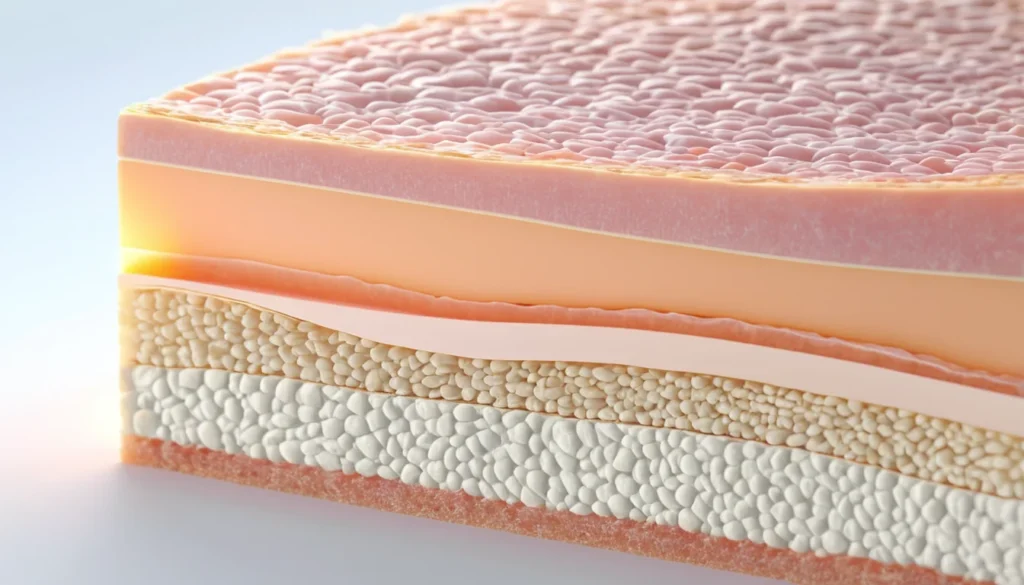
A skin biopsy is one of the most reliable tools doctors use to diagnose skin cancer and other skin conditions. During this procedure, a small sample of skin is removed and examined under a microscope. It is commonly performed by a dermatologist and is considered a safe, minimally invasive procedure. Understanding what a skin biopsy involves can help you feel more prepared if your doctor recommends one.
What Is a Skin Biopsy?
A skin biopsy involves removing a small piece of skin tissue for laboratory testing. A pathologist — a doctor who specializes in analyzing tissue — examines the sample to look for signs of disease. Results are typically ready within 7 to 10 days, depending on the complexity of the case.
After the sample is collected, it is placed in a sterile container or a preserving solution such as formaldehyde. This prevents contamination and keeps the sample stable during transport to the laboratory. Proper handling is essential, because a poorly collected or stored sample may give inaccurate results.
Skin biopsies are the gold standard for diagnosing skin cancer in Canada and around the world. They can also help rule out other conditions, giving your doctor a clear and confident diagnosis. According to Health Canada, skin cancer is among the most commonly diagnosed cancers in the country.
Types of Skin Biopsy
There are several types of skin biopsy. Your doctor will choose the right one based on the size, location, and appearance of the skin lesion being investigated.
Shave Biopsy
A shave biopsy removes the top layers of skin using a small blade. This method works well for raised growths or lesions on the surface of the skin. It does not usually require stitches.
Punch Biopsy
A punch biopsy uses a small circular tool to remove a deeper, cylindrical piece of skin. This is one of the most common methods used in Canadian dermatology clinics. It may require one or two stitches to close the wound.
Excisional Biopsy
An excisional biopsy removes an entire lesion, along with a small border of healthy skin around it. This method is often used when skin cancer is strongly suspected. In some cases, it serves both a diagnostic and a treatment purpose — the cancerous tissue is fully removed during the procedure.
Incisional Biopsy
An incisional biopsy removes only part of a larger lesion. Doctors use this approach when a growth is too large to remove completely in one step. Further treatment is planned once the diagnosis is confirmed.
Why a Skin Biopsy Is Performed
A skin biopsy helps doctors make a definite diagnosis when a skin lesion looks unusual or does not respond to standard treatment. There are several common reasons your doctor may recommend one.
These reasons include:
Diagnosing skin conditions such as psoriasis or dermatitis
Identifying precancerous lesions such as actinic keratosis — rough, scaly patches caused by years of sun exposure
Determining whether a suspicious mole or growth is benign (non-cancerous) or malignant (cancerous)
Diagnosing fungal or bacterial skin infections
Confirming a diagnosis of bullous pemphigoid — a blistering skin disorder
Furthermore, a skin biopsy is especially important when a mole or skin patch changes quickly in colour, size, or shape. Any lesion that bleeds, ulcerates, or appears without a clear cause should be evaluated promptly. The earlier a problem is found, the better the outcome tends to be.
How to Prepare for a Skin Biopsy
In most cases, you do not need to follow a special diet or do anything specific before a skin biopsy. However, there are important things to tell your doctor before the procedure takes place.
Make sure to inform your doctor if you:
Take blood-thinning medications such as warfarin, heparin, or aspirin. These drugs can affect your body’s ability to stop bleeding. Your doctor will advise you on whether to continue or adjust your dose.
Use long-term steroid medications such as prednisone, which can interfere with how the biopsy results appear under the microscope
Bleed heavily from minor cuts or injuries, as this may signal a clotting disorder that needs to be assessed first
Have any allergies — to antibiotics, anti-inflammatory drugs, or any other substances, including local anaesthetics
Are pregnant or think you might be pregnant
Before the procedure begins, your doctor or healthcare provider will ask you to sign a consent form. This is standard practice across Canadian healthcare settings. Your doctor will explain the procedure, its risks, and its benefits before you sign. You are encouraged to ask questions and share any concerns you may have.
What Happens During a Skin Biopsy
A skin biopsy is typically performed in a dermatologist’s office, a medical clinic, or a hospital outpatient centre. The procedure is usually quick and straightforward.
First, the doctor cleans the area of skin being biopsied. Then, a local anaesthetic is injected to numb the area so you do not feel pain during the procedure. Most patients feel only a small pinch from the needle.
Once the skin is numb, the doctor removes the tissue sample using the appropriate method — shave, punch, excisional, or incisional. The sample is then placed in a sterile container and sent to a pathology laboratory for analysis. Depending on the biopsy type, the area may be closed with stitches or left to heal on its own.
The entire procedure usually takes less than 30 minutes. You can go home the same day. For more detailed information on what to expect, Mayo Clinic’s guide on skin biopsy offers a helpful overview.
Skin Biopsy and Skin Cancer in Canada
Skin cancer is one of the most common cancers diagnosed in Canada. The main risk factor is excessive exposure to ultraviolet (UV) radiation — from the sun or tanning beds. A skin biopsy is the definitive way to confirm whether a suspicious lesion is cancerous.
Signs that a mole or skin growth may need a biopsy include:
A sudden change in colour, including areas that become darker or uneven
A mole that grows quickly or changes shape
A sore that bleeds, crusts over, or does not heal
A new growth that appears without any obvious injury or cause
Some forms of skin cancer have very few early symptoms. However, when they are caught early, they are often highly treatable. The World Health Organization notes that early detection significantly improves cancer outcomes. This is why regular skin checks and prompt investigation of unusual lesions matter so much.
When to See a Doctor
You should speak with your family doctor if you notice any unusual changes on your skin — especially a mole that changes colour or shape, a sore that will not heal, or a new growth that appears for no reason. Your family doctor can refer you to a dermatologist if a skin biopsy is needed.
If you do not have a family doctor, a walk-in clinic is a good first step. Walk-in clinics across Canada can assess skin concerns and provide referrals when necessary. Most provinces also offer telehealth services where you can speak with a nurse or doctor by phone or video.
Do not wait to get a suspicious lesion checked. Early diagnosis leads to better treatment options and a greater chance of full recovery. As always, speak with a qualified healthcare professional before making any decisions about your health.
Frequently Asked Questions About Skin Biopsy
Is a skin biopsy painful?
A skin biopsy is performed under local anaesthetic, so most patients feel little to no pain during the procedure. You may feel a small sting when the freezing needle is inserted, but the biopsy itself should be comfortable. After the anaesthetic wears off, mild soreness at the site is normal and usually short-lived.
How long does it take to get skin biopsy results in Canada?
Skin biopsy results are typically available within 7 to 10 business days. The timeline can vary depending on the complexity of the sample and the laboratory’s workload. Your doctor will contact you once the results are ready to discuss next steps.
Will a skin biopsy leave a scar?
A small scar is possible after a skin biopsy, especially with deeper techniques such as a punch or excisional biopsy. The scar is usually small and fades over time. Your doctor will give you care instructions to help the area heal as well as possible.
Does provincial health insurance cover a skin biopsy in Canada?
In most cases, a medically necessary skin biopsy is covered by provincial health plans across Canada. Coverage may vary depending on your province and the reason for the procedure. It is a good idea to confirm with your provincial health plan or your doctor’s office before your appointment.
What should I do to care for the biopsy site after the procedure?
After a skin biopsy, keep the area clean and dry as directed by your doctor. Avoid soaking the site in water — such as in a bath or pool — until it has healed. Watch for signs of infection such as increasing redness, swelling, or discharge, and contact your doctor if these appear.
Can a skin biopsy detect melanoma?
Yes, a skin biopsy is the primary method used to diagnose melanoma and other forms of skin cancer. If a mole or lesion looks suspicious, your doctor will recommend a biopsy to get a definitive answer. Early detection through a skin biopsy significantly improves treatment outcomes for melanoma.
Key Takeaways
A skin biopsy removes a small piece of skin for laboratory analysis to diagnose skin cancer and other conditions.
There are four main types: shave, punch, excisional, and incisional — each suited to different lesions.
The procedure is done under local anaesthetic and is generally quick and well-tolerated.
Tell your doctor about all medications you take, especially blood thinners or steroids, before the procedure.
Results are usually ready in 7 to 10 days and are reviewed with your doctor.
Skin cancer is common in Canada — early detection through a biopsy greatly improves treatment success.
If you notice an unusual mole or skin change, speak with your family doctor or visit a walk-in clinic promptly.