A skin abscess is a tender, swollen lump filled with pus that forms when bacteria get trapped under your skin. It can appear almost anywhere on your body and grows quickly if left untreated. Understanding what causes a skin abscess — and when to seek care — can help you recover faster and avoid serious complications. This article explains everything everyday Canadians need to know.
What Is a Skin Abscess?
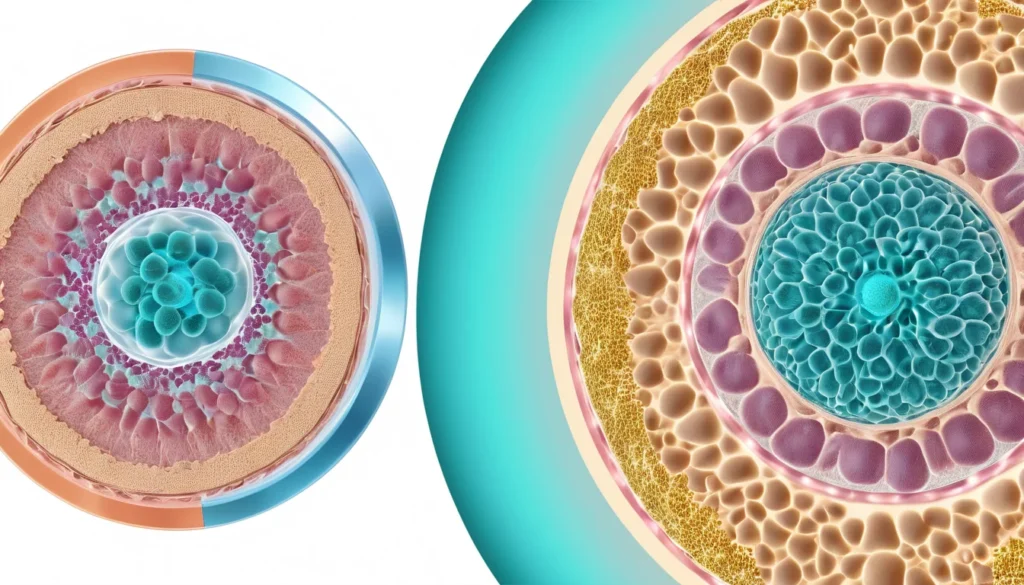
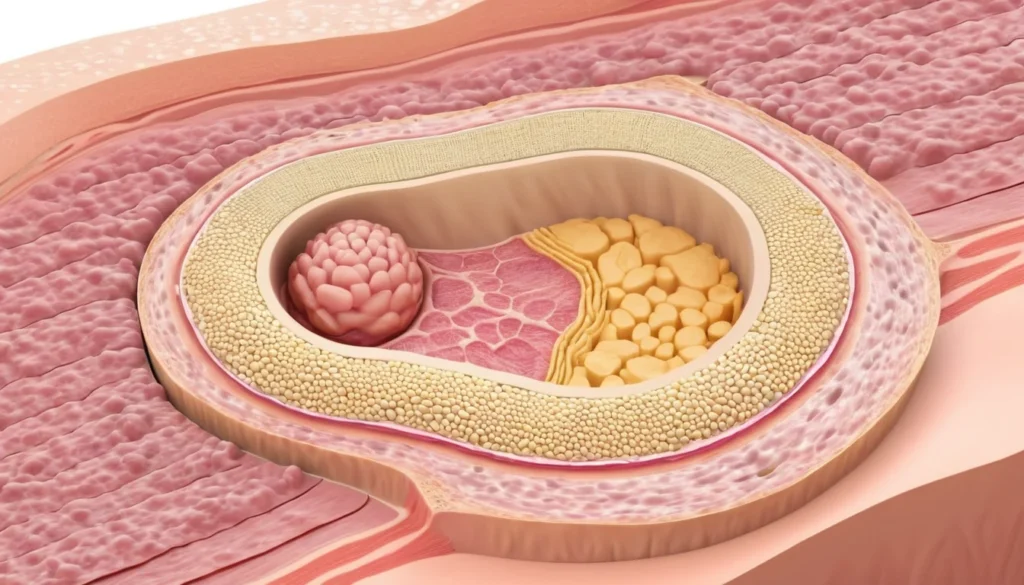
A skin abscess is a collection of pus that builds up inside a pocket in your body’s tissue. Your immune system sends infection-fighting cells to the area, and the resulting fluid — pus — becomes trapped. The abscess then forms a wall around itself, separating the infection from surrounding healthy tissue.
Abscesses are very common. Most are harmless when treated promptly, but some can become dangerous if the infection spreads. According to Health Canada, bacterial skin infections are among the most frequent reasons Canadians visit walk-in clinics each year.
There are two main types of skin abscesses. A superficial abscess forms close to the surface of the skin and is usually easier to treat. A deep abscess forms in muscle or other internal tissue and often requires imaging and more involved treatment.
What Causes a Skin Abscess?
The most common cause of a skin abscess is a bacterial infection. The bacteria most often responsible include Staphylococcus (staph) and Streptococcus (strep). These bacteria can enter your body through a small cut, a puncture wound, an insect bite, or even a hair follicle.
Once bacteria get under the skin, your body responds with inflammation. White blood cells rush to the area to fight the infection. As a result, pus builds up and the abscess begins to form.
In some cases, a tiny organism called Entamoeba histolytica — a type of amoeba — can cause an abscess to develop in the liver. However, this is far less common and usually linked to travel in certain parts of the world.
How Do Bacteria Spread Through the Body?
Bacteria travel through your bloodstream or lymphatic system. Sometimes they reach a part of the body where they become trapped in the tissue. Once trapped, they begin to multiply and trigger an infection. This is why abscesses can occasionally form deep inside the body, far from any visible wound.
People with weakened immune systems, diabetes, or poor circulation face a higher risk of developing a skin abscess. In these cases, the body has a harder time containing the infection before an abscess fully forms.
Recognising the Symptoms of a Skin Abscess
A skin abscess usually develops quickly — sometimes within a day or two. It is important to know the warning signs so you can act fast. The sooner you get treatment, the better your chances of a smooth recovery.
Common local symptoms include:
Redness around the affected area
Warmth when you touch the skin
Swelling that may grow rapidly
Pain that can range from mild to severe
A soft or fluctuant feeling when you press on the lump, which means pus is moving inside
In addition to these local signs, a skin abscess can also cause whole-body symptoms. These general symptoms tell you the infection is affecting more than just the skin.
General Symptoms to Watch For
General symptoms of a skin abscess may include:
Fever and chills
Fatigue or feeling unwell
Insomnia or difficulty sleeping due to pain
Swollen lymph nodes near the abscess site, a condition called lymphadenopathy
Swollen lymph nodes are a sign that your immune system is working hard. Furthermore, if you notice the swelling spreading beyond the original lump, or if your fever gets worse, seek medical care right away. These signs may indicate that the infection is spreading into surrounding tissue.
How a Skin Abscess Progresses
Not every skin abscess follows the same path. Understanding how an abscess can evolve helps you make smart decisions about your health.
A skin abscess may do one of three things over time:
Resolve on its own — In mild cases, your immune system may reabsorb the infection without treatment. However, this is not common and should not be counted on.
Become encapsulated — The abscess may wall itself off into a cyst-like structure. This can reduce immediate symptoms but may still require drainage later.
Rupture or spread — The abscess may burst into surrounding tissue, a process called fistulisation. This can make the infection much harder to treat.
As the abscess grows, the pressure inside increases. This causes an intermittent, throbbing pain that many people describe as pulsing. If the abscess is close to the surface, a doctor can often feel the movement of pus inside when they gently press on it.
Can a Skin Abscess Become Dangerous?
Yes — in some cases, a skin abscess can lead to serious complications. If the bacteria spread widely through the surrounding tissue, it can cause a condition called cellulitis or, in severe cases, a diffuse phlegmon. This is a spreading infection that has no clear boundary and is harder to treat.
In rare but serious situations, the bacteria can enter the bloodstream and travel to other parts of the body. This is called bacteraemia or sepsis. According to the Mayo Clinic’s overview of abscesses, people with diabetes, compromised immunity, or poor overall health face the greatest risk of these complications.
Treatment Options for a Skin Abscess
The most effective treatment for a skin abscess is drainage. Pus needs to be released for the infection to clear properly. The method your doctor uses depends on how deep the abscess is and how large it has become.
Treating a Superficial Skin Abscess
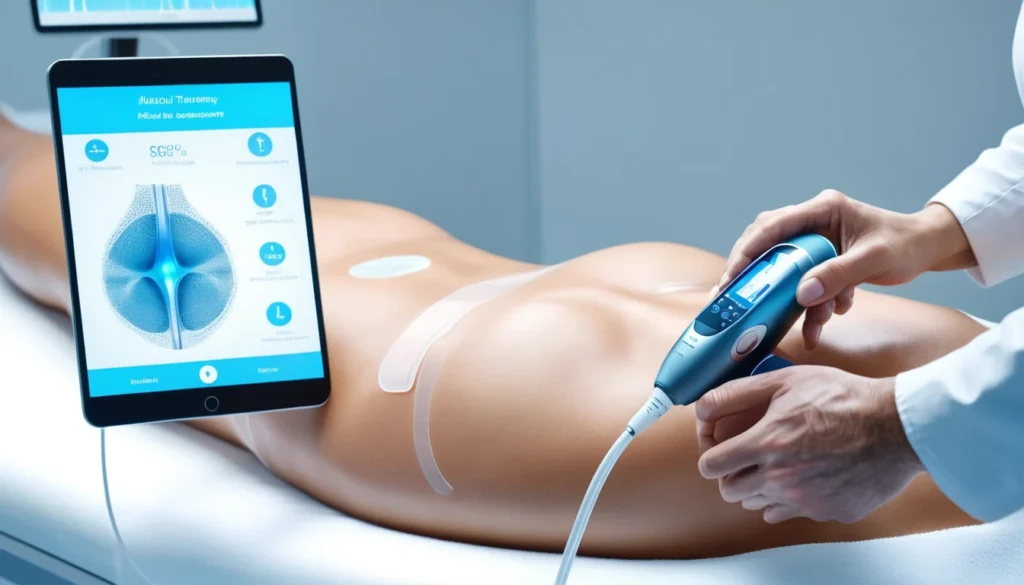
For abscesses close to the skin’s surface, the standard treatment is a minor surgical procedure. Your doctor will make a small incision in the abscess, drain the pus, and clean out the cavity. This is usually done under local anaesthetic and can be performed at a walk-in clinic or a family doctor’s office.
Before the abscess fully forms, warm compresses and antibiotics may be enough to reduce the inflammation and stop it in its tracks. However, this approach does not always work. In some cases, antibiotic treatment alone can transform an acute abscess into a chronic one that is much harder to resolve.
Therefore, always follow your doctor’s advice closely. Do not try to drain an abscess yourself at home. Squeezing or cutting an abscess without sterile equipment can push the infection deeper and make things worse.
Treating a Deep Skin Abscess
Deep abscesses require more specialised care. A doctor may drain the abscess using a needle guided by ultrasound or a CT scan. This approach — called image-guided drainage — allows precise targeting without open surgery. In other cases, traditional surgery may be needed to access and fully clear the infection.
After drainage, your doctor may prescribe a course of antibiotics to prevent the infection from returning. The type of antibiotic prescribed depends on which bacteria caused the infection. For more information on how bacterial infections are treated in Canada, visit Healthline’s guide to abscess treatment.
Recovery After Treatment
With proper treatment, most skin abscesses heal quickly. Many people feel significant relief within 24 to 48 hours of drainage. However, full healing of the skin and tissue underneath can take one to two weeks depending on the size of the abscess.
Keep the wound clean and follow all aftercare instructions from your healthcare provider. Attend any follow-up appointments your doctor schedules to make sure the infection has fully cleared.
When to See a Doctor
If you notice a swollen, red, painful lump on your skin, it is always a good idea to have it checked. A skin abscess will not always go away on its own, and waiting too long can lead to a much more serious infection.
You should contact your family doctor or visit a walk-in clinic as soon as possible if:
The lump is larger than a centimetre or growing rapidly
You develop a fever above 38°C (100.4°F)
The redness is spreading beyond the lump itself
You have diabetes, a weakened immune system, or any chronic illness
The pain is severe or you feel generally unwell
The abscess is on your face, spine, or near your groin
If you are not sure whether your symptoms need urgent care, most provincial health plans in Canada offer nurse hotline services. In Ontario, you can call Health811. In British Columbia, call 8-1-1. These services can help you decide whether to go to a walk-in clinic, your family doctor, or an emergency room.
Always consult a qualified healthcare provider before starting any treatment. Only a doctor can properly diagnose a skin abscess and recommend the right course of action for your specific situation.
Frequently Asked Questions About Skin Abscesses
Can a skin abscess go away on its own without treatment?
In very mild cases, a small skin abscess may resolve on its own as your immune system fights off the infection. However, most abscesses require drainage to heal properly and prevent the infection from spreading. It is always safer to see a family doctor or visit a walk-in clinic rather than waiting it out.
Is a skin abscess contagious?
A skin abscess itself is not contagious, but the bacteria inside it — such as staph or strep — can spread through direct contact with the pus. Always wash your hands thoroughly after touching the area, and avoid sharing towels or clothing. Cover the abscess with a clean dressing until it has fully healed.
Should I put a warm compress on a skin abscess?
Applying a warm compress to a skin abscess in its early stages may help bring it to a head and encourage natural drainage. However, a warm compress alone is rarely enough to clear the infection fully. See a doctor for proper drainage, especially if the abscess is large, painful, or accompanied by fever.
How long does it take for a skin abscess to heal after drainage?
Most people notice significant improvement within one to two days after a skin abscess is drained. Full healing of the skin and underlying tissue typically takes one to two weeks. Your doctor may prescribe antibiotics to support recovery and prevent the infection from coming back.
Can I drain a skin abscess at home?
You should not try to drain a skin abscess at home. Squeezing or cutting the abscess without sterile equipment can push bacteria deeper into your tissue or introduce a new infection. A doctor can drain it safely and cleanly, usually with a simple procedure at a clinic.
Do I need antibiotics for a skin abscess?
Not every skin abscess requires antibiotics — drainage is often the primary treatment. However, your doctor may prescribe antibiotics if the infection is spreading, if you have a weakened immune system, or if you have conditions like diabetes. Always follow your doctor’s recommendation rather than taking leftover antibiotics on your own.
Key Takeaways
A skin abscess is a pocket of pus caused most often by staph or strep bacteria entering the skin through a cut, wound, or hair follicle.
Symptoms include redness, warmth, swelling, pain, fever, chills, and swollen lymph nodes.
Drainage is the most effective treatment — either through a minor clinic procedure or image-guided needle drainage for deeper abscesses.
Warm compresses and antibiotics may help in the very early stages, but are not always enough on their own.
People with diabetes, weakened immunity, or serious illness face a higher risk of complications.
Visit your family doctor or a walk-in clinic promptly if you suspect a skin abscess, especially if you have a fever or the redness is spreading.
Most skin abscesses heal quickly with proper treatment, but always follow up with your healthcare provider to confirm the infection has fully cleared.