Sjögren’s syndrome is an autoimmune condition that affects the whole body, causing the immune system to attack its own moisture-producing glands. The result is persistent dryness — most often in the eyes and mouth — that can significantly affect daily life. In Canada, this condition is underdiagnosed, yet experts estimate it affects between 0.1% and 4% of the population. This article explains what Sjögren’s syndrome is, what causes it, how it is diagnosed, and what treatment options are available to help manage symptoms.
What Is Sjögren’s Syndrome?
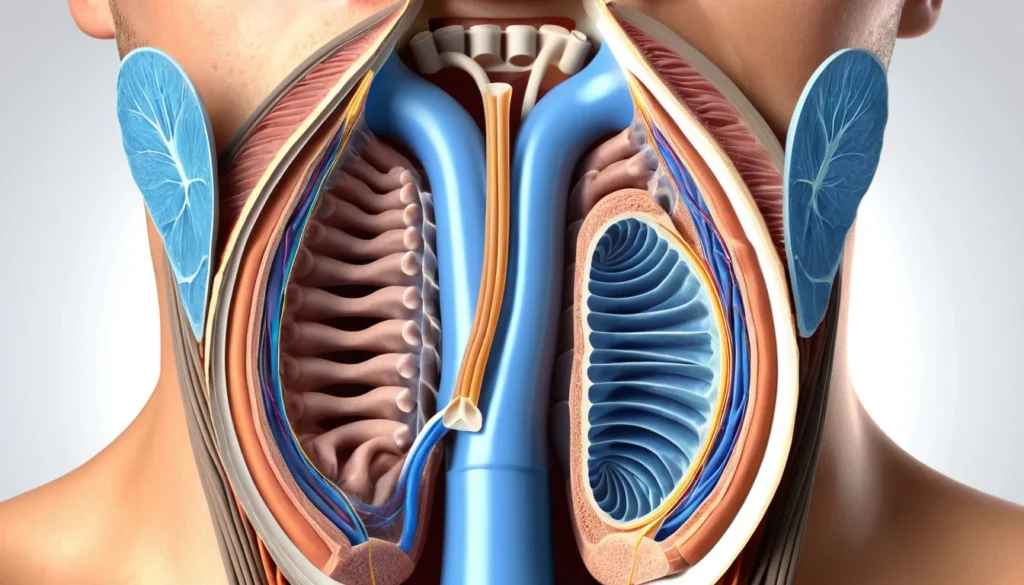
Sjögren’s syndrome is a chronic autoimmune disease. In people with this condition, white blood cells called lymphocytes mistakenly attack the body’s exocrine glands — the glands responsible for producing saliva, tears, and other secretions.
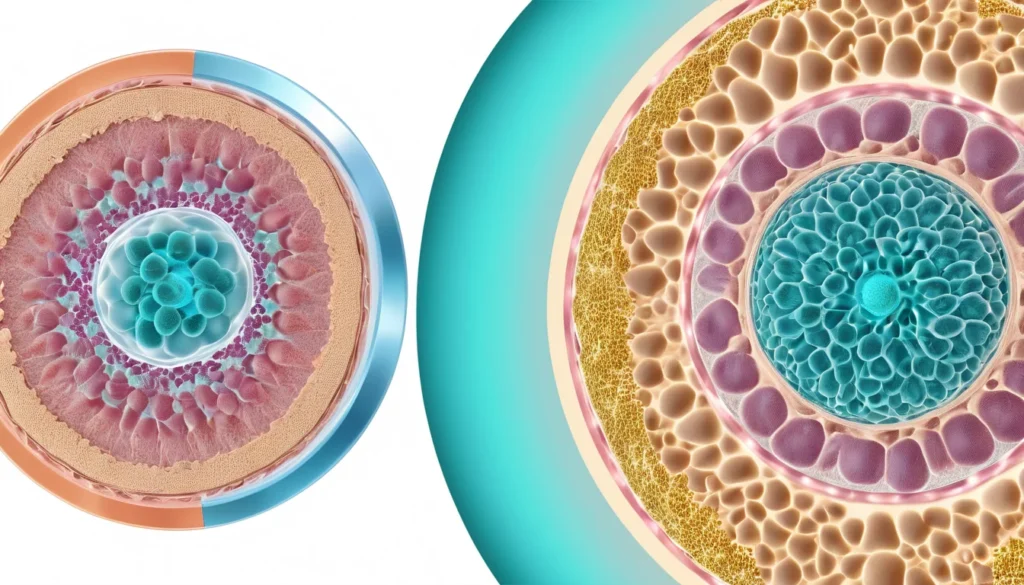
Over time, this ongoing attack causes scar tissue to form inside the glands. As a result, the glands lose their ability to function properly. Eventually, this leads to the hallmark symptoms of dry eyes and dry mouth.
Sjögren’s syndrome rarely appears on its own. It often occurs alongside other autoimmune conditions, such as rheumatoid arthritis, lupus, or scleroderma. For this reason, doctors recognise two distinct types.
Primary vs. Secondary Sjögren’s Syndrome
Primary Sjögren’s syndrome develops on its own, without another autoimmune disease being present. Secondary Sjögren’s syndrome occurs alongside an existing autoimmune condition, such as rheumatoid arthritis or systemic lupus erythematosus.
Secondary Sjögren’s syndrome can be harder to diagnose. Its symptoms often overlap with those of the accompanying condition, making it difficult for doctors to identify each disease separately.
Who Gets Sjögren’s Syndrome?
Sjögren’s syndrome can develop at any age and in both men and women. However, it is far more common in women over the age of 40. In fact, women are nine times more likely than men to develop this condition.
Because it is often mistaken for other conditions — or its symptoms are dismissed as simple dryness — many Canadians live with Sjögren’s syndrome for years before receiving a proper diagnosis. If you have had persistent dry eyes or a dry mouth for more than three months, it is worth speaking with your family doctor.
According to Mayo Clinic’s overview of Sjögren’s syndrome, this condition affects millions of people worldwide, yet awareness remains low in the general population.
Causes of Sjögren’s Syndrome
Experts do not yet fully understand what causes Sjögren’s syndrome. Most specialists believe the cause is multifactorial — meaning several different factors work together to trigger the condition.
Genetic Factors
Sjögren’s syndrome can run in families. If a close relative has had this condition or another autoimmune disease, your own risk may be higher. Researchers believe certain genes create a predisposition, though genes alone are not enough to trigger the disease.
Hormonal Factors
Because women are so much more likely to develop Sjögren’s syndrome, scientists have explored the role of oestrogen. Some theories suggest that hormonal changes may influence how the immune system behaves. However, the link between oestrogen and Sjögren’s syndrome is not yet fully confirmed by research.
Viral Triggers
Certain viral infections may play a role in triggering Sjögren’s syndrome in people who are already genetically predisposed. Viruses such as HIV, HTLV-1, and hepatitis C have been found more frequently in people diagnosed with this condition.
The theory is that an initial viral infection causes the immune system to overreact. This abnormal immune response then leads to the production of harmful molecules — called cytokines and chemokines — that fuel ongoing inflammation and eventually destroy gland tissue.
Research published through Health Canada’s health information resources continues to support the importance of understanding autoimmune triggers in the Canadian population.
Symptoms of Sjögren’s Syndrome
The most recognisable symptoms of Sjögren’s syndrome are dry eyes and dry mouth. Together, these are often called sicca symptoms — from the Latin word for “dry.” To be considered significant, these symptoms must persist for at least three months.
Dry Mouth (Xerostomia)
With reduced saliva production, many people find it difficult to chew, swallow, or even speak comfortably. Saliva plays a critical role in protecting the teeth and helping with digestion. Without enough of it, people with Sjögren’s syndrome are at higher risk of tooth decay and gum disease.
Some people describe a sticky or burning sensation in the mouth. Others notice that food tastes different, or that they need to sip water constantly just to speak clearly.
Dry Eyes (Xerophthalmia)
Dry eyes are another defining symptom of Sjögren’s syndrome. Many people experience a gritty, itchy, or burning feeling in their eyes. Some describe the sensation as having sand in their eyes.
In more severe cases, reduced tear production can damage the surface of the eye over time. This makes regular eye check-ups especially important for people living with this condition.
Other Symptoms
Sjögren’s syndrome can also cause symptoms beyond the eyes and mouth. These may include:
Joint pain and swelling
Persistent fatigue
Dry skin or skin rashes
A dry cough or difficulty swallowing
Vaginal dryness
Numbness or tingling in the hands and feet
Furthermore, about one-third of people with Sjögren’s syndrome develop symptoms that affect organs beyond the glands — such as the kidneys, lungs, liver, or nervous system. These are called extraglandular manifestations and require close medical monitoring.
How Is Sjögren’s Syndrome Diagnosed?
Diagnosing Sjögren’s syndrome can take time. Its symptoms overlap with many other conditions, including menopause, medication side effects, allergies, and other autoimmune diseases. However, a thorough assessment by your doctor can usually uncover the cause.
It is important to note that some common medications — particularly antihistamines and certain antidepressants — can also cause dry eyes and dry mouth. Your doctor will consider this before concluding that Sjögren’s syndrome is the cause.
Diagnostic Steps
Your doctor will begin by reviewing your full medical history, including how long you have had symptoms and whether autoimmune conditions run in your family. This conversation is a key first step.
From there, your doctor may order a combination of tests, which can include:
Blood tests — to detect specific antibodies associated with Sjögren’s syndrome (anti-SSA and anti-SSB antibodies)
Eye tests — such as the Schirmer’s test, which measures tear production
Saliva flow tests — to measure how much saliva your glands are producing
Lip biopsy — a small sample of salivary gland tissue may be taken and examined under a microscope
In Canada, your family doctor can order many of these tests and refer you to a specialist — such as a rheumatologist or ophthalmologist — through your provincial health plan if further investigation is needed.
Treatment Options for Sjögren’s Syndrome
There is currently no cure for Sjögren’s syndrome. However, effective treatment plans can control symptoms, slow progression, and protect quality of life. Your doctor will tailor a plan to your specific needs.
Managing Dry Eyes
Over-the-counter artificial tear drops are a common first step for managing dry eyes. For more severe cases, prescription eye drops or punctal plugs — tiny devices that block the tear ducts to keep moisture in the eye — may be recommended by your eye doctor.
Managing Dry Mouth
Staying well hydrated is essential. Your doctor may also suggest saliva substitutes or prescription medications that stimulate saliva production. Regular dental check-ups are strongly advised, as dry mouth significantly increases the risk of cavities.
Managing Systemic Symptoms
For joint pain, fatigue, or organ involvement, your doctor may recommend medications such as hydroxychloroquine (an anti-malarial drug commonly used in autoimmune conditions). In more serious cases, immunosuppressive medications may be necessary.
For general guidance on living with autoimmune conditions, Healthline’s guide to Sjögren’s syndrome offers practical tips alongside medical information.
When to See a Doctor
You should speak with your family doctor if you have experienced dry eyes or a dry mouth for more than three months — especially if no obvious cause (such as a new medication) explains the dryness. Your family doctor is the right starting point for assessment and referral.
If you do not have a family doctor, a walk-in clinic can provide an initial evaluation and help connect you with the appropriate specialist through your provincial health system. Most provinces cover specialist referrals under their public health plans, so cost should not be a barrier to getting answers.
Seek care promptly if you notice significant changes in your vision, difficulty swallowing, or signs of joint inflammation alongside your dryness symptoms. These may indicate that the condition is progressing or affecting other systems in the body.
Always speak with a qualified healthcare provider before making any decisions about your health. This article is for informational purposes only and does not replace professional medical advice.
Frequently Asked Questions About Sjögren’s Syndrome
Is Sjögren’s syndrome a serious condition?
Sjögren’s syndrome itself is not life-threatening in most cases. However, when it occurs alongside other autoimmune conditions — such as rheumatoid arthritis or primary biliary cirrhosis — it can become more serious. With proper management, most people with Sjögren’s syndrome lead full, active lives.
Can Sjögren’s syndrome be cured?
There is currently no cure for Sjögren’s syndrome. However, symptoms can be effectively managed with the right treatment plan developed alongside your doctor. Research into new therapies for autoimmune conditions like Sjögren’s syndrome is ongoing.
What are the early signs of Sjögren’s syndrome?
The earliest signs of Sjögren’s syndrome are typically persistent dry eyes and dry mouth lasting more than three months. Some people also notice difficulty swallowing, a burning sensation in the eyes, or increased dental cavities. If you recognise these symptoms, speak with your family doctor.
Does Sjögren’s syndrome affect life expectancy?
In most cases, Sjögren’s syndrome does not significantly reduce life expectancy on its own. The greatest risk comes from associated autoimmune conditions that can develop over time. Regular monitoring by your healthcare team is key to catching any complications early.
Is Sjögren’s syndrome hereditary?
Sjögren’s syndrome does appear to run in families, suggesting a genetic component. However, having a family member with the condition does not mean you will definitely develop it. Environmental and hormonal factors are also believed to play a role in triggering the disease.
Can men get Sjögren’s syndrome?
Yes, men can develop Sjögren’s syndrome, though it is far less common in men than in women. The condition affects women nine times more often than men, and it most frequently appears after the age of 40. Men with unexplained dry eyes and dry mouth should also discuss Sjögren’s syndrome with their doctor.
Key Takeaways
Sjögren’s syndrome is a chronic autoimmune condition that attacks the body’s moisture-producing glands.
The most common symptoms are dry eyes and dry mouth lasting more than three months.
It affects women nine times more often than men, and most commonly those over age 40.
The cause is likely a combination of genetic, hormonal, and viral factors.
There is no cure, but symptoms can be well managed with the right treatment plan from your healthcare team.
In Canada, your family doctor or walk-in clinic is the right first step for assessment and specialist referral through your provincial health plan.
Always consult a qualified healthcare provider for a proper diagnosis and personalised treatment advice.