Sinusitis is one of the most common reasons Canadians visit their family doctor or a walk-in clinic each year. It happens when the hollow spaces behind your nose, cheeks, and forehead — called sinuses — become inflamed and swollen. This swelling can be short-lived and intense, or it can drag on for months. Understanding the difference, and knowing when to get help, can make a real difference in how quickly you feel better.
What Is Sinusitis?
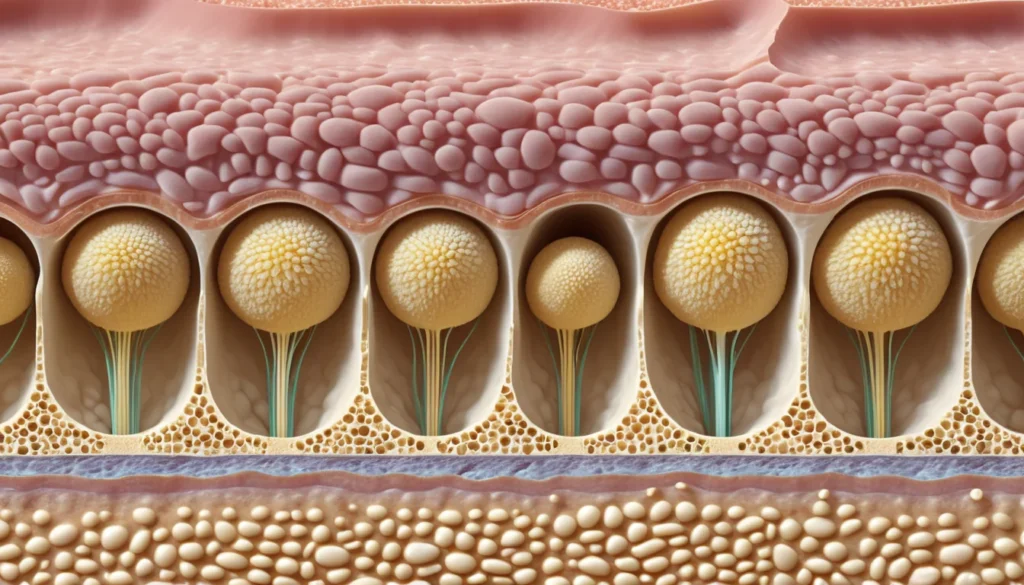
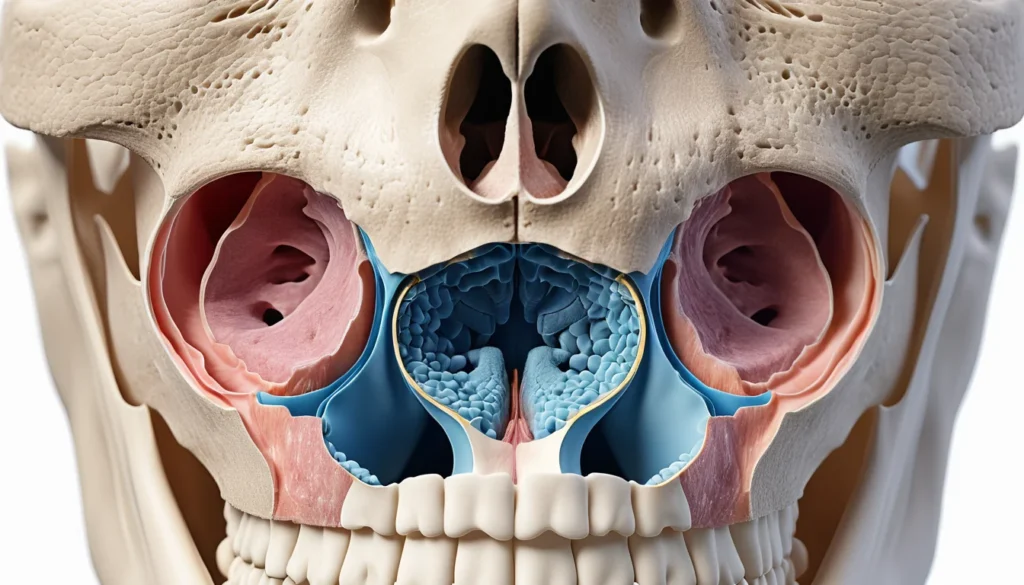
Your sinuses are small, air-filled cavities located in your face and skull. They are lined with a soft tissue called mucosa, which produces mucus to keep your nasal passages moist and trap particles like dust and bacteria. When this lining becomes inflamed, mucus can build up and block normal drainage. That blockage is what we call sinusitis.
Sinusitis can affect one sinus or several at the same time. The condition is grouped into two main types: acute sinusitis and chronic sinusitis. Each type has its own set of causes, symptoms, and treatments. In addition, some people experience a subacute form that falls between the two. However, acute and chronic forms are by far the most common.
According to Health Canada, respiratory infections — including sinusitis — are among the leading reasons Canadians seek medical care every year. Most cases are manageable at home or with a short course of medication, but some require closer attention.
Acute Sinusitis: What You Need to Know
Acute sinusitis comes on quickly and usually lasts less than four weeks. It is most often triggered by a viral infection, such as a common cold, that spreads from the nasal passages into the sinuses. In some cases, a bacterial infection in the root of an upper tooth can also spread into the nearby maxillary sinus — the large sinus located just below your cheekbones.
Symptoms of Acute Sinusitis
The symptoms of acute sinusitis tend to appear on one side of the face, though they can affect both sides. You may notice thick, yellow or green nasal discharge. This discharge sometimes drains down the back of the throat — a sensation called postnasal drip — without ever coming out through the nose.
Other common symptoms include:
Facial pain or pressure that worsens when you lean forward
A general feeling of being unwell, with fatigue
Fever, often around 38.5°C
Nasal congestion that makes it hard to breathe through your nose
Reduced sense of smell or taste
The location of the pain gives clues about which sinus is affected. For example, maxillary sinusitis causes pain below the eye. Frontal sinusitis causes pain above the eye and across the forehead. Sphenoid sinusitis creates a deep ache felt behind the eye. Ethmoid sinusitis, which is especially common in children, causes swelling, redness, and pain at the inner corner of the eye.
Possible Complications of Acute Sinusitis
Most cases of acute sinusitis clear up on their own or with basic treatment. However, complications can develop if drainage becomes fully blocked. When pus builds up inside a sinus and cannot escape, the condition becomes more serious and painful. This is sometimes called a blocked sinusitis.
In rare but serious cases, the infection can spread beyond the sinuses. It may move into the eye socket, causing swelling and vision changes. Even more rarely, it can reach the brain and cause meningitis — an infection of the membranes surrounding the brain. These complications require emergency medical care right away.
Treating Acute Sinusitis
For mild cases of acute sinusitis, treatment focuses on relieving symptoms and helping your body recover. Saline nasal rinses, steam inhalation, and over-the-counter pain relievers like acetaminophen or ibuprofen can provide real comfort. Decongestant nasal sprays can help reduce swelling and improve drainage. However, these sprays should not be used for more than three to five days in a row, as they can cause rebound congestion.
For more severe cases — especially those caused by bacteria — a doctor may prescribe oral antibiotics and anti-inflammatory medications. In some cases where pus is fully trapped, a minor procedure called a sinus puncture and washout may be needed to flush out the infected material. This is done in a clinical setting and provides fast relief when other treatments have not worked.
Chronic Sinusitis: When It Lasts for Months
Chronic sinusitis is diagnosed when sinus inflammation lasts for more than three months, even with treatment. It is a longer-lasting and often more complex condition than its acute counterpart. Many Canadians live with chronic sinusitis for years before receiving a clear diagnosis and effective treatment plan.
Causes of Chronic Sinusitis
Chronic sinusitis can affect one side or both sides of the face. When it appears on just one side, it is often linked to an ongoing dental infection or a structural problem in the nose, such as a deviated septum or abnormally shaped nasal passages. These physical issues can block normal mucus flow and create a breeding ground for bacteria.
When both sides are affected, the cause is often less clear. In many cases, it appears to involve a widespread condition of the nasal mucosa — the lining of the nasal passages. Allergies, environmental irritants like cigarette smoke or air pollution, and immune system issues may all play a role. Furthermore, nasal polyps (small, non-cancerous growths inside the nose) are a common finding in people with chronic sinusitis.
Symptoms of Chronic Sinusitis
The symptoms of chronic sinusitis are similar to those of the acute form, but they tend to be less intense and more persistent. People often describe a constant sense of facial pressure rather than sharp pain. Nasal congestion may feel permanent, making everyday breathing feel like a chore.
Other frequent symptoms include:
Ongoing nasal discharge that may be thick or discoloured
A chronic nighttime cough caused by postnasal drip
Reduced ability to smell or taste food
A feeling of fullness or heaviness in the face
Fatigue and difficulty sleeping
Bad breath (halitosis)
As a result of these persistent symptoms, chronic sinusitis can significantly affect quality of life. Many people find it hard to concentrate at work or school. Sleep disruption is also very common.
Treating Chronic Sinusitis
Treatment for chronic sinusitis usually combines several approaches. Doctors often prescribe antibiotics for an extended course, alongside anti-inflammatory medications and nasal decongestants. Saline rinses remain a helpful daily habit for keeping the nasal passages clear. Nasal corticosteroid sprays — available by prescription — can reduce long-term inflammation effectively.
If these treatments do not bring enough relief, surgery may be recommended. The most common procedure is functional endoscopic sinus surgery (FESS). A surgeon uses a tiny camera and small tools inserted through the nostrils to remove blockages and widen the sinus openings. This is typically done as a day procedure, and most patients recover within a week or two. Many people experience lasting improvement after surgery.
For more detailed information on sinus conditions and their management, the Mayo Clinic’s chronic sinusitis resource provides an excellent overview backed by medical specialists.
Who Is Most at Risk for Sinusitis?
Sinusitis can affect anyone, but certain factors make some people more likely to develop it. Understanding your personal risk can help you take steps to reduce flare-ups.
Common risk factors include:
Frequent colds or upper respiratory infections — these are the most common trigger for acute sinusitis
Allergies — hay fever and other allergic conditions cause nasal swelling that can block sinus drainage
A deviated nasal septum — a crooked wall between your nostrils can restrict airflow and trap mucus
Nasal polyps — these soft growths can block nasal passages and sinuses
Dental infections — especially in the upper back teeth, which sit close to the maxillary sinus
Smoking or secondhand smoke exposure — smoke irritates and inflames the nasal lining
A weakened immune system — conditions like diabetes or the use of immunosuppressant medications increase vulnerability
Dry indoor air — especially common in Canadian winters, when central heating reduces indoor humidity
Children are particularly prone to ethmoid sinusitis because their sinuses are still developing. In addition, kids in daycare or school settings are frequently exposed to viral infections that can trigger the condition.
Preventing Sinusitis
While you cannot always prevent sinusitis, there are practical steps you can take to reduce your risk. These habits are easy to build into your daily routine and can make a real difference over time.
Wash your hands regularly to reduce your exposure to the viruses that cause colds
Use a humidifier during winter months to keep indoor air moist, especially in dry Canadian climates
Rinse your nasal passages with a saline solution to flush out allergens and irritants
Manage your allergies — talk to your doctor about antihistamines or allergy shots if seasonal allergies are a trigger
Avoid cigarette smoke, both first- and secondhand, as it irritates the nasal lining
Stay up to date with vaccinations — flu shots, available for free in most provinces, can reduce your risk of the respiratory infections that lead to sinusitis
See your dentist regularly — treating dental infections early can prevent them from spreading to the sinuses
The Healthline guide to sinusitis also offers helpful tips on home care and prevention strategies that complement your doctor’s advice.
When to See a Doctor
Many mild cases of sinusitis improve on their own within 10 days. However, there are clear signs that it is time to see your family doctor or visit a walk-in clinic. Do not wait if your symptoms are getting worse or are not improving after about a week of home care.
You should seek medical attention if you experience:
Symptoms that last more than 10 days without improvement
A fever higher than 39°C
Severe headache or facial pain that does not respond to pain relievers
Swelling or redness around the eyes
Changes in vision
A stiff neck or sensitivity to light — these may be signs of meningitis
Recurring sinusitis (more than four episodes in a year)
Symptoms that have lasted more than three months
If you are unsure whether your symptoms need attention, your provincial health line — such as Ontario’s Health811, Alberta’s Health Link 811, or BC’s HealthLink 811 — can connect you with a registered nurse who can help you decide next steps. Most provincial health plans cover sinusitis diagnosis and treatment when you see a family doctor or visit a walk-in clinic.
For persistent or complicated cases, your family doctor may refer you to an ear, nose, and throat (ENT) specialist — also called an otolaryngologist — for further assessment and treatment.
Frequently Asked Questions About Sinusitis
How do I know if I have sinusitis or just a cold?
A cold usually improves within 7 to 10 days, while sinusitis symptoms often persist longer or worsen after the first few days. Sinusitis typically causes more facial pain or pressure, thick coloured nasal discharge, and a reduced sense of smell. If you are unsure, your family doctor or a walk-in clinic can help clarify the diagnosis.
Can sinusitis go away on its own without antibiotics?
Yes — most cases of sinusitis are caused by viruses, which means antibiotics will not help. Mild viral sinusitis often clears up on its own within 10 days with rest, saline rinses, and over-the-counter pain relief. However, if symptoms are severe, worsening, or last beyond 10 days, a doctor may decide that antibiotics are appropriate.
What is the difference between acute and chronic sinusitis?
Acute sinusitis comes on suddenly and typically lasts less than four weeks. Chronic sinusitis, on the other hand, is defined as sinus inflammation lasting more than three months, even with medical treatment. Chronic sinusitis often requires a more thorough investigation to identify underlying causes such as allergies, structural issues, or nasal polyps.
Is sinusitis contagious?
Sinusitis itself is not contagious. However, the viral or bacterial infections that trigger it — such as the common cold or flu — can be spread from person to person. Practising good hand hygiene and avoiding close contact with sick individuals can help reduce your risk of developing sinusitis in the first place.
Can allergies cause sinusitis?
Yes — allergies are a significant risk factor for sinusitis. Allergic reactions cause the nasal lining to swell, which can block sinus drainage and lead to infection. If you have seasonal or year-round allergies and frequently develop sinusitis, ask your doctor about allergy management strategies that may reduce how often you experience sinus infections.