A sigmoidoscopy is a medical procedure that lets your doctor look inside the lower part of your large bowel. It can find problems like polyps, inflammation, or early signs of colorectal cancer. This article explains what the procedure involves, who should consider it, and how it fits into colorectal cancer screening in Canada. As always, talk to your family doctor before making any decisions about your health.
What Is a Sigmoidoscopy?
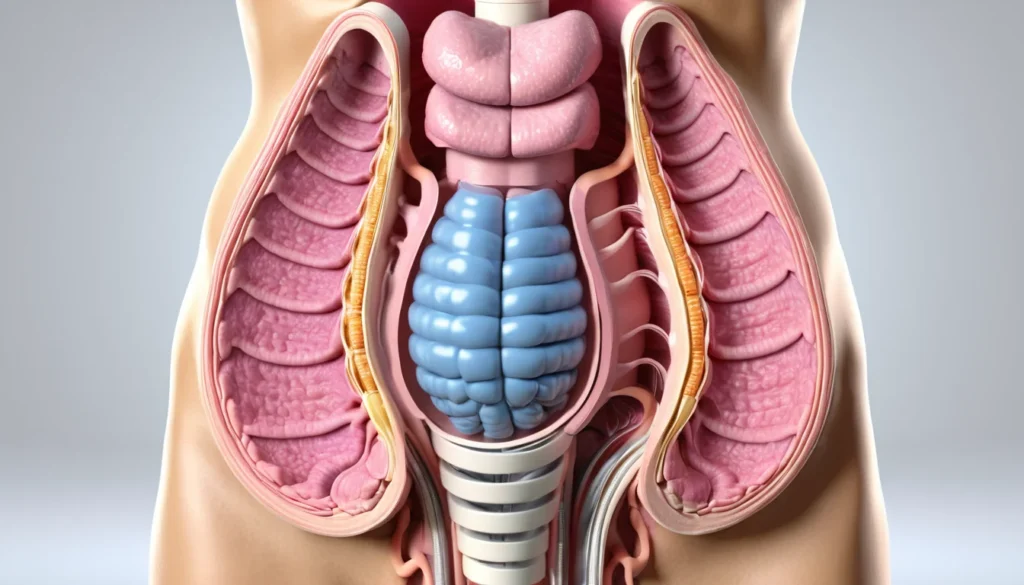
A sigmoidoscopy is a visual examination of the rectum and the sigmoid colon. The sigmoid colon is the S-shaped section of your large bowel, located just above the rectum. Together, these two areas make up the lower portion of your digestive tract.
During the procedure, your doctor uses a thin, flexible tube called a sigmoidoscope. This tube has a small camera and a light at one end. It allows your doctor to see the inner walls of your bowel clearly on a screen.
In some cases, your doctor may also examine the lower part of the descending colon. However, this procedure does not look at the entire colon. For a full examination of the whole large bowel, a colonoscopy is needed instead.
Sigmoidoscopy vs. Colonoscopy: What Is the Difference?
Many Canadians wonder whether they need a sigmoidoscopy or a colonoscopy. Both procedures use similar technology, but they examine different amounts of the bowel.
A sigmoidoscopy only looks at the lower third of the large bowel. A colonoscopy, on the other hand, examines the entire colon from the rectum all the way to the small intestine. Because of this, colonoscopy is now more commonly used in Canada for both diagnosis and cancer screening.
Furthermore, colonoscopy allows doctors to remove polyps or take tissue samples during the same visit. As a result, many Canadian gastroenterologists and provincial health guidelines now favour colonoscopy as the gold-standard test. However, sigmoidoscopy still plays a role in certain situations, which your doctor can explain.
When Sigmoidoscopy May Still Be Used
Your doctor may recommend a sigmoidoscopy instead of a full colonoscopy in specific cases. For example, it may be used to investigate symptoms that are likely coming from the lower bowel only. It can also be a useful first step when colonoscopy is not immediately available.
In addition, sigmoidoscopy requires less preparation and carries a slightly lower risk than a full colonoscopy. For some patients, this makes it a practical option. Your family doctor or specialist will help decide which test is right for you.
Why Is Sigmoidoscopy Done?
Doctors recommend a sigmoidoscopy for several important reasons. It helps find the cause of symptoms in the lower digestive tract. It is also used as a screening tool to catch problems early, before they become serious.
Common reasons your doctor might order a sigmoidoscopy include:
Rectal bleeding or blood in your stool
Changes in bowel habits, such as persistent diarrhoea or constipation
Unexplained abdominal pain or cramping
A feeling of incomplete bowel emptying
Mucus in the stool
Screening for colorectal polyps or cancer
Monitoring known conditions like inflammatory bowel disease (IBD)
Colorectal cancer is one of the most common cancers in Canada. According to Health Canada, early detection is one of the most effective ways to improve outcomes. Sigmoidoscopy can detect polyps — small growths on the bowel wall — before they have a chance to become cancerous.
How to Prepare for a Sigmoidoscopy
Preparation is an important part of getting an accurate sigmoidoscopy result. Your bowel needs to be as empty and clean as possible so your doctor can see clearly. Your healthcare provider will give you specific instructions before the procedure.
Typical preparation steps may include:
Following a low-fibre or clear fluid diet the day before
Using an enema one to two hours before the procedure
Avoiding solid food for a set period beforehand
Temporarily stopping certain medications (ask your doctor)
Unlike a full colonoscopy, the bowel prep for a sigmoidoscopy is usually simpler and less involved. However, you should still follow all instructions carefully. Poor preparation can lead to incomplete results and may require the procedure to be repeated.
What to Tell Your Doctor Beforehand
Before your sigmoidoscopy, make sure your doctor knows your full medical history. Tell them about any blood thinners or anti-inflammatory medications you take. Also mention any allergies, pregnancy, or previous bowel surgery.
If you have a pacemaker or other implanted device, your care team needs to know. This information helps ensure the procedure is safe and effective for you specifically.
What Happens During the Procedure?
A sigmoidoscopy is usually done in a hospital outpatient clinic, a gastroenterology centre, or sometimes a specialized walk-in clinic. It typically takes between 15 and 30 minutes. Most people do not require general anaesthesia.
You will be asked to lie on your side on an examination table, usually with your knees drawn up toward your chest. Your doctor will gently insert the sigmoidoscope into your rectum. Air is pumped in to inflate the bowel slightly, making it easier to see the walls.
You may feel some pressure, bloating, or mild discomfort during the procedure. However, most patients tolerate it well. If your doctor spots a polyp or abnormal tissue, they can take a small biopsy sample right away for laboratory testing.
Is Sedation Used?
Sigmoidoscopy is often performed without sedation, unlike a full colonoscopy which typically uses sedation or light anaesthesia. Some patients choose to have a mild sedative to reduce anxiety or discomfort. Ask your doctor or specialist what options are available to you through your provincial health plan.
If sedation is used, you will need someone to drive you home afterward. Plan to rest for the remainder of that day. Most people return to their normal routine the following day.
What to Expect After a Sigmoidoscopy
After the procedure, you may feel bloated or gassy for a few hours. This is completely normal. The air that was pumped into your bowel during the examination takes some time to pass.
Most people can eat and drink normally right after their sigmoidoscopy. If a biopsy was taken, your doctor will contact you once the lab results are ready. This usually takes a few days to a week, depending on your province and facility.
In rare cases, minor spotting or light bleeding may occur, especially if a biopsy was performed. This is generally not a cause for concern. However, you should contact your doctor or go to a walk-in clinic if bleeding is heavy or persists.
Possible Risks and Complications
Sigmoidoscopy is considered a very safe procedure. Serious complications are rare. Nevertheless, like any medical procedure, it carries a small degree of risk.
Potential complications can include:
Mild rectal bleeding, especially after a biopsy
Temporary bloating, gas, or cramping
A very small risk of bowel perforation (a tear in the bowel wall)
Infection, in extremely rare cases
According to Mayo Clinic, bowel perforation during sigmoidoscopy is uncommon, occurring in fewer than 1 in 1,000 procedures. Your care team will monitor you carefully and explain the warning signs to watch for at home.
Sigmoidoscopy and Colorectal Cancer Screening in Canada
Colorectal cancer screening is a key public health priority across Canadian provinces and territories. Most provincial health programmes recommend that average-risk adults begin screening at age 50. Some provinces now recommend starting at age 45 for certain groups.
Sigmoidoscopy has historically been one of the tools used in population-based screening programmes. Research has shown that it can reduce colorectal cancer deaths by detecting and removing precancerous polyps. For example, a large international study found that a single flexible sigmoidoscopy significantly reduced colorectal cancer incidence and mortality.
However, Canadian guidelines are increasingly moving toward colonoscopy or stool-based tests like the fecal immunochemical test (FIT) as preferred screening options. The FIT test is non-invasive and can be done at home. Your provincial health authority can tell you what screening options are covered in your area.
For more information on cancer screening guidelines in Canada, visit Health Canada’s official health information page.
When to See a Doctor
You should speak with your family doctor if you notice any changes in your bowel habits that last more than a few weeks. Blood in your stool — whether bright red or dark — always warrants a medical evaluation. Do not wait to see if it goes away on its own.
If you do not have a family doctor, a walk-in clinic is a good first step. A walk-in doctor can assess your symptoms, order initial tests, and refer you to a gastroenterologist if needed. Most provincial health plans cover these referrals at no direct cost to you.
You should also talk to your doctor about when to start colorectal cancer screening, especially if you have a family history of colorectal cancer or polyps. In that case, screening may be recommended earlier than usual. Early conversations with your doctor can make a real difference in your long-term health.
Frequently Asked Questions
Is a sigmoidoscopy painful?
Most people find a sigmoidoscopy uncomfortable rather than painful. You may feel pressure, bloating, or mild cramping during the procedure, but this usually passes quickly. If you are worried about discomfort, ask your doctor about sedation options before your appointment.
How long does a sigmoidoscopy take?
A sigmoidoscopy typically takes between 15 and 30 minutes from start to finish. The preparation beforehand and recovery time afterward may add a couple of hours to your overall visit. It is generally faster and requires less preparation than a full colonoscopy.
What is the difference between a sigmoidoscopy and a colonoscopy?
A sigmoidoscopy examines only the lower portion of the large bowel, including the rectum and sigmoid colon. A colonoscopy examines the entire large bowel and is now more commonly used in Canada for both diagnosis and cancer screening. Your doctor will recommend the most appropriate test based on your symptoms and health history.
Is sigmoidoscopy covered by provincial health plans in Canada?
In most Canadian provinces, a sigmoidoscopy ordered by a physician is covered under your provincial health insurance plan. Coverage details can vary, so it is best to confirm with your doctor or provincial health authority. Referrals to gastroenterology specialists are generally covered as well.
How should I prepare for a sigmoidoscopy?
Preparation usually involves following a low-fibre diet and using an enema a few hours before the procedure. Your doctor will give you specific instructions tailored to your situation. It is important to follow the preparation steps carefully so your doctor gets a clear view of your bowel.
Can sigmoidoscopy detect colorectal cancer?
Yes, a sigmoidoscopy can detect polyps and early-stage colorectal cancer in the lower bowel. However, because it only examines part of the colon, a full colonoscopy may be needed for a more complete assessment. Early detection through screening is one of the best ways to improve colorectal cancer outcomes in Canada.
Key Takeaways
A sigmoidoscopy is a procedure that examines the rectum and lower colon using a small camera on a flexible tube.
It is used to investigate symptoms like rectal bleeding, bowel habit changes, and abdominal pain.
Sigmoidoscopy can detect polyps and early colorectal cancer, potentially saving lives through early treatment.
Colonoscopy is now more commonly used in Canada, but sigmoidoscopy still has an important role in specific situations.
The procedure is generally safe, well-tolerated, and usually covered by provincial health plans.
Talk to your family doctor or visit a walk-in clinic if you have bowel symptoms or questions about colorectal cancer screening in your province.
Always consult a qualified healthcare provider before making any decisions about medical testing or procedures.