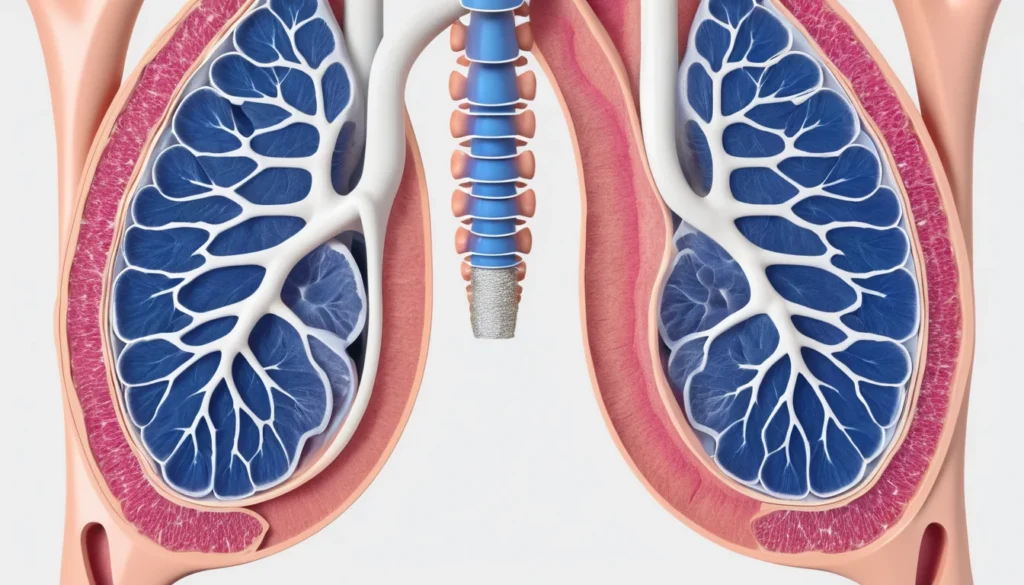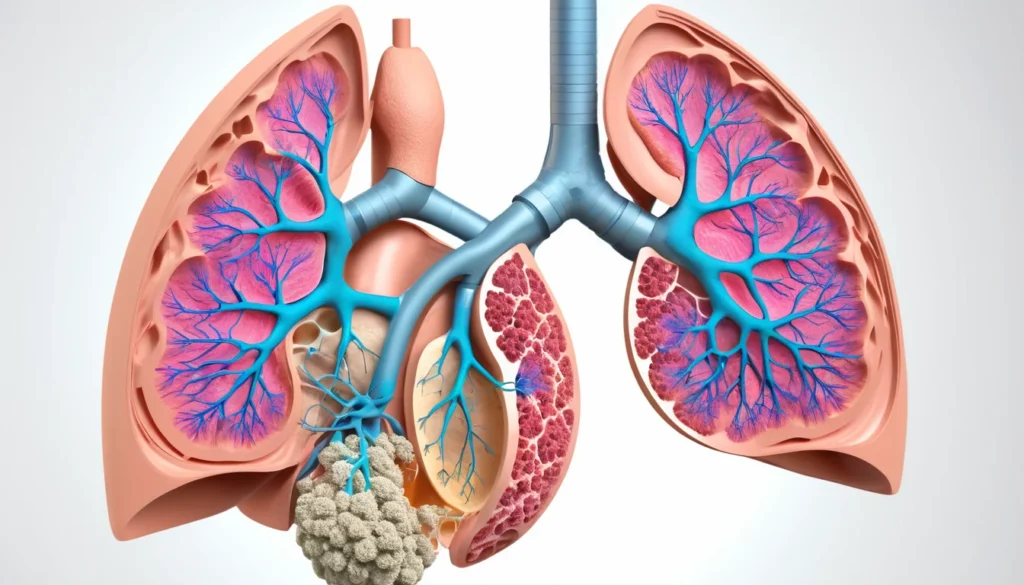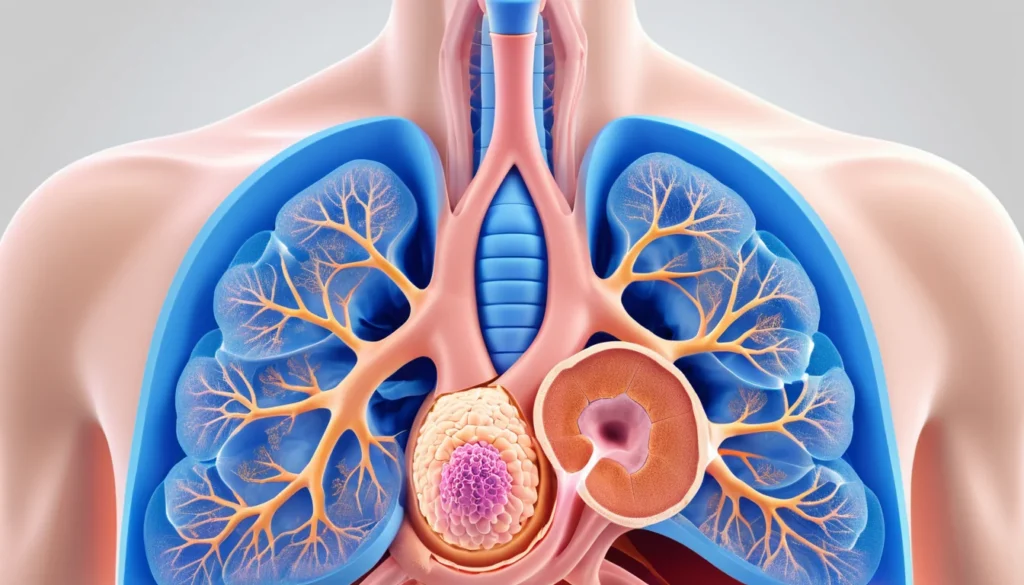
Shortness of breath — also called dyspnea — is a common but sometimes serious symptom that many Canadians experience at some point in their lives. It can feel like you cannot get enough air, your chest is tight, or your breathing is laboured and uncomfortable. In some cases, it is completely normal, such as after intense exercise. However, it can also signal an underlying health condition that needs attention. This article explains the causes, types, and warning signs of shortness of breath, and when you should seek medical care.
What Is Shortness of Breath (Dyspnea)?
Shortness of breath is the medical term for breathing that feels difficult, laboured, or abnormal. Doctors call this condition dyspnea. It involves a change in the rhythm or intensity of your breathing.
Dyspnea is not always a sign of disease. For example, climbing several flights of stairs or running for a bus can leave anyone breathless. However, when it happens without a clear reason, or does not go away quickly, it may point to a respiratory or heart-related problem. According to Mayo Clinic, unexplained shortness of breath should always be evaluated by a healthcare provider.
How Does Shortness of Breath Feel?
People describe shortness of breath in many different ways. Most often, the feeling is that you cannot pull in enough air, or that air is not arriving fast enough.
Some people feel they cannot start a new breath before finishing the last one. As a result, inhaling and exhaling overlap in a deeply uncomfortable way. Others notice a sensation of chest tightness, pressure, or even mild pain alongside their breathing difficulty.
Shortness of breath can come on gradually, getting worse over time. It can also appear suddenly and without warning. Both patterns are important to pay attention to.
Common Signs and Symptoms
Shortness of breath often comes with other noticeable signs. These can vary depending on what is causing the problem and how severe it is.
Common symptoms include:
Laboured or heavy breathing
Unusual sounds while breathing, such as wheezing or rattling
A feeling of not getting enough air
A sensation of suffocation or choking
Chest tightness or pressure
In cases linked to an ongoing condition, these symptoms can be persistent. They may also shift in intensity over time. When shortness of breath is caused only by physical exertion, the symptoms usually stop once you rest.
What Causes Shortness of Breath?
There are many possible causes of shortness of breath. They range from lung and heart conditions to anxiety, allergies, and even pregnancy. Understanding the cause is the first step toward effective treatment.
Lung and Airway Causes
Many cases of shortness of breath come from problems in the respiratory system. These include:
Asthma — a chronic condition that inflames and narrows the airways
Chronic bronchitis — long-term irritation of the bronchial tubes
Pneumonia — a lung infection that makes breathing painful and difficult
Pulmonary embolism — a blood clot in the lungs, which is a medical emergency
Pneumothorax — a collapsed lung
Airway blockages or infections
Heart-Related Causes
The heart and lungs work closely together. Therefore, heart problems can directly affect your breathing. Common cardiac causes include:
Heart failure
Heart attack (myocardial infarction)
Low blood pressure
Sudden changes in heart rate
Other Medical Causes
Shortness of breath can also result from conditions that are not directly related to the lungs or heart. These include:
Anaemia — low red blood cell levels reduce the amount of oxygen carried through the body
Anxiety and panic attacks — these can trigger rapid, shallow breathing
Severe allergic reactions
Neurological conditions — nerve or muscle problems that affect breathing muscles
Pregnancy — especially in the final months, as the growing uterus puts pressure on the diaphragm
Non-Medical Causes
Not all breathlessness signals illness. Some situations naturally make breathing harder, including:
High altitudes with less oxygen in the air
Air pollution or smog
Extreme temperatures — both hot and cold
Intense physical exercise
Obesity, which puts extra strain on the respiratory system
Shortness of breath during heavy exercise is normal. However, if it persists long after you stop, or if it now happens during activities that never caused problems before, that is a warning sign worth investigating. Health Canada encourages Canadians to monitor changes in their breathing patterns and speak with a healthcare provider if something feels off.
Factors That Can Make Shortness of Breath Worse
Even if you already have a breathing condition, certain triggers can make your symptoms significantly worse. Being aware of these factors can help you manage your symptoms more effectively.
Common aggravating factors include:
Cigarette smoke — both smoking and second-hand smoke
Air pollution and exhaust fumes
Dust and pollen
Mould and mildew
Chemical fumes or strong odours
Substances you are allergic to
Poorly ventilated indoor spaces
Panic or deep anxiety states
Weak breathing muscles, particularly the diaphragm
Low haemoglobin levels in the blood
In addition, stress and emotional distress can tighten the chest and make breathing feel more difficult, even without any physical cause. Managing these triggers is an important part of any treatment plan.
Types of Shortness of Breath
Doctors classify shortness of breath in several ways. The type gives important clues about what may be causing the problem.
Based on Body Position
Orthopnoea — shortness of breath that occurs when lying flat or sitting. It often improves when sitting upright and is commonly linked to heart failure.
Platypnoea — breathing difficulty that worsens when standing up, often accompanied by a drop in blood oxygen levels.
Trepopnoea — breathlessness that occurs when lying on one side but not the other. This usually points to a problem in one lung, one bronchus, or one side of the heart.
Based on Timing and Speed
Nocturnal dyspnea — shortness of breath that only occurs at night, often waking the person from sleep
Tachypnoea — rapid and laboured breathing
Bradypnoea — slow and laboured breathing
Based on Breathing Phase
Inspiratory dyspnea — difficulty breathing in
Expiratory dyspnea — difficulty breathing out (often seen in asthma)
Mixed dyspnea — difficulty with both breathing in and out
All types of shortness of breath warrant a medical check-up to identify the underlying cause.
When to See a Doctor
Some cases of shortness of breath need urgent medical attention. Do not wait if you or someone you know experiences any of the following warning signs:
Bluish colour of the lips, fingertips, or skin (called cyanosis)
Chest pain or a feeling of pressure in the chest
Shortness of breath while lying down or standing
Fever, chills, or a persistent cough alongside breathing difficulty
Swelling in the legs or ankles
Unusual sounds while breathing, such as wheezing or crackling
If you experience any of these symptoms, call 911 or go to your nearest emergency department immediately.
For symptoms that are less severe but still concerning — for example, breathlessness that has been gradually getting worse over days or weeks — start by calling your family doctor. If you do not have a family doctor, a walk-in clinic is a good first step. Most provincial health plans across Canada cover visits for respiratory concerns.
Your doctor may refer you to a respirologist (a lung specialist) for further testing. According to the World Health Organization, early diagnosis of respiratory conditions leads to significantly better outcomes.
What to Expect at Your Appointment
A respirologist or specialist will measure several key indicators to understand what is happening in your body. These may include:
Breathing rate (normal range: 14–18 breaths per minute)
Oxygen saturation in the blood (SpO2 — normal is 95% or higher)
Carbon dioxide levels (etCO2 — normal range: 35–45 mmHg)
The colour of your skin and lips
Breath sounds and chest movement
Heart rate and rhythm
If a lung tissue problem is suspected, your doctor may order a chest X-ray. This is a simple, effective imaging test that helps doctors see the condition of your lungs clearly.
Risks and Complications of Untreated Shortness of Breath
Ignoring shortness of breath — especially when it is persistent or recurring — can lead to more serious health problems. Untreated dyspnea can cause the body to overcompensate, leading to hyperventilation. This can trigger dizziness and chest pain.
Furthermore, when the underlying cause is left untreated, complications depend on that cause. Heart conditions can worsen significantly. Lung infections can spread. Anaemia can deepen. Therefore, getting a proper diagnosis as early as possible is always the best approach.
Bluish colouring of the skin, persistent fever, and chills alongside breathing difficulty are signs that a complication may already be developing. These symptoms require immediate emergency care.
Frequently Asked Questions
What does shortness of breath feel like?
Shortness of breath can feel like you cannot pull in enough air, your chest is tight, or your breathing is laboured and uncomfortable. Some people describe it as a feeling of suffocation or as though each breath takes too much effort. The sensation can come on gradually or appear suddenly without warning.
When is shortness of breath a medical emergency?
Shortness of breath is a medical emergency when it comes with chest pain, bluish lips or fingertips, sudden severe onset, or loss of consciousness. In these situations, call 911 immediately. Do not drive yourself to the hospital.
Can anxiety cause shortness of breath?
Yes, anxiety and panic attacks are well-known causes of shortness of breath. During a panic attack, the body’s stress response triggers rapid, shallow breathing that can feel very alarming. However, it is important to rule out physical causes with your doctor before attributing breathing difficulty to anxiety alone.
Can shortness of breath be caused by anaemia?
Yes, anaemia — a condition where your blood has low levels of red blood cells or haemoglobin — can cause shortness of breath. Without enough red blood cells, the body cannot carry sufficient oxygen to its tissues. As a result, even light activity can leave you feeling breathless.
What tests are used to diagnose shortness of breath?
Doctors use several tests to investigate shortness of breath, including pulse oximetry to measure blood oxygen levels, chest X-rays to examine the lungs, and blood tests to check for anaemia or infection. In some cases, a lung function test or an echocardiogram of the heart may also be ordered.
Is shortness of breath normal during pregnancy?
Mild shortness of breath is common during pregnancy, especially in the third trimester, as the growing uterus presses upward on the diaphragm. However, sudden or severe shortness of breath during pregnancy should always be evaluated promptly by a healthcare provider, as it can sometimes indicate a more serious condition.
Key Takeaways
Shortness of breath (dyspnea) is a change in breathing that feels laboured, difficult, or abnormal. It can be caused by lung conditions, heart problems, anaemia, anxiety, allergies, or non-medical factors like high altitude or heavy exercise. There are several types, classified by body position, timing, and which phase of breathing is affected. Triggers such as smoke, pollen, mould, and poor ventilation can make symptoms worse.</li