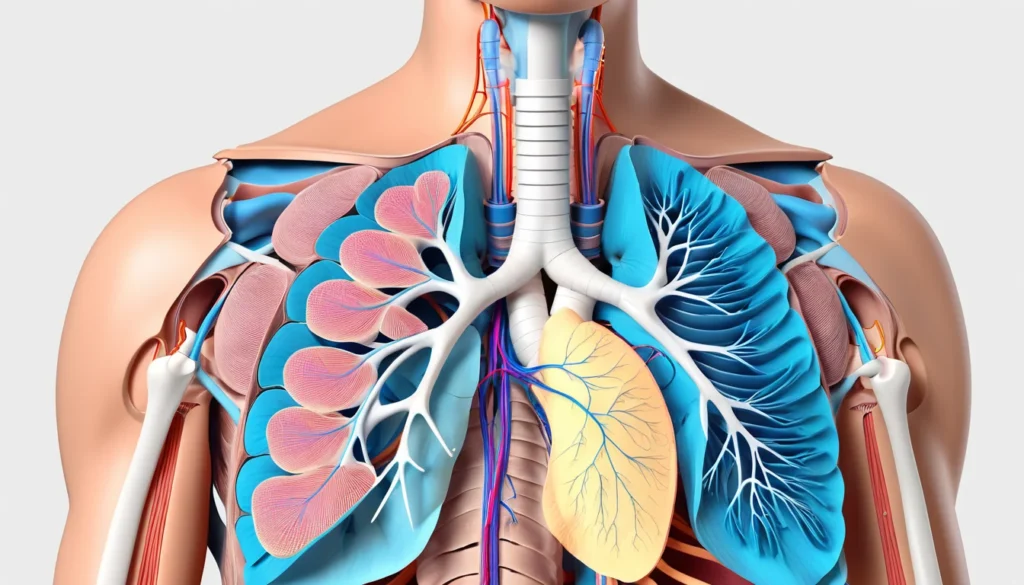
Shortness of breath is one of the most common symptoms that brings Canadians to their family doctor or walk-in clinic. It is the uncomfortable feeling that you cannot get enough air, often described as tightness in the chest, a sense of suffocation, or simply not being able to breathe properly. While it can happen to anyone after intense exercise, shortness of breath that occurs at rest or with minimal activity may point to an underlying health condition that needs attention. This article explains what causes it, how it is classified, and when you should seek medical care.
What Is Shortness of Breath?
Shortness of breath — known medically as dyspnea — is not a disease on its own. It is a symptom. Your body is telling you that something is affecting your ability to breathe normally.
It can show up in two main ways. First, breathing may become slow and laboured, requiring noticeable effort with each breath. Second, breathing may become fast and shallow, as your body tries to compensate for a lack of oxygen. Both patterns are signs that something is interfering with your respiratory system.
In healthy people, hard physical exercise — like running or cycling — can cause temporary shortness of breath. However, when it happens without an obvious physical reason, it deserves a closer look. Health Canada recognizes breathing difficulties as a key indicator of several serious medical conditions.
Common Causes of Shortness of Breath
Many different conditions can cause shortness of breath. Some are mild and temporary. Others are serious and require urgent medical care.
Lung and Airway Conditions
Lung-related causes are among the most frequent. These include:
Asthma: The airways become inflamed and narrow, making it hard to breathe out fully.
Chronic bronchitis: Long-term inflammation of the airways, often linked to smoking.
Pneumonia: A lung infection that reduces your lungs’ ability to take in oxygen.
Pulmonary embolism: A blood clot in the lungs — a medical emergency.
Pneumothorax: Air trapped between the lung and chest wall, causing the lung to collapse. This is life-threatening and requires emergency drainage.
Pulmonary oedema: Fluid build-up in the lungs, often linked to heart failure.
Airway obstructions can also cause a wheezing or whistling sound when breathing. Importantly, if the obstruction becomes total, that wheezing sound may disappear — which is a dangerous sign.
Heart-Related Causes
The heart and lungs work closely together. When the heart is not pumping effectively, the lungs can become congested with fluid. Common heart-related causes of shortness of breath include:
Heart failure: The heart cannot pump blood efficiently, causing fluid to build up in the lungs.
Acute coronary syndrome: This includes heart attacks and unstable angina.
High or low blood pressure: Both extremes can affect how well oxygen reaches your tissues.
If you experience shortness of breath along with chest pain, arm pain, or sweating, call 911 immediately. These may be signs of a heart attack.
Other Medical Causes
Shortness of breath does not always come from the lungs or heart. Other causes include:
Anaphylaxis: A severe allergic reaction that causes throat swelling and can block the airway.
Anxiety and panic attacks: These can trigger rapid, shallow breathing that feels frightening but is not physically dangerous.
Anaemia: When the blood carries too little oxygen due to low iron or red blood cell counts.
Obesity: Excess abdominal weight puts pressure on the diaphragm, making breathing harder.
Advanced pregnancy: The growing uterus pushes up against the diaphragm, reducing lung space.
Laryngitis in children: Swelling of the voice box can restrict airflow in young children.
Exposure to allergens or chemicals: Pollen, mould, dust mites, smoke, or chemical fumes can all trigger breathing difficulties.
Types of Shortness of Breath
Doctors classify shortness of breath based on how quickly it starts and how long it lasts. Understanding the type helps guide the right treatment.
Acute Shortness of Breath
Acute shortness of breath comes on quickly — within minutes or hours. It is often accompanied by anxiety, a racing heart, and heavy sweating. This type requires prompt medical attention, as it may signal a heart attack, severe allergic reaction, or pulmonary embolism.
Subacute Shortness of Breath
Subacute shortness of breath develops over several hours to a few days. It does not go away on its own. Medical tests are needed to find the cause and start the right treatment.
Chronic Shortness of Breath
Chronic shortness of breath lasts for more than one month. Your body may partially adapt over time, but the underlying cause still needs to be identified and treated. Many Canadians living with heart failure or COPD (chronic obstructive pulmonary disease) experience this type daily.
How Shortness of Breath Can Present
Shortness of breath does not always feel the same from person to person. Some people say they feel like they are suffocating. Others describe it as tightness in the chest, or feeling like they cannot take a deep breath.
Doctors also look at when the breathing difficulty happens in the breathing cycle. Inspiratory shortness of breath occurs when breathing in is difficult, often caused by upper airway problems. Expiratory shortness of breath occurs when breathing out is difficult, which is common in asthma and bronchitis where the airways are narrowed and swollen.
Another important pattern is orthopnoea — when a person finds it much harder to breathe while lying flat. These people often need to sleep propped up on several pillows. This is a common sign of heart failure. According to the Mayo Clinic’s overview of shortness of breath, positional breathing difficulty is always worth reporting to your doctor.
How Is Shortness of Breath Diagnosed?
When you see your family doctor or visit a walk-in clinic, they will start by asking about your medical history. They will want to know when the breathing difficulty started, what makes it better or worse, and whether you or a close family member have any known lung or heart conditions.
After that conversation and a physical exam, your doctor may order several tests.
Common Diagnostic Tests
Pulse oximetry: A small clip placed on your finger measures how much oxygen is in your blood. It is painless, quick, and widely available at walk-in clinics across Canada.
Complete blood count (CBC): A blood test that can detect anaemia or signs of infection and inflammation — both of which can cause shortness of breath.
Electrocardiogram (ECG/EKG): Records the electrical activity of the heart. It can reveal signs of reduced blood flow to the heart muscle.
Chest X-ray: Shows the size and shape of the heart and lungs, and can detect fluid, infection, or a collapsed lung.
Spirometry: A breathing test that measures how well your lungs work. It is commonly used to diagnose asthma and COPD.
These results, combined with your symptoms and health history, help your doctor pinpoint the cause. The World Health Organization’s fact sheet on chronic respiratory disease highlights the importance of early diagnosis in preventing long-term complications.
When to See a Doctor About Shortness of Breath
Not all breathing difficulties are emergencies. However, some are — and knowing the difference could save your life.
Call 911 immediately if you experience:
Sudden, severe shortness of breath with no clear cause
Chest pain or pressure alongside difficulty breathing
Blue-tinged lips or fingertips
Fainting or loss of consciousness
Signs of a severe allergic reaction (throat swelling, hives, dizziness)
Visit your family doctor or a walk-in clinic if you notice:
Shortness of breath that is getting gradually worse over days or weeks
Breathing difficulty that wakes you up at night
Trouble breathing when lying flat
Shortness of breath with swollen ankles or feet
A persistent cough along with breathing problems
Most provincial health plans in Canada cover the diagnostic tests your doctor may order. If you do not have a family doctor, a walk-in clinic is a good first step. Always speak with a healthcare professional before drawing conclusions about your own symptoms.
Frequently Asked Questions About Shortness of Breath
What does shortness of breath feel like?
Shortness of breath can feel different for each person. Some describe it as not getting enough air, feeling like they are suffocating, or having a tight band around their chest. In some cases, it comes with rapid, shallow breathing or a feeling of panic.
Can anxiety cause shortness of breath?
Yes, anxiety and panic attacks are common causes of shortness of breath. During a panic attack, breathing becomes rapid and shallow, which can make you feel like you are not getting enough air. However, anxiety-related shortness of breath is not physically dangerous and usually improves with calming techniques or treatment for anxiety.
When is shortness of breath an emergency?
Shortness of breath is a medical emergency when it comes on suddenly and severely, or when it is accompanied by chest pain, blue lips, fainting, or signs of a severe allergic reaction. In these cases, call 911 right away and do not drive yourself to the hospital.
Can shortness of breath be a sign of heart problems?
Yes, shortness of breath is a well-known symptom of heart conditions including heart failure, acute coronary syndrome, and heart attacks. When the heart cannot pump blood efficiently, fluid can build up in the lungs, making it hard to breathe. If you suspect a heart problem, seek medical care immediately.
What tests does a doctor do for shortness of breath?
A doctor will typically start with a physical exam and a review of your health history. Common tests include pulse oximetry, a blood count, an ECG, a chest X-ray, and sometimes a spirometry breathing test. These help identify the cause of your shortness of breath and guide the right treatment.
Is shortness of breath at night serious?
Waking up at night with shortness of breath can be a sign of heart failure, asthma, or sleep apnea — all of which need proper diagnosis. If you regularly find it hard to breathe while lying down and need to sit up to feel better, talk to your family doctor or visit a walk-in clinic as soon as possible.
Key Takeaways
Shortness of breath is a symptom, not a disease. It signals that something is affecting your ability to breathe normally.
It can be caused by lung conditions (asthma, pneumonia, COPD), heart conditions (heart failure, heart attack), allergic reactions, anxiety, anaemia, or environmental triggers.
Doctors classify it as acute (minutes to hours), subacute (hours to days), or chronic (more than one month).
Pulse oximetry, blood tests, ECGs, and chest X-rays are common tools used to find the cause.
Call 911 for sudden, severe shortness of breath — especially with chest pain, blue lips, or fainting.
For ongoing or worsening breathlessness, visit your family doctor or a walk-in clinic. Most diagnostic tests are covered under provincial health plans.
Always consult a qualified healthcare professional for any concerns about your breathing. Only a doctor can give you an accurate diagnosis and a safe treatment plan.