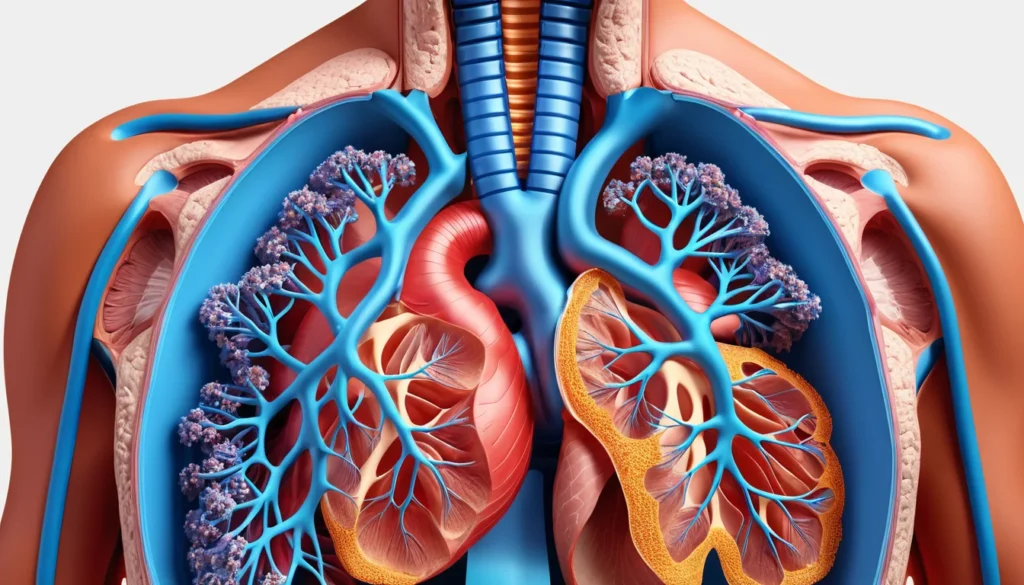
Shortness of breath — also called dyspnea — is the uncomfortable feeling that you cannot get enough air. It is one of the most common reasons Canadians visit their family doctor or a walk-in clinic. Shortness of breath can be a sign of a heart or lung problem, but it can also have other causes. Understanding what it means and when to seek help can make a real difference to your health.
What Is Shortness of Breath?
Shortness of breath is not a disease on its own. It is a symptom — your body’s way of telling you that breathing requires more effort than it should. Most people describe it as feeling winded, breathless, or like they cannot fill their lungs completely.
It is important to know that shortness of breath is not the same as pain. It is uncomfortable, but not necessarily painful. However, that does not mean you should ignore it. In many cases, it points to an underlying condition that needs attention.
According to Mayo Clinic, shortness of breath that comes on suddenly or is severe deserves prompt medical evaluation.
What Causes Shortness of Breath?
Shortness of breath happens when something disrupts normal breathing. Your body must work harder to move air in and out of your lungs. There are several reasons this can happen.
Lung and Airway Problems
Many lung conditions make it harder for air to flow freely. These include asthma, chronic obstructive pulmonary disease (COPD), pneumonia, and pulmonary fibrosis. In these cases, the airways may be narrowed, inflamed, or blocked.
In addition, fluid or air can collect in the space around the lungs. This is called a pleural effusion (fluid) or pneumothorax (air). Both compress the lungs and make breathing more difficult.
The chest wall itself can also be a factor. Skeletal deformities, injuries, or scarring of the lining around the lung (the pleura) can make the chest too stiff to expand properly.
Heart-Related Causes
The heart and lungs work closely together. When the heart is not pumping well, blood can back up into the lungs. This is called pulmonary congestion, and it makes breathing feel like a chore.
Heart failure, valve problems such as mitral stenosis, and other cardiac conditions are common heart-related causes of shortness of breath. These conditions are very treatable, but they do require a proper diagnosis from a healthcare provider.
Changes in the Blood
Sometimes shortness of breath is not directly caused by the lungs or heart. Instead, it comes from changes in the blood itself. For example, anaemia (low red blood cell count) means your blood carries less oxygen. As a result, your body signals your lungs to breathe faster and harder.
Other blood-related causes include low oxygen levels (hypoxia), high carbon dioxide levels, acidosis (when your blood becomes too acidic), and thyrotoxicosis (too much thyroid hormone in the blood).
Other Causes
Fever, anxiety, and panic attacks can all trigger shortness of breath. So can obesity, pregnancy, and extreme physical exertion. In some cases, weakness of the breathing muscles — for example after certain neurological conditions — can also be responsible.
In short, the main causes of shortness of breath are:
Lung and airway diseases (asthma, COPD, pneumonia)
Heart conditions (heart failure, valve disease)
Blood chemistry changes (anaemia, low oxygen, high carbon dioxide)
Chest wall or pleural problems
Psychological causes (anxiety, panic)
Muscle or nerve conditions affecting breathing
How the Body Responds to Shortness of Breath
Your body has built-in sensors that monitor your breathing. Pressure receptors in the lungs detect how much the lungs are stretching. Chemical receptors near the heart monitor oxygen and carbon dioxide levels in the blood.
When something goes wrong, these receptors send signals to your brain. Your brain then tells your breathing muscles to work harder. This extra effort is what you feel as shortness of breath.
Therefore, shortness of breath is actually your nervous system doing its job. It is a warning signal. The problem is identifying what is triggering that signal in the first place.
Types of Shortness of Breath Related to Heart Disease
Shortness of breath caused by heart problems tends to follow a recognisable pattern. Doctors look at three main types.
Exertional Shortness of Breath
This type happens during physical activity. At first, it may only occur during intense exercise. Over time, it may appear with lighter and lighter activity. Doctors use a five-grade scale to measure how severe it is.
Grade 0: Breathlessness only during heavy exercise — considered normal
Grade 1: Breathlessness when climbing a hill or stairs quickly
Grade 2: Walking slower than others your age, or needing to stop on a flat surface
Grade 3: Stopping to catch your breath after walking about 100 metres on flat ground
Grade 4: Breathless while getting dressed or doing minimal activity; rarely able to leave home
In general, if your breathlessness is getting worse over time with less and less effort, that is an important warning sign. See your family doctor as soon as possible.
Orthopnoea (Breathlessness When Lying Down)
Some people with heart failure find it very hard to breathe when they lie flat. They need to prop themselves up with extra pillows to sleep comfortably. This condition is called orthopnoea.
When you lie down, more blood flows back to the heart and lungs. A struggling heart cannot handle this extra volume well. As a result, fluid builds up in the lungs, making breathing harder. This is a sign of more advanced heart disease and needs prompt medical attention.
Paroxysmal Nocturnal Dyspnoea
This refers to sudden episodes of severe breathlessness that wake you up at night. These episodes can be frightening. They are also linked to heart failure and pulmonary oedema (fluid in the lungs). If this is happening to you, do not wait — contact your doctor or go to an emergency department.
Cardiac Asthma and Pulmonary Oedema
You may have heard the term “cardiac asthma.” This is not the same as regular asthma. Cardiac asthma is shortness of breath caused by fluid building up in the lungs due to heart failure. It can cause wheezing that sounds similar to asthma, but the cause is very different.
Pulmonary oedema is the medical term for fluid in the lungs. It is a serious condition. Symptoms include severe breathlessness, a feeling of drowning, coughing up frothy or pink mucus, and extreme anxiety. Pulmonary oedema is a medical emergency. Call 911 immediately.
For more information on how the heart and lungs interact, visit the Health Canada information centre.
When to See a Doctor
Not all shortness of breath requires an emergency visit. However, you should always take it seriously. Here is a simple guide for Canadians.
Call 911 or go to the emergency room immediately if you have:
Sudden, severe shortness of breath
Chest pain along with breathlessness
Bluish lips or fingertips
Shortness of breath after a suspected blood clot or injury
Inability to speak in full sentences due to breathlessness
Book an appointment with your family doctor or visit a walk-in clinic if you have:
Breathlessness that has gradually gotten worse over weeks or months
Shortness of breath during activities that never bothered you before
Waking up at night feeling breathless
Breathlessness combined with swollen ankles or persistent cough
Most provincial health plans in Canada cover visits to your family doctor and emergency services for breathing problems. If you do not have a family doctor, a walk-in clinic is a great first step. The clinic can refer you for further testing if needed.
The World Health Organization’s respiratory disease resources also provide helpful background information on chronic breathing conditions.
Frequently Asked Questions
What does shortness of breath feel like?
Shortness of breath feels like you cannot get enough air, even when you are not working hard. Many people describe it as tightness in the chest, feeling winded, or having to concentrate on every breath. It is uncomfortable but not always painful.
Can anxiety cause shortness of breath?
Yes, anxiety and panic attacks are well-known causes of shortness of breath. During a panic attack, your breathing speeds up and becomes shallow, which can make you feel like you are not getting enough air. However, it is important to rule out heart or lung causes with your doctor, especially if episodes are frequent.
Is shortness of breath always a sign of a serious condition?
Not always. Shortness of breath during intense exercise is normal. However, shortness of breath at rest, during light activity, or that is getting worse over time can signal a serious heart or lung condition. Always check with your family doctor or a walk-in clinic if you are unsure.
What is the difference between asthma and cardiac asthma?
Regular asthma is caused by inflammation and narrowing of the airways in the lungs. Cardiac asthma, on the other hand, is caused by fluid building up in the lungs due to heart failure. Both can cause wheezing and shortness of breath, but they require very different treatments, so a proper diagnosis is essential.
When is shortness of breath a medical emergency?
Shortness of breath is a medical emergency when it comes on suddenly and is severe, when it is accompanied by chest pain, or when your lips or fingertips turn blue. Coughing up frothy or pink mucus is also a serious warning sign. In these situations, call 911 right away — do not drive yourself to the hospital.
Can anaemia cause shortness of breath?
Yes, anaemia is a common cause of shortness of breath, especially during physical activity. When your red blood cell count is low, your blood carries less oxygen. As a result, your body tells your lungs to breathe faster and harder to compensate. A simple blood test from your family doctor can diagnose anaemia.
Key Takeaways
Shortness of breath is the feeling of not being able to get enough air — it is a symptom, not a disease.
It can be caused by lung conditions, heart problems, blood chemistry changes, anxiety, or muscle and nerve issues.
Heart-related shortness of breath often worsens gradually over time and may include difficulty breathing while lying flat or sudden nighttime episodes.
Pulmonary oedema and severe sudden breathlessness are medical emergencies — call 911.
If your breathlessness is new, getting worse, or affecting your daily life, see your family doctor or visit a walk-in clinic covered by your provincial health plan.
Always consult a qualified healthcare provider for a proper diagnosis. This article is for general information only and does not replace professional medical advice.