Shortness of breath is a feeling that many Canadians will experience at some point in their lives. It can range from mild discomfort during exercise to a sudden, frightening inability to breathe. Understanding what causes shortness of breath — and knowing when to seek help — could make a real difference to your health.
What Is Shortness of Breath?
Shortness of breath, also called dyspnea (say: dis-PEE-nee-ah), is the uncomfortable feeling of not being able to breathe easily. You may feel like you cannot get enough air, your chest feels tight, or you are working harder than usual just to breathe.
This symptom is not a condition on its own. Instead, it is a signal that something else may be going on in your body. The causes can range from a simple respiratory infection to a serious heart or lung problem.
According to Health Canada, respiratory conditions are among the most common reasons Canadians visit their family doctor or a walk-in clinic each year.
Common Causes of Shortness of Breath
There are many possible reasons why someone might feel short of breath. Doctors generally group these causes into four main categories: lung-related, heart-related, upper airway, and other medical causes.
Lung and Airway Causes
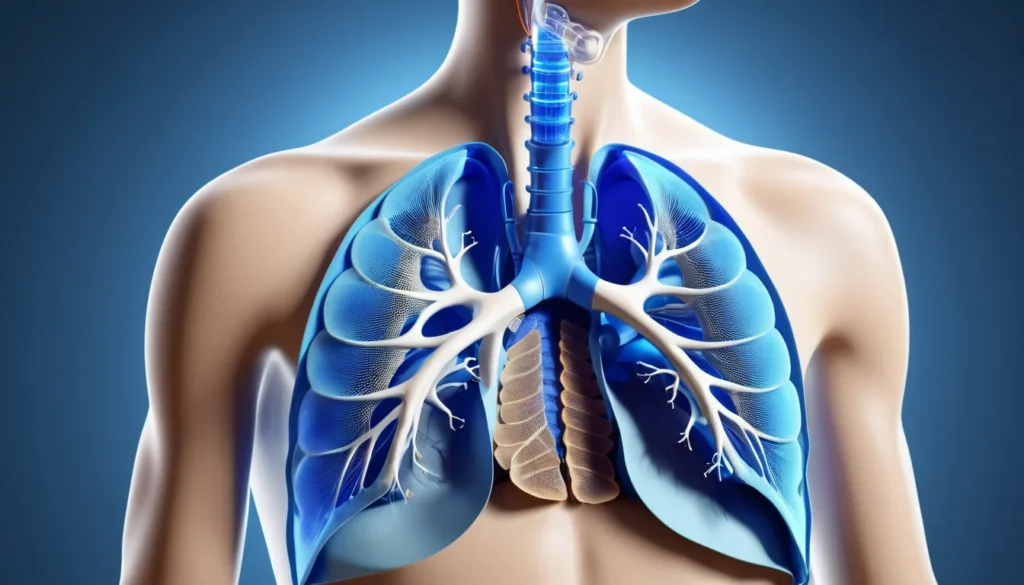
Problems in the lungs or airways are among the most frequent causes of shortness of breath. These include conditions such as asthma, chronic bronchitis, pneumonia, and pulmonary embolism (a blood clot in the lungs).
Asthma causes the airways to narrow and swell, making it hard to breathe. For many Canadians with asthma, shortness of breath may only appear during physical activity or when exposed to triggers like pollen or cold air. However, a severe asthma attack can be life-threatening and needs immediate attention.
Chronic bronchitis is a long-term inflammation of the airways, often caused by smoking. It can cause shortness of breath that lasts for years. Other lung causes include:
Pulmonary edema (fluid build-up in the lungs)
Lung infections such as pneumonia
Lung tumours
Pulmonary embolism (a blood clot blocking blood flow to the lungs)
Pleural effusion (fluid around the lungs)
Pneumothorax (collapsed lung)
Severe scoliosis that restricts lung movement
A pulmonary embolism is a medical emergency. It can cause sudden, severe shortness of breath and requires immediate care. If you suspect this, call 911 or go to your nearest emergency room right away.
Upper Airway Causes
The throat and voice box (larynx) can also cause breathing difficulty. In children, a condition called croup — a type of laryngitis — is a common cause of sudden shortness of breath. It often causes a distinctive barking cough and can be very distressing for both the child and the parent.
In adults, tumours or swelling of the larynx can block airflow and lead to shortness of breath. These causes are less common but should not be overlooked, especially if breathing difficulty comes with a change in voice or difficulty swallowing.
Heart-Related Causes of Shortness of Breath
The heart and lungs work closely together. Therefore, heart problems often show up as shortness of breath. Heart failure is one of the most common heart-related causes.
When the heart is not pumping efficiently, fluid can back up into the lungs. This makes breathing feel difficult, especially when lying down or after physical activity. Many Canadians with heart failure notice that they need extra pillows at night just to breathe comfortably.
Other heart-related causes of shortness of breath include:
Heart attack (myocardial infarction)
Irregular heart rhythm (arrhythmia)
Heart valve problems
Cardiomyopathy (weakened heart muscle)
If you experience shortness of breath along with chest pain, arm pain, or sweating, call 911 immediately. These can be signs of a heart attack.
Other Medical Causes of Shortness of Breath
Not all causes of shortness of breath come from the lungs or heart. In fact, several other medical conditions can lead to this symptom.
Neurological Causes
Certain neurological conditions can affect the muscles that control breathing. Conditions such as stroke, coma, or diseases of the nervous system may impair the brain’s ability to regulate breathing properly. As a result, a person may feel breathless even when the lungs themselves are healthy.
Metabolic and Blood-Related Causes
When the body’s tissues do not receive enough oxygen, breathing can become laboured. This can happen during significant blood loss or haemorrhage. The body tries to compensate by breathing faster and more deeply.
Anaemia (low red blood cell count) is another common metabolic cause. Red blood cells carry oxygen throughout the body. Furthermore, when there are not enough of them, the body struggles to meet its oxygen needs, leading to fatigue and shortness of breath.
Other metabolic causes include:
Diabetic ketoacidosis (a complication of diabetes)
Severe kidney disease
Thyroid disorders
Obesity, which can place extra strain on the lungs
Anxiety and Panic Attacks
Shortness of breath is also a well-known symptom of anxiety and panic attacks. During a panic attack, the body’s “fight or flight” response triggers rapid, shallow breathing. This can make a person feel like they are not getting enough air, even though their lungs are working normally.
If shortness of breath happens alongside a racing heart, dizziness, or a sense of fear or doom, anxiety may be a contributing factor. Your family doctor can help distinguish anxiety-related breathing difficulty from a physical health issue.
How Serious Is Shortness of Breath?
The seriousness of shortness of breath depends entirely on its cause and how quickly it comes on. For example, mild breathlessness after climbing a steep staircase is usually normal. However, sudden or severe shortness of breath — especially at rest — is always worth taking seriously.
Shortness of breath can last for just a few hours, as with croup in young children. In other cases, such as chronic bronchitis or heart failure, it can persist for many years. The Mayo Clinic’s overview of shortness of breath outlines the wide range of severity that this symptom can carry.
In all cases, it is important not to ignore shortness of breath that is new, worsening, or happening without a clear reason.
Treatment Options for Shortness of Breath
Treatment for shortness of breath depends on its underlying cause. There is no single solution, because the symptom itself is just a sign of something else happening in the body.
Some common treatments include:
Antibiotics — used when a bacterial lung infection such as pneumonia is the cause
Bronchodilators — inhaled medications that open up the airways, commonly used for asthma and chronic obstructive pulmonary disease (COPD)
Quitting smoking — one of the most effective steps for people with chronic bronchitis or COPD
Diuretics — medications that remove excess fluid, often used in heart failure
Oxygen therapy — used when blood oxygen levels are dangerously low
Treating anaemia — through iron supplements, dietary changes, or other therapies
Anxiety management — such as breathing techniques, therapy, or medication for panic-related breathlessness
In Canada, many of these treatments are covered under provincial health plans, depending on your province or territory. Your family doctor or a nurse practitioner can help you navigate your options.
According to the World Health Organization’s fact sheet on chronic respiratory disease, early diagnosis and proper management can significantly improve quality of life for people with long-term breathing conditions.
When to See a Doctor
If you are unsure whether your shortness of breath is serious, it is always better to get it checked. Your family doctor is a great first point of contact. If you do not have a family doctor, a walk-in clinic can assess your breathing and refer you for further tests if needed.
You should see a doctor soon if you notice:
Shortness of breath that is new or getting worse
Breathlessness that wakes you up at night
Difficulty breathing when lying flat
Shortness of breath with swollen ankles or legs
A persistent cough along with breathing difficulty
Unexplained fatigue and breathlessness together
Call 911 or go to your nearest emergency room immediately if you experience:
Sudden, severe shortness of breath
Chest pain or tightness along with difficulty breathing
Blue lips or fingertips (a sign of low oxygen)
Confusion or loss of consciousness
Shortness of breath after a possible blood clot or injury
Do not wait to see if these symptoms pass on their own. Acting quickly in a medical emergency can save your life.
What does shortness of breath feel like?
Shortness of breath feels like an uncomfortable tightness in the chest, a sense that you cannot get enough air, or the feeling that you have to work harder than usual to breathe. Some people describe it as breathing through a straw. If shortness of breath comes on suddenly or feels severe, it is important to seek medical attention right away.
What are the most common causes of shortness of breath?
The most common causes of shortness of breath include asthma, chronic bronchitis, pneumonia, heart failure, and anxiety. In some cases, anaemia or other metabolic conditions can also reduce oxygen delivery to the body’s tissues, leading to breathlessness. A doctor can help identify the exact cause through a physical exam and tests.
When is shortness of breath an emergency?
Shortness of breath becomes an emergency when it is sudden and severe, comes with chest pain, or causes blue lips or fingertips. These signs may point to a heart attack, pulmonary embolism, or dangerously low oxygen levels. In these situations, call 911 immediately rather than driving yourself to the hospital.
Can anxiety cause shortness of breath?
Yes, anxiety and panic attacks are well-known causes of shortness of breath. During a panic attack, rapid shallow breathing can make you feel like you are not getting enough air, even though your lungs are functioning normally. Speaking with your family doctor can help rule out physical causes and explore anxiety management strategies.
How is shortness of breath treated in Canada?
Treatment for shortness of breath in Canada depends on the underlying cause. Options may include inhalers for asthma, antibiotics for lung infections, or medications for heart failure, many of which are covered under provincial health plans. Your family doctor or a walk-in clinic can assess your symptoms and recommend the right course of treatment.
Can shortness of breath go away on its own?
Mild shortness of breath caused by temporary conditions like a cold or overexertion may resolve on its own. However, shortness of breath that is persistent, worsening, or happening at rest should always be evaluated by a healthcare provider. It is better to get checked and find nothing serious than to ignore a symptom that needs treatment.
Key Takeaways
Shortness of breath is a symptom, not a condition. It signals that something else may be happening in your body.
Causes range from lung and heart conditions to neurological, metabolic, and anxiety-related issues.
Severity varies widely — from mild breathlessness during exercise to life-threatening emergencies like pulmonary embolism.
Treatment depends entirely on the underlying cause and may include medication, lifestyle changes, or emergency care.
See your family doctor or a walk-in clinic for new or worsening shortness of breath.
Call 911 immediately for sudden, severe breathing difficulty, especially with chest pain or blue lips.
Many treatments and follow-up services are available through your provincial health plan.
This article is for general information only and does not replace professional medical advice. Always speak with your family doctor or a qualified healthcare provider about any symptoms you are experiencing.