Sexual dysfunction is more common than many people realize. It affects both men and women at different points in their lives, and it can have physical causes, psychological causes, or a mix of both. Understanding why sexual dysfunction happens is the first step toward finding help and improving your quality of life. This article breaks down the main causes, explains how your mind and body are connected, and tells you when it makes sense to talk to a healthcare provider.
What Is Sexual Dysfunction?
Sexual dysfunction refers to any ongoing problem that prevents a person from enjoying a satisfying sexual experience. This can include difficulty with desire, arousal, orgasm, or pain during sex. It can affect people of any age, gender, or background.
Many Canadians feel embarrassed to bring up these concerns with their family doctor. However, sexual health is a normal part of overall health. Doctors hear these concerns regularly and can help point you toward the right support.
According to the World Health Organization’s guidance on sexual health, sexual well-being is an important part of overall physical and mental health. Ignoring problems in this area can affect your relationships, your self-esteem, and your day-to-day happiness.
Common Causes of Sexual Dysfunction
Sexual dysfunction rarely has just one cause. In most cases, physical and emotional factors work together. However, it helps to look at each type of cause separately so you can better understand what might be going on.
Causes generally fall into two main groups: physiological (meaning related to the body) and psychological (meaning related to the mind and emotions). Both are equally real, and both deserve attention.
Physical and Physiological Causes of Sexual Dysfunction
Many people find it easier to accept a physical explanation for sexual dysfunction. Knowing there is a biological reason can feel less personal. However, even when a physical cause is found, the emotional impact still matters and should not be ignored.
Hormonal Imbalances
Hormones play a major role in sexual desire and function. When hormone levels are off, it can affect libido, arousal, and performance. This is true for both men and women.
For example, low testosterone in men can reduce sex drive and cause difficulty with erections. In women, changes in estrogen levels — especially around menopause — can lead to vaginal dryness and decreased desire. Thyroid problems can also interfere with sexual function in both sexes.
Medications and Medical Conditions
Certain medications list sexual side effects as part of their profile. Antidepressants, blood pressure medications, antihistamines, and some hormonal treatments can all affect libido or sexual response. If you have recently started a new medication and noticed changes in your sexual health, it is worth mentioning this to your doctor or pharmacist.
Underlying health conditions can also play a role. Diabetes, cardiovascular disease, multiple sclerosis, and hormonal disorders are among the conditions most commonly linked to sexual dysfunction. The Mayo Clinic provides a detailed overview of physical causes of sexual dysfunction in men, which can help you understand how these conditions interact with sexual health.
Neurological Factors
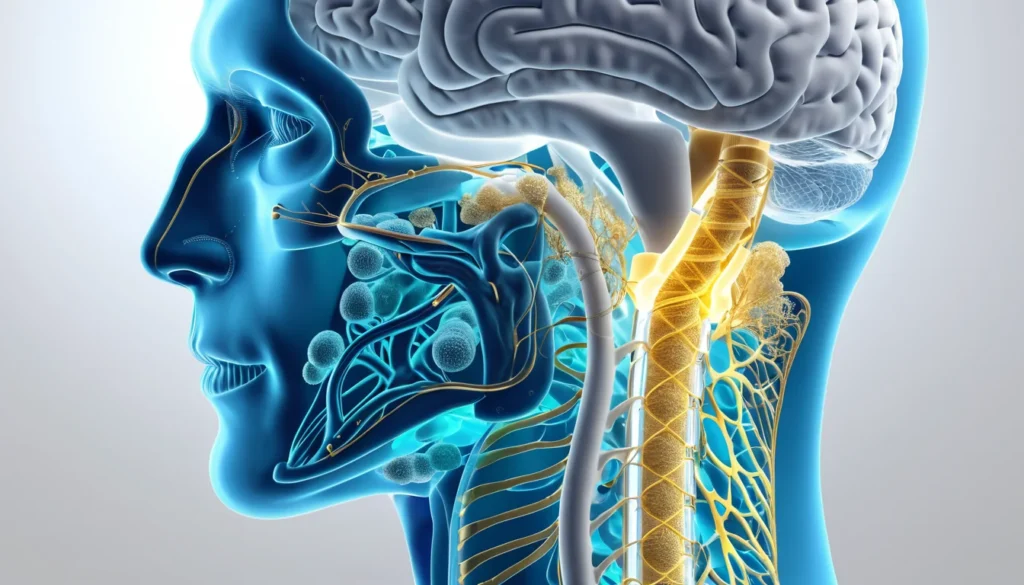
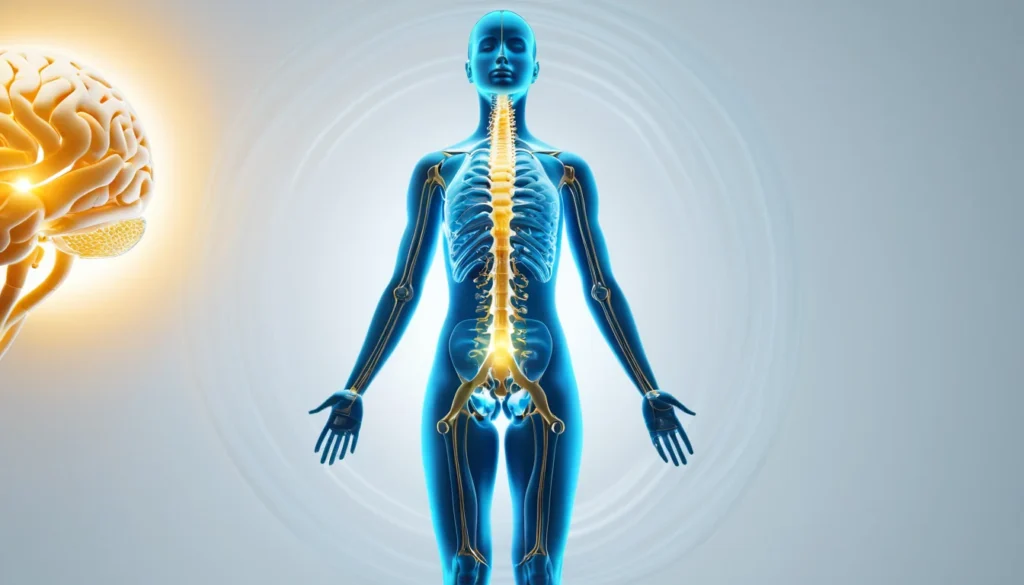
The nervous system controls much of the body’s sexual response. Nerve damage from injury, surgery, or conditions like diabetes can disrupt these signals. As a result, a person may experience reduced sensation, difficulty with arousal, or problems reaching orgasm.
Spinal cord injuries and certain neurological conditions like Parkinson’s disease can also affect sexual function. These are medical situations that benefit from specialist care, often available through referral from your family doctor.
Nutritional Deficiencies
Vitamin and mineral deficiencies are often overlooked as a factor in sexual health. Low levels of vitamin D, zinc, or B vitamins can affect energy levels, hormone production, and mood — all of which influence sexual function.
A balanced diet rich in fibre, lean proteins, healthy fats, and a variety of vegetables supports overall hormonal health. If you suspect a deficiency, your family doctor can order a simple blood test to check your levels.
Psychological Causes of Sexual Dysfunction
Research shows that the majority of sexual dysfunction cases involve psychological factors. This does not mean the problem is “all in your head” or less serious. It simply means that the mind has a powerful influence on the body’s ability to experience pleasure and intimacy.
Dr. Helen Singer Kaplan, a well-known sex therapist and researcher, described how a non-erotic or emotionally unsafe environment within a relationship can quietly destroy one or both partners’ sexual well-being. In contrast, she noted that openness and mutual trust allow partners to fully embrace and enjoy their shared experiences.
Performance Anxiety and Fear of Failure
One of the most common psychological causes of sexual dysfunction is performance anxiety. When a person is focused on meeting expectations — their own or their partner’s — they can become so tense that the body cannot respond naturally.
This creates a difficult cycle. A person worries about performing well, which causes them to struggle, which increases their worry for next time. Over time, this pattern can lead to avoidance of sexual situations altogether.
Fear of rejection or abandonment can make this worse. Some people put enormous pressure on themselves to satisfy their partner at any cost. This kind of pressure takes away from genuine connection and pleasure.
Guilt, Shame, and Negative Beliefs About Sex
Many people grow up with messages that sex is shameful, dangerous, or wrong. These beliefs — whether from family, culture, or religion — can follow a person into adulthood and interfere with their ability to enjoy intimacy.
False beliefs about what sex “should” look like also play a role. Comparing oneself to unrealistic standards from media or pornography can lead to feelings of inadequacy. Furthermore, early negative sexual experiences can leave lasting emotional marks that affect current relationships.
Communication Problems in Relationships
Healthy sexual relationships depend on open, honest communication. When partners cannot talk about what they want, what feels good, or what makes them uncomfortable, misunderstandings and frustration build up over time.
Avoiding difficult conversations does not make problems disappear. In fact, silence often makes things worse. Couples who learn to communicate openly about their sexual needs tend to have stronger intimacy and fewer dysfunction-related concerns.
The Mind-Body Connection in Sexual Health
Even when a physical cause is clearly identified, the psychological impact of that diagnosis should never be overlooked. For example, a man who struggles to maintain an erection — for whatever reason — may begin to feel less confident or less masculine. A woman who has difficulty reaching orgasm may question her femininity or her attractiveness.
These emotional responses are completely normal, but they can also make the original problem worse. Addressing both the physical and emotional sides of sexual dysfunction leads to better outcomes overall.
Infertility and the Role of Stress
The connection between stress and fertility is a powerful example of how the mind affects the body. Many couples who face difficulty conceiving focus entirely on medical investigations, overlooking the emotional and psychological factors that may be contributing.
Stress hormones like cortisol can interfere with reproductive hormones, affecting both ovulation and sperm quality. As a result, reducing stress through therapy, relaxation techniques, or lifestyle changes can sometimes support fertility alongside — or even instead of — medical treatment.
There are well-known accounts of couples who spent years pursuing fertility treatments, eventually adopted a child, and then conceived naturally shortly afterward. While these stories are not universal, they do highlight how powerfully the mind can affect the body’s ability to function — including sexually and reproductively.
If you are experiencing fertility concerns, Healthline’s article on stress and infertility offers a clear explanation of how emotional health connects to reproductive health.
When to See a Doctor About Sexual Dysfunction
If sexual dysfunction is affecting your relationships, your self-esteem, or your daily life, it is time to reach out for help. You do not need to manage this on your own.
Start by booking an appointment with your family doctor. They can rule out physical causes through a physical exam and blood tests. If needed, they can refer you to a specialist such as a urologist, gynecologist, or endocrinologist. In Canada, most of these referrals are covered under your provincial health plan.
If you do not have a family doctor, a walk-in clinic is a good starting point. Nurse practitioners and physicians at walk-in clinics can begin the conversation, order initial tests, and guide you toward the right care.
Psychological support is also available. Therapists and counsellors who specialize in sexual health can help you work through anxiety, past trauma, communication issues, or relationship concerns. Many extended health benefits in Canada cover a portion of psychological or couples therapy.
Remember: asking for help is a sign of strength, not weakness. Sexual health matters, and effective treatments are available.
Frequently Asked Questions About Sexual Dysfunction
What are the most common causes of sexual dysfunction?
Sexual dysfunction can be caused by physical factors like hormonal imbalances, medications, or underlying health conditions. Psychological factors such as anxiety, stress, and relationship problems are also very common causes. In many cases, both physical and emotional factors are involved at the same time.
Can stress cause sexual dysfunction?
Yes, stress is one of the leading psychological causes of sexual dysfunction. High stress levels affect hormone balance, reduce libido, and make it difficult to relax and be present during intimacy. Managing stress through lifestyle changes, therapy, or mindfulness can make a significant difference.
Is sexual dysfunction permanent?
In most cases, sexual dysfunction is not permanent. Many people see significant improvement with the right treatment, whether that means addressing a physical condition, changing a medication, or working with a therapist. Speaking with your family doctor is the best first step toward finding a solution.
Can medications cause sexual dysfunction?
Yes, several common medications can contribute to sexual dysfunction as a side effect. These include certain antidepressants, blood pressure medications, and hormonal treatments. If you think a medication may be affecting your sexual health, talk to your doctor or pharmacist — do not stop taking any prescription medication without guidance.
Should I see a doctor or a therapist for sexual dysfunction?
Ideally, both may be helpful, since sexual dysfunction often involves physical and psychological factors together. Start with your family doctor or a walk-in clinic to rule out medical causes. If emotional or relationship issues are involved, a therapist who specializes in sexual health can provide valuable support alongside medical care.
Does sexual dysfunction affect women as well as men?
Absolutely. Sexual dysfunction affects people of all genders. Women may experience difficulty with arousal, low libido, pain during sex, or difficulty reaching orgasm. These issues are just as valid and treatable as the sexual dysfunction concerns more commonly discussed in men.
Key Takeaways
Sexual dysfunction is a common health concern that affects both men and women across all age groups.
Causes can be physical (hormones, medications, neurological factors, nutritional deficiencies) or psychological (anxiety, guilt, communication problems), and often both are involved.
Even when a physical cause is found, the emotional impact of sexual dysfunction always deserves attention and care.
Stress and psychological factors can affect not only sexual function but also fertility.
Effective help is available through your family doctor, walk-in clinic, specialist referral, or a qualified therapist — and many services are covered under provincial health plans.
Open communication with your partner and your healthcare provider is one of the most powerful tools for improving sexual health.
This article is for informational purposes only and is not a substitute for professional medical advice. If you are experiencing concerns about your sexual health, please speak with a qualified healthcare provider such as your family doctor or a walk-in clinic physician.