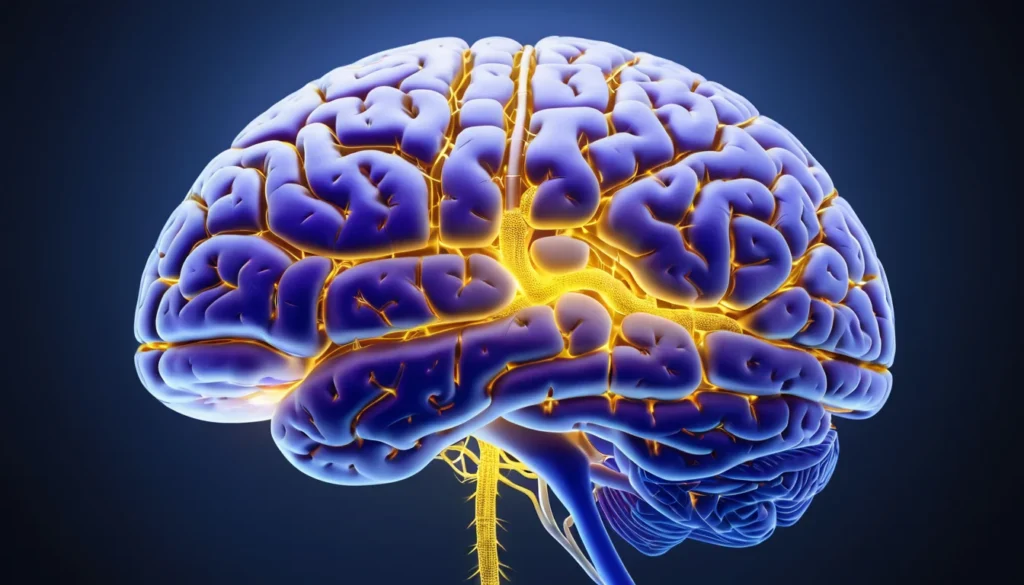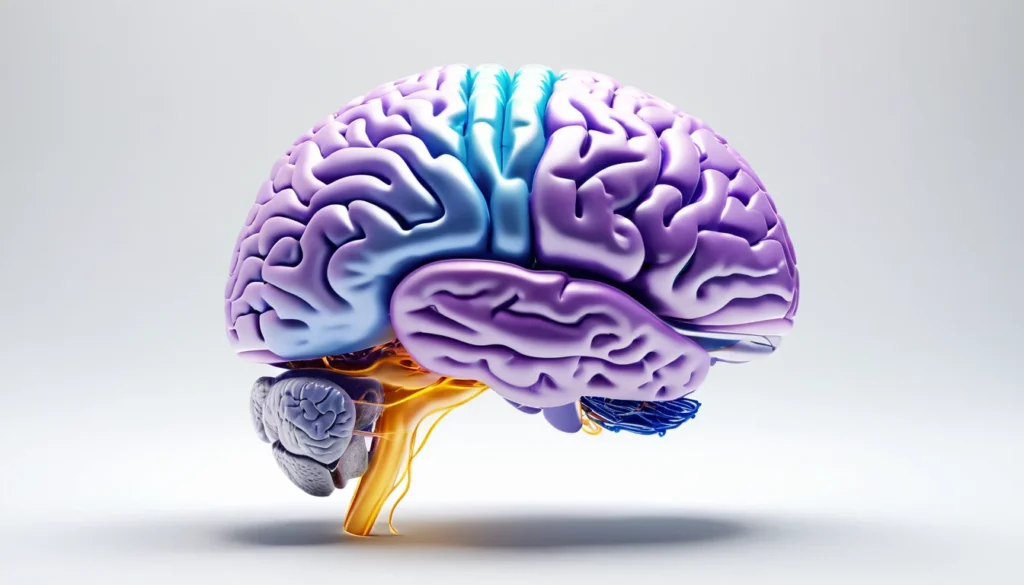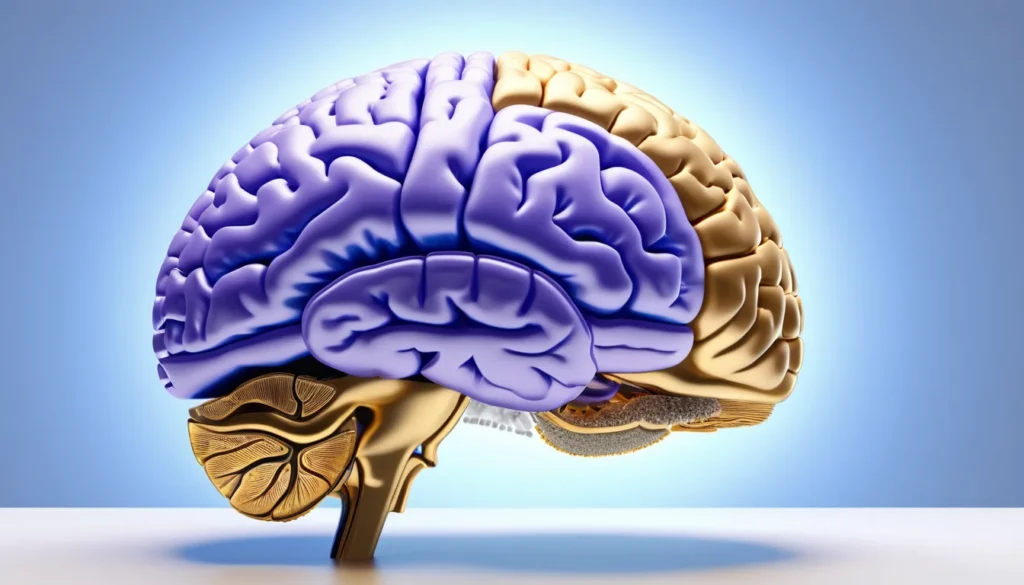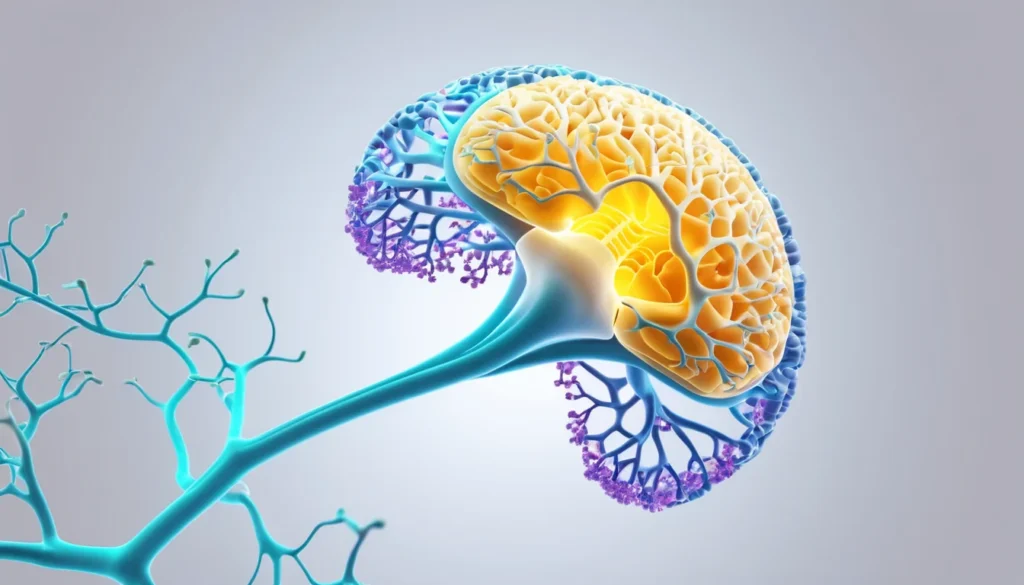
Serotonin is a chemical your body makes naturally, and it plays a much bigger role than most people realise. Often called the “happiness hormone,” serotonin affects your mood, digestion, sleep, memory, and even your bones. Understanding how serotonin works can help you take better care of your mental and physical health.
What Is Serotonin?
Serotonin is a chemical messenger found mostly in your brain, gut, and blood platelets. Its scientific name is 5-hydroxytryptamine, or 5-HT. Your body produces it by combining tryptophan — a protein building block found in food — with other natural compounds through a series of chemical steps.
Scientists sometimes call serotonin a neurotransmitter, because it carries signals between nerve cells. Others classify it as a hormone, because your gut produces most of it. In reality, it acts as both. Healthline explains how serotonin functions as both a neurotransmitter and a hormone.
What Does Serotonin Do in Your Body?
Serotonin has a wide range of jobs throughout your body. It does far more than simply boost your mood. Here is a look at its key functions.
Mood and Mental Health
Inside your brain, serotonin has a strong effect on how you feel. It helps regulate mood, anxiety, and feelings of well-being. Low serotonin levels are often linked to depression and anxiety disorders.
However, the relationship is not perfectly clear. Researchers are still working to understand whether low serotonin causes depression, or whether depression causes serotonin levels to drop.
Digestion and Gut Health
About 90% of your body’s serotonin is actually found in your gut — not your brain. Your intestines use serotonin to control bowel movements and regulate your appetite during meals. When you eat something that upsets your stomach, your gut releases more serotonin to speed up digestion and flush out the irritant. This is why nausea and diarrhoea are common responses to food poisoning.
Sleep and Your Body Clock
Serotonin is a building block for melatonin, the hormone that controls your sleep cycle. Therefore, healthy serotonin levels support better sleep and help regulate your body’s internal clock. Poor sleep is often connected to disruptions in serotonin production.
Blood Clotting
When you get a cut or injury, your blood platelets release serotonin. This helps narrow blood vessels and slow blood flow, which supports the clotting process. In this way, serotonin plays an important role in healing.
Bone Health
Some researchers have found a connection between serotonin levels in the bones and the risk of osteoporosis. Higher serotonin in bone tissue may be linked to lower bone density. However, scientists are still debating these findings, and more research is needed.
Sexual Function and Appetite
Serotonin also helps regulate sexual drive and appetite. Imbalances can affect both. In addition, some antidepressant medications that work on serotonin are known to affect sexual function as a side effect.
Serotonin and Depression
Depression is a complex condition, and researchers have studied the role of serotonin in depression for over 50 years. The current understanding is that depression may involve an imbalance of neurotransmitters, including serotonin — but it is rarely the only factor involved.
Low serotonin levels are associated with several symptoms, including:
Persistent low mood or sadness
Anxiety and irritability
Trouble sleeping or sleeping too much
Cravings for sugary foods or carbohydrates
Poor memory or difficulty concentrating
Low self-esteem
Aggressive or impulsive behaviour
If you recognise several of these symptoms in yourself, it is worth speaking to a healthcare provider. The Mayo Clinic provides a thorough overview of depression symptoms and causes.
Antidepressants and Serotonin Treatment
One of the most common treatments for depression involves medications called selective serotonin reuptake inhibitors, or SSRIs. These drugs work by preventing your brain from reabsorbing serotonin too quickly. As a result, more serotonin stays available in the spaces between nerve cells.
In Canada, SSRIs are prescribed by family doctors and psychiatrists. They are covered under many provincial drug benefit programmes, though coverage varies by province. Common SSRIs include medications like fluoxetine, sertraline, and escitalopram.
Do Antidepressants Work for Everyone?
Not everyone responds to SSRIs in the same way. Some people experience significant improvement, while others see little benefit. It can also take several weeks before the full effect is felt.
SSRIs are also used beyond depression. Doctors prescribe them to treat anxiety disorders, migraines, premenstrual syndrome (PMS), and symptoms of Parkinson’s disease.
Possible Side Effects
Like all medications, SSRIs can cause side effects. These may include:
Nausea or diarrhoea
Dizziness or headaches
Weight changes
Excessive sweating
Trouble sleeping or drowsiness
Dry mouth
Sexual dysfunction
In rare cases, increased thoughts of self-harm (especially in young people starting treatment)
Always discuss side effects with your doctor or pharmacist. Never stop taking antidepressants suddenly without medical guidance, as this can cause withdrawal symptoms.
Serotonin Syndrome: When There Is Too Much Serotonin
Serotonin syndrome happens when too much serotonin builds up in your body. This is usually caused by taking two or more medications or substances that both raise serotonin levels at the same time. It can also be triggered by illegal drugs or certain natural supplements.
Symptoms typically appear within six to eight hours of taking a new medication or increasing a dose. Serotonin syndrome can range from mild to life-threatening.
Common Symptoms of Serotonin Syndrome
Agitation and restlessness
Confusion
Rapid heart rate and high blood pressure
Dilated pupils
Diarrhoea
Headache and chills
Excessive sweating
Muscle rigidity or twitching
In severe cases, serotonin syndrome can cause high fever, irregular heartbeat, seizures, and loss of consciousness. Severe serotonin syndrome can be fatal in a small percentage of cases. This is a medical emergency — call 911 or go to your nearest emergency room immediately.
What Triggers Serotonin Syndrome?
Common triggers include combining SSRIs with certain pain medications, migraine drugs, or herbal supplements like St. John’s Wort. Recreational drugs such as MDMA (ecstasy) can also cause a dangerous serotonin surge, especially when mixed with prescription medications.
Carcinoid tumours — small, slow-growing tumours found in the gastrointestinal tract — can also release excessive amounts of serotonin into the bloodstream. These tumours often have no obvious symptoms and are sometimes found during routine tests or imaging for another condition.
Treating Serotonin Syndrome
Treatment focuses on removing the cause and managing symptoms. In mild cases, simply stopping the medication may be enough to bring serotonin levels back to normal. More serious cases require hospitalisation. Treatment may include medications to control muscle activity, stabilise heart rate, and block excess serotonin activity.
When to See a Doctor
If you think your mood, sleep, or digestion might be affected by a serotonin imbalance, the best first step is to talk to your family doctor. If you do not have a family doctor, a walk-in clinic can be a good starting point for an initial assessment.
You should seek medical advice promptly if you:
Have been feeling persistently sad, anxious, or hopeless for two weeks or more
Are experiencing side effects from an antidepressant or other medication
Are taking multiple medications and develop new symptoms suddenly
Are considering starting a new supplement alongside a prescription medication
If you or someone you know is in crisis, contact the 988 Suicide Crisis Helpline by calling or texting 988. This service is available across Canada, 24 hours a day. Health Canada also provides mental health resources and support information.
This article is for informational purposes only and does not replace professional medical advice. Always consult your doctor or a qualified healthcare provider before making changes to your medications or treatment plan.
Frequently Asked Questions About Serotonin
What does serotonin actually do in the body?
Serotonin is a chemical messenger that regulates mood, digestion, sleep, blood clotting, and appetite. It acts as both a neurotransmitter in the brain and a hormone in the gut. Because serotonin affects so many systems, imbalances can show up in many different ways throughout the body.
What are the signs of low serotonin?
Low serotonin levels may cause symptoms such as persistent low mood, anxiety, poor sleep, sugar cravings, low self-esteem, and difficulty concentrating. However, these symptoms can also be caused by other conditions, so it is important to speak with your doctor for a proper assessment.
Can you increase serotonin naturally?
Some research suggests that regular exercise, sunlight exposure, a diet rich in tryptophan (found in foods like turkey, eggs, and nuts), and mindfulness practices may support healthy serotonin levels. However, if you are experiencing significant symptoms, natural approaches alone may not be enough, and medical advice is recommended.
Is serotonin the same as dopamine?
No, serotonin and dopamine are two different chemicals, though both affect mood. Dopamine is more closely linked to motivation, reward, and pleasure, while serotonin is more associated with feelings of calm, well-being, and emotional stability. Both neurotransmitters play important roles in mental health.
How dangerous is serotonin syndrome?
Serotonin syndrome can range from mild discomfort to a life-threatening emergency. Severe serotonin syndrome can cause high fever, seizures, and irregular heartbeat. If you suspect serotonin syndrome, you should go to the emergency room or call 911 right away.
Do I need a prescription to treat low serotonin in Canada?
Yes. Medications that directly affect serotonin levels, such as SSRIs, require a prescription from a licensed doctor in Canada. Your family doctor or a walk-in clinic physician can evaluate your symptoms and recommend the right treatment option for your situation.
Key Takeaways
Serotonin is a chemical that influences mood, digestion, sleep, blood clotting, and bone health.
Most serotonin is produced in your gut, not your brain.
Low serotonin is linked to depression and anxiety, but the exact relationship is still being studied.
SSRIs are a common, prescription-based treatment for low serotonin and depression in Canada.
Too much serotonin can cause serotonin syndrome, which is a serious medical condition requiring immediate care.
Always talk to your family doctor or visit a walk-in clinic before changing any medication or starting new supplements.
If you are in crisis, call or text 988 for free, confidential support anywhere in Canada.