Septic arthritis is a painful and potentially dangerous joint infection that can cause permanent damage if not treated quickly. It occurs when bacteria, viruses, or fungi enter a joint — either through the bloodstream or through a wound near the joint. The knee, hip, and shoulder are the most commonly affected joints, and without prompt medical intervention, the infection can destroy cartilage and bone within days.
How Is Septic Arthritis Diagnosed in Canada?
Also known as infectious arthritis, this condition can affect anyone, but certain Canadians face a higher risk — including those with pre-existing joint conditions, weakened immune systems, or artificial joints. Understanding the causes, recognizing the early symptoms, and knowing what treatment options are available across Canada can make a critical difference in outcomes. In this article, you will learn everything you need to know about joint infection causes, diagnosis, and recovery.
What Is Septic Arthritis?
Treatment Options for Septic Arthritis: Benefits and Considerations
| Treatment Option | How It Works | Benefits | Key Considerations |
|---|---|---|---|
| Intravenous (IV) Antibiotics | Delivered directly into the bloodstream via hospital IV line to rapidly eliminate the infecting bacteria | Fast-acting; effective against severe or systemic infection; first-line treatment in Canadian hospitals | Typically requires 2–4 weeks of treatment; antibiotic choice depends on culture results and local resistance patterns |
| Oral Antibiotics | Taken by mouth after initial IV therapy to complete the course of treatment at home | Allows transition to outpatient care; more convenient for patients; lower cost | Only suitable once infection is under control; adherence to the full course is essential to prevent relapse |
| Joint Aspiration (Needle Drainage) | A needle is inserted into the infected joint to remove pus and infected fluid, reducing pressure and bacterial load | Minimally invasive; provides immediate pain relief; can be repeated as needed | May need to be performed multiple times; done under imaging guidance in some Canadian centres |
| Surgical Drainage (Arthroscopy or Open Surgery) | Surgeon directly cleans the joint cavity, removes infected tissue, and flushes the joint | Most thorough method of clearing infection; preferred for hip joints or when aspiration fails | Requires general or regional anaesthesia; longer recovery time; risk of surgical complications |
| Physiotherapy and Rehabilitation | Guided exercises restore joint mobility, strength, and function after the infection has resolved | Reduces long-term joint damage; improves range of motion; supports return to daily activities | Should begin only after infection is cleared; may be referred through provincial health services or private clinics |
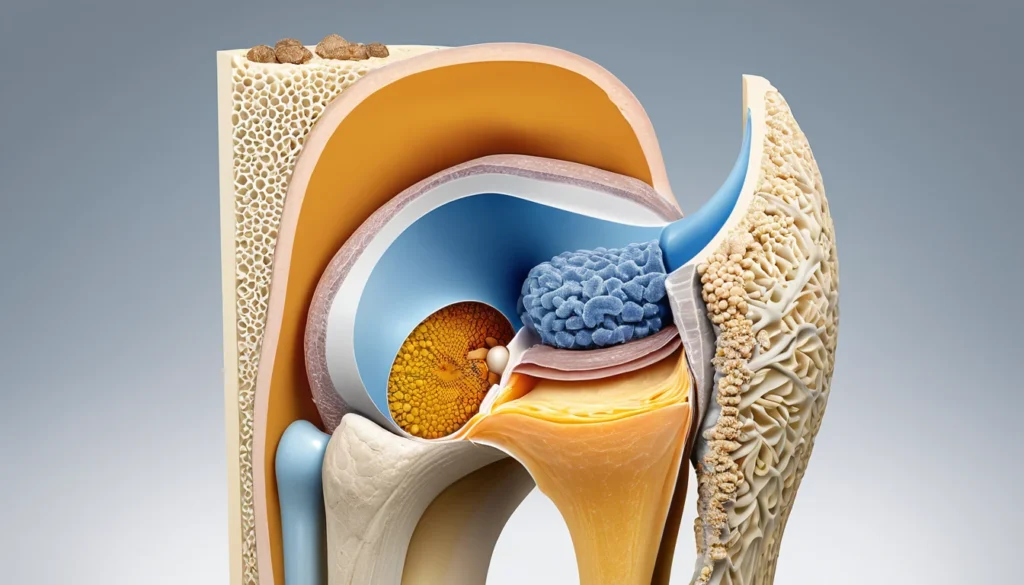
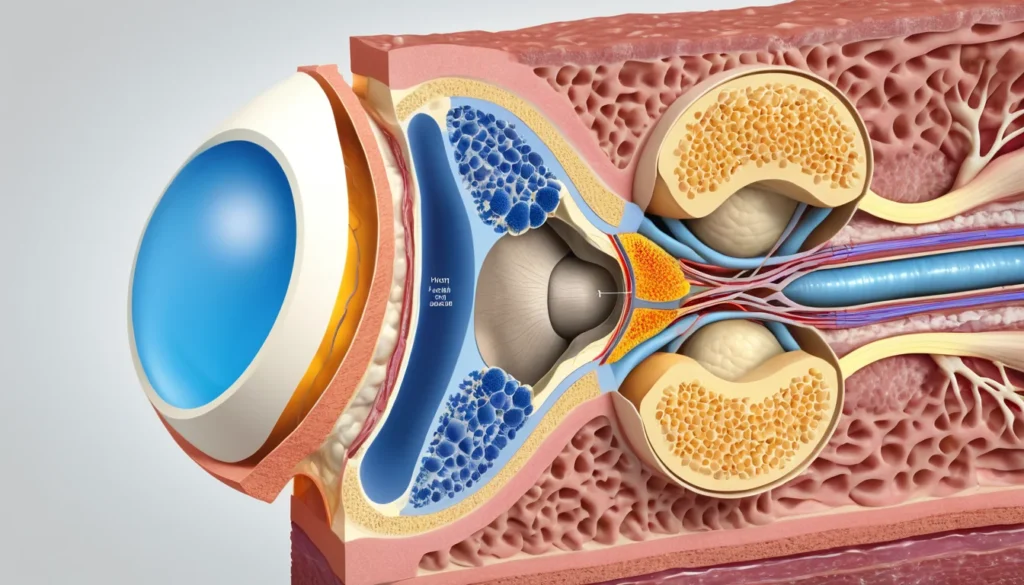
Septic arthritis — also called infectious arthritis — is an infection inside a joint. The infection is usually caused by bacteria that travel through the bloodstream from another part of the body. For example, a skin infection or urinary tract infection can spread to a joint.
Less commonly, septic arthritis can develop after a puncture wound, animal bite, or surgery near a joint. The infection triggers inflammation, which then causes further damage to the joint’s cartilage and bone. This is why fast treatment is so important.
Children and adults over 65 are especially vulnerable to this condition. People with artificial joints — such as a hip or knee replacement — also face a higher risk. According to the Mayo Clinic’s overview of infectious arthritis, early diagnosis and treatment are essential to prevent lasting joint damage.
Signs and Symptoms of Septic Arthritis
Septic arthritis usually causes sudden and intense pain in the affected joint. The joint may also appear swollen, red, and feel warm to the touch. These are classic signs of inflammation caused by infection.
Fever is another common symptom. It can range from mild to high, depending on how severe the infection is. Moving the joint becomes very difficult and painful. However, the pain often eases when the joint is kept still or immobilised.
Symptoms in Artificial Joints
When septic arthritis develops in an artificial joint — such as a prosthetic hip or knee — the symptoms are often much milder. They tend to develop slowly over several months or even years after joint replacement surgery.
This gradual onset makes it easy to overlook. If you have had a joint replaced and notice increasing discomfort or swelling around the area, speak with your family doctor as soon as possible. Early detection leads to much better outcomes.
What Causes Septic Arthritis?
Bacterial infections are the most common cause of septic arthritis. Staphylococcus aureus — often called staph — is responsible for the majority of cases. This bacteria can spread to a joint from a skin infection, respiratory illness, or urinary tract infection through the bloodstream.
Viral and fungal infections can also cause infectious arthritis, though this is less common. In addition, direct injury to a joint — such as an animal bite, a deep cut, or a penetrating wound — can introduce infection directly into the joint space.
The joint has some natural protection against infection through its inner layers. However, this protection has limits. Once bacteria enter the joint, the body’s inflammatory response — while trying to fight the infection — can actually make the joint damage worse.
Risk Factors for Septic Arthritis
Certain health conditions and circumstances can raise your chances of developing septic arthritis. Understanding these risk factors can help you and your healthcare provider stay alert.
Pre-existing Joint Conditions
Chronic joint conditions such as osteoarthritis, rheumatoid arthritis, gout, or lupus can weaken the joint’s natural defences. As a result, bacteria can more easily take hold in an already inflamed or damaged joint.
Furthermore, people with rheumatoid arthritis often take medications that suppress the immune system. These immunosuppressive drugs are necessary to control the disease, but they also increase the risk of developing infections like septic arthritis.
Artificial Joints
An artificial joint — such as a total knee or hip replacement — can become a site of infection, particularly during or shortly after surgery. However, infections can also develop years later. Canadians who have undergone joint replacement surgery through their provincial health plan should be aware of this long-term risk.
Weakened Immune System
People with diabetes, kidney disease, or liver disease have a weakened immune system that is less able to fight off infection. Similarly, individuals receiving cancer treatment or other immunosuppressive therapy face a higher risk.
Skin Conditions and Wounds
Skin that breaks down easily — due to conditions like psoriasis or eczema — can allow bacteria to enter the body. Animal bites, puncture wounds, or cuts near a joint are also direct pathways for infection. Therefore, even a minor wound near a joint should be cleaned and monitored carefully.
For a comprehensive look at risk factors, Healthline’s guide to septic arthritis offers a helpful breakdown of who is most vulnerable.
When to See a Doctor
You should seek medical attention right away if you experience sudden, severe pain in any joint — especially if the joint is also swollen, red, or warm. Do not wait to see if it improves on its own. Septic arthritis can cause permanent joint damage within days if left untreated.
In Canada, you have several options for getting care quickly. You can call your family doctor for an urgent appointment, visit a walk-in clinic, or go to your nearest emergency department if the pain is severe or you also have a high fever.
If you have an artificial joint and notice any new or worsening pain around it — even mild discomfort — contact your doctor or orthopaedic specialist through your provincial health plan referral. Infections in prosthetic joints can be subtle but very serious.
How Is Septic Arthritis Diagnosed?
A doctor will begin with a physical examination and ask about your symptoms, medical history, and any recent infections or injuries. From there, one or more tests will help confirm the diagnosis.
Joint Fluid Analysis
This is the most important diagnostic test for septic arthritis. The doctor inserts a needle into the joint space and draws out a small amount of fluid. In a healthy joint, this fluid is clear and present in small amounts. Infection changes the colour, consistency, and volume of the fluid. Lab tests on the fluid can identify the specific bacteria or organism causing the infection.
Blood Tests
Blood tests help detect signs of infection throughout the body. Elevated white blood cell counts and other inflammatory markers can support the diagnosis. These tests are quick and widely available at hospitals and labs across Canada.
Imaging Tests
X-rays can show damage to the bones and cartilage within the joint. In some cases, an MRI or ultrasound may be used to get a clearer picture of the extent of the infection and any structural damage.
Treatment Options for Septic Arthritis
Treatment for septic arthritis must begin as soon as possible. The two main goals are to clear the infection and drain the infected fluid from the joint. Both steps are usually needed together.
Antibiotics
Antibiotic treatment usually begins right away — even before lab results confirm the specific bacteria involved. The initial antibiotics are broad-spectrum, meaning they target a wide range of bacteria. Once the lab identifies the exact organism, the doctor may switch to a more targeted antibiotic.
Antibiotics are typically given through an IV (intravenously) in hospital at first. After a period of improvement, treatment may continue with oral antibiotics at home. The full course of treatment can last several weeks.
Joint Drainage
Removing the infected fluid from the joint is essential. There are several methods a doctor may use, depending on the joint and the severity of the infection.
Needle drainage: The doctor uses a needle and syringe to draw the infected fluid directly out of the joint. This may need to be repeated more than once.
Arthroscopy: A thin, flexible tube with a camera — called an arthroscope — is inserted into the joint. This allows the doctor to see inside the joint and flush out the infected fluid. This is a minimally invasive procedure.
Open surgery: In more severe cases, or when the hip joint is involved, open surgery may be necessary to fully drain and clean the joint space.
For infected artificial joints, treatment is more complex. The prosthesis may need to be removed, the infection fully cleared, and a new joint implanted after recovery.
The Health Canada health information portal provides up-to-date resources on managing joint conditions and accessing care through Canada’s healthcare system.
Possible Complications
When treatment is delayed, septic arthritis can lead to serious and permanent consequences. The infection can destroy the cartilage and bone within the joint, leading to chronic pain and reduced mobility.
In artificial joints, delayed treatment can cause the prosthesis to loosen or dislocate. This often requires additional surgery to correct. Therefore, acting quickly at the first sign of a problem is critical for protecting long-term joint health.
Frequently Asked Questions About Septic Arthritis
What are the first signs of septic arthritis?
The first signs of septic arthritis usually include sudden and intense pain in one joint, along with swelling, redness, and warmth around the area. A fever is also common. These symptoms can develop very quickly — sometimes within hours — so it is important to seek medical attention right away.
Can septic arthritis go away on its own?
No, septic arthritis will not go away without medical treatment. Without antibiotics and joint drainage, the infection will continue to spread and cause permanent damage to the joint. If you suspect you have a joint infection, do not wait — visit your family doctor, a walk-in clinic, or an emergency department as soon as possible.
Who is most at risk for septic arthritis in Canada?
People most at risk for septic arthritis include young children, adults over 65, and those with pre-existing joint conditions such as rheumatoid arthritis. Canadians who have had joint replacement surgery, or who have a weakened immune system due to diabetes or immunosuppressive medication, are also at higher risk.
How is septic arthritis treated?
Septic arthritis is treated with a combination of antibiotics and joint drainage. Antibiotics are usually given through an IV in hospital first, then continued as oral medication at home. The infected fluid inside the joint must also be drained using a needle, arthroscopy, or surgery, depending on the severity of the infection.
Can septic arthritis affect a joint replacement?
Yes, septic arthritis can develop in an artificial joint such as a hip or knee replacement. Symptoms in a prosthetic joint are often mild and develop slowly over months or years, which makes them easy to miss. If you have a joint replacement and notice any new pain or swelling, speak with your doctor or orthopaedic specialist promptly.
How long does it take to recover from septic arthritis?
According to Mayo Clinic’s overview of bone and joint infections, this information is supported by current medical research.
For more information, read our guide on peritonitis, another serious bacterial infection.
Recovery from septic arthritis depends on how quickly treatment begins and how severely the joint was affected. Antibiotic treatment typically lasts two to six weeks. Physical rehabilitation is often needed afterward to restore strength and movement. Early treatment greatly improves the chance of a full recovery with minimal lasting damage.
Key Takeaways
Septic arthritis is a serious joint infection caused by bacteria, viruses, or fungi that enter a joint through the bloodstream or a wound.
Symptoms include sudden joint pain, swelling, redness, warmth, and fever — these require urgent medical attention.
High-risk groups include children, adults over 65, people with rheumatoid arthritis, and those with artificial joints.
Diagnosis involves joint fluid analysis, blood tests, and imaging such as X-rays or MRI.
Treatment combines antibiotic therapy with drainage of the infected joint fluid — both must happen quickly to prevent permanent damage.
Canadians can access care through their family doctor, a walk-in clinic, or a hospital emergency department. Those with provincial health coverage who have had joint replacement surgery should stay in regular contact with their orthopaedic specialist.
Always speak with your doctor or a qualified healthcare provider before making any decisions about your health. Only a medical professional can diagnose and treat conditions like septic arthritis.
Frequently Asked Questions
What is septic arthritis?
Septic arthritis is a serious joint infection caused by bacteria, viruses, or fungi that enter a joint, triggering rapid inflammation and destruction of cartilage. It most commonly affects the knee, hip, or shoulder. Without prompt treatment, it can cause permanent joint damage, making early diagnosis critical.
What are the symptoms of septic arthritis?
Common symptoms include sudden, severe joint pain, swelling, warmth, and redness around the affected joint. Most people also develop fever, chills, and fatigue. The joint typically feels extremely tender and movement becomes very limited. In infants and young children, irritability and reluctance to move a limb may be the primary signs.
How is septic arthritis treated in Canada?
Septic arthritis is treated with intravenous antibiotics administered in hospital, typically for at least two weeks, followed by oral antibiotics. The infected joint is also drained of fluid through needle aspiration or surgery. Early treatment significantly improves outcomes and reduces the risk of permanent joint damage or disability.
When should you see a doctor for septic arthritis?
Seek emergency medical care immediately if you experience sudden, severe joint pain with swelling, redness, warmth, and fever. Septic arthritis progresses rapidly and can destroy a joint within days. In Canada, go to your nearest emergency department rather than waiting for a scheduled appointment with your family doctor.
Can septic arthritis be prevented?
Prevention includes promptly treating bacterial infections like skin infections or sexually transmitted infections before they spread to joints. Keeping wounds clean, maintaining good hygiene, and staying current with vaccinations also help reduce risk. People with joint replacements, rheumatoid arthritis, or weakened immune systems should take extra precautions and report infections early.