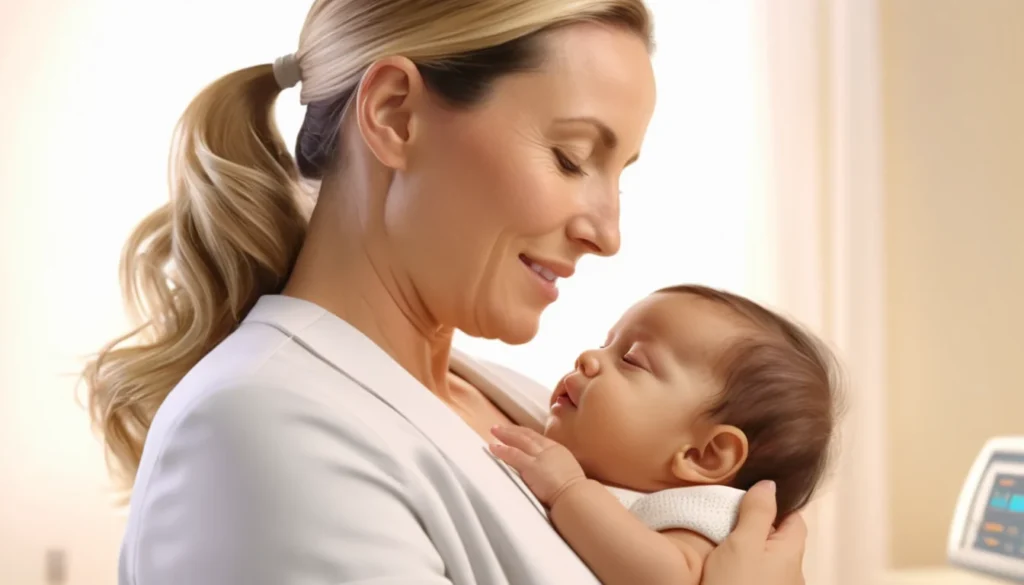
Separation anxiety in babies is one of the most common and emotionally challenging experiences in early parenthood, affecting nearly every Canadian family at some point during the first two years. If your little one bursts into tears every time you step out of the room, rest assured — this reaction is a completely normal part of healthy development.
What Causes Separation Anxiety in Babies and When Does It Peak?
Understanding when separation anxiety starts and why it happens can help you respond with confidence instead of guilt. Most infants begin showing signs around 8 months of age, with the baby separation anxiety age peak falling between 10 and 18 months. This guide, written for Canadian parents and caregivers, explains the science behind the tears and shares practical, evidence-based strategies to make goodbyes a little easier for both of you.
What Is Separation Anxiety in Babies?
Stages of Separation Anxiety in Babies: Characteristics and Management Strategies
| Age Stage | Common Characteristics | Typical Duration | Management Strategies |
|---|---|---|---|
| 6–8 Months | First signs of separation anxiety in babies emerge; increased clinginess, crying when caregiver leaves, stranger awareness begins | Weeks to a few months; varies by infant | Consistent goodbye routines, brief separations to build trust, responsive caregiving |
| 9–12 Months | Peak intensity of distress; loud crying, reaching for caregiver, difficulty settling with unfamiliar adults, disrupted sleep | Can persist several months; normal developmental phase | Predictable daily schedules, comfort objects (e.g., blanket or stuffed animal), short practice separations |
| 12–18 Months | Protests at daycare drop-off, increased tantrums during transitions, may shadow caregivers around the home | Episodic flare-ups; typically reduces with language development | Simple reassuring language, gradual daycare transitions, maintaining consistent caregivers |
| 18–24 Months | Separation distress linked to growing independence; protests before naps or bedtime, may request caregiver repeatedly | Usually decreases as verbal skills improve | Bedtime routines, read-ahead books about separation, validate feelings with simple words |
| 2–3 Years | Lingering anxiety in some toddlers; clinginess around new environments such as preschool, regression during stressful events | Typically resolves by age 3; consult a paediatrician if severe | Gradual exposure to new settings, positive reinforcement, referral to a Canadian paediatric health professional if needed |
Separation anxiety is the distress a baby or toddler feels when separated from a parent or primary caregiver. It usually begins around 8 months of age and can peak between 10 and 18 months. For many children, it eases by age 2 to 3.
This behaviour is completely normal. It is actually a healthy sign that your child has formed a strong, loving bond with you. However, it can still be hard to manage — especially on busy mornings before daycare or work.
According to the World Health Organization, emotional development in early childhood plays a key role in long-term mental health. Understanding what your baby is going through is the first step toward helping them.
How Does Separation Anxiety Develop?
Newborns and young babies under 6 months adapt fairly easily to different caregivers. As long as their basic needs are met — feeding, comfort, warmth — most young infants settle without much fuss. Interestingly, parents often feel more anxious about separation than their newborns do.
The “Out of Sight, Out of Mind” Stage
Between 4 and 7 months, something important shifts in your baby’s brain. They begin to develop what child development experts call object permanence. This means they start to understand that people and objects still exist even when they cannot see them.
You may notice this when your baby drops a toy from their high chair and looks down for it — then drops it again the moment you hand it back. This is not just a game. It is your baby testing whether things come back after they disappear.
The same logic applies to you. Your baby now knows you exist somewhere — even when you are out of sight. However, they do not yet understand time. Whether you have stepped into the kitchen or left for work, it feels exactly the same to them: you are gone, and they do not know when you will return.
The Peak Anxiety Stage
Between 8 months and 1 year, babies grow more aware of the world around them. Strangely, this new independence also makes them cling more. As a result, separation anxiety tends to peak during this window.
Your baby may cry, reach for you, or refuse to be calmed by anyone else. This reaction happens whether you are stepping out for two minutes or two hours. To your baby, the separation feels the same either way.
Some children go through this stage later, between 18 months and 2.5 years. Others seem to skip it almost entirely. Every child’s development is different, and there is no single “right” timeline.
What Triggers Separation Anxiety?
While separation anxiety is a natural part of development, certain life changes can trigger or intensify it — even in older children who seemed to have already moved past it. Common triggers include:
Starting at a new daycare or with a new caregiver
The arrival of a new sibling
Moving to a new home
Changes or tension within the family
Starting school for the first time
These events disrupt your child’s sense of routine and safety. Therefore, even a child who handled goodbyes well before may suddenly struggle again. This is a normal response to change, not a setback in development.
How Long Does Separation Anxiety Last?
The duration of separation anxiety in babies and toddlers varies widely. For most children, the intensity eases naturally as they grow and begin to understand that you always come back. By age 3, many children can manage short separations with little distress.
However, some children continue to struggle into their early school years. In these cases, how parents respond plays a big role in how quickly the anxiety fades. We will cover helpful strategies in the next section.
When Separation Anxiety May Signal Something More
If separation anxiety appears suddenly in an older child — say, age 7 or 8 — and seems intense or out of character, it may point to something beyond typical development. Bullying at school, a traumatic event, or a more serious anxiety disorder can sometimes present this way.
Furthermore, if the anxiety is interfering with daily life — preventing your child from attending school, sleeping alone, or spending time with friends — it is worth speaking to a healthcare professional. The Mayo Clinic notes that separation anxiety disorder is a recognised condition that responds well to treatment when caught early.
What Does the Parent Feel?
It is easy to focus entirely on your child’s emotions during this stage. However, parents feel a wide range of emotions too — and those feelings are just as valid.
Some parents feel a quiet sense of joy. After months of wondering whether their baby truly needs them, seeing that fierce attachment can feel deeply reassuring. Others feel overwhelmed by the intensity of their child’s need for closeness.
Many parents also feel guilty — guilty for going to work, guilty for needing personal time, or guilty for leaving their child upset with a caregiver. This guilt is common, but try to keep this in mind: your child’s protest at separation is actually a sign of a healthy, secure attachment. That is something to feel good about.
In addition, every time you leave and return safely, you are teaching your child something powerful: the world is safe, and the people they love always come back.
How to Say Goodbye Without Tears: Practical Strategies
There is no magic fix for separation anxiety in babies and toddlers. However, these tried-and-true strategies can make goodbyes much smoother for everyone involved.
Plan Ahead
Timing matters more than most parents realise. Try to schedule separations after your child has eaten and slept. A hungry, tired child will always struggle more with goodbyes. If possible, avoid leaving during the 8-to-12-month window when anxiety is at its peak — particularly if you are introducing a new daycare or caregiver for the first time.
When introducing a new caregiver or daycare centre, take it slowly. Invite the caregiver to your home first so your child can get to know them while you are present. Visit the daycare together a few times before the first official drop-off. Familiarity builds confidence.
Create a Goodbye Ritual
A short, consistent goodbye routine gives your child something predictable to hold onto. It might be a special wave, a hug and a kiss, and a simple phrase like “I love you — I will be back after lunch.” Keep it warm, keep it brief, and keep it the same each time.
Children do not understand clock time, but they do understand daily landmarks. Phrases like “after your nap” or “when the cartoon is over” are much more meaningful to a toddler than “in two hours.”
Stay Calm and Confident
Children read their parents’ emotions closely. If you look anxious or hesitant at the door, your child will sense that something is wrong. Take a breath, smile, say your goodbye, and leave. Lingering or sneaking out without saying goodbye both make things worse in the long run.
Reassure your child that you will return — and then follow through consistently. Over time, your child builds trust that your departures are always followed by your return. That trust is what eventually dissolves the anxiety.
Do Not Reward the Crying
This one is hard, but important. If you return to the room every time your child cries, or cancel your plans because of their distress, your child quickly learns that crying brings you back. As a result, the behaviour continues — and often intensifies.
This does not mean ignoring your child’s feelings. It means acknowledging them briefly, reassuring them, and then following through with your goodbye. Trust that your child’s caregiver can comfort them — and they usually do settle within a few minutes of your departure.
When to See a Doctor
Most separation anxiety in babies and young children is a normal phase that passes with time and consistent parenting. However, there are situations where you should reach out to a healthcare professional.
Talk to your family doctor or visit a walk-in clinic if:
Your child’s anxiety is severe and has lasted longer than four weeks
Your child refuses to go to school or daycare on a regular basis
The anxiety is interfering with your child’s sleep, eating, or social development
You notice signs of depression, withdrawal, or frequent physical complaints like stomachaches or headaches
Separation anxiety appears suddenly in an older child with no obvious cause
Your family doctor can assess your child and, if needed, refer you to a paediatric mental health specialist. Many provincial health plans in Canada cover these services. Early support makes a meaningful difference. As Health Canada emphasises, addressing children’s mental health early leads to better outcomes throughout life. Always consult your doctor before drawing conclusions about your child’s mental health.
Frequently Asked Questions
At what age does separation anxiety in babies usually start?
Separation anxiety in babies typically begins around 8 months of age. It often peaks between 10 and 18 months and gradually eases by the time a child reaches 2 to 3 years old. Some children experience it later or for longer, which can still be within the normal range.
Is separation anxiety in babies a sign of bad parenting?
Not at all — separation anxiety in babies is actually a sign of healthy attachment. It means your child has formed a strong emotional bond with you, which is exactly what good caregiving produces. The way you respond to the anxiety matters more than the fact that it exists.
How long does separation anxiety last in toddlers?
For most toddlers, separation anxiety eases significantly by age 2.5 to 3. However, the exact duration depends on the child’s temperament and how consistently parents respond. Some children experience waves of anxiety again during major life changes, such as starting school.
Should I stay until my child stops crying at daycare drop-off?
Staying until your child fully stops crying can unintentionally make separation anxiety worse over time. A brief, warm, and consistent goodbye routine is more effective than a long, drawn-out farewell. Most children calm down within a few minutes of a parent leaving — daycare staff see this every day.
When does separation anxiety become a disorder?
Separation anxiety becomes a concern when it is severe, lasts more than four weeks in older children, and interferes with daily activities like school attendance, sleep, or friendships. In these cases, it may indicate separation anxiety disorder, which is treatable with professional support. Speak to your family doctor if you are concerned.
Can separation anxiety in babies affect the parent’s mental health?
According to World Health Organization guidelines on early childhood emotional development, this information is supported by current medical research.
For more information, read our guide on recognizing urgent health signs in children.
Yes — managing a child’s intense emotional needs can be exhausting and emotionally draining for parents. Feelings of guilt, stress, and being overwhelmed are common during this stage. If you are struggling, talking to your family doctor or a mental health professional is a healthy and important step.
Key Takeaways
Separation anxiety in babies is a normal and healthy part of child development, usually starting around 8 months.
It peaks between 10 and 18 months and typically eases by age 2 to 3.
Your child’s protest at separation is a sign of secure attachment — not a problem you caused.
Consistent, calm, and brief goodbye routines help children feel safe and build trust over time.
Life changes like a new daycare, a new sibling, or a house move can trigger anxiety even in older children.
If anxiety is severe, persistent, or interfering with daily life, talk to your family doctor or visit a walk-in clinic.
Canada’s provincial health plans often cover referrals to paediatric mental health specialists when needed.
Frequently Asked Questions
What is separation anxiety in babies?
Separation anxiety in babies is a normal developmental stage where infants become distressed when separated from their primary caregiver. It typically begins around 6–8 months, peaks between 10–18 months, and gradually decreases by age 3. It reflects healthy emotional attachment and cognitive growth, not a behavioural problem.
What are the signs and symptoms of separation anxiety in babies?
Common symptoms include intense crying when a caregiver leaves, clinginess, refusal to go to unfamiliar people, sleep disturbances, and difficulty settling at daycare. Babies may also show distress in anticipation of separation. These reactions are developmentally normal and typically resolve as the child matures and builds trust.
How can parents help reduce separation anxiety in babies?
Parents can ease separation anxiety by establishing consistent goodbye routines, practising brief separations, using transitional comfort objects, and returning when promised. Staying calm and confident during goodbyes helps reassure your baby. Avoid sneaking away, as this can increase distrust and worsen anxiety over time.
Can separation anxiety in babies be prevented?
Separation anxiety cannot be fully prevented, as it is a healthy developmental milestone. However, building secure attachment through responsive caregiving, introducing new caregivers gradually, and practising short separations early can help babies cope better. A predictable daily routine also provides comfort and reduces overall distress.
When should I see a doctor about my baby’s separation anxiety?
Consult your paediatrician or family doctor if separation anxiety is severe, persists beyond age 3, significantly disrupts daily functioning, or causes extreme physical symptoms like vomiting. In Canada, your doctor can refer you to a child psychologist or developmental specialist if professional support or further assessment is needed.