Sensory adaptation is a process where your sense organs gradually reduce their response to a stimulus that stays constant or repeats over time. In simple terms, your brain learns to “tune out” things it no longer considers new or urgent. This is a completely normal part of how your body works. In this article, we explore what sensory adaptation is, why it happens, how it affects your daily life, and when it may be worth mentioning to your family doctor.
What Is Sensory Adaptation?
Your body is constantly receiving information from the world around you. Your eyes detect light, your ears pick up sound, your skin feels temperature and pressure, your nose detects smells, and your tongue identifies taste. These are your five main sense organs, and they all send signals to your brain.
However, your brain cannot pay equal attention to every signal all the time. Sensory adaptation is the way your nervous system manages this. When a stimulus stays the same for a period of time, your sensory receptors slow down their response to it. As a result, you stop noticing it as strongly — or sometimes at all.
For example, when you walk into a room that smells strongly of coffee, the scent hits you right away. But after a few minutes, you barely notice it. The smell has not gone away. Your nose has simply adapted to it. This is sensory adaptation in action.
How Sensory Adaptation Works in the Body
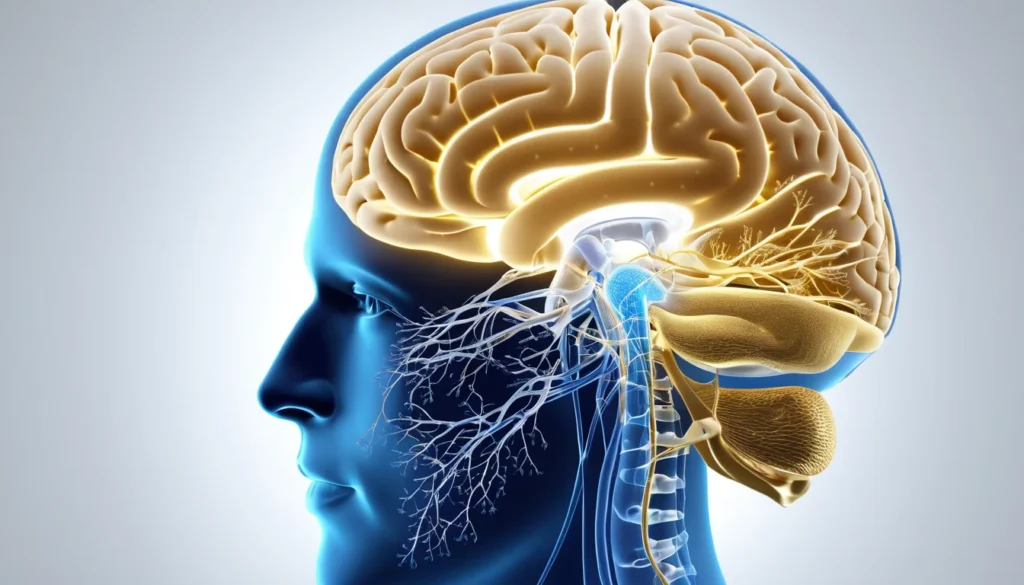
Your sensory receptors are specialized cells found in your eyes, ears, skin, nose, and tongue. Each type of receptor responds to a specific kind of stimulus, such as light, sound waves, pressure, chemicals, or temperature. When a new stimulus arrives, the receptor fires electrical signals to your brain.
When that same stimulus continues without changing, the receptor begins to fire less frequently. This is the core of sensory adaptation. Your nervous system is essentially saying, “I already know about this — it is not new information.” The brain shifts its attention elsewhere.
This process happens at the level of the receptor itself, not just in the brain. According to Healthline’s overview of sensory processing, receptor cells physically change their firing rate in response to ongoing stimulation. This is an efficient and protective mechanism built into your biology.
Tonic vs. Phasic Receptors
Not all receptors adapt at the same speed. Scientists divide sensory receptors into two broad groups: tonic and phasic.
Tonic receptors adapt slowly or not at all. They keep sending signals to the brain for as long as the stimulus is present. Pain receptors are a good example. Your body needs to keep feeling pain so it knows something is still wrong.
Phasic receptors adapt quickly. They fire strongly when a new stimulus begins, but their signal drops off fast. Smell receptors and touch receptors for light pressure are good examples. This is why you stop noticing the feeling of your clothing against your skin after a few seconds of putting it on.
Everyday Examples of Sensory Adaptation
Sensory adaptation plays a role in many ordinary experiences. Recognizing these examples can help you understand how your senses shape your daily life.
Smell
Smell adapts faster than almost any other sense. This is why people who smoke often cannot detect the odour on their own clothing. Their olfactory receptors have adapted to the constant presence of that smell. Similarly, walking into someone’s home, you may notice a distinct scent that the people living there no longer detect.
Touch and Pressure
When you first sit down in a chair, you feel the pressure of the seat against your body. Within moments, that feeling fades into the background. Your skin receptors have adapted. However, if you shift position, you feel the pressure again because it is now a new stimulus.
Vision and Light
When you walk from a bright outdoor space into a dark room, your eyes need time to adjust. This is called dark adaptation, and it is one of the most well-known forms of sensory adaptation. Your pupils widen and your retinal cells become more sensitive to low light. The reverse — moving from dark to bright — is called light adaptation, and it happens much more quickly.
Taste
If you eat a very salty snack, the first few bites may taste intensely salty. After a while, your taste buds adapt and the saltiness seems less overwhelming. This is why the last few chips in a bag can taste less flavourful than the first ones.
Temperature
Stepping into a cold swimming pool feels shocking at first. But within minutes, the water seems comfortable. Your skin’s temperature receptors have adapted to the new baseline. This is also why your bath water can feel too hot at first, then just right a moment later.
Why Sensory Adaptation Is Important for Your Health
Sensory adaptation serves several important functions. First, it prevents your brain from becoming overwhelmed. Imagine if you consciously felt the weight of your clothes, the sound of your own breathing, and the sensation of air on your skin all at once, all day long. Your brain would not be able to focus on anything important.
By filtering out constant, unchanging stimuli, your nervous system frees up mental resources for things that actually require your attention. This makes you more alert to changes in your environment, which can be critical for your safety.
Furthermore, sensory adaptation helps your body manage energy. Sending constant signals requires energy. By reducing firing rates for repeated stimuli, your receptors conserve resources. This is a remarkably efficient design.
According to the World Health Organization’s information on sensory health, maintaining healthy sensory function is closely linked to overall quality of life and independence, especially as we age.
When Sensory Adaptation May Signal a Problem
In most cases, sensory adaptation is perfectly healthy and automatic. However, there are situations where changes in your sensory responses may point to an underlying health concern.
Loss of Smell (Anosmia)
A sudden or prolonged loss of smell can sometimes be mistaken for sensory adaptation. However, true anosmia is a separate condition. It can be caused by viral infections, nasal polyps, head injuries, or neurological conditions. If you notice that your sense of smell has not returned after an illness, speak with your family doctor.
Numbness and Tingling
If areas of your skin feel persistently numb or tingly, this is not sensory adaptation. Numbness can be a sign of nerve compression, diabetes, vitamin deficiencies, or circulation problems. It should be evaluated by a healthcare provider.
Vision Changes
If your eyes are slow to adapt to light changes, or if your night vision has worsened noticeably, this could indicate a problem with your retina or cornea. Conditions like vitamin A deficiency, cataracts, or retinitis pigmentosa can affect your eye’s ability to adapt. A visit to an optometrist or ophthalmologist is a good first step.
Chronic Pain and Sensitization
While sensory adaptation reduces responses over time, the opposite — called sensitization — can also occur. In sensitization, repeated or ongoing pain actually makes your receptors more sensitive, not less. This is associated with conditions like fibromyalgia and chronic pain syndrome. If you experience pain that seems to be getting worse over time rather than fading, talk to your doctor.
For more information on how your nervous system processes pain and sensation, the Mayo Clinic’s resource on chronic pain offers a helpful and reliable overview.
When to See a Doctor
Most of the time, sensory adaptation is a natural and healthy process that needs no medical attention. However, there are clear signs that you should reach out to a healthcare provider.
Contact your family doctor or visit a walk-in clinic if you notice any of the following:
A sudden or unexplained loss of smell, taste, hearing, or vision
Persistent numbness, tingling, or burning sensations in any part of your body
Your eyes are slow to adjust when moving between light and dark environments
You have pain that increases over time rather than improving
You notice your child is not responding normally to sounds, light, or touch
In Canada, your first point of contact should be your family doctor or nurse practitioner. If you do not have a family doctor, a walk-in clinic can assess your symptoms and refer you to a specialist if needed. Most provincial health plans cover medically necessary visits related to sensory concerns, so do not hesitate to seek care.
It is always a good idea to speak with a qualified healthcare professional before drawing conclusions about any changes in your senses. Self-diagnosis can sometimes lead to unnecessary worry — or cause you to overlook something important.
Frequently Asked Questions About Sensory Adaptation
What is sensory adaptation in simple terms?
Sensory adaptation is when your sense organs gradually stop responding as strongly to a stimulus that stays the same over time. For example, you may stop noticing a background smell after a few minutes because your nose has adapted to it. It is a normal and healthy function of your nervous system.
Is sensory adaptation the same as getting used to something?
In everyday language, yes — sensory adaptation is essentially your body “getting used to” a constant stimulus. However, it is a specific biological process where sensory receptor cells actually change their firing rate in response to ongoing stimulation. It is different from simply choosing to ignore something.
Which sense adapts the fastest?
Smell (olfaction) is generally considered the sense that adapts the most quickly. Within a few minutes of exposure to a constant odour, most people stop noticing it. Touch receptors for light pressure also adapt very rapidly, which is why you stop feeling your clothes against your skin shortly after dressing.
Does sensory adaptation affect pain?
Pain receptors are designed to adapt very slowly, if at all, because your body needs ongoing pain signals to protect itself from harm. In fact, the opposite of sensory adaptation — called sensitization — can occur with chronic pain, making the sensation stronger over time. If your pain is worsening rather than improving, speak with your doctor.
Can sensory adaptation be a sign of a health problem?
Sensory adaptation itself is not a health problem — it is a normal body process. However, if you notice a sudden or lasting loss of a sense, persistent numbness, or worsening pain, these may be signs of an underlying condition that needs medical evaluation. Visiting your family doctor or a walk-in clinic is the right first step.
How is sensory adaptation different from sensory loss?
Sensory adaptation is temporary and automatic — your receptors reduce their response to a constant stimulus, but can still detect new or changing stimuli normally. Sensory loss means a sense organ or nerve pathway is damaged or impaired, leading to a permanent or prolonged reduction in function. If you are unsure which one you are experiencing, a healthcare provider can help clarify.
Key Takeaways
Sensory adaptation is a natural process where your sense organs reduce their response to constant or repeated stimuli.
It affects all five senses — smell, touch, taste, vision, and hearing — to varying degrees.
Smell adapts the fastest; pain receptors adapt the slowest, because pain needs to stay active to protect you.
Sensory adaptation is healthy and helps your brain focus on new and important information.
It is different from sensory loss, which involves damage to a sense organ or nerve pathway.
If you notice sudden or lasting changes in any of your senses, contact your family doctor or visit a walk-in clinic.
Most provincial health plans in Canada cover assessments related to sensory health — so do not put off getting checked out.