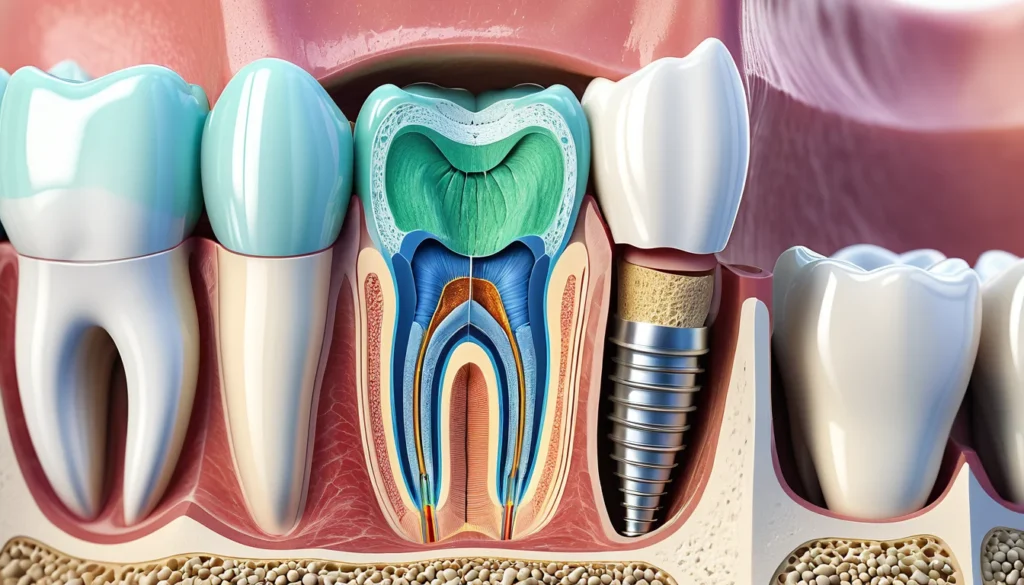
Sensitive teeth are one of the most common complaints dentists hear from patients across Canada. If you wince when you sip hot coffee, bite into ice cream, or eat something sweet or acidic, you already know the feeling. The sharp, sudden pain can stop you mid-bite — and it is a sign your teeth need attention. The good news is that tooth sensitivity is largely preventable, and there are simple steps you can take starting today.
What Are Sensitive Teeth?
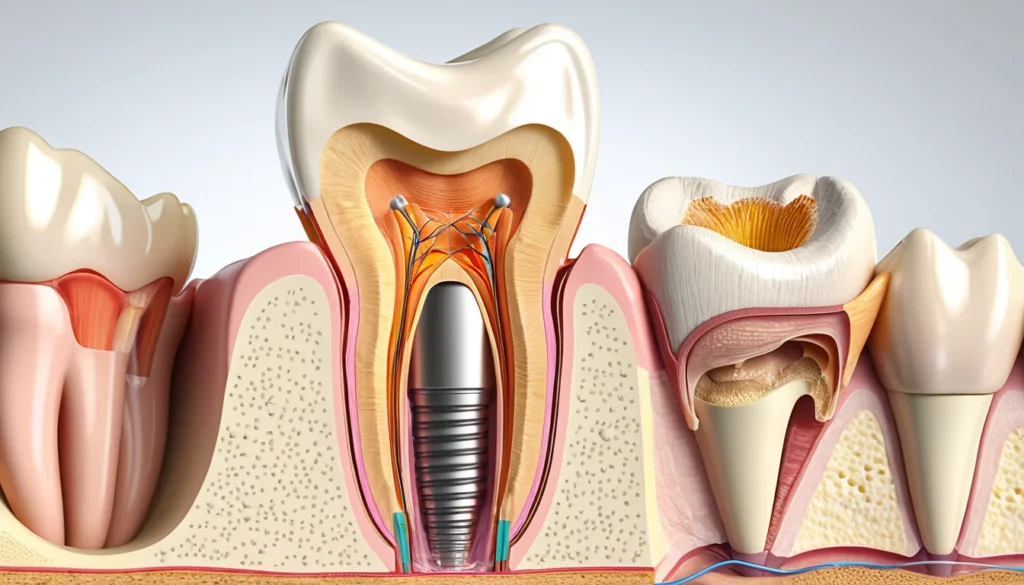
Sensitive teeth happen when the inner layer of your tooth, called dentine, becomes exposed. Dentine sits just below the hard outer enamel. It contains thousands of tiny tubes that connect to the nerve at the centre of your tooth.
When dentine loses its protective covering, temperature changes, pressure, or sweet and acidic foods can travel through those tubes and trigger the nerve. The result is a sharp, short burst of pain. In some cases, the pain can be deeper and longer-lasting.
Normally, dentine is protected by three things: enamel on the visible part of the tooth, cementum on the root, and your gum tissue. When any of these barriers break down, sensitivity follows.
Common Causes of Sensitive Teeth
There are many reasons why sensitive teeth develop. Some causes are directly related to your mouth. Others are connected to your overall health. Understanding the cause helps you and your dentist find the right solution.
Causes Related to Your Mouth
Brushing too hard: Aggressive brushing wears away enamel over time and pushes gums back from the tooth.
Gum recession: When gums pull back, the root surface becomes exposed. Roots have no enamel to protect them.
Tooth decay and cavities: Cavities break through enamel and allow bacteria to reach the sensitive inner layers.
Cracked or chipped teeth: Cracks let bacteria from plaque reach the pulp, causing inflammation and pain.
Old or worn fillings: Fillings that no longer seal properly can leave dentine exposed to the mouth environment.
Bruxism (teeth grinding): Grinding wears down enamel, especially at night when you may not realise you are doing it.
Gum disease (gingivitis or periodontitis): Inflammation and infection of the gums can expose tooth roots.
Teeth whitening treatments: Whitening products, especially those with higher concentrations of carbamide peroxide, can cause temporary sensitivity.
Enamel erosion from acidic foods: Regular consumption of citrus, vinegar-based foods, or carbonated drinks softens and erodes enamel.
Abnormal bite: A misaligned bite puts extra pressure on certain teeth, thinning the enamel in specific spots.
General Health Causes
Tooth sensitivity does not always start in the mouth. Several broader health conditions can also play a role. These include sinus infections, hormonal changes during pregnancy or menstruation, vitamin deficiencies, and recovery from illness.
In rare cases, referred pain from cardiac conditions has been reported as a trigger. However, this is uncommon. If you experience tooth pain alongside chest discomfort or shortness of breath, seek emergency care immediately.
What Triggers the Pain?
Once dentine is exposed, certain everyday experiences can set off sharp discomfort. Knowing your triggers can help you manage sensitive teeth while you work on longer-term solutions.
Common triggers include:
Temperature: Hot drinks like tea or coffee, or cold foods like ice cream and cold water.
Sweet or acidic foods: Candy, fruit juice, vinegar-based dressings, and citrus fruits.
Physical contact: Brushing, flossing, or even a cold breeze on your teeth.
In most cases, the pain appears immediately when you encounter the trigger and fades quickly once the trigger is gone. However, if the pain lingers for more than 30 seconds, or if it throbs on its own without a trigger, that may signal nerve damage. You should book an appointment with your dentist or family doctor promptly.
Teeth Whitening and Sensitivity
Teeth whitening is increasingly popular across Canada. It is a non-invasive way to improve your smile and is often the first step many people take toward better oral care. However, whitening treatments can cause temporary sensitive teeth, and it helps to know what to expect.
The active ingredient in most whitening products is carbamide peroxide. Lower concentrations — around 10 to 20 percent — cause mild sensitivity in some users. Higher concentrations — between 16 and 35 percent — increase the likelihood of post-whitening discomfort. This sensitivity is usually short-lived.
Your dentist may recommend a single application of neutral sodium fluoride gel after whitening. This is often enough to calm sensitivity and protect the tooth surface. Always follow your dentist’s guidance on whitening products, especially those purchased over the counter. For more information on dental product safety, visit Health Canada’s consumer product safety resources.
How to Prevent Sensitive Teeth
Prevention is always easier than treatment. The good news is that most cases of sensitive teeth can be avoided with consistent daily habits. Here are the most effective steps you can take.
Brush Gently and Correctly
Use a soft-bristled toothbrush and gentle, circular strokes. Avoid scrubbing back and forth with force. Two to three minutes of thorough brushing is enough to clean every surface of your teeth. Most people brush for less than one minute, missing areas where plaque builds up.
Choose a toothpaste designed for sensitive teeth. These products contain ingredients that block the tiny tubes in dentine, reducing the signal that reaches the nerve. Regular use can gradually reduce everyday discomfort.
Floss Every Day
Your toothbrush cannot reach between teeth. Dental floss cleans these tight spaces where plaque loves to hide. Flossing daily helps prevent gum disease, which is one of the leading causes of gum recession and exposed roots.
Watch What You Eat and Drink
A balanced diet protects your teeth from the inside out. Limit acidic and sugary foods and drinks. When you do consume them, rinse your mouth with water afterwards. Wait at least 30 minutes before brushing, as enamel softens briefly after acid exposure and brushing immediately can cause more wear.
Fresh fruits are an excellent source of vitamins and minerals that support oral health. For example, eating an apple in the evening acts as a natural tooth cleaner. Its firm texture gently removes surface debris and stimulates the gums.
Address Teeth Grinding
If you grind your teeth at night, talk to your dentist about a custom night guard. Bruxism is a common cause of enamel loss, and many people are unaware they do it until a partner mentions the sound or a dentist notices wear patterns.
Replace Missing Teeth
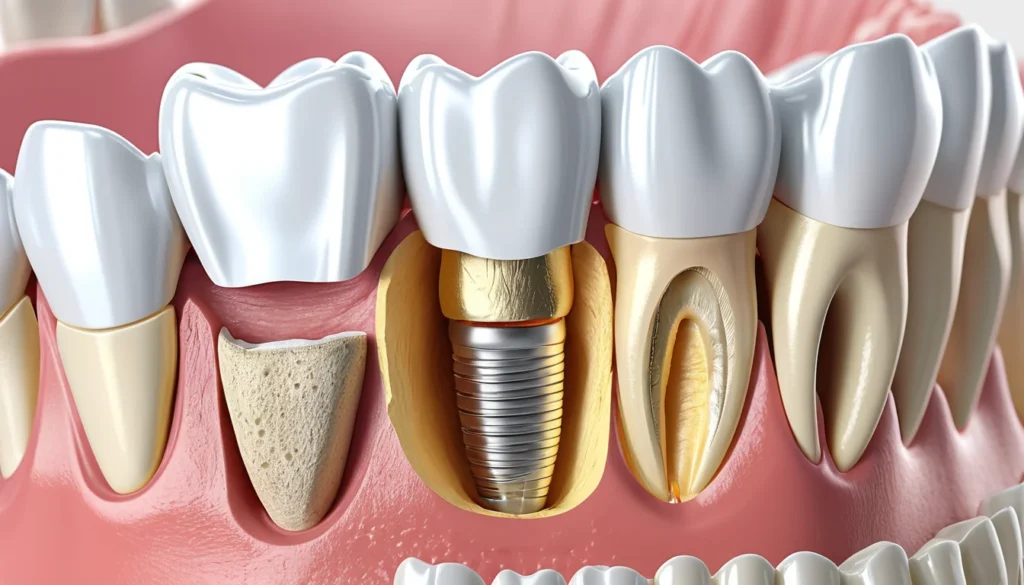
A missing tooth left untreated allows neighbouring teeth to shift out of position. This creates abnormal pressure points and uneven wear on the remaining teeth. A bridge or dental implant restores proper alignment and protects your other teeth from unnecessary stress.
For a broader look at good oral hygiene practices, the Mayo Clinic’s guide to dental hygiene offers helpful and trusted guidance.
When to See a Doctor or Dentist
Mild tooth sensitivity that comes and goes is common and often manageable at home. However, some situations call for professional care without delay.
See your family doctor or visit a walk-in clinic if you cannot get a timely dental appointment and your pain is affecting your daily life. If your provincial health plan covers dental services — such as those available through the new Canadian Dental Care Plan — check your eligibility before your visit.
Book an appointment with a dentist promptly if you notice any of the following:
Pain that lasts longer than 30 seconds after a trigger is removed.
Spontaneous throbbing pain with no obvious trigger.
Visible cracks, chips, or dark spots on your teeth.
Swollen, bleeding, or receding gums.
Sensitivity that does not improve after two weeks of using a sensitivity toothpaste.
Pain that began after a recent filling or dental procedure.
Your dentist can identify the root cause and recommend the right treatment, whether that is a fluoride varnish, a filling, a gum graft, or another approach. Early action almost always leads to simpler and less costly treatment. According to the World Health Organization’s oral health fact sheet, untreated dental conditions are among the most common health issues worldwide — but most are preventable.
Frequently Asked Questions About Sensitive Teeth
Why do I suddenly have sensitive teeth?
Sensitive teeth can develop suddenly due to enamel erosion, a new cavity, a cracked tooth, or recent dental work such as whitening or a filling. Gum recession, which exposes the root surface, is another common cause. If the sensitivity appeared recently and is getting worse, it is worth seeing a dentist to find the cause.
Can sensitive teeth be cured permanently?
In many cases, yes — especially when the underlying cause is treated. For example, a cavity can be filled, a cracked tooth repaired, and grinding managed with a night guard. Sensitivity toothpaste can provide ongoing relief for mild cases of sensitive teeth by blocking the dentine tubes that carry pain signals.
Is tooth sensitivity a sign of serious disease?
Most of the time, sensitive teeth are caused by manageable issues like enamel wear or gum recession rather than serious illness. However, persistent or severe pain could indicate nerve damage, advanced gum disease, or, in rare cases, referred pain from a health condition. Always consult a dentist or doctor if you are unsure.
How long does teeth whitening sensitivity last?
Sensitivity after teeth whitening is usually temporary and fades within a day or two. Higher concentrations of whitening agents may cause discomfort for slightly longer. Applying a neutral fluoride gel, as recommended by your dentist, can help calm sensitive teeth after a whitening treatment.
What is the best toothpaste for sensitive teeth in Canada?
Toothpastes labelled for sensitive teeth typically contain potassium nitrate or stannous fluoride, both of which help reduce sensitivity over time. Many trusted brands are available at Canadian pharmacies without a prescription. Your dentist can recommend the best option based on the specific cause of your sensitive teeth.
Does gum recession cause sensitive teeth?
Yes. When gums recede, the root surface of the tooth becomes exposed. Unlike the crown of your tooth, roots are not protected by enamel, making them highly susceptible to sensitivity. Gentle brushing technique, soft-bristled toothbrushes, and treating gum disease early can help prevent further recession and protect against sensitive teeth.
Key Takeaways
Sensitive teeth occur when dentine is exposed, allowing pain signals to reach the tooth nerve.
Common causes include brushing too hard, gum recession, cavities, cracked teeth, and teeth grinding.
Whitening treatments can cause temporary sensitivity, especially at higher concentrations of carbamide peroxide.
Prevention focuses on gentle brushing, daily flossing, a balanced diet, and regular dental check-ups.
Sensitivity toothpastes provide gradual relief for mild cases and are widely available in Canada.
See a dentist if pain is severe, persistent, or accompanied by visible tooth damage or swollen gums.
Check your eligibility for the Canadian Dental Care Plan if cost is a barrier to getting dental care.
As always, speak with your family doctor or dentist before starting any new oral health treatment — they know your full health history and can give you the most personalised advice.