Getting a second medical opinion can be one of the most important steps you take for your health. When you face a serious diagnosis — especially one involving the liver, pancreas, or bile ducts — it is completely reasonable to want confirmation. A second opinion helps you feel confident in your treatment plan and ensures you are receiving the best care available.
What Is a Second Medical Opinion?
A second medical opinion means asking another qualified doctor to review your diagnosis and recommend a treatment plan. This doctor works independently from your first physician. They look at your test results, scans, and medical history with fresh eyes.
Seeking a second opinion is not about distrust. It is about being an informed and active participant in your own healthcare. In Canada, patients have the right to seek additional medical perspectives at any time.
When Should You Seek a Second Medical Opinion?
There are several situations where a second medical opinion is especially valuable. Knowing when to ask can make a real difference in your outcome.
After a Serious or Complex Diagnosis
If you have been diagnosed with cancer, a complex liver condition, or a pancreatic disorder, a second opinion is strongly recommended. These conditions often involve difficult treatment decisions. Having two specialists review your case can reveal options you may not have considered.
For example, one specialist might recommend surgery while another may suggest a less invasive approach. Understanding all your options helps you and your family doctor make the best decision together.
When You Feel Uncertain or Confused
A new diagnosis can feel overwhelming. It is normal to feel confused or unsure about what to do next. If your diagnosis is unclear, or if your symptoms do not seem to match your diagnosis, seeking another perspective is a smart move.
Furthermore, if your condition is not improving with current treatment, a second opinion may uncover a missed diagnosis or a better treatment approach. Trust your instincts as a patient.
Before Agreeing to Major Surgery or Treatment
Before you agree to a major surgical procedure, consider getting a second medical opinion first. Surgery carries risks, and it is important to confirm it is truly necessary. Another specialist may offer a non-surgical alternative that works just as well.
This is particularly true for complex operations such as liver resection, pancreatic surgery, or hepatic transplant procedures. These are highly specialized fields, and expertise levels can vary significantly between centres.
Understanding Liver, Pancreatic, and Bile Duct Conditions
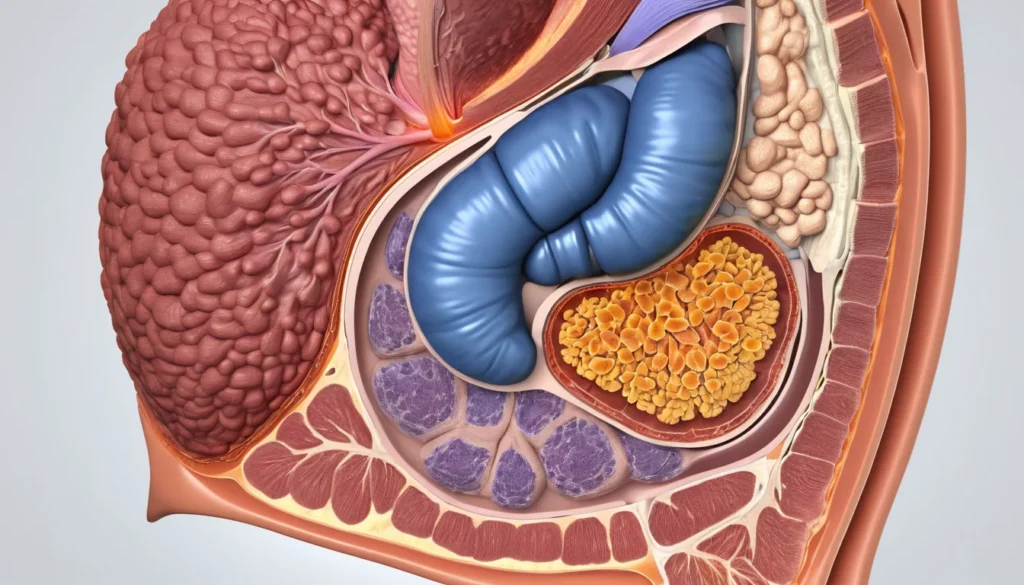
Conditions affecting the liver, pancreas, and bile ducts can be serious and are often misunderstood. These organs work together to digest food, process nutrients, and remove waste from the body. When one of them is not functioning properly, it can affect your entire health.
Common Liver Conditions
Liver disease includes a wide range of conditions, from fatty liver disease to liver cancer and cirrhosis. According to Health Canada, liver disease affects hundreds of thousands of Canadians each year. Many people do not notice symptoms until the disease has progressed significantly.
Common symptoms include fatigue, yellowing of the skin or eyes (called jaundice), abdominal pain, and swelling in the belly. However, these symptoms can also point to many other conditions. This is one reason why a second medical opinion can be so important in liver-related cases.
Pancreatic and Bile Duct Disorders
The pancreas produces enzymes that help with digestion and hormones that regulate blood sugar. Pancreatic cancer is one of the more serious diagnoses a person can receive. It is often detected late because early symptoms are subtle and easy to overlook.
Bile duct conditions, such as cholangiocarcinoma or bile duct obstruction, are also complex and require specialized care. If you or a loved one has received a diagnosis in any of these areas, consulting a hepato-biliary-pancreatic (HBP) specialist is a wise step. An HBP specialist focuses specifically on the liver, bile ducts, and pancreas.
How a Second Medical Opinion Can Improve Your Care
Research consistently shows that a second medical opinion leads to better patient outcomes. In some studies, second opinions have changed or refined the diagnosis in a significant number of complex cases. This is not about finding fault with your first doctor — it is about making sure you have the full picture.
According to the Mayo Clinic, second opinions can confirm diagnoses, reveal new treatment options, and provide greater peace of mind. For Canadian patients, this peace of mind is especially valuable when navigating complex provincial health systems.
Benefits of Getting a Second Opinion
Confirms your diagnosis: A second specialist can verify that your diagnosis is correct and complete.
Reveals treatment alternatives: You may learn about newer, less invasive, or more effective treatment options.
Reduces unnecessary procedures: In some cases, a second opinion may show that surgery or aggressive treatment is not needed.
Improves your confidence: Knowing two specialists agree can help you commit to your treatment plan with greater confidence.
Supports shared decision-making: It helps you have more informed conversations with your primary care team.
What to Bring to a Second Opinion Appointment
To get the most out of a second opinion, come prepared. Bring all relevant medical records, including lab results, imaging scans (such as CT scans or MRIs), biopsy reports, and a list of your current medications. The more information you provide, the better the specialist can assess your situation.
Write down your questions in advance. Ask about the diagnosis, all available treatment options, expected outcomes, and potential risks. Do not hesitate to ask the specialist to explain things in plain language.
Navigating the Canadian Healthcare System for a Second Opinion
In Canada, the process for getting a second opinion depends on your province. Generally, you can ask your family doctor for a referral to another specialist. Your family doctor plays a central role in coordinating your care and can help identify the right specialist for your condition.
If you do not have a family doctor, a walk-in clinic can often help you start the process. Walk-in clinic physicians can review your records and refer you to a specialist if needed. In some provinces, you may also be able to self-refer to certain specialists.
Does Provincial Health Insurance Cover a Second Opinion?
In most Canadian provinces, a second medical opinion from a specialist is covered under your provincial health plan when you have a valid referral. However, coverage rules vary by province. It is always a good idea to check with your provincial health authority or your family doctor about what is covered in your specific situation.
Some Canadians also choose to seek opinions from highly specialized international centres. In these cases, the cost may not be covered by your provincial plan. Weigh the potential benefits carefully and discuss your options with your care team before making any decisions.
When to See a Doctor
If you are experiencing unexplained fatigue, abdominal pain, jaundice, unexplained weight loss, or digestive problems, see your family doctor as soon as possible. These can be signs of liver, pancreatic, or bile duct issues that need proper investigation.
You should also speak with your family doctor or visit a walk-in clinic if you have already received a diagnosis but feel uncertain about your treatment plan. Your doctor can help you arrange a referral for a second medical opinion from a qualified specialist. Remember, asking questions and seeking clarity is always appropriate — and encouraged — in Canadian healthcare.
As the World Health Organization notes, early detection and access to quality specialist care significantly improve outcomes for serious conditions like cancer. Do not delay seeking help if something feels wrong.
Frequently Asked Questions
Is it okay to ask for a second medical opinion in Canada?
Yes, absolutely. Seeking a second medical opinion is your right as a patient in Canada. Most family doctors and specialists support and even encourage it, especially for serious or complex diagnoses. It is a sign of being an engaged and informed patient.
Will my doctor be offended if I ask for a second opinion?
Most doctors understand that patients want to feel confident in their diagnosis and treatment plan. Asking for a second medical opinion is a normal and accepted part of healthcare. A good doctor will support your decision and help coordinate the process.
What conditions most often benefit from a second medical opinion?
A second medical opinion is especially helpful for cancer diagnoses, complex liver or pancreatic conditions, rare diseases, and situations where major surgery is recommended. It is also valuable when your symptoms are not improving with current treatment. The more serious or complex the condition, the more a second opinion matters.
How do I get a second opinion through my provincial health plan?
Start by talking to your family doctor or visiting a walk-in clinic. Ask for a referral to another specialist who handles your specific condition. In most provinces, a referred second opinion from a specialist is covered under your provincial health insurance plan.
Can a second medical opinion change my diagnosis?
Yes, in some cases a second medical opinion can refine, clarify, or even change an initial diagnosis. This is especially true for complex conditions where test results can be interpreted in more than one way. That is precisely why seeking another expert perspective is so valuable.
What is a hepato-biliary-pancreatic (HBP) surgeon?
An HBP surgeon is a specialist who focuses on diseases and surgery of the liver, bile ducts, and pancreas. These are highly complex organs, and HBP surgeons undergo advanced training beyond general surgery. If you have been diagnosed with liver cancer, pancreatic disease, or a bile duct condition, an HBP specialist is the right expert to consult for a second opinion.
Key Takeaways
A second medical opinion is a normal, encouraged, and often essential step when facing a serious diagnosis.
It is especially important for conditions involving the liver, pancreas, and bile ducts, which require highly specialized expertise.
A second opinion can confirm your diagnosis, reveal new treatment options, and reduce the risk of unnecessary surgery.
In Canada, you can request a second opinion through your family doctor, who can provide a referral to the appropriate specialist.
Walk-in clinics can also help you start the process if you do not currently have a family doctor.
Most provincial health plans cover specialist referrals, but always confirm your coverage with your provincial health authority.
Preparation is key — bring all your medical records, imaging results, and a written list of questions to your appointment.
Always speak with a qualified healthcare professional before making any decisions about your diagnosis or treatment plan.