Seckel syndrome is a very rare inherited disorder that causes significant growth problems, both before and after birth. Children born with this condition are smaller than expected at birth and continue to grow more slowly throughout childhood. In addition to short stature, Seckel syndrome affects the development of the head, face, and sometimes the limbs. This article explains what Seckel syndrome is, what causes it, how it is diagnosed, and what families can expect.
What Is Seckel Syndrome?
Seckel syndrome is a congenital condition, meaning it is present from birth. It belongs to a group of disorders known as primordial dwarfism, where growth is restricted from the very earliest stages of development inside the womb.
The condition is extremely rare. Researchers estimate that it affects only a small number of people worldwide, making it one of the least common genetic disorders known to medicine. Because of its rarity, many healthcare providers may not immediately recognize it.
Seckel syndrome was first described by physician Helmut Paul George Seckel in the 1960s. Since then, medical researchers have learned more about its genetic roots and the range of ways it can affect the body. However, much is still being studied about this complex condition.
Causes of Seckel Syndrome
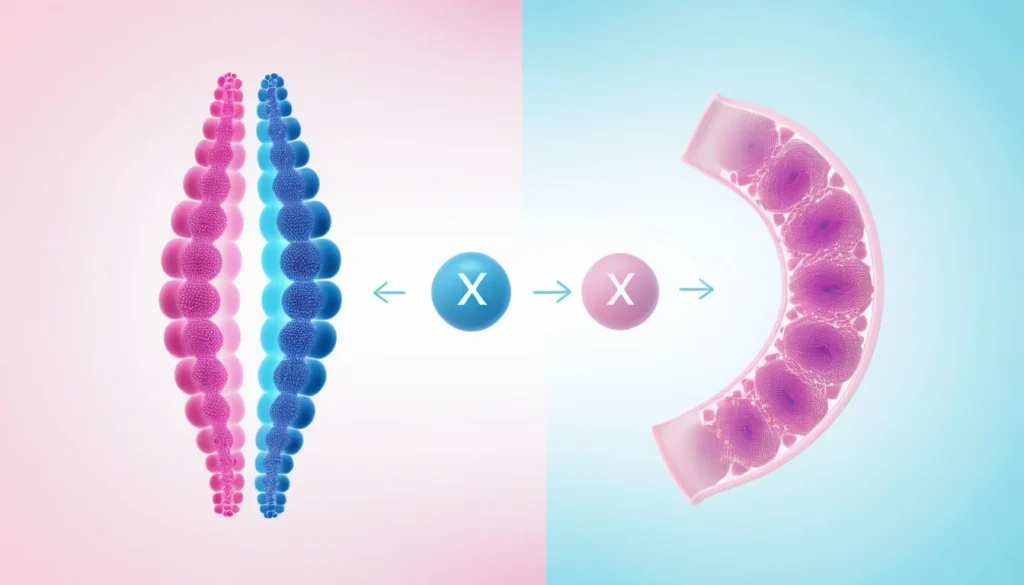
Seckel syndrome is inherited in what geneticists call an autosomal recessive pattern. This means a child must receive a changed (mutated) copy of a specific gene from both parents in order to develop the condition.
Parents who each carry one mutated copy of the gene usually do not show any symptoms themselves. However, each pregnancy they have together carries a 25% chance of producing a child with the syndrome. This inheritance pattern can sometimes catch families off guard, especially if there is no known family history.
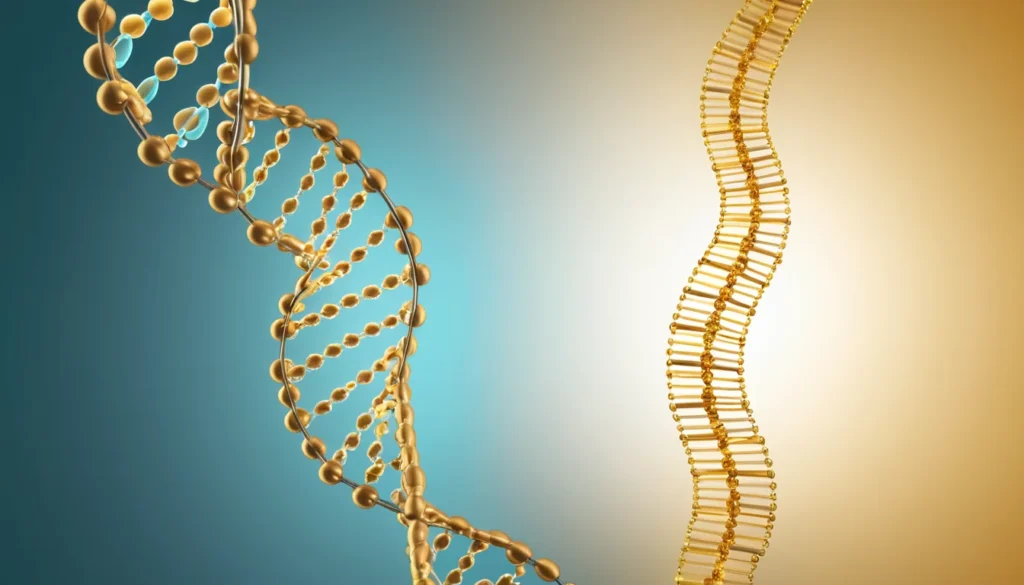
Several genes have been linked to Seckel syndrome, including mutations in genes that play a role in DNA repair and cell division. When these processes go wrong during early development, normal growth cannot take place. Researchers continue to study these genetic pathways to better understand the condition. You can learn more about how rare genetic disorders are categorized through Health Canada’s resources on rare diseases.
Is Seckel Syndrome Hereditary?
Yes, Seckel syndrome runs in families. Because it follows an autosomal recessive pattern, both parents must carry the faulty gene. Genetic counselling is strongly recommended for families who have had a child diagnosed with the condition, or for parents who are known carriers.
Genetic testing can help identify whether parents carry the relevant mutations. In Canada, your family doctor can refer you to a medical genetics specialist through your provincial health plan. These specialists can help families understand the risk of passing the condition to future children.
Signs and Symptoms of Seckel Syndrome
The signs of Seckel syndrome can vary from person to person. However, there are several features that appear consistently across most cases. Recognizing these features early can help families and healthcare providers move toward a diagnosis faster.
Growth and Size
One of the most noticeable features is significantly reduced growth. Babies with Seckel syndrome are born smaller than normal, a condition called intrauterine growth restriction (IUGR). This means the baby does not grow at the expected rate inside the womb.
After birth, growth continues at a much slower pace than in other children. As a result, children and adults with Seckel syndrome tend to have very short stature. This is sometimes referred to as primordial dwarfism, because the growth restriction begins at the most basic, earliest stage of life.
Head and Facial Features
Children with Seckel syndrome typically have a noticeably small head. Doctors call this microcephaly. The head circumference is significantly below average for the child’s age and sex.
Facial features are also distinctive. These may include:
A prominent, beak-shaped nose
Unusually large eyes relative to the face
A narrow face
Malformed or low-set ears
An unusually small jaw, known as micrognathia
These features are often visible at birth or shortly after. In many cases, they are part of what first prompts a referral to a paediatric specialist.
Intellectual and Developmental Differences
Many children with Seckel syndrome experience varying degrees of intellectual disability. This can range from mild to more significant difficulties with learning, communication, and daily tasks. Early intervention programmes can make a meaningful difference in a child’s development.
In Canada, children with developmental differences can access support through their provincial early childhood intervention programme. Your family doctor or paediatrician can help connect your child with the right services as early as possible.
Limb and Skeletal Differences
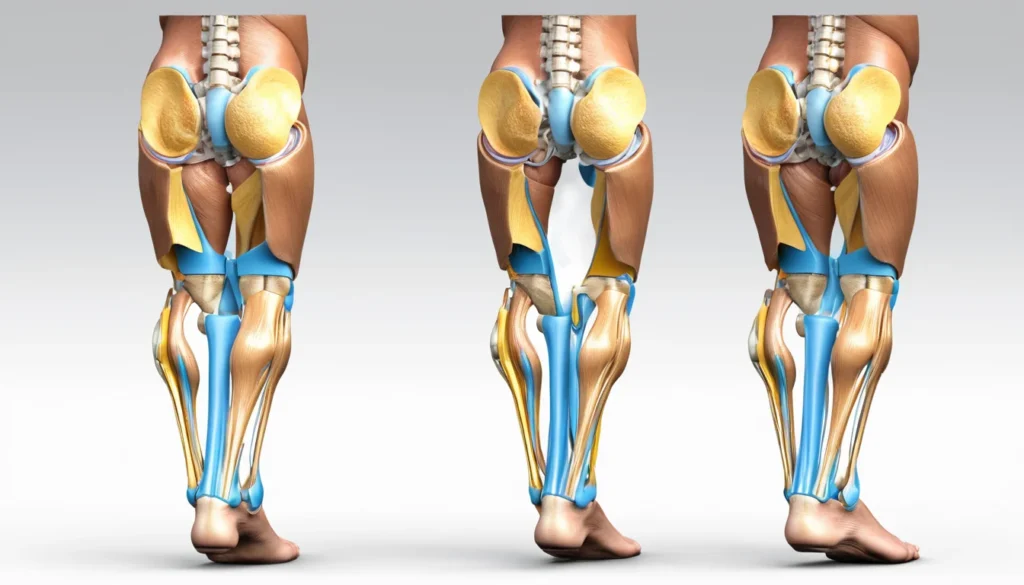
Some children with Seckel syndrome also show differences in the bones and joints. These may include:
Clinodactyly — the permanent curving of the little finger toward the other fingers
Hip dysplasia — abnormal development of the hip socket
Radial dislocation — displacement of one of the bones in the forearm
Not every child will have all of these features. The condition presents differently in each individual, which can sometimes make diagnosis more challenging. For a broader overview of congenital skeletal disorders, the Mayo Clinic’s guide to congenital conditions provides helpful context.
How Is Seckel Syndrome Diagnosed?
Diagnosing Seckel syndrome can be challenging because it is so rare. There is no single test that confirms the diagnosis on its own. Instead, doctors use a combination of physical examination, growth measurements, imaging, and genetic testing.
The diagnostic process often begins when a doctor notices the characteristic small head size and facial features, combined with poor growth. A paediatrician may then refer the child to a medical geneticist or a specialist in rare disorders.
Genetic Testing
Genetic testing plays a key role in confirming the diagnosis. A blood sample is taken and analyzed to look for mutations in the genes known to be associated with Seckel syndrome. This type of testing is available in Canada through referral from a family doctor or specialist.
Genetic testing can also be performed prenatally in some cases, particularly if a family already has a child with the condition or if parents are known carriers. Talk to your family doctor about whether genetic counselling is right for your family.
Imaging and Other Tests
Doctors may also use imaging tests such as X-rays or MRI scans to assess bone development and brain structure. These tests help build a fuller picture of how the condition is affecting the child’s body. Blood tests may also be ordered to check for related health issues.
Treatment and Management of Seckel Syndrome
There is currently no cure for Seckel syndrome. Treatment focuses on managing symptoms and supporting the child’s development as fully as possible. A team of specialists usually works together to provide care.
This team may include a paediatrician, a medical geneticist, an orthopaedic surgeon, a developmental paediatrician, a speech-language pathologist, and an occupational therapist. In Canada, coordinating this kind of multi-disciplinary care is possible through your provincial health plan, often with a referral from your family doctor.
Supporting Development
Early intervention is one of the most important tools available. Speech therapy, physiotherapy, and occupational therapy can all help children with Seckel syndrome develop skills and improve their quality of life. Starting these supports as early as possible tends to produce the best outcomes.
School-based support is also important. Children with intellectual disabilities are entitled to accommodations and individualized education plans in Canadian schools. Parents can work with their school board and healthcare team to make sure the right supports are in place.
Managing Physical Complications
Orthopaedic issues such as hip dysplasia or radial dislocation may require surgical correction or physical therapy. Regular monitoring by a paediatric orthopaedic specialist helps catch problems early. Hearing and vision should also be checked regularly, as these senses can sometimes be affected.
For more information on managing rare conditions in children, the World Health Organization’s section on rare diseases offers additional guidance for families and caregivers.
When to See a Doctor
If you notice that your baby or young child is significantly smaller than expected, has an unusually small head, or shows distinctive facial features, speak with your family doctor as soon as possible. Early assessment can make a real difference.
You do not need to wait for a referral in an emergency. If you cannot get a timely appointment with your family doctor, a walk-in clinic can assess your child and help facilitate a referral to a paediatric specialist. In Canada, paediatric genetics clinics are available in most major cities and are covered under provincial health plans.
Trust your instincts as a parent. If something feels off about your child’s development, it is always worth bringing it up with a healthcare provider. Doctors want to hear your concerns, and early diagnosis leads to better support for your child.
Always consult your family doctor or a qualified healthcare provider for advice specific to your child’s health needs. The information in this article is intended for general education only and is not a substitute for professional medical advice.
Frequently Asked Questions About Seckel Syndrome
What is Seckel syndrome?
Seckel syndrome is a very rare inherited genetic disorder that causes restricted growth before and after birth. Children with Seckel syndrome are born significantly smaller than average and often have a small head, distinctive facial features, and varying degrees of intellectual disability. It is classified as a form of primordial dwarfism.
How common is Seckel syndrome?
Seckel syndrome is extremely rare, with only a small number of confirmed cases reported worldwide. Because it is so uncommon, the exact prevalence is difficult to determine. Many cases may go undiagnosed or be misdiagnosed due to limited awareness of the condition among healthcare providers.
Is Seckel syndrome inherited?
Yes, Seckel syndrome follows an autosomal recessive inheritance pattern. This means a child must inherit a mutated gene from both parents in order to develop the condition. Parents who are carriers typically show no symptoms themselves but have a 25% chance of having an affected child with each pregnancy.
What are the main symptoms of Seckel syndrome?
The main symptoms of Seckel syndrome include very short stature, a small head (microcephaly), a beak-like nose, unusually large eyes, a narrow face, small jaw, and malformed ears. Some children also experience intellectual disability and skeletal differences such as curved fingers or hip problems. Symptoms can vary widely from one child to another.
Can Seckel syndrome be treated?
There is no cure for Seckel syndrome, but symptoms can be managed with the right support. Treatment typically involves a team of specialists including paediatricians, therapists, and surgeons who address each child’s specific needs. Early intervention programmes, speech therapy, and physiotherapy can significantly improve quality of life.
How is Seckel syndrome diagnosed in Canada?
In Canada, Seckel syndrome is typically diagnosed through a combination of physical examination, growth assessments, and genetic testing. Your family doctor can refer your child to a medical genetics specialist through your provincial health plan. Genetic testing can confirm mutations in the genes associated with Seckel syndrome and help guide treatment planning.
Key Takeaways
Seckel syndrome is a very rare genetic disorder that restricts growth before and after birth.
It follows an autosomal recessive inheritance pattern, meaning both parents must carry the mutated gene.
Key features include very short stature, a small head, distinctive facial features, and varying degrees of intellectual disability.
Some children also experience skeletal differences such as curved fingers, hip dysplasia, or forearm bone dislocation.
There is no cure, but early diagnosis and a strong support team can greatly improve a child’s quality of life.
In Canada, families can access genetic counselling, paediatric specialists, and early intervention programmes through their provincial health plan.
If you have concerns about your child’s growth or development, speak with your family doctor or visit a walk-in clinic as a first step.