Sebum is the natural oil your skin produces to stay healthy and protected. Your body makes it constantly, and it plays a bigger role in your overall skin health than most people realize. This article explains what sebum is, what it contains, how it affects your skin, and when too much or too little of it becomes a problem worth discussing with your family doctor.
What Is Sebum?
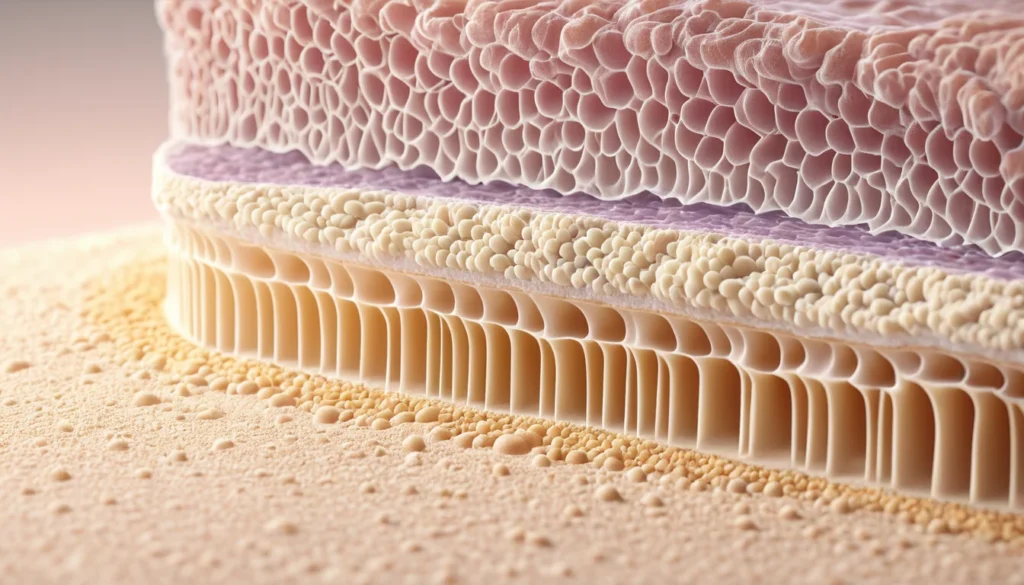
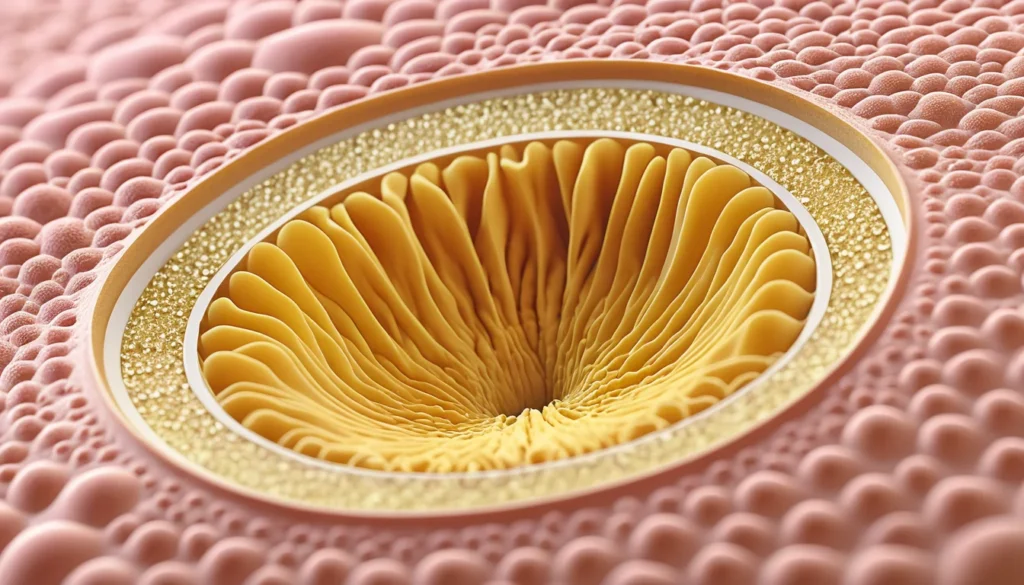
Sebum is a waxy, oily substance made by tiny glands in your skin called sebaceous glands. These glands sit just beneath the surface of your skin and are connected to your hair follicles. They release sebum through the follicle opening, which we commonly call a pore.
Almost every part of your body has sebaceous glands, except for the palms of your hands and the soles of your feet. The highest concentration of these glands is found on your face, scalp, chest, and upper back. This is why those areas are often the oiliest — and also the most prone to breakouts.
Sebum production begins before you are even born. Newborns are covered in a thick, protective coating called vernix caseosa, which contains sebum. After birth, production slows down until puberty, when hormones cause the glands to become much more active.
What Does Sebum Contain?
Sebum is not a simple substance. It is a complex mixture of several different compounds, each playing a role in how your skin looks and feels. Understanding what is inside sebum helps explain why skin behaves the way it does.
The main components of sebum include:
Neutral fats (triglycerides): These make up the largest portion of sebum. They help moisturize and soften the skin’s surface.
Wax esters: These give sebum its waxy texture and help form a protective barrier on the skin.
Squalene: A natural compound that protects the skin from oxidative damage and keeps it supple.
Fatty acids: These include both saturated and unsaturated types. They help regulate bacteria on the skin’s surface.
Cholesterol: Present in small amounts, roughly one percent of sebum’s total composition, cholesterol supports the skin’s structural integrity.
Proteins: Found in trace amounts, proteins contribute to the overall structure and function of sebum.
Sebum also has a naturally acidic pH, which is an important detail. This acidity helps maintain what scientists call the skin’s “acid mantle” — a thin, protective film that keeps harmful bacteria and environmental irritants from penetrating the skin.
What Does Sebum Do for Your Skin?
Sebum serves several important functions that keep your skin healthy. It is not simply an inconvenience that causes oily skin and pimples. In fact, without it, your skin would be in poor shape.
Moisturizes and Protects the Skin
Sebum acts as your skin’s built-in moisturizer. It forms a thin film over the surface that slows water loss and keeps the skin from drying out. This is especially important in Canada’s cold, dry winters, when the air pulls moisture away from your skin rapidly.
Furthermore, sebum helps protect the skin from physical damage and environmental stressors like wind, pollution, and ultraviolet (UV) radiation. Think of it as a natural shield your body produces every day, free of charge.
Fights Harmful Bacteria
The acidic nature of sebum makes the skin’s surface a difficult environment for many harmful bacteria and fungi. In addition, fatty acids in sebum have been shown to have direct antimicrobial properties. This means sebum actively helps prevent infections on the skin’s surface.
However, it is worth noting that sebum can also feed certain bacteria — particularly Cutibacterium acnes (formerly known as Propionibacterium acnes) — the bacteria closely linked to acne. So while sebum protects in many ways, it can also contribute to skin problems when produced in excess.
Carries Vitamin E to the Skin
Sebum is one of the main ways your body delivers vitamin E to the surface of your skin. Vitamin E is a powerful antioxidant that helps protect skin cells from damage. Research published by sources like Healthline’s skin health section highlights the connection between sebum and skin-surface antioxidant activity.
What Happens When Sebum Production Is Off Balance?
Your body works to produce just the right amount of sebum. However, many factors can push production too high or too low. Both extremes can cause noticeable skin problems.
Too Much Sebum: Oily Skin and Acne
When your sebaceous glands produce too much sebum, the excess oil can mix with dead skin cells and clog your pores. This creates the perfect environment for acne to develop. Blackheads, whiteheads, pimples, and deeper cysts can all result from this process.
Excess sebum production is strongly linked to hormonal changes. Puberty, menstruation, pregnancy, and conditions like polycystic ovary syndrome (PCOS) can all increase sebum output. Stress also plays a role, as the stress hormone cortisol stimulates the sebaceous glands. According to the Mayo Clinic’s overview of acne causes, hormones are among the leading triggers for increased oil production.
Diet may also be a factor. Some research suggests that high-glycemic foods — like white bread, sugary drinks, and processed snacks — can increase sebum production. However, researchers are still studying this connection.
Too Little Sebum: Dry and Sensitive Skin
On the other end of the spectrum, insufficient sebum production leads to dry, flaky, and often sensitive skin. Without enough natural oil, the skin barrier weakens. Moisture escapes more easily, and irritants get in more readily.
Ageing naturally reduces sebum production, which is one reason older adults tend to experience drier skin. Harsh soaps, hot showers, and certain medications can also strip sebum from the skin or suppress the glands. Therefore, maintaining a gentle skincare routine is especially important as you age.
Factors That Affect Sebum Production
Several everyday factors influence how much sebum your skin makes. Being aware of these can help you manage your skin’s health more effectively.
Hormones: Androgens (male hormones present in both men and women) are the primary drivers of sebum production. Higher androgen levels mean more sebum.
Age: Sebum production peaks during teenage years and gradually declines with age.
Genetics: Your family history plays a significant role in how oily or dry your skin naturally tends to be.
Season and climate: Heat and humidity increase sebum output. Cold and dry conditions — common across much of Canada — can reduce it.
Diet: High-fat and high-sugar diets may increase sebum production in some individuals.
Skincare products: Stripping the skin with harsh cleansers can actually trigger the glands to produce more sebum as a compensatory response.
Stress: Elevated cortisol levels signal the sebaceous glands to produce more oil.
Understanding your personal triggers can make a real difference in managing your skin’s behaviour over time. For more general information on skin health, Health Canada provides reliable resources on skincare and dermatological well-being for Canadians.
Sebum and Common Skin Conditions
Sebum imbalances are at the root of several common skin conditions that Canadians deal with regularly. Recognizing these conditions can help you seek the right care sooner.
Acne
Acne is one of the most common skin conditions in Canada, affecting people of all ages — not just teenagers. Excess sebum, combined with clogged pores and bacterial overgrowth, drives most types of acne. Mild acne can often be managed with over-the-counter products, but persistent or severe acne benefits from professional treatment.
Seborrhoeic Dermatitis
This condition causes red, flaky, and itchy patches of skin, most often on the scalp (dandruff), face, and chest. It is closely linked to excess sebum and a naturally occurring yeast that feeds on skin oil. It is a chronic condition that tends to flare up and settle down over time, but it is very manageable with the right products and, when needed, prescription treatments.
Rosacea
Rosacea is a skin condition that causes persistent redness and visible blood vessels, often on the face. While sebum is not a direct cause of rosacea, disruptions in the skin barrier — which sebum helps maintain — can worsen symptoms. People with rosacea often have altered sebum composition compared to those without the condition.
Sebaceous Cysts
Sometimes a sebaceous gland or follicle becomes blocked, and sebum builds up beneath the skin to form a cyst. These are usually harmless, slow-growing lumps under the skin. However, they can become infected and may need medical attention if they grow large or become painful.
When to See a Doctor
Most sebum-related skin issues are manageable at home with the right skincare routine. However, some situations call for a professional opinion. Do not hesitate to book an appointment with your family doctor or visit a walk-in clinic if you notice the following:
Acne that does not respond to over-the-counter treatments after eight to twelve weeks
Sudden, unexplained changes in how oily or dry your skin is
Painful or rapidly growing lumps under the skin that may be sebaceous cysts
Skin redness, flaking, or itching that is spreading or interfering with daily life
Signs of a skin infection, such as warmth, swelling, or pus
Skin concerns that are affecting your mental health or self-confidence
Your family doctor can refer you to a dermatologist (a skin specialist) if needed. In Canada, dermatology referrals are typically covered under your provincial health plan, although wait times can vary by province. A walk-in clinic is also a good option for non-urgent skin concerns when your regular doctor is not available.
Remember, skin health is a legitimate part of your overall health. You should never feel embarrassed to bring up concerns about your skin during a medical appointment.
Frequently Asked Questions About Sebum
What is sebum and why does skin produce it?
Sebum is a natural, oily substance made by sebaceous glands in your skin. Your body produces sebum to moisturize the skin, protect it from environmental damage, and maintain its natural acidic barrier. Without sebum, your skin would become dry, cracked, and more vulnerable to infection.
Is sebum the same as skin oil?
Yes, sebum is the main component of what we commonly call skin oil. When people say their skin feels oily, it is primarily because their sebaceous glands are producing more sebum than usual. Sebum is a complex mix of fats, wax esters, cholesterol, and proteins — not a single substance.
Can you have too little sebum?
Absolutely. Too little sebum leads to dry, tight, and sensitive skin that loses moisture quickly. This often happens as people age, or as a result of using harsh skincare products that strip the skin’s natural oils. In these cases, gentle cleansers and moisturizers can help restore your skin’s balance.
Does diet affect sebum production?
Research suggests that high-glycemic foods and dairy products may increase sebum production in some people, potentially worsening acne. However, the relationship between diet and sebum is complex and varies from person to person. Eating a balanced diet rich in vegetables, whole grains, and healthy fats is generally good for your skin health.
How can I reduce excess sebum production naturally?
You can help manage excess sebum by using a gentle, non-comedogenic cleanser twice daily and avoiding heavy, oil-based skincare products. Managing stress, eating a balanced diet, and staying hydrated may also help regulate sebum levels over time. If oily skin and breakouts persist, speak with your family doctor or visit a walk-in clinic for personalized advice.
What colour is sebum?
Sebum itself is typically colourless to pale yellow in its natural state. When sebum oxidizes — meaning it is exposed to air inside an open pore — it turns dark, which is what creates the appearance of a blackhead. The dark colour is from oxidation, not dirt, so scrubbing harder will not remove it.
Key Takeaways
Sebum is a natural oil made by sebaceous glands throughout your skin. It contains neutral fats, wax esters, squalene, fatty acids, cholesterol, and trace proteins. Sebum moisturizes, protects, and helps maintain the skin’s natural acidic barrier. Too much sebum can lead to oily skin, clogged pores, and acne. Too little sebum causes dry, sensitive skin that loses moisture quickly. Hormones, age, genetics, diet, climate, and stress all affect sebum production. Common sebum-related conditions include acne, seborrhoeic dermatitis, rosacea, and sebaceous cysts. See your family doctor or a walk-in clinic if skin concerns are persistent, painful, or affecting your quality of life.