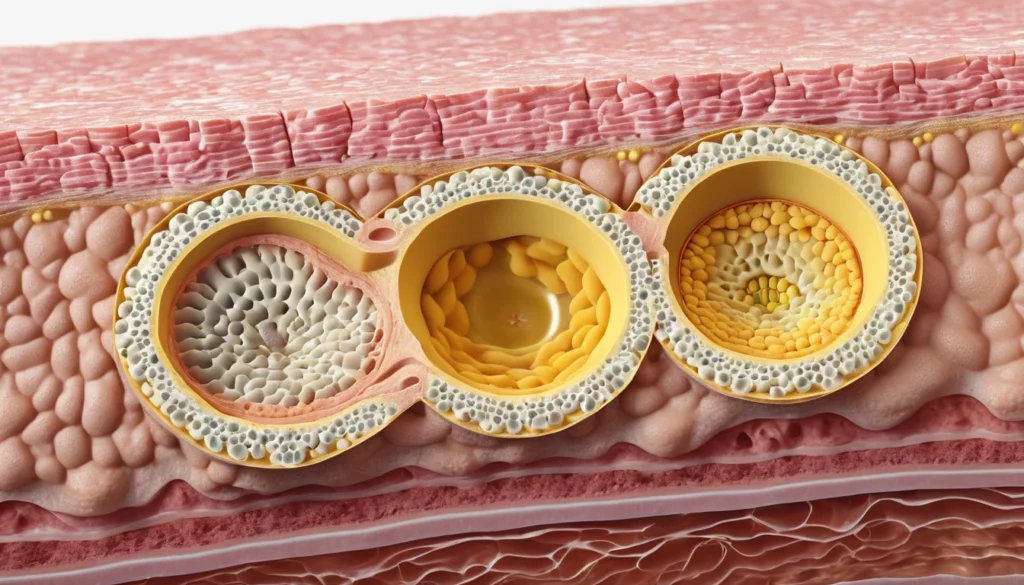
Seborrhoeic dermatitis is a common skin condition that causes flaky, greasy scales and redness on the scalp, face, and other oily areas of the body. It affects millions of Canadians and can range from mild dandruff to more noticeable, uncomfortable flare-ups. The good news is that it is not contagious and, with the right care, the symptoms can be managed effectively. This article explains what seborrhoeic dermatitis is, what causes it, and what treatments are available to you.
What Is Seborrhoeic Dermatitis?
Seborrhoeic dermatitis is a long-term skin condition that causes white or yellowish scales on oily areas of the skin. These scales can look greasy or dry, depending on the person. Dandruff is actually one of the most common forms of seborrhoeic dermatitis.
The condition most often affects the scalp. However, it can also appear on the eyebrows, forehead, sides of the nose, behind the ears, and in the ear canal. In some cases, it shows up on the chest, particularly near the breastbone, or in skin folds.
Seborrhoeic dermatitis is a chronic condition. This means it tends to come and go over time. Many people experience long quiet periods with no symptoms, followed by flare-ups that need attention.
Signs and Symptoms of Seborrhoeic Dermatitis
The most noticeable sign is white or yellowish flakes that appear on the skin or stick to hair shafts. When the flakes fall away, they often leave behind reddish patches on the skin underneath. These patches can look irritated or inflamed.
Many people also experience itching, known medically as pruritus. The itching can be mild or quite bothersome, depending on how active the flare-up is. However, the affected areas are usually not painful unless a secondary skin infection develops.
In babies, a similar condition called cradle cap causes thick, crusty, yellowish scales on the scalp. This is a normal and very common form of seborrhoeic dermatitis in infants and typically clears up on its own.
What Causes Seborrhoeic Dermatitis?
The exact cause of seborrhoeic dermatitis is not fully understood. Researchers believe it involves an unusual immune response to a naturally occurring fungus called Malassezia. This fungus lives on healthy skin without causing problems for most people. In those with seborrhoeic dermatitis, however, the body reacts abnormally to its presence.
In addition to the fungal connection, other factors seem to play a role. These include an overproduction of skin oil, known as sebum, and a breakdown in the skin’s natural protective barrier. Together, these factors create conditions where flare-ups are more likely to occur.
According to Mayo Clinic’s overview of seborrhoeic dermatitis, the condition is not caused by poor hygiene. This is an important point, as many people feel embarrassed about visible flaking without realising it is a medical condition, not a cleanliness issue.
Risk Factors for Seborrhoeic Dermatitis
Certain factors can make a person more likely to develop seborrhoeic dermatitis or trigger a flare-up. Knowing your personal triggers is a helpful first step in managing the condition.
Common risk factors include:
Stress: Emotional stress is one of the most well-known triggers for skin flare-ups.
Weather extremes: Both very hot and humid conditions and cold, dry winters — common across Canada — can worsen symptoms.
Oily skin: People with naturally oily skin have a higher risk.
Infrequent shampooing: Not washing hair regularly can allow scales and oil to build up.
Other skin conditions: Conditions like acne, rosacea, or psoriasis can increase susceptibility.
Obesity: Excess weight can create more skin folds where the condition may develop.
Parkinson’s disease: People with this neurological condition are more prone to seborrhoeic dermatitis.
Weakened immune function: Conditions that affect the immune system can make flare-ups more frequent and harder to control.
Alcohol-based skin products: Lotions and toners that dry out the skin may worsen symptoms.
Poor sleep: Lack of adequate rest can affect the body’s ability to regulate immune responses.
Understanding your triggers can help you avoid or reduce flare-ups. For example, Canadians heading into winter should be mindful that cold, dry air may cause symptoms to worsen during the colder months.
How Is Seborrhoeic Dermatitis Diagnosed?
A doctor usually diagnoses seborrhoeic dermatitis through a physical examination and a review of your symptoms and medical history. No special tests are typically needed. Your family doctor can often make the diagnosis during a regular visit.
For children, parents play a key role by noticing changes in their child’s skin and reporting them to the child’s paediatrician or family doctor. Early recognition helps ensure the right treatment is started promptly.
If your symptoms are severe or not improving, your family doctor may refer you to a dermatologist. In Canada, you can request this referral through your provincial health plan. Depending on wait times in your area, a walk-in clinic can also be a good starting point for getting an assessment.
Treatment Options for Seborrhoeic Dermatitis
Home Care and Daily Habits
Daily scalp care is one of the most effective ways to manage seborrhoeic dermatitis. Washing your hair every day with a gentle shampoo can help reduce scale build-up. The technique matters more than the product — focus on gently but firmly massaging the scalp for at least five minutes.
If you have visible crusts or scales, use your fingernails carefully to loosen them while shampooing. Rinsing thoroughly afterward helps remove loosened flakes. Outdoor activity during the summer months may also help, as some people find natural sunlight has a positive effect on their skin.
There is no specific diet that treats seborrhoeic dermatitis. However, it is a good idea to avoid any foods you notice consistently make your symptoms worse. Keeping a simple food and symptom diary can help you spot patterns over time.
Medicated Shampoos
For the scalp, medicated shampoos are often the first line of treatment. Several types are available over the counter at Canadian pharmacies. Look for shampoos containing one or more of the following active ingredients:
Ketoconazole: An antifungal that targets the Malassezia fungus directly.
Selenium sulphide: Helps slow skin cell turnover and reduce fungal growth.
Zinc pyrithione: Has both antifungal and antibacterial properties.
Salicylic acid: Helps soften and loosen thick scales so they can be washed away.
Coal tar: Slows the growth of skin cells and reduces scaling.
Use these shampoos two to three times per week to start. Leave them on your scalp for five to ten minutes before rinsing. As your symptoms improve, you may be able to use them less frequently. It is also worth knowing that your scalp may adapt to one product over time, so switching between formulas can help maintain effectiveness.
Prescription Medications
When over-the-counter options are not enough, a doctor may prescribe a low-potency corticosteroid cream or lotion. These help reduce redness and inflammation during active flare-ups. They are typically used for only one to two weeks at a time.
It is important to apply only a thin layer and to follow your doctor’s instructions carefully. Avoid using corticosteroid creams on the face for longer than prescribed, as prolonged use can cause skin thinning. Your dermatologist or family doctor will guide you on safe, effective use.
Topical antifungal agents and other dermatological preparations are also available by prescription for ongoing maintenance. These can help keep the condition under control between flare-ups. According to Healthline’s guide to seborrhoeic dermatitis treatments, combining antifungal therapy with good scalp hygiene tends to produce the best long-term results.
When to See a Doctor About Seborrhoeic Dermatitis
You should speak with your family doctor if you notice symptoms of seborrhoeic dermatitis for the first time. It is also important to seek medical advice if your symptoms are not improving with home care or over-the-counter treatments.
See a doctor promptly if you notice any of the following signs of a possible skin infection:
Yellow discharge or pus under the crusts
Increased redness, warmth, or swelling in the affected area
Pain or tenderness in the skin
Fever alongside skin symptoms
These signs may suggest a secondary bacterial infection, which needs prompt medical treatment. Your family doctor, a walk-in clinic, or a dermatologist can assess the situation and prescribe the right treatment. In Canada, most provincial health plans cover dermatology referrals when a family doctor determines one is necessary. For more information on accessing skin care services through your provincial plan, visit Health Canada’s official health resources.
As always, it is best to consult your doctor or a qualified healthcare provider before starting any new treatment, even one available over the counter.
Frequently Asked Questions About Seborrhoeic Dermatitis
Is seborrhoeic dermatitis the same as dandruff?
Dandruff is actually a mild form of seborrhoeic dermatitis that affects mainly the scalp. Seborrhoeic dermatitis is a broader condition that can also appear on the face, ears, and chest. Both involve flaking skin and can be managed with medicated shampoos and proper scalp care.
Can seborrhoeic dermatitis be cured permanently?
Seborrhoeic dermatitis is a chronic condition, which means there is currently no permanent cure. However, most people can control their symptoms very effectively with the right treatment and daily habits. Many people experience long periods with no symptoms at all between flare-ups.
What triggers a seborrhoeic dermatitis flare-up?
Common triggers include stress, cold or dry weather, hormonal changes, and fatigue. Using alcohol-based skin products or going too long without shampooing can also worsen seborrhoeic dermatitis. Identifying and avoiding your personal triggers is one of the best ways to reduce flare-ups.
Is seborrhoeic dermatitis contagious?
No, seborrhoeic dermatitis is not contagious. You cannot catch it from another person or pass it on through contact. It is a non-infectious skin condition related to the body’s immune response and natural skin flora.
What is the best shampoo for seborrhoeic dermatitis in Canada?
Several effective medicated shampoos are available over the counter at Canadian pharmacies. Look for products containing ketoconazole, zinc pyrithione, selenium sulphide, or salicylic acid. Your family doctor or pharmacist can help you choose the best option based on your specific symptoms.
Can children get seborrhoeic dermatitis?
Yes, children can develop seborrhoeic dermatitis. In infants, it often appears as cradle cap — thick, yellowish crusts on the scalp. If you notice signs of seborrhoeic dermatitis in your child, speak with your child’s paediatrician or family doctor for guidance on safe treatment options.
Key Takeaways
Seborrhoeic dermatitis is a common, chronic skin condition causing flaky, oily scales on the scalp, face, and other areas.
It is linked to an abnormal immune response to the Malassezia fungus, which naturally lives on skin.
It is not contagious and is not caused by poor hygiene.
Common triggers include stress, cold weather, oily skin, and fatigue — all very relevant for Canadians dealing with harsh winters.
Medicated shampoos containing ketoconazole, zinc pyrithione, or salicylic acid are effective first-line treatments available at Canadian pharmacies.
Short-term use of low-potency corticosteroid creams can help during active flare-ups, but only under medical guidance.
See your family doctor, visit a walk-in clinic, or ask for a dermatology referral if symptoms are severe, spreading, or show signs of infection.
Always consult a healthcare professional before starting any new skin treatment.