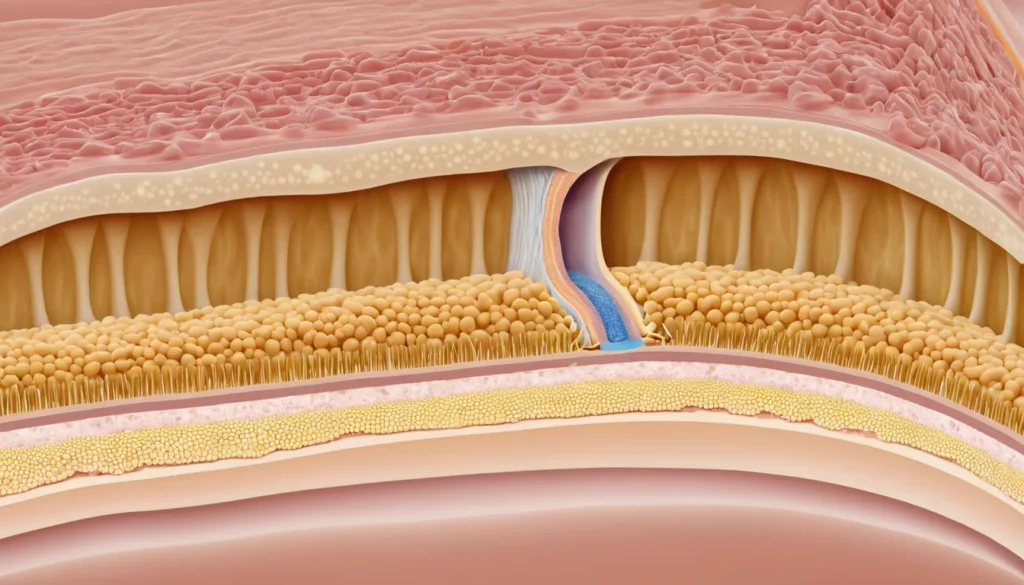
Sebaceous glands are tiny oil-producing glands found almost everywhere on your skin. They play a key role in keeping your skin healthy, protected, and moisturised. However, when these glands produce too much or too little oil, they can cause a range of skin problems that affect your daily life.
This article explains what sebaceous glands are, how they work, what can go wrong, and when it is time to talk to your family doctor or visit a walk-in clinic.
What Are Sebaceous Glands?
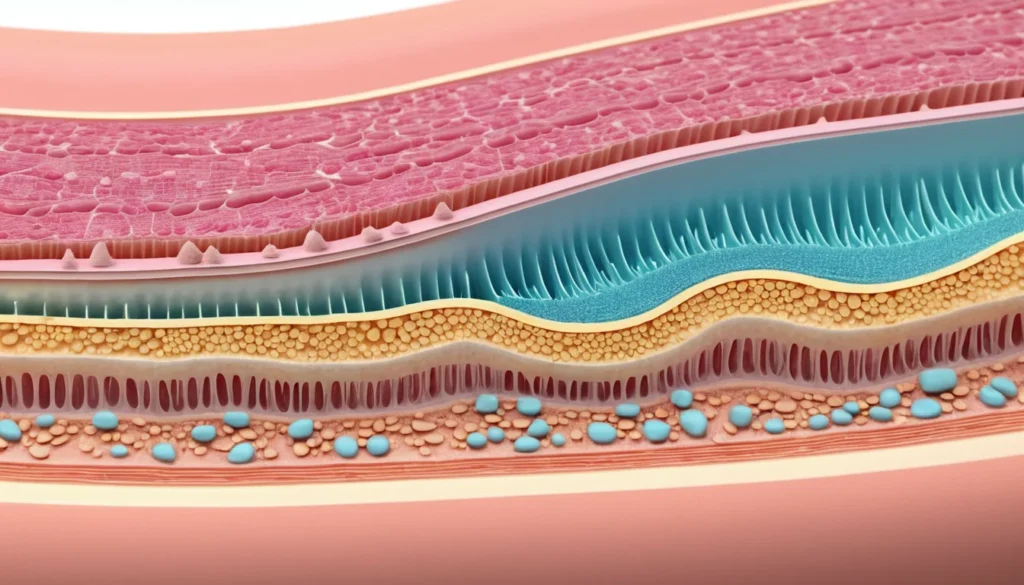
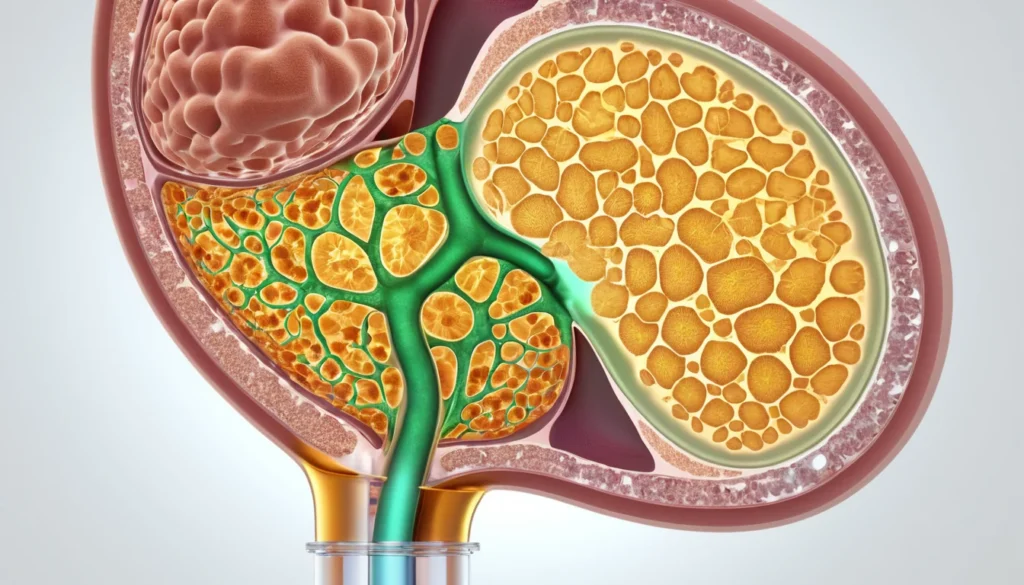
Sebaceous glands are small glands attached to your hair follicles. They are part of the skin’s structure and act as a natural moisturising system for your body. Think of them as tiny built-in lotion dispensers.
These glands produce an oily substance called sebum. Sebum travels up the hair follicle and onto the surface of your skin. It helps keep your skin soft and acts as a barrier against bacteria and environmental damage.
According to Healthline’s overview of skin glands, sebaceous glands are present on nearly every part of the body. The only areas that do not have them are the palms of your hands and the soles of your feet.
Where Are Sebaceous Glands Most Concentrated?
Although sebaceous glands cover most of your body, they are not evenly distributed. Some areas have far more glands than others. These high-density areas tend to produce more oil as a result.
The areas with the highest concentration of sebaceous glands include:
The face, especially the forehead, nose, and chin (often called the T-zone)
The back, particularly the upper back
The scalp, which is why dandruff and scalp oiliness are so common
The chest and shoulder area
This explains why acne and oily skin problems appear most often in these regions. Furthermore, these same areas are where conditions like seborrhoea tend to develop first.
How Do Sebaceous Glands Produce Sebum?
Your sebaceous glands are constantly working, even when you are not thinking about them. They produce sebum through a process called holocrine secretion. In simple terms, the gland cells fill up with oil and then break apart to release it.
This sebum then mixes with sweat on the skin’s surface. Together, they form a thin protective film called the acid mantle. This film helps maintain your skin’s natural pH balance and keeps harmful bacteria away.
What Controls Sebum Production?
Several factors influence how much sebum your sebaceous glands produce. Hormones are the most powerful trigger. Specifically, androgens — a group of hormones that includes testosterone — are the main drivers of sebum production.
When androgen levels rise in the body, sebaceous glands become more active and produce more oil. This is why hormone changes, such as those during puberty, pregnancy, or menopause, often affect skin oiliness dramatically.
Other factors that influence sebaceous gland activity include:
Age: Sebum production has two natural peaks — a small one before age three months, and a much larger one during puberty
Over-cleansing: Washing your skin too aggressively or using harsh products can strip away natural oils, causing the glands to compensate by producing even more sebum
Hormonal medications: Oestrogen and progesterone (found in some birth control pills or hormone therapy) can either increase or decrease sebum output
Neurological conditions: Conditions like Parkinson’s disease are associated with increased sebum production and oily skin
Diet and stress: These may also play a role, though research is still ongoing
For more detail on how hormones interact with skin health, visit Mayo Clinic’s guide to acne and hormonal causes.
What Happens When Sebaceous Glands Malfunction?
When sebaceous glands work properly, your skin stays balanced and comfortable. However, both overproduction and underproduction of sebum can lead to noticeable skin problems.
Too Much Sebum: Seborrhoea
When sebaceous glands produce too much oil, the condition is called seborrhoea. This causes the skin to look greasy and shiny. It can also lead to clogged pores, blackheads, and acne breakouts.
Seborrhoea often affects the face, scalp, and upper back. On the scalp, it can contribute to dandruff or a more serious condition called seborrhoeic dermatitis. Seborrhoeic dermatitis causes red, flaky, and itchy patches on the scalp and face.
In Canada, seborrhoeic dermatitis is a very common reason people visit walk-in clinics and family doctors. It affects people of all ages, from newborns (where it is called cradle cap) to older adults.
Too Little Sebum: Dry and Sensitive Skin
On the other end of the scale, underactive sebaceous glands produce too little sebum. As a result, the skin becomes dry, tight, and prone to irritation. This is more common as people age, because sebum production naturally declines after middle age.
Dry skin caused by low sebum output can feel rough and may crack, especially in cold Canadian winters. Using a good moisturiser helps replace what the glands are not producing on their own.
Sebaceous Cysts
Sometimes a sebaceous gland or its duct becomes blocked. When sebum cannot escape, it builds up under the skin and forms a cyst. These cysts feel like smooth, round bumps beneath the skin’s surface.
Sebaceous cysts are usually harmless and painless. However, they can become infected and painful. If a cyst grows larger, becomes red, or starts to hurt, it is worth having a healthcare provider take a look.
Sebaceous Glands and Acne: The Connection
Acne is one of the most common skin conditions in Canada, and sebaceous glands are at the centre of it. When sebum production increases — particularly during puberty — the excess oil can mix with dead skin cells and block pores.
These blocked pores create the perfect environment for a bacterium called Cutibacterium acnes (formerly known as Propionibacterium acnes) to grow. The immune system responds to this bacterium with inflammation, leading to the red, swollen pimples we associate with acne.
Therefore, managing sebum production is a key part of treating acne. Many acne treatments — including retinoids, certain antibiotics, and hormonal therapies — work partly by reducing the activity of sebaceous glands.
Hormonal Acne in Adults
Hormonal acne in adults is increasingly common, especially among women in their 20s, 30s, and 40s. Fluctuations in oestrogen and progesterone throughout the menstrual cycle can cause the sebaceous glands to ramp up oil production at certain times of the month.
This often results in breakouts around the jaw, chin, and lower face. If you notice a clear monthly pattern to your breakouts, it is worth discussing hormonal options with your family doctor or a dermatologist.
How to Keep Your Sebaceous Glands Healthy
You cannot fully control your sebaceous glands, but you can adopt habits that help keep them balanced. Small daily choices make a real difference to your skin’s behaviour over time.
Here are some practical tips:
Cleanse gently: Wash your face twice a day with a mild, non-stripping cleanser. Avoid harsh soaps that remove too much oil.
Moisturise even oily skin: Skipping moisturiser when you have oily skin can backfire. Dehydrated skin triggers more sebum production. Choose a light, non-comedogenic (non-pore-blocking) moisturiser.
Avoid over-washing: Washing your face more than twice daily can strip natural oils and stimulate your sebaceous glands to produce even more sebum.
Eat a balanced diet: Some research suggests that high-glycaemic foods (white bread, sugary drinks) may worsen oily skin and acne. A diet rich in vegetables, whole grains, and lean protein supports overall skin health.
Stay hydrated: Drinking enough water supports healthy skin function from the inside out.
Manage stress: Stress hormones like cortisol can increase androgen activity, which in turn stimulates your sebaceous glands. Regular physical activity and relaxation techniques can help.
Choose non-comedogenic products: Look for this label on sunscreen, makeup, and moisturisers. These products are formulated not to block pores.
The Health Canada cosmetic product guidelines provide useful information on evaluating skin care products sold in Canada.
When to See a Doctor
Many sebaceous gland issues are manageable at home. However, some situations call for professional medical advice. Do not hesitate to reach out to your family doctor or visit a walk-in clinic if you experience any of the following.
You should seek medical advice if:
Your acne is severe, spreading, or leaving scars
You have a skin lump or cyst that is painful, growing, or showing signs of infection (redness, warmth, discharge)
You develop red, flaky, or itchy patches on your scalp or face that do not improve with over-the-counter treatments
Your oily or dry skin is causing significant distress or affecting your quality of life
You notice sudden changes in your skin that you cannot explain
In Canada, your family doctor is your first point of contact for most skin concerns. They can refer you to a dermatologist if needed. Many provincial health plans cover dermatology referrals when they are medically necessary. If you do not have a family doctor, a walk-in clinic can provide an initial assessment and treatment.
Always consult a qualified healthcare provider before starting any new treatment for skin conditions. This article is for general information only and is not a substitute for professional medical advice.
Frequently Asked Questions About Sebaceous Glands
What are sebaceous glands and what do they do?
Sebaceous glands are small oil-producing glands found in the skin, attached to hair follicles. They produce sebum, a natural oily substance that moisturises the skin and protects it from bacteria. Without sebaceous glands, skin would become extremely dry and vulnerable to damage.
Can sebaceous glands cause acne?
Yes, overactive sebaceous glands are a major factor in acne development. When they produce too much sebum, pores can become clogged with oil and dead skin cells, creating conditions where acne-causing bacteria thrive. Treating acne often involves reducing sebaceous gland activity through topical or oral medications.
What causes sebaceous glands to overproduce oil?
The main trigger for overactive sebaceous glands is a rise in androgen hormones, particularly testosterone. Puberty, stress, certain medications, and neurological conditions like Parkinson’s disease can all cause the glands to produce more oil than usual. Over-cleansing the skin can also backfire and stimulate excess sebum production.
What is a sebaceous cyst and is it dangerous?
A sebaceous cyst forms when a sebaceous gland or its duct becomes blocked, causing sebum to build up under the skin as a smooth, round lump. Most sebaceous cysts are harmless and do not require treatment. However, if a cyst becomes painful, red, or infected, you should see your family doctor or visit a walk-in clinic.
How can I reduce oily skin caused by sebaceous glands?
You can help manage oil production from your sebaceous glands by cleansing gently twice a day, using non-comedogenic moisturisers, and avoiding harsh skin products that strip natural oils. Eating a low-glycaemic diet and managing stress may also help reduce excess sebum. For persistent oily skin, a dermatologist can recommend targeted treatments.
Do sebaceous glands change with age?
Yes, sebaceous gland activity changes significantly throughout life. Activity peaks during puberty due to rising androgen levels, which is why teenagers are more prone to oily skin and acne. After middle age, sebaceous glands become less active, which contributes to the drier skin that many older adults experience.
Key Takeaways
Sebaceous glands produce sebum, an oil that keeps your skin moisturised and protected. They are found almost everywhere on the body, but are most concentrated on the face, scalp, and back. Androgens (including testosterone) are the primary hormones that control sebum production. Too much sebum leads to oily skin