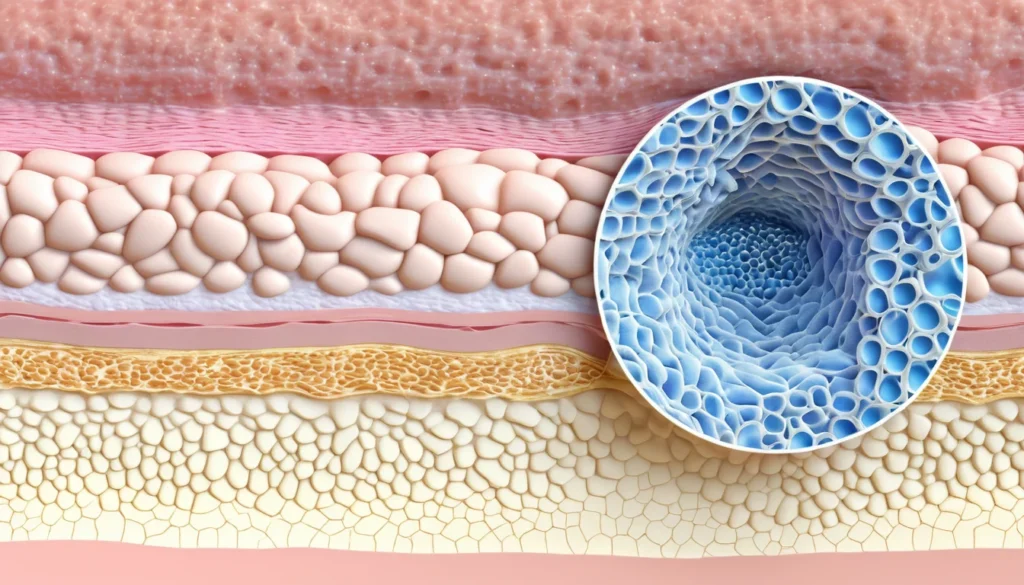
Scleroderma is a chronic autoimmune disease that causes the skin and connective tissues to harden and tighten. It affects women nearly four times more often than men, most commonly during middle age. In some cases, scleroderma can also affect internal organs, making it a serious and complex condition to manage. This article explains what scleroderma is, what causes it, and what Canadians should know about its symptoms and treatment.
What Is Scleroderma?
The word scleroderma literally means “hard skin.” It is a long-term autoimmune condition where the body produces too much collagen in its connective tissue. Collagen is the protein that normally keeps skin and organs soft and flexible.
When the body makes too much collagen, tissues become thick, stiff, and unable to move freely. This can affect not only the skin but also the heart, lungs, kidneys, and digestive tract. In its most serious forms, scleroderma can be life-threatening.
Scleroderma is not contagious. You cannot catch it from another person. However, because it involves the immune system attacking healthy tissue, it shares features with other autoimmune diseases like lupus and rheumatoid arthritis. Health Canada recognizes autoimmune conditions as an important area of ongoing research and patient support.
What Causes Scleroderma?
Doctors do not yet know exactly what causes scleroderma. Research suggests that both genetic and environmental factors play a role. Some people appear to carry a genetic predisposition, meaning their genes make them more likely to develop the disease.
However, genetics alone do not cause scleroderma. It seems the disease is triggered when certain environmental factors interact with a person’s genetic makeup. These triggers may include exposure to specific chemicals or substances in the environment.
Occupational and Environmental Triggers
Workplace exposure to silica dust — not silicon — has been linked to a scleroderma-like condition. This type of exposure occurs more often in men who work in mining, construction, or similar industries.
Exposure to solvents found in paint thinners has also been reported to increase the risk of scleroderma in women. Interestingly, one study found that while women are more likely to develop scleroderma overall, men who are exposed to solvents face a higher relative risk than women who are similarly exposed.
Furthermore, researchers have identified certain antibodies in people with scleroderma that do not appear in other autoimmune diseases. Studying how and why these antibodies form may help scientists better understand what triggers the condition.
Is Scleroderma Hereditary?
Although there is a possible genetic component, scleroderma is not considered a hereditary disease. It is rare for two close relatives to both develop the condition. Therefore, having a family member with scleroderma does not mean you will develop it too.
Types of Scleroderma
Scleroderma is divided into two main categories: localized and systemic. Understanding the difference is important, because the two types vary greatly in severity and in how they affect the body.
Localized Scleroderma
Localized scleroderma is the milder form. It usually affects only the skin and does not involve internal organs. There are two main subtypes.
Morphea causes oval patches of inflamed or discoloured skin to appear on the body. Many people with morphea recover on their own over time without needing aggressive treatment.
Linear scleroderma involves one or more bands of thickened skin along the trunk or limbs. It most often affects children under 18. In some cases, it can slow the growth of underlying tissues and bones. When linear scleroderma appears on the face, it is sometimes called “en coup de sabre,” which means “sword strike” in French. Although it can cause changes in appearance, localized scleroderma almost never progresses to the more serious systemic form.
Systemic Scleroderma
Systemic scleroderma is the more serious form. It can affect connective tissue throughout the body, including the skin, esophagus, gastrointestinal tract, lungs, kidneys, heart, blood vessels, muscles, and joints. In severe cases, it can lead to organ failure and early death.
Systemic scleroderma has two subtypes:
Limited cutaneous systemic sclerosis: Skin thickening is limited to the hands, forearms, lower legs, face, and neck. This form progresses slowly and is less severe for many years. However, serious lung disease can develop after 10 to 20 years.
Diffuse cutaneous systemic sclerosis: Skin changes are much more widespread, and internal organs — especially the kidneys, lungs, and heart — are also affected. This form can impair digestion, cause breathing problems, and lead to kidney failure. Without treatment, it can be fatal within a few years of onset.
CREST Syndrome
Some people with either type of systemic scleroderma also develop CREST syndrome. This is a cluster of specific symptoms that include:
Calcinosis: Calcium deposits under the skin that can cause pain.
Raynaud’s phenomenon: Colour changes in the fingers and toes triggered by cold temperatures or stress.
Esophageal dysfunction: Stiffening of the muscles in the digestive tract, leading to acid reflux and indigestion.
Sclerodactyly: Hardening and tightening of the skin on the fingers and toes.
Telangiectasia: Small, visible blood vessels that appear near the surface of the skin.
According to the Mayo Clinic’s overview of scleroderma, Raynaud’s phenomenon is often one of the earliest signs of the disease and is present in the majority of people with scleroderma.
Symptoms of Scleroderma
Scleroderma symptoms vary widely from person to person. Some people experience only mild skin changes. Others face serious problems with major organs. In general, symptoms depend on the type of scleroderma and which parts of the body are involved.
Common symptoms include:
Thickening or hardening of the skin, especially on the hands and face
Fingers or toes that turn white, blue, or red in cold weather (Raynaud’s phenomenon)
Joint pain and stiffness
Fatigue and weakness
Difficulty swallowing or persistent heartburn
Shortness of breath
Skin that looks shiny or feels tight
Small calcium lumps under the skin
Because scleroderma can look different in each person, it can be difficult to diagnose — even for experienced specialists. Mild forms may be hard to identify, while more advanced cases with widespread skin thickening are easier to confirm. As a result, a proper medical evaluation is essential for anyone who notices these changes.
How Is Scleroderma Diagnosed and Treated?
Diagnosing scleroderma often requires blood tests to look for specific antibodies associated with the disease. However, not all patients test positive for these antibodies, so other tests may also be needed. A specialist called a rheumatologist — a doctor who treats diseases of the joints, muscles, and immune system — typically manages the diagnosis and care plan.
There is currently no cure for scleroderma. However, treatments can help manage symptoms and slow organ damage. Treatment depends on which part of the body is affected. It may include medications to manage heartburn, control blood pressure, reduce inflammation, or improve blood flow to the fingers.
Scleroderma appears to be resistant to some medications designed to suppress the immune system. This makes it a particularly complex condition to treat. Because every case is different, care must be tailored to each individual patient. For more detailed information, Healthline’s guide to scleroderma provides a helpful overview of current treatment approaches.
When to See a Doctor
If you notice that your skin is becoming unusually tight, thick, or shiny — or if your fingers change colour in the cold — speak with your family doctor as soon as possible. These symptoms may have many causes, but it is important to rule out scleroderma and other autoimmune conditions early.
If you do not have a family doctor, a walk-in clinic can provide an initial assessment and refer you to a specialist if needed. Most provincial health plans in Canada cover visits to rheumatologists when referred by a primary care provider. Early diagnosis can make a significant difference in managing this condition and protecting your organs from long-term damage.
If you are already experiencing symptoms like shortness of breath, difficulty swallowing, or signs of kidney problems, seek medical attention promptly. Do not wait for symptoms to worsen before getting help.
Always consult your doctor or a qualified healthcare provider before making any decisions about your health. This article is for informational purposes only and is not a substitute for professional medical advice.
Frequently Asked Questions About Scleroderma
Is scleroderma a fatal disease?
Scleroderma ranges widely in severity. Localized scleroderma is rarely life-threatening and often affects only the skin. However, diffuse systemic scleroderma can affect major organs and, if left untreated, may be fatal within a few years of onset. Early diagnosis and ongoing medical care are key to improving outcomes.
Can scleroderma go away on its own?
Some people with the milder localized form of scleroderma, particularly morphea, do experience spontaneous improvement over time. However, systemic scleroderma does not go away on its own and requires ongoing medical management. It is important to see a doctor for a proper diagnosis rather than waiting to see if symptoms resolve.
Who is most at risk of developing scleroderma?
Women are nearly four times more likely than men to develop scleroderma, and it most commonly appears during middle age. People with a family history of autoimmune diseases may have a slightly higher risk. Occupational exposure to silica dust or certain solvents has also been linked to an increased risk of developing the condition.
What is the difference between localized and systemic scleroderma?
Localized scleroderma mainly affects the skin and rarely involves internal organs. Systemic scleroderma, on the other hand, can affect connective tissue throughout the body, including the lungs, heart, kidneys, and digestive system. Systemic scleroderma is the more serious form and requires specialist care.
Is scleroderma covered under provincial health plans in Canada?
Yes, diagnosis and treatment for scleroderma are generally covered under provincial and territorial health plans in Canada when provided by a licensed physician or specialist. Your family doctor can refer you to a rheumatologist, and most medically necessary tests and treatments will be covered. Check with your provincial health authority for specific details about coverage in your area.
What does scleroderma feel like in the early stages?
In the early stages, scleroderma often causes fingers or toes to turn white or blue in response to cold — a condition called Raynaud’s phenomenon. Some people also notice that their skin feels tight, puffy, or unusually firm, particularly on the hands and face. Fatigue and joint stiffness are also common early signs of scleroderma.
Key Takeaways
Scleroderma is a chronic autoimmune disease that causes the skin and connective tissue to harden due to excess collagen production.
It affects women far more often than men and most commonly appears in middle age.
There are two main types: localized scleroderma (milder, mostly skin-related) and systemic scleroderma (more serious, can affect internal organs).
The exact cause is unknown, but both genetic and environmental factors — including exposure to silica dust and certain solvents — appear to play a role.
There is no cure, but early diagnosis and proper treatment can manage symptoms and protect organ function.
If you notice skin tightening, colour changes in your fingers, or difficulty swallowing, speak with your family doctor or visit a walk-in clinic.
Most scleroderma care is covered under Canadian provincial health plans when referred by a primary care provider.