Schwartz-Jampel syndrome is a rare genetic disorder that affects the muscles and bones. It causes muscle stiffness, abnormal bone development, joint tightness, and short stature. The condition varies widely from person to person. This article explains what the syndrome is, how it is classified, what symptoms to watch for, and when to speak with a healthcare provider in Canada.
What Is Schwartz-Jampel Syndrome?
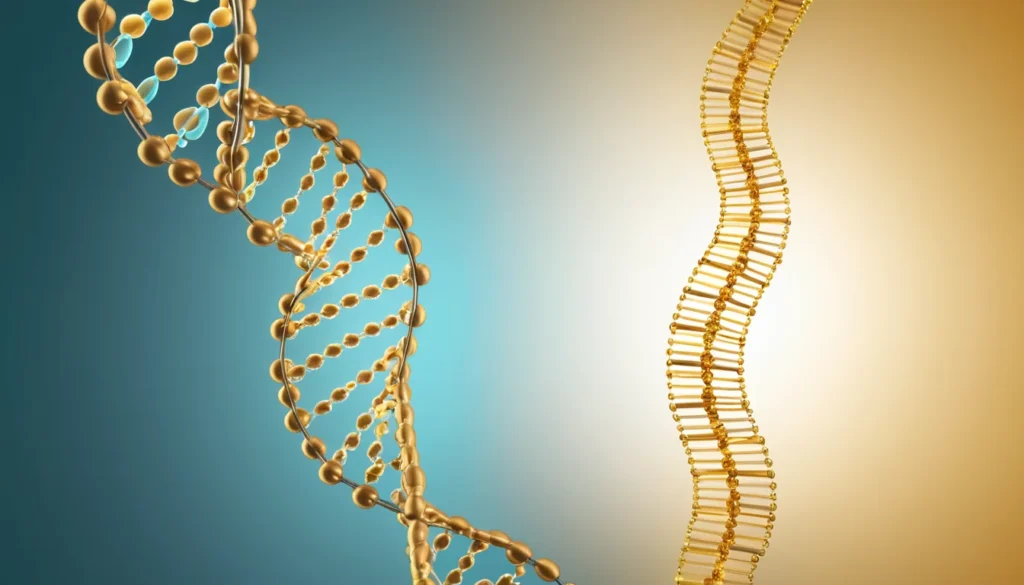
Schwartz-Jampel syndrome is a condition a person is born with. It is caused by changes in specific genes that affect how muscles and bones develop. The syndrome is considered rare, and its exact frequency in the population is not fully known.
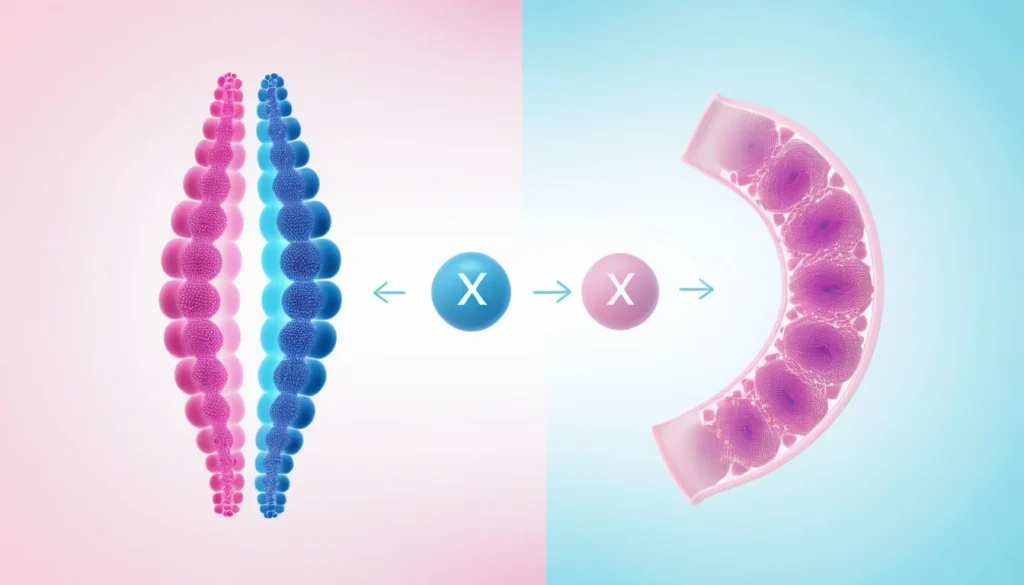
The condition affects both males and females equally. However, current data are limited, so researchers cannot yet confirm whether one sex is more likely to be affected than the other. Because it is so rare, many families have never heard of it before a diagnosis is made.
In addition to muscle and bone problems, people with this syndrome may also have distinctive facial features, a smaller-than-average head, and certain eye abnormalities. Learn more about genetic muscle disorders at Mayo Clinic.
Types of Schwartz-Jampel Syndrome
There are two main types of Schwartz-Jampel syndrome. Doctors classify them based on when symptoms first appear, how severe they are, and which gene is involved.
Type I: The Classic Form
Type I is the most common form of the syndrome. Symptoms usually appear in the first few years of life or during early childhood. Type I is further divided into two subtypes: Type IA and Type IB.
Both subtypes result from a mutation in the HSPG2 gene. However, Type IB causes more severe symptoms than Type IA. Most people diagnosed with this condition have Type IA.
Type IA is characterised by moderate muscle stiffness that does not get worse over time. Patients also experience generalised muscle weakness and a relatively small number of physical abnormalities. Doctors typically diagnose this subtype around age three.
Importantly, the muscle stiffness seen in Type IA looks similar to certain movement disorders. However, it does not improve with sleep or with common medications used for those conditions. This helps doctors tell it apart from other diagnoses.
Type IB is more severe, but data on long-term outcomes for this subtype remain limited. Both IA and IB do not appear to shorten life expectancy significantly, especially Type IA.
Type II: Present From Birth
Type II Schwartz-Jampel syndrome is apparent from birth. It involves a mutation in a different gene called LIFR. This makes it genetically distinct from the Type I subtypes.
Many specialists now believe that Type II Schwartz-Jampel syndrome and a condition called Stüve-Wiedemann syndrome are actually the same disorder. Research continues to explore this connection.
Type II is significantly more serious than Type I. Children with this form face major breathing difficulties and have great trouble feeding. Furthermore, they tend to have low muscle tone rather than the muscle stiffness seen in Type IA.
Sadly, Type II is associated with a much higher rate of early death. Long-term survival is very rare. Most children with this type do not survive into adulthood.
Signs and Symptoms to Know
The symptoms of Schwartz-Jampel syndrome affect several parts of the body. Recognising these early can lead to a faster diagnosis and better support for affected children and families.
Muscle and Movement Symptoms
One of the most noticeable features is muscle stiffness, also called myotonia. This means the muscles have difficulty relaxing after they contract. In Type II, the opposite is true — the muscles are unusually floppy, a condition called hypotonia.
Generalised muscle weakness is also common. As a result, children may have difficulty with everyday movements like walking, climbing stairs, or holding objects. Joints may become fixed in bent or straightened positions, which doctors call contractures.
Bone and Skeletal Symptoms
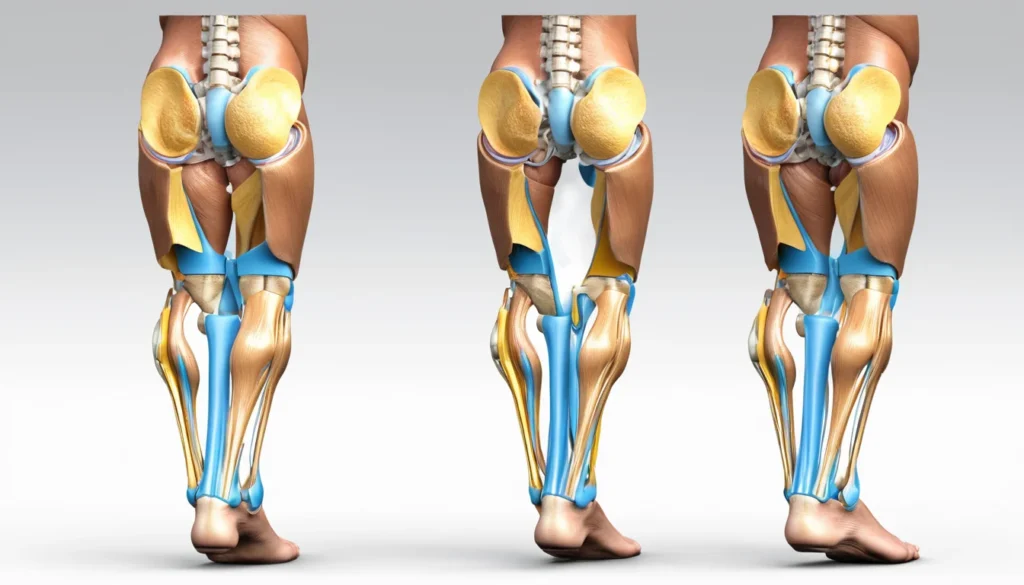
Skeletal abnormalities are a core feature of this syndrome. These can include an abnormally curved spine (kyphosis), a short neck, a deformed breastbone, and abnormal hip development. Bone growth at the ends of long bones, such as the femur, may also be affected.
Short stature is common in those with Schwartz-Jampel syndrome. This results from abnormal bone growth throughout the body, not just in one area.
Facial and Eye Features
People with this syndrome often have distinctive facial features. These may include a flattened face, a small jaw (micrognathia), and a smaller-than-usual eye opening — a condition called blepharophimosis. Involuntary eye twitching (blepharospasm) is also frequently seen.
In addition, some individuals have extra rows of eyelashes or hair follicles on the eyelids, known as hypertrichosis of the eyelids. Eye position abnormalities may affect vision as well.
Other Physical Features
Children with Type II may show signs related to the body’s automatic nervous system. For example, they may have reduced reflexes, unusual episodes of high or low body temperature, and paradoxical sweating. Mouth sores and an absence of certain taste buds on the tongue have also been reported.
About 20% of people with Schwartz-Jampel syndrome have some degree of intellectual disability. However, most individuals have normal or even above-average intelligence.
Causes and Genetics
Schwartz-Jampel syndrome is primarily inherited in an autosomal recessive pattern. This means a child must inherit a faulty copy of the gene from both parents in order to develop the condition. Parents who each carry one faulty copy are called carriers — they typically do not show symptoms themselves.
In rare cases, researchers have described an autosomal dominant pattern of inheritance. In this scenario, only one faulty gene copy is enough to cause the condition. These cases are much less common.
For Type I, the relevant gene is HSPG2, which provides instructions for making a protein called perlecan. This protein plays a key role in muscle and bone development. For Type II, the gene involved is LIFR, which affects how nerve and muscle cells communicate.
If you have a family history of rare genetic conditions, speaking with a genetic counsellor is a good step. Many provinces in Canada offer genetic counselling services through your family doctor or a specialist referral. Find out more about accessing specialist care through Health Canada.
Diagnosis and Testing
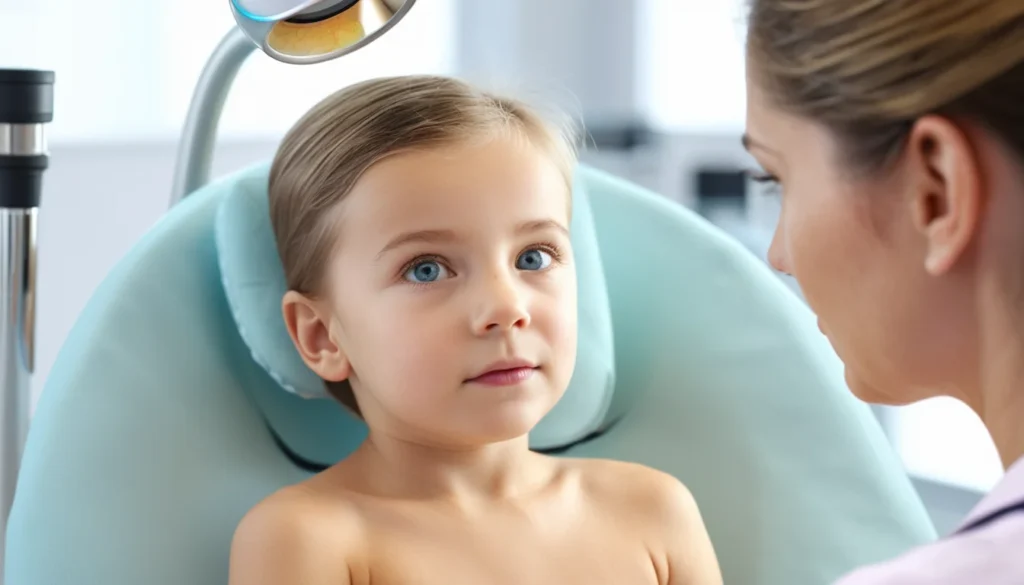
Diagnosing Schwartz-Jampel syndrome can be challenging. Because it is so rare, many general practitioners may not have encountered it before. A thorough physical examination is the first step. Doctors look for the combination of muscle stiffness, skeletal changes, and distinctive facial features.
Genetic testing can confirm the diagnosis by identifying mutations in the HSPG2 or LIFR genes. Electromyography (EMG) — a test that measures electrical activity in muscles — can also support the diagnosis by showing abnormal muscle behaviour.
X-rays and other imaging studies help assess the extent of bone abnormalities. Blood tests may also be ordered to rule out other conditions. In Canada, these tests are generally covered under provincial health plans, though wait times can vary by region.
Diagnosis often involves a team of specialists, including a paediatrician, a neurologist, an orthopaedic specialist, and possibly a geneticist. Your family doctor can coordinate referrals to these specialists through the provincial health system.
Treatment and Management Options
There is currently no cure for Schwartz-Jampel syndrome. However, treatment focuses on managing symptoms and improving quality of life. With the right support, many children with the milder form (Type IA) can lead fulfilling lives.
Managing Muscle Stiffness
Physiotherapy is a key part of managing muscle stiffness and weakness. Regular exercises can help improve movement and reduce joint tightness. Occupational therapy may also help children develop skills for daily living.
Some medications have been explored for reducing muscle stiffness. However, as noted earlier, the muscle stiffness in Schwartz-Jampel syndrome does not respond to certain drugs that work for similar-looking conditions. A specialist will guide the right treatment plan.
Addressing Bone and Joint Problems
Orthopaedic care is often needed to address skeletal abnormalities. In some cases, surgery may help correct joint contractures or spinal curvature. Bracing and assistive devices can also support mobility and posture.
Eye Care
An ophthalmologist (eye doctor) should regularly monitor any eye-related symptoms. Blepharospasm and other eye conditions may require targeted treatment to protect vision and comfort.
Support for Type II
Children with Type II require intensive medical support from birth. Breathing assistance and specialised feeding support are often necessary. Families dealing with this severe form of the condition benefit greatly from palliative care services and family support programmes available through many Canadian health centres.
Read the World Health Organization’s overview of rare diseases and available support.
When to See a Doctor
If your child shows signs of muscle stiffness, unusual facial features, slow physical growth, or joint problems, speak with your family doctor as soon as possible. Early referral to a specialist can make a significant difference in outcomes.
You do not need to wait for a referral to gather information. Walk-in clinics across Canada can help if your family doctor is unavailable. However, for ongoing management of a complex condition like this, a consistent relationship with a paediatrician or specialist is strongly recommended.
If your family has a known history of genetic conditions, ask your family doctor about genetic counselling. Provincial health plans in most of Canada cover this service when referred appropriately. Early genetic testing can help families prepare and plan for the future.
Always consult a qualified healthcare provider before making any decisions about your child’s health. This article is for informational purposes only and does not replace professional medical advice.
Frequently Asked Questions
What causes Schwartz-Jampel syndrome?
Schwartz-Jampel syndrome is caused by mutations in specific genes — either the HSPG2 gene (Type I) or the LIFR gene (Type II). It is most often inherited in an autosomal recessive pattern, meaning both parents must pass on a faulty gene copy. In rare cases, an autosomal dominant pattern has also been reported.
How rare is Schwartz-Jampel syndrome?
Schwartz-Jampel syndrome is considered extremely rare, and its exact prevalence is not fully known. Because so few cases are documented worldwide, researchers are still working to understand how often it occurs. Both males and females appear to be equally affected.
Can children with Schwartz-Jampel syndrome live a normal life?
Children with Type IA — the most common and mildest form of Schwartz-Jampel syndrome — generally have a normal life expectancy. With physiotherapy, orthopaedic care, and regular medical monitoring, many can lead active and fulfilling lives. Type II, however, is much more severe and is associated with significantly shortened life expectancy.
How is Schwartz-Jampel syndrome diagnosed?
Diagnosis of Schwartz-Jampel syndrome involves a physical examination, genetic testing to identify gene mutations, and an electromyography (EMG) test to assess muscle activity. X-rays help evaluate bone abnormalities. In Canada, your family doctor can arrange referrals to the appropriate specialists through your provincial health plan.
Is there a cure for Schwartz-Jampel syndrome?
There is currently no cure for Schwartz-Jampel syndrome. Treatment focuses on managing symptoms through physiotherapy, orthopaedic care, eye care, and other supportive therapies. Research into rare genetic disorders is ongoing, and new treatments may emerge in the future.
Does Schwartz-Jampel syndrome affect intelligence?
Most people with Schwartz-Jampel syndrome have normal or above-average intelligence. About 20% of those affected experience some degree of intellectual disability. The syndrome primarily affects physical development rather than cognitive ability in the majority of cases.
Key Takeaways
Schwartz-Jampel syndrome is a rare genetic disorder affecting muscles, bones, and physical development.
There are two main types: Type I (appearing in early childhood, caused by the HSPG2 gene) and Type II (present from birth, caused by the LIFR gene).
Type IA is the mildest and most common form; Type II is the most severe and significantly shortens life expectancy.
Symptoms include muscle stiffness or weakness, short stature, skeletal abnormalities, and distinctive facial features.
Most people with the condition have normal intelligence; about 20% have some intellectual disability.
There is no cure, but physiotherapy, orthopaedic care, and specialist support can greatly improve quality of life.
In Canada, your family doctor or walk-in clinic can refer you to specialists covered under your provincial health plan.
Always speak with a qualified healthcare provider for advice specific to your child’s situation.