Your scalp health matters more than most people realize. The scalp is the layer of soft tissue that covers the skull and is normally covered with hair. It can be affected by injuries, growths, and hair loss conditions. This article explains what the scalp is, what can go wrong, and when to seek help from a healthcare provider in Canada.
What Is the Scalp?
The scalp is made up of several layers of soft tissue that sit on top of the skull. It is the skin and underlying tissue you see and feel on top of your head. In most people, it is covered with hair.
The scalp is one of the most richly supplied areas of blood in the entire body. This means it receives a large amount of blood flow compared to other areas of skin. As a result, even a small cut on the scalp can bleed heavily.
Understanding your scalp can help you spot problems early. Good scalp health supports healthy hair growth and protects the skull beneath it. Furthermore, the scalp acts as a barrier against infection, injury, and environmental damage.
The Structure of a Healthy Scalp
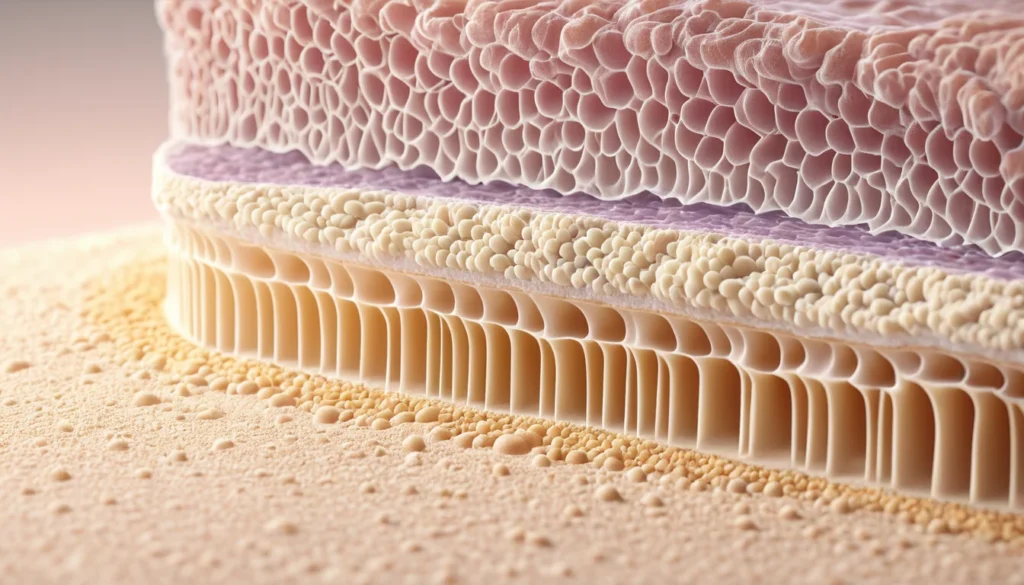
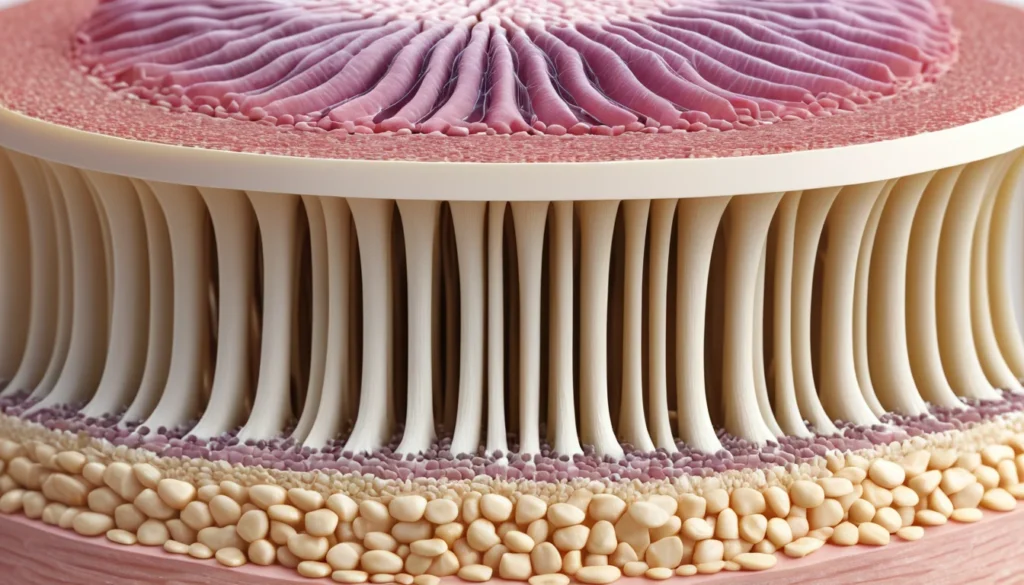
A healthy scalp has five distinct layers. Doctors and anatomy textbooks often use the word “SCALP” as an acronym to remember them: Skin, Connective tissue, Aponeurosis, Loose connective tissue, and Pericranium.
The outermost layer is the skin itself, which contains hair follicles, sweat glands, and oil glands. Below the skin sits a dense layer of connective tissue, rich in blood vessels and nerves. This is why scalp wounds bleed so much and why scalp injuries can be very painful.
The deeper layers connect the scalp to the skull. However, these layers also allow the scalp to move slightly when you raise your eyebrows or make facial expressions. This natural flexibility helps absorb some impact during minor head bumps.
Blood Supply and Nerves
The scalp receives blood from several arteries branching up from the neck and sides of the head. These vessels run just beneath the skin’s surface. Therefore, any deep cut or wound can cause significant bleeding very quickly.
Nerves in the scalp transmit sensations like touch, pain, and temperature. This is why headaches sometimes feel like pressure on top of the head. In addition, nerve sensitivity in the scalp explains why hair pulling or tight hairstyles can cause discomfort or even pain over time.
Common Scalp Health Conditions
Several conditions can affect scalp health. Some are minor and easy to treat. Others may need medical attention from your family doctor or a skin specialist. According to Mayo Clinic, scalp conditions range from dandruff and dryness to more serious dermatological concerns.
Scalp Injuries and Wounds
Injuries to the scalp are among the most common reasons people visit emergency departments or walk-in clinics. Because the scalp has such a rich blood supply, even a small cut can bleed a great deal. This can look alarming, but it does not always mean the injury is serious.
However, any wound to the scalp should prompt a careful check for a head injury underneath. A cut on the scalp could accompany a skull fracture or a concussion, even if you feel fine at first. If you or someone else experiences a scalp wound after a fall or blow to the head, seek medical attention right away.
Bruising of the scalp, also called a contusion, is also common after a bump or fall. The area may feel tender, swollen, or sore for several days. In most cases, minor bruising heals on its own. However, symptoms like confusion, dizziness, or vomiting after a head injury always require emergency care.
Dandruff and Dry Scalp
Dandruff is one of the most widespread scalp health concerns in Canada. It appears as white or yellowish flakes on the hair and shoulders. Dandruff results from the overproduction of skin cells on the scalp or from a yeast-like fungus called Malassezia.
A dry scalp, on the other hand, occurs when the skin loses too much moisture. Both conditions can cause itching and flaking. However, dandruff flakes tend to be oily, while dry scalp flakes are smaller and dry. Most cases respond well to medicated shampoos available over the counter at Canadian pharmacies.
Scalp Psoriasis and Seborrheic Dermatitis
Scalp psoriasis is a chronic autoimmune condition that causes thick, scaly patches on the scalp. It can extend to the forehead, neck, and ears. The patches may itch or feel sore, and they can significantly impact a person’s quality of life.
Seborrheic dermatitis is a related condition that causes red, flaky, greasy patches on the scalp. It is more common in areas with many oil glands. Both conditions can be managed with prescription or over-the-counter treatments, and your family doctor or dermatologist can recommend the best option for you.
Scalp Tumours: Benign and Malignant
Growths on the scalp are more common than many people think. Some are harmless, while others require prompt medical treatment. Knowing the difference is an important part of protecting your scalp health.
Benign Scalp Growths
Benign growths are non-cancerous and generally do not spread to other parts of the body. One of the most common benign scalp growths is a sebaceous cyst, also called an epidermoid cyst. These are small, slow-growing lumps just beneath the skin surface.
Lipomas are another type of benign growth. These are soft, fatty lumps that sit under the skin. They are usually painless and can stay the same size for years. In addition, pilar cysts are common on the scalp and form from hair follicles. Most benign growths do not require treatment unless they cause discomfort or grow quickly.
Malignant Scalp Tumours
Malignant tumours are cancerous and can be more serious. The scalp is exposed to the sun, especially in people with thinning hair or baldness. Therefore, it is a common site for skin cancers, including melanoma, squamous cell carcinoma, and basal cell carcinoma.
Melanoma is one of the most dangerous forms of skin cancer. It can develop anywhere on the body, including the scalp. Health Canada recommends protecting all skin from ultraviolet (UV) radiation, including the scalp, by wearing hats outdoors and applying sunscreen to exposed areas.
Sarcomas are rare cancers that can also appear on the scalp. These tumours grow in soft tissues and can become serious if not caught early. If you notice a new growth, a changing lump, or a sore that does not heal on the scalp, see a doctor as soon as possible.
Hair Loss and Scalp Health
Hair loss, also called alopecia or baldness, is a very common scalp condition. It affects millions of Canadians of all ages and genders. Hair loss can be temporary or permanent, depending on the cause.
The most common type is androgenetic alopecia, often called male-pattern or female-pattern baldness. This type is largely influenced by genetics and hormones. However, hair loss can also result from stress, nutritional deficiencies, thyroid problems, or certain medications.
Alopecia areata is an autoimmune condition where the immune system attacks hair follicles. It causes patchy hair loss on the scalp and sometimes elsewhere on the body. Furthermore, conditions like ringworm (tinea capitis) can cause temporary hair loss by infecting the scalp’s skin and hair follicles.
Treating Hair Loss
Treatment options for hair loss depend on the cause. Your family doctor can help identify the reason for your hair loss and recommend appropriate care. Options may include topical treatments like minoxidil, oral medications, or referral to a dermatologist.
For some people, hair loss is permanent and not reversible. In these cases, options like hair transplant surgery or scalp micropigmentation may be considered. As a result, it is important to have realistic expectations and to discuss all options with a qualified healthcare provider. Healthline’s guide to hair loss offers a helpful overview of causes and treatments.
Protecting Your Scalp Health
There are several practical steps you can take to maintain good scalp health every day. Prevention and early action make a big difference in the long run.
Protect your scalp from the sun. Wear a hat or apply sunscreen to exposed areas, especially if you have thinning hair.
Wash your hair regularly. Use a gentle shampoo suited to your scalp type to keep it clean and balanced.
Avoid harsh chemical treatments. Frequent bleaching, perming, or heat styling can damage the scalp and hair follicles over time.
Eat a balanced diet. Nutrients like iron, zinc, biotin, and protein support healthy hair and scalp tissue.
Manage stress. Chronic stress is linked to hair loss and scalp conditions like psoriasis. Regular physical activity and good sleep habits can help.
Check your scalp regularly. Look for new growths, persistent sores, or changes in skin colour or texture. Early detection saves lives when it comes to skin cancer.
When to See a Doctor
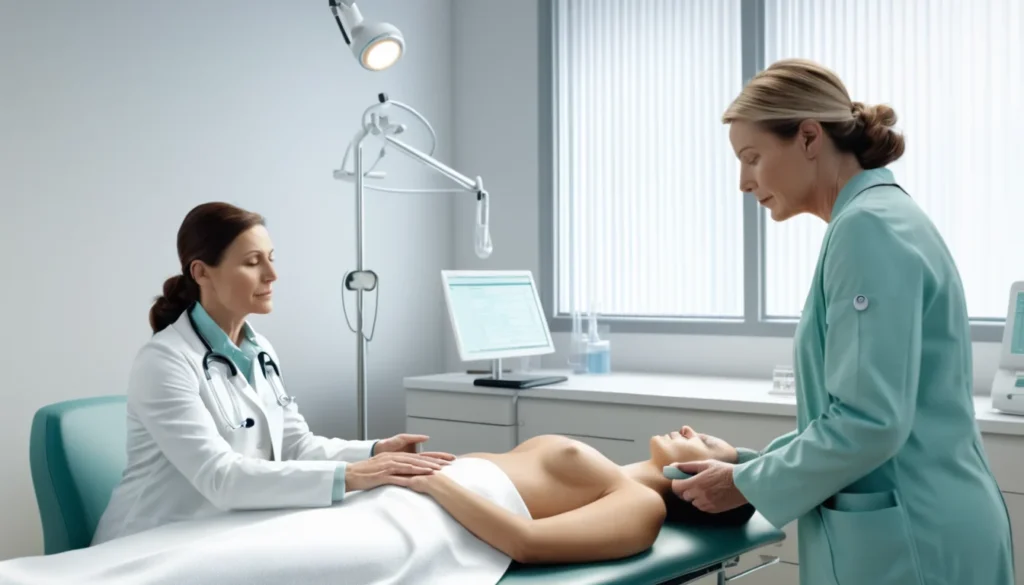
Not every scalp issue needs emergency care, but some signs should not be ignored. See your family doctor or visit a walk-in clinic if you notice any of the following:
A scalp wound that will not stop bleeding or shows signs of infection (redness, swelling, pus)
A new lump or growth on the scalp, especially one that grows quickly or bleeds
A sore or scab that does not heal within a few weeks
Sudden or significant hair loss without a clear reason
Severe itching, flaking, or redness that does not improve with over-the-counter products
Any scalp injury following a fall or blow to the head
In Canada, your provincial health plan covers visits to a family doctor and most referrals to specialists like dermatologists. If you do not have a family doctor, walk-in clinics are widely available across the country and can assess most scalp concerns. Always consult a qualified healthcare provider before starting any new treatment for a scalp condition.
Frequently Asked Questions About Scalp Health
What are the most common scalp health problems?
The most common scalp health problems include dandruff, seborrheic dermatitis, scalp psoriasis, hair loss, and scalp infections like ringworm. Many of these conditions are treatable with over-the-counter products or prescription medications. Your family doctor can help identify the cause and recommend the right treatment for you.
Why does the scalp bleed so much when cut?
The scalp has an extremely rich blood supply, with many blood vessels running close to the surface of the skin. This means even a small cut can cause significant bleeding very quickly. This is normal anatomy — it does not necessarily mean the injury is dangerous, but all scalp wounds should be assessed to rule out an underlying head injury.
Can a lump on the scalp be serious?
Most lumps on the scalp are benign, such as cysts or lipomas, and are not dangerous. However, some lumps can be signs of malignant tumours, including melanoma or sarcoma. If you notice a new lump, a rapidly growing growth, or one that bleeds or changes colour, see a doctor promptly to rule out anything serious.
How can I improve my scalp health at home?
You can support good scalp health by washing your hair regularly with a gentle shampoo, protecting your scalp from UV exposure with a hat or sunscreen, eating a balanced diet rich in vitamins and minerals, and managing stress. Avoid excessive heat styling or harsh chemical treatments that can damage the scalp. If symptoms persist, speak with your family doctor or a dermatologist.
Is hair loss a sign of a scalp health problem?
Hair loss can sometimes signal an underlying scalp health issue, such as a fungal infection, alopecia areata, or an inflammatory condition like psoriasis. In other cases, hair loss is related to hormones, genetics, stress, or nutritional deficiencies and is not directly caused by a scalp disease. A doctor can run tests to find the root cause and suggest appropriate treatment.
When should I go to a walk-in clinic for a scalp problem?
Visit a walk-in clinic for a scalp problem if you have a wound that will not stop bleeding, a painful or rapidly growing lump, a sore that refuses to heal, or hair loss that is sudden and unexplained. Walk-in clinics across Canada are well-equipped to evaluate most scalp concerns and can refer you to a dermatologist if needed. Do not wait if you are worried — early assessment leads to better outcomes.
Key Takeaways
The scalp is the layer of soft tissue covering the skull, richly supplied with blood vessels and nerves. Good scalp health involves caring for the skin, hair follicles, and underlying tissue of the head. Common scalp conditions include injuries, dandruff, psoriasis, hair loss, and benign or malignant growths. The scalp bleeds heavily when cut because of its dense blood supply — always check for underlying head injuries after scalp wounds. Skin cancers, including melanoma, can develop on the scalp. Protect exposed scalp skin from UV radiation. Hair loss affects many Canadians and can have many causes — speak with your family doctor to find the right diagnosis and treatment. If you notice any unusual growths, persistent sores, or sudden changes on your scalp, visit your family doctor or a walk