Scabies is a highly contagious skin condition caused by a tiny mite that burrows under the skin. It affects people of all ages and backgrounds across Canada. In this article, you will learn what scabies is, how it spreads, what symptoms to watch for, and how to get help through your family doctor or local walk-in clinic.
What Is Scabies?
Scabies is a parasitic skin condition caused by a microscopic mite called Sarcoptes scabiei. The mite burrows into the outer layer of skin, causing intense itching and a visible rash. It is not a sign of poor hygiene — anyone can get scabies.
Scabies can affect men and women equally, at any age. However, children, older adults, and people with weakened immune systems are most vulnerable. This includes people living with HIV or those who are malnourished.
Outbreaks are more common in crowded settings. Long-term care homes, hospitals, shelters, schools, and correctional facilities are all environments where scabies can spread quickly.
What Causes Scabies?
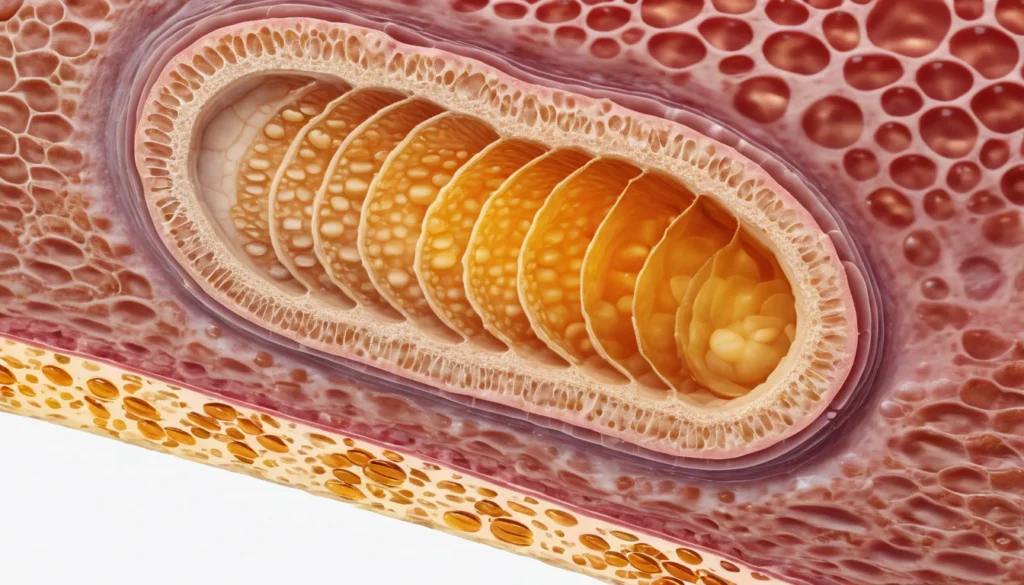
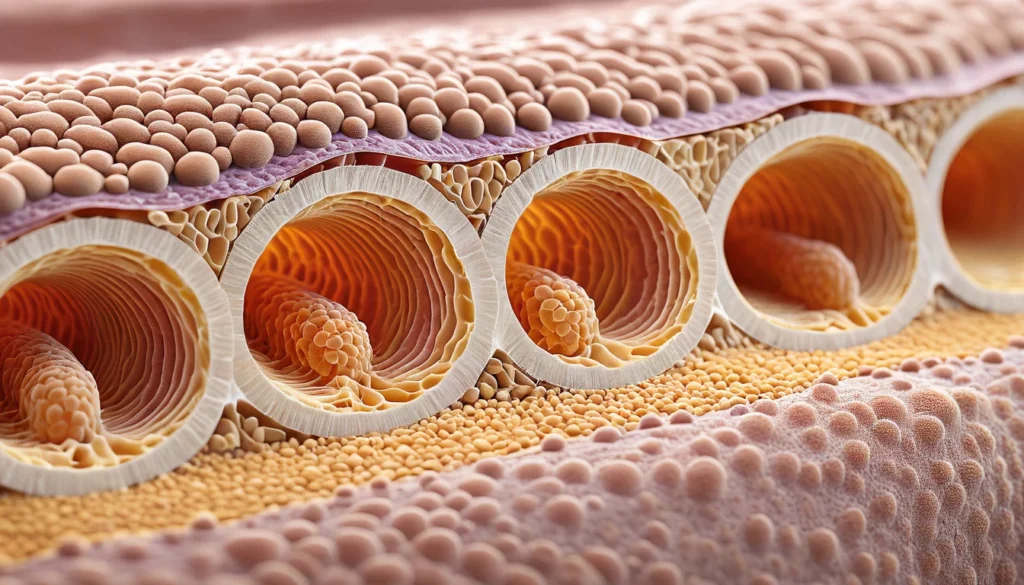
Scabies is caused by the Sarcoptes scabiei mite. Female mites are attracted to the warmth and scent of the human body. Once on the skin, they burrow in and create tiny tunnels where they lay eggs daily.
The eggs hatch into larvae within about three days. Those larvae move to the skin’s surface and develop into adults within 14 to 17 days. This cycle continues until the mites are treated and destroyed.
It is important to know that human scabies mites cannot survive on dogs or other animals. Similarly, animal mites cannot reproduce on humans. However, animal mites can still cause temporary itching or a rash that lasts a few days. For more information on mite biology, see the WHO scabies fact sheet.
How Does Scabies Spread?
Scabies spreads mainly through prolonged, close skin-to-skin contact. Sharing a bed or prolonged physical contact with an infected person is the most common way it spreads. Brief handshakes rarely transmit scabies.
In addition, scabies mites can survive on clothing, bed linens, and personal items for a short time. Sharing these items with an infected person can lead to transmission. Therefore, washing all clothing and bedding is a critical part of treatment.
A person with scabies can spread it to others even before symptoms appear. This window is known as the incubation period. For a first-time infection, it can take two to six weeks before symptoms develop. With a repeat infection, symptoms usually appear within two to three days.
Some people carry scabies mites without showing any symptoms at all. These individuals can still spread the condition to others. As a result, it is essential to treat all close contacts at the same time, even if they feel fine.
Scabies Symptoms to Watch For
The most common symptom of scabies is intense itching, especially at night or after a warm bath or shower. This itching is caused by an allergic reaction to the mites and their waste. It can be particularly severe in young children and older adults.
Many people mistake early scabies itching for dry skin. However, the itching of scabies tends to get worse over time and does not improve with regular moisturiser.
The Scabies Rash
The scabies rash is typically symmetrical — meaning it appears on both sides of the body in similar areas. Common locations in adults include:
Between the fingers and toes
The inner wrists and forearms
Around the elbows and knees
The underarms and waist
Around the nipples and belly button
The buttocks and genitals
In adults, the back, face, scalp, palms, and soles are usually not affected. However, in infants and young children, the rash can appear on the scalp, face, neck, palms, and soles of the feet.
Burrow Lines and Blisters
One of the key signs of scabies is tiny burrow lines on the skin. These look like small, greyish, thread-like lines, usually between 2 and 10 mm long. They sit just below the skin’s surface and can be hard to spot.
A small dark dot may be visible at one end of a burrow. This dot is the mite itself. Small fluid-filled blisters and raised bumps may also appear around infected areas.
Scabies in Infants and Young Children
Infants and very young children often develop a widespread, eczema-like rash on the trunk. Small bumps, blisters, and pustules between 1 and 3 mm may appear on the palms and soles. Since infants cannot scratch effectively, pink-to-brown nodules between 2 and 20 mm may develop.
Crusted Scabies
Crusted scabies — formerly called Norwegian scabies — is a severe form of the condition. The skin becomes thick, crusty, and heavily scaly. Itching may be mild or even absent in this form.
Crusted scabies is most common in people with weakened immune systems. It is extremely contagious because the skin can harbour thousands to millions of mites. People with this form need urgent medical treatment. Learn more from the Mayo Clinic’s guide to scabies.
Secondary Skin Problems
Scratching the rash can break the skin and lead to secondary bacterial infections. Other complications include widespread eczema, skin darkening after inflammation, and a condition called prurigo nodularis — chronic, very itchy bumps caused by repeated scratching.
When to See a Doctor
If you notice intense itching that gets worse at night, a spreading rash, or burrow lines on your skin, see a healthcare provider as soon as possible. Scabies does not go away on its own and requires prescription treatment.
In Canada, you can book an appointment with your family doctor or visit a walk-in clinic if your regular doctor is unavailable. Many provincial health plans cover the cost of diagnosis and prescription medications for scabies. If you are unsure what is covered in your province, check with your provincial health authority.
Seek care urgently if you notice crusted or thickened skin, signs of a skin infection such as increased redness, warmth, or pus, or if a young infant is affected. Do not wait for symptoms to worsen before reaching out to a health professional.
Remember, close contacts and household members should also be checked and treated at the same time — even if they have no symptoms. This step is essential to prevent re-infection. For a broader overview of skin conditions and when to seek care, visit Healthline’s scabies resource page.
Treatment and Prevention
Scabies is treatable. A doctor will typically prescribe a medicated cream or lotion applied to the entire body from the neck down. The most common treatment is permethrin cream. It is usually left on overnight and then washed off. In some cases, an oral medication called ivermectin may be prescribed.
All household members and close contacts should be treated at the same time. This is true even if they have no symptoms yet. Treating everyone together is the most effective way to stop the spread.
In addition to skin treatment, you should wash all clothing, bed linens, and towels in hot water and dry them on high heat. Items that cannot be washed should be sealed in a plastic bag for at least 72 hours. Mites cannot survive more than two to three days away from the human body.
After treatment, itching may continue for two to four weeks. This is a normal reaction and does not mean the treatment has failed. However, if itching persists beyond four weeks or new burrows appear, see your doctor again.
How do I know if I have scabies or just dry skin?
Scabies causes intense itching that is typically worse at night or after bathing, which sets it apart from regular dry skin. You may also notice a rash, tiny burrow lines between the fingers, or small blisters. If your itching does not improve with moisturiser, it is worth seeing your family doctor or visiting a walk-in clinic.
Is scabies contagious before symptoms appear?
Yes — scabies is contagious even during the incubation period, before any symptoms develop. With a first infection, this period can last two to six weeks. During this time, a person can unknowingly spread scabies to others through close skin contact or shared personal items.
Can you get scabies from a pet?
Scabies mites from animals, such as dogs, cannot reproduce on humans and do not cause a full scabies infection. However, animal mites can temporarily live on human skin long enough to cause itching or a short-term rash. True human scabies only comes from person-to-person contact.
How is scabies treated in Canada?
In Canada, scabies is treated with a prescription medicated cream, most commonly permethrin, which is applied to the whole body and washed off after several hours. Your family doctor or a walk-in clinic can diagnose scabies and prescribe treatment. Most provincial health plans cover the cost of the prescription.
Do I need to treat my whole family if one person has scabies?
Yes, all household members and close contacts should be treated at the same time, even if they have no symptoms. This is the most important step in preventing re-infection. Skipping treatment for anyone in the household can cause the cycle of scabies to continue.
How long does scabies itching last after treatment?
It is normal for scabies itching to continue for two to four weeks after successful treatment. This happens because your immune system is still reacting to the dead mites and their waste in the skin. If itching lasts longer than four weeks or new burrows appear, speak with your doctor.
Key Takeaways
Scabies is a contagious skin condition caused by the Sarcoptes scabiei mite.
The main symptoms are intense itching — especially at night — and a symmetrical rash with possible burrow lines.
Scabies spreads through prolonged skin-to-skin contact and shared personal items like bedding.
Anyone can get scabies, but children, older adults, and people with weakened immune systems are at higher risk.
Scabies does not go away on its own — it requires prescription treatment from a family doctor or walk-in clinic.
All household members and close contacts must be treated at the same time to prevent re-infection.
Washing clothing and bedding in hot water is an essential part of clearing a scabies outbreak.
Always consult a healthcare provider for a proper diagnosis and treatment plan tailored to your situation.