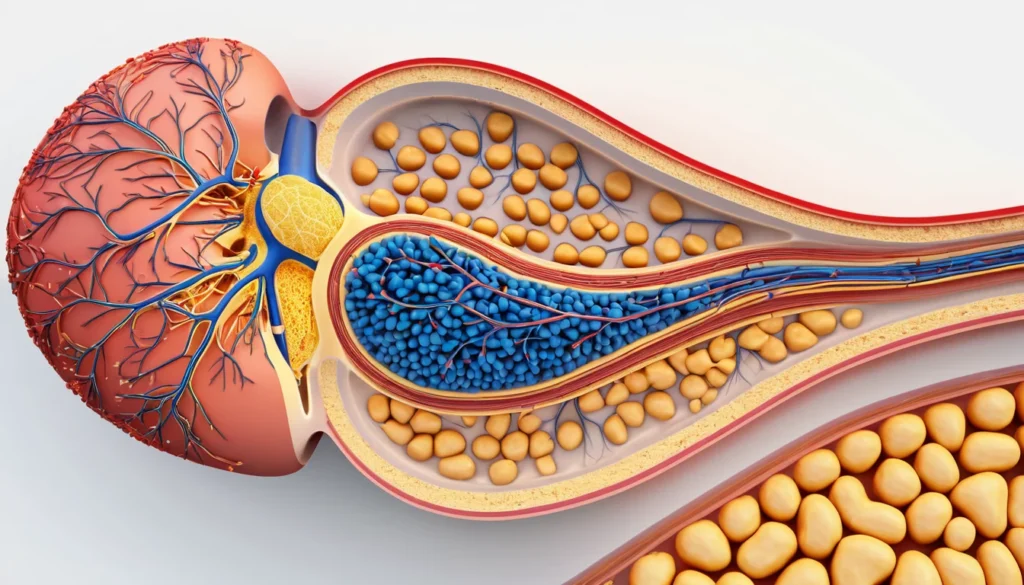
Saturated fat is a type of dietary fat that stays solid at room temperature. It is found mainly in animal products, but some plant-based foods contain it too. Eating too much saturated fat can raise your LDL (“bad”) cholesterol, which increases your risk of heart disease and stroke. In this article, we explain what saturated fat is, which foods contain it, how it affects your health, and what steps you can take to protect your heart.
What Is Saturated Fat?
Fat is an essential nutrient your body needs to function properly. However, not all fats work the same way in your body. Saturated fat gets its name from its chemical structure — its carbon atoms are fully “saturated” with hydrogen atoms, leaving no room for double bonds.
This structure makes saturated fat solid at room temperature. Think of butter sitting on your counter or the white fat on a piece of bacon. In contrast, unsaturated fats — like olive oil — stay liquid at room temperature. Understanding this difference is the first step to making smarter food choices.
Saturated fat is also sometimes called a saturated fatty acid. You may see this term on nutrition labels or in medical literature. Both terms refer to the same thing.
Common Foods That Contain Saturated Fat
Many everyday foods contain saturated fat. Some of these foods are staples in the Canadian diet, so it is important to know which ones to watch. Knowing your sources helps you make better choices at the grocery store and in your kitchen.
Animal-Based Sources
Animal products are the most common source of saturated fat. These include:
Bacon and pork products — cured meats, sausages, and ribs
Beef and lamb — especially fattier cuts like ribeye or ground beef
Butter — a staple in many Canadian kitchens
Cream and sour cream — often used in sauces and baked goods
High-fat cheeses — such as cheddar, brie, and cream cheese
Whole milk and full-fat dairy products
Poultry skin — especially from chicken and turkey
These foods are not all bad. Many provide important nutrients like calcium, protein, and vitamins. However, eating large amounts regularly can push your saturated fat intake above recommended levels.
Plant-Based Sources
Certain plant-based oils are also high in saturated fat. This surprises many people, since plant foods are often considered automatically healthy. However, two oils stand out:
Palm oil — widely used in processed and packaged foods
Coconut oil — popular in cooking and baking
Cocoa butter — found in chocolate and some cosmetics
Palm oil, in particular, appears in many packaged snacks, baked goods, and fast foods sold in Canada. Always check the nutrition label when buying processed foods. Look for “palm oil,” “palm kernel oil,” or “coconut oil” in the ingredients list.
How Saturated Fat Affects Your Cholesterol
Saturated fat has a direct effect on your cholesterol levels. When you eat too much of it, your liver produces more LDL cholesterol — often called “bad” cholesterol. High LDL levels cause fatty deposits to build up inside your arteries. Over time, this can narrow the arteries and reduce blood flow to your heart and brain.
Cholesterol itself is not entirely harmful. Your body needs cholesterol to build cells and produce hormones. The problem arises when LDL levels climb too high and HDL (“good”) cholesterol levels drop too low. This imbalance is a key risk factor for heart disease and stroke.
According to Health Canada, cardiovascular disease remains one of the leading causes of death in Canada. Diet plays a major role in either increasing or reducing that risk. Therefore, managing your saturated fat intake is one of the most effective steps you can take for long-term heart health.
How Much Saturated Fat Is Safe?
Canadian dietary guidelines recommend that saturated fat make up no more than 10% of your total daily calories. For an average adult eating 2,000 calories per day, that works out to about 20 grams of saturated fat. Most Canadians exceed this amount without realising it.
For example, a single tablespoon of butter contains about 7 grams of saturated fat. A fast-food cheeseburger can contain 12 to 15 grams. Add a coffee with cream and a slice of cheddar cheese, and you can easily reach your daily limit before dinner.
The World Health Organization (WHO) also recommends reducing saturated fat intake and replacing it with unsaturated fats where possible. Small swaps — like switching from butter to olive oil or choosing lower-fat dairy — can add up to meaningful reductions over time.
Reading Nutrition Labels in Canada
Canada’s updated nutrition label makes it easier to track saturated fat. Look for the “Saturated + Trans Fat” row on the Nutrition Facts table. The percentage daily value (%DV) shown is based on a 20-gram daily limit. A %DV of 5% or less is considered low. A %DV of 15% or more is considered high.
Furthermore, watch for hidden saturated fat in packaged foods. Items like crackers, granola bars, microwave popcorn, and store-bought baked goods often contain more saturated fat than you might expect. Reading labels carefully is one of the simplest habits you can build for better health.
Saturated Fat and Heart Disease: What the Research Says
The link between saturated fat and heart disease has been studied for decades. The general scientific consensus supports reducing saturated fat intake to protect cardiovascular health. However, the topic is more nuanced than a simple “saturated fat is bad” message.
Research shows that what you replace saturated fat with matters greatly. Replacing it with refined carbohydrates — like white bread, sugary drinks, or pastries — may not improve your heart health at all. In contrast, replacing saturated fat with unsaturated fats from sources like nuts, seeds, avocado, and olive oil clearly reduces cardiovascular risk.
As a result, health experts focus less on eliminating saturated fat entirely and more on building an overall healthy eating pattern. The Mayo Clinic recommends a diet rich in fruits, vegetables, whole grains, and healthy fats as the foundation for heart health. This approach is also consistent with Canada’s Food Guide.
Saturated Fat vs. Trans Fat
Trans fat is often confused with saturated fat, but they are different. Trans fats are artificially created through a process called hydrogenation. They are even more harmful than saturated fat for your cholesterol levels. Health Canada has banned most artificial trans fats from the food supply, making it easier for Canadians to avoid them. However, naturally occurring trans fats still exist in small amounts in some dairy and meat products.
Healthier Alternatives to Reduce Saturated Fat
Reducing your saturated fat intake does not mean giving up flavour or satisfaction. Many simple swaps can make a real difference in your diet without making you feel deprived. Start with small, manageable changes rather than overhauling your entire diet at once.
Here are some practical tips for everyday Canadians:
Choose lean cuts of meat like chicken breast, turkey, or sirloin instead of fattier cuts
Use olive oil or canola oil for cooking instead of butter or coconut oil
Switch to lower-fat dairy options like 1% milk, reduced-fat yoghurt, or lighter cheese
Eat more plant-based proteins such as lentils, chickpeas, tofu, and beans
Choose avocado or nut butters instead of butter on toast
Snack on nuts and seeds instead of processed crackers or cookies
Grill, bake, or steam foods instead of frying them
Read labels on packaged foods and choose options with lower saturated fat %DV
In addition, increasing your intake of dietary fibre can help lower LDL cholesterol. Foods like oats, barley, apples, flaxseed, and legumes are excellent sources of soluble fibre. Fibre binds to cholesterol in the digestive system and helps remove it from the body.
When to See a Doctor
Many Canadians do not know their cholesterol levels until they have a routine blood test. High LDL cholesterol often has no obvious symptoms. Therefore, regular check-ups with your family doctor are important, especially if you have a family history of heart disease, diabetes, or high blood pressure.
If you do not have a family doctor, a walk-in clinic can perform basic cholesterol screening and provide referrals. Most provincial health plans in Canada cover lipid panel blood tests when ordered by a physician. Ask your doctor how often you should be tested based on your age and risk factors.
You should speak to a healthcare provider if you:
Have been told you have high cholesterol or high LDL levels
Have a family history of early heart disease
Are over 40 and have never had your cholesterol checked
Have diabetes, high blood pressure, or kidney disease
Are unsure how much saturated fat is appropriate for your specific health needs
A registered dietitian can also help you create an eating plan that works for your lifestyle, food preferences, and health goals. Many provincial health plans offer dietitian services, or your family doctor can provide a referral.
This article is for informational purposes only and does not replace professional medical advice. Always consult your doctor or a qualified healthcare provider before making significant changes to your diet.
Frequently Asked Questions About Saturated Fat
What is saturated fat and why is it bad for you?
Saturated fat is a type of fat that is solid at room temperature, found mainly in animal products like meat, butter, and cheese. Eating too much saturated fat raises LDL (“bad”) cholesterol levels in the blood. High LDL cholesterol increases your risk of heart disease and stroke over time.
How much saturated fat should I eat per day?
Health Canada and most major health organisations recommend limiting saturated fat to no more than 10% of your total daily calories. For someone eating 2,000 calories per day, that is about 20 grams of saturated fat. Checking the %DV on Canadian nutrition labels is an easy way to track your intake.
Is coconut oil high in saturated fat?
Yes, coconut oil is very high in saturated fat — about 82% of its fat content is saturated. Despite being plant-based, coconut oil can raise LDL cholesterol similarly to animal fats. Health experts generally recommend using it sparingly and choosing olive oil or canola oil for everyday cooking instead.
What foods are highest in saturated fat?
Foods highest in saturated fat include butter, bacon, fatty cuts of beef and lamb, full-fat cheese, cream, coconut oil, and palm oil. Many processed and packaged foods — such as pastries, crackers, and fast food — also contain significant amounts of saturated fat. Reading nutrition labels is the best way to identify hidden sources.
Can I lower my cholesterol by reducing saturated fat?
Yes, reducing your intake of saturated fat — especially when you replace it with unsaturated fats from sources like olive oil, nuts, and avocado — can help lower LDL cholesterol. Increasing your dietary fibre intake also supports healthier cholesterol levels. However, speak with your family doctor for personalised advice based on your specific cholesterol results.
Is saturated fat the same as trans fat?
No, saturated fat and trans fat are different types of dietary fat. Trans fats are artificially created through a process called hydrogenation and are considered more harmful than saturated fat. Health Canada has banned most artificial trans fats from the Canadian food supply, though small amounts still occur naturally in some dairy and meat products.
Key Takeaways
Saturated fat is solid at room temperature and found mainly in animal products and some tropical plant oils.
Eating too much saturated fat raises LDL (“bad”) cholesterol and increases the risk of heart disease and stroke.
Common sources include butter, bacon, beef, lamb, full-fat dairy, coconut oil, and palm oil.
Health Canada recommends keeping saturated fat below 10% of your total daily calories — about 20 grams for a 2,000-calorie diet.
Replacing saturated fat with unsaturated fats (olive oil, nuts, avocado) and increasing dietary fibre are proven strategies to improve cholesterol levels.
Read Canadian nutrition labels carefully, especially on packaged and processed foods.
Talk to your family doctor or visit a walk-in clinic if you have concerns about your cholesterol. Most provincial health plans cover routine blood tests.
Always consult a healthcare professional before making significant dietary changes.