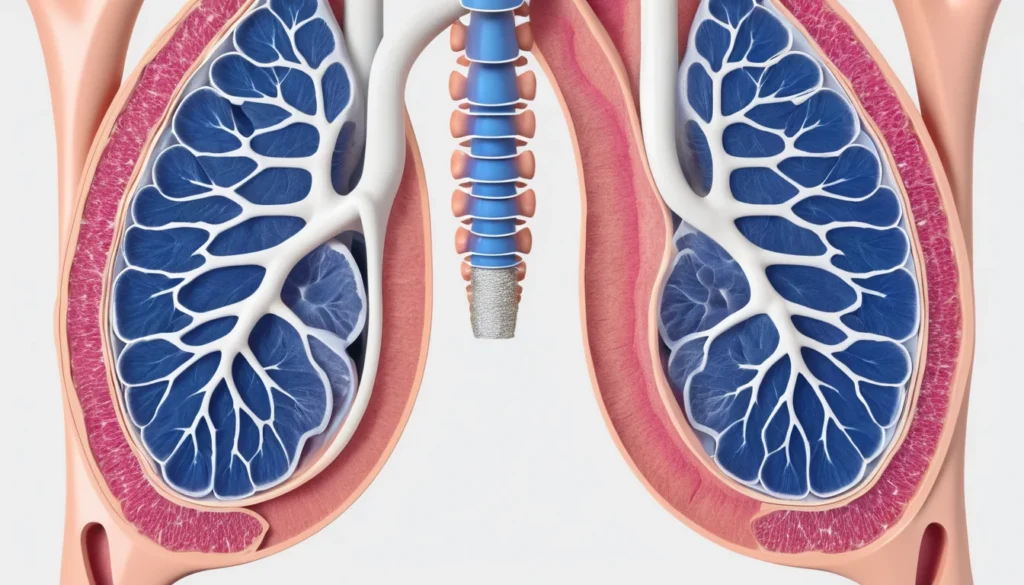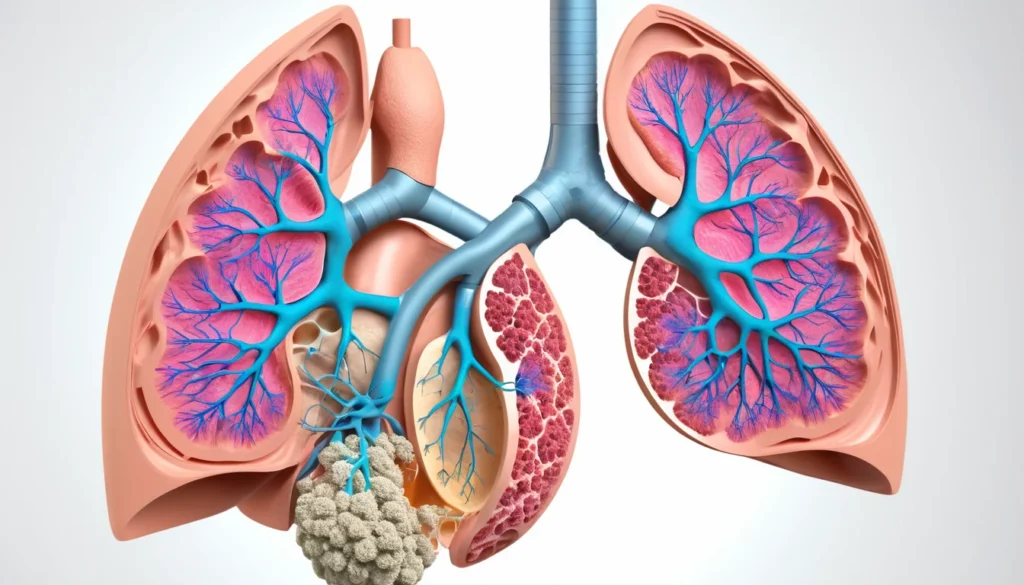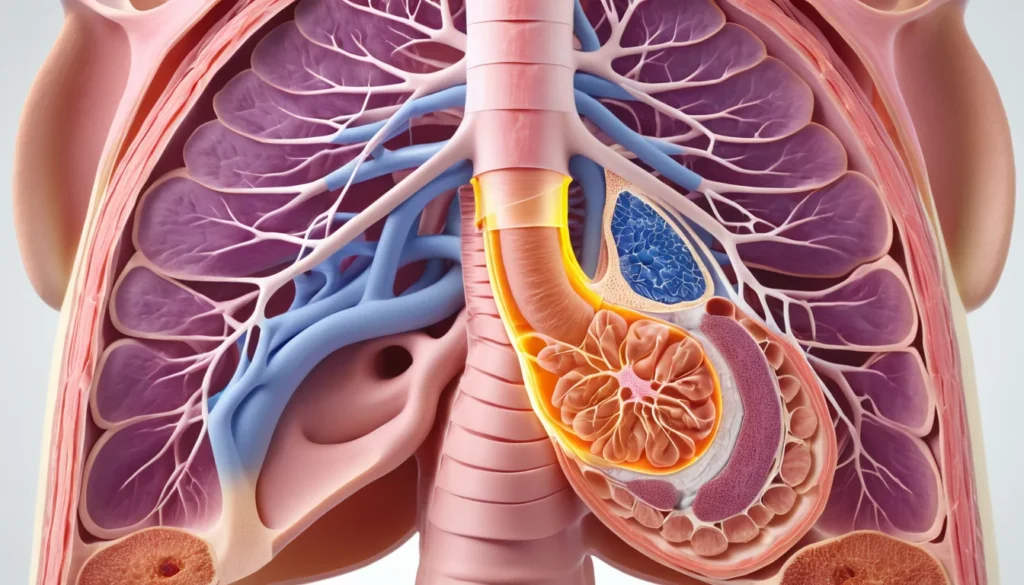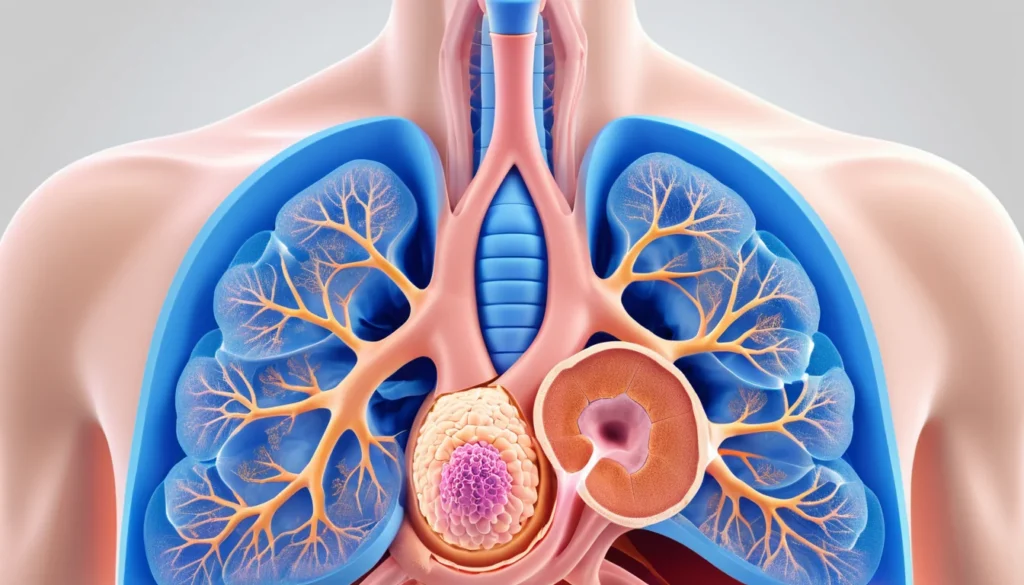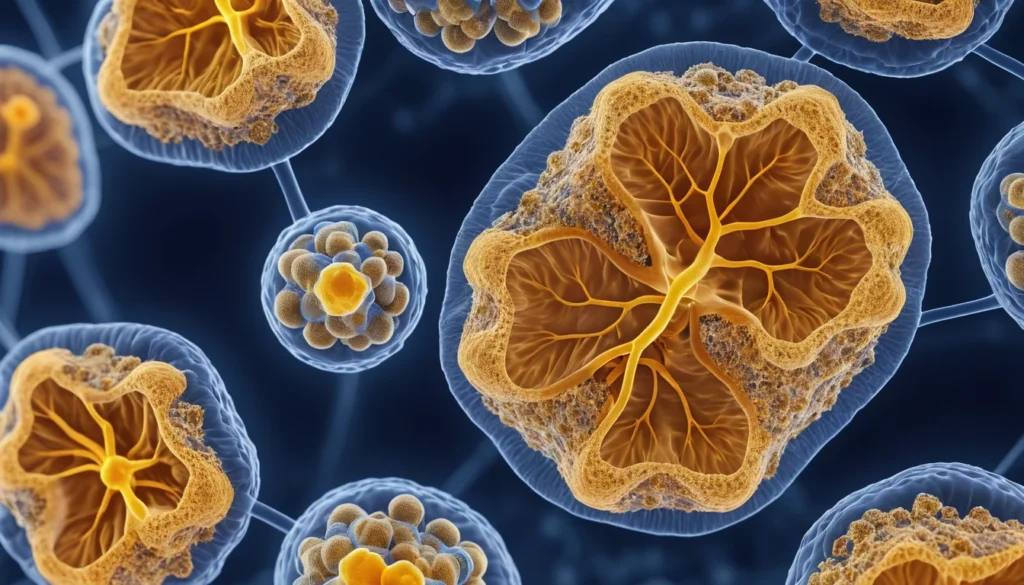
Sarcoidosis is a condition where tiny clumps of inflamed cells, called granulomas, form in different organs of the body. It most commonly affects the lungs, but it can also involve the skin, eyes, and lymph nodes. Most people who develop sarcoidosis are between 20 and 40 years old. The good news is that, for most people, the long-term outlook is positive — especially with proper medical care.
What Is Sarcoidosis?
Sarcoidosis is a systemic inflammatory disease. “Systemic” means it can affect many parts of the body at the same time. The disease is defined by the formation of granulomas — small lumps made up of inflammatory cells — that can disrupt how organs work normally.
The lungs are the most commonly affected organ. However, the condition can also spread to the skin, eyes, liver, heart, and joints. When granulomas build up in an organ, they interfere with that organ’s normal function. This is what causes the symptoms a person might notice and report to their doctor.
Sarcoidosis is relatively rare. In Europe, for example, estimates suggest between 3 and 50 cases per 100,000 people. There is no clearly dominant sex affected, though some research suggests men may be slightly more affected than women. In Canada, cases are diagnosed across all provinces, and your provincial health plan covers the diagnostic workup if your family doctor refers you.
Sarcoidosis Symptoms to Watch For
Symptoms of sarcoidosis vary widely depending on which organs are involved. Some people have no symptoms at all and find out about the condition only through a routine chest X-ray. Others experience a range of symptoms that affect their daily life.
Common Lung Symptoms
Since the lungs are most often affected, respiratory symptoms are the most frequently reported. These can include a persistent dry cough, shortness of breath, and chest discomfort. In some cases, a person may feel easily winded during everyday activities like climbing stairs or walking briskly.
Skin and Eye Symptoms
Sarcoidosis can also cause visible changes on the skin. Red, tender bumps — often appearing on the shins — are a common sign. The eyes can become red, painful, or sensitive to light. Left untreated, eye involvement can lead to complications such as glaucoma, so it is important to get these symptoms checked promptly.
Joint and Other Symptoms
Some people develop joint pain and swelling, which can feel similar to arthritis. Fatigue is also very common. Other possible symptoms include swollen lymph nodes, fever, and unexplained weight loss. In children, sarcoidosis often appears as a combination of eye, skin, and joint changes — without the typical lung involvement seen in adults.
What Causes Sarcoidosis?
Despite decades of research, experts have not yet identified a single definite cause of sarcoidosis. The disease appears to involve an abnormal immune response — but what triggers that response remains unclear. Because there is no animal model that perfectly mimics the disease, studying its causes is particularly challenging.
Most experts believe sarcoidosis develops through a complex interaction between environmental factors and a person’s genetic make-up. In other words, some people may simply be more susceptible than others. When their immune system encounters a trigger — something in the environment or a microbe — it overreacts and begins forming granulomas.
Possible Triggers Under Investigation
Researchers have looked at a wide range of possible triggers. These include bacterial infections — particularly from organisms like Mycobacterium tuberculosis and Propionibacterium acnes. Viral candidates include the Epstein-Barr virus, cytomegalovirus, and the Coxsackie B virus.
Environmental exposures are also being studied. Chemicals such as beryllium, aluminium, zirconium, and titanium have been investigated as potential contributing factors. Genetic factors also play an important role, particularly in determining how severe the disease becomes and what the long-term outcome looks like. For more background on how the immune system responds to disease, visit Health Canada’s official health information portal.
How Sarcoidosis Develops in the Body
Sarcoidosis is a chronic inflammatory condition. It begins when the immune system is exposed to an unknown antigen — a substance the body identifies as foreign. The immune system launches a defence, but instead of resolving the problem, it keeps fighting. This ongoing battle leads to the formation of granulomas.
Inside the affected tissue, the body releases enzymes, cytokines, and other signalling chemicals. These substances continue to irritate the tissue and sustain the inflammation. Over time, the inflammation shifts from acute (short-term) to chronic (long-term). This change affects how cells grow and how blood vessels function in the area. As a result, granulomas form and can disrupt normal organ function.
The key driver of this process seems to be persistent antigenic stimulation — meaning something keeps triggering the immune response without ever being fully neutralised. This is what allows the disease to become chronic in some patients. You can learn more about inflammatory conditions through the Mayo Clinic’s overview of sarcoidosis.
Diagnosis and What to Expect
Diagnosing sarcoidosis is not always straightforward. Doctors must first rule out other conditions that look similar, such as tuberculosis, lymphoma, or other inflammatory diseases. The diagnosis is generally confirmed through a combination of imaging, blood tests, and tissue biopsy.
A biopsy means a doctor takes a small sample of tissue — usually from the lungs or lymph nodes — and examines it under a microscope. If granulomas are found and other causes are ruled out, a diagnosis of sarcoidosis can be confirmed. In Canada, your family doctor or a specialist such as a respirologist or rheumatologist will guide this process. All necessary referrals are covered under your provincial health plan.
Imaging and Other Tests
A chest X-ray is often the first tool used. Many people are actually diagnosed after an X-ray taken for another reason shows enlarged lymph nodes near the lungs — called hilar adenopathy. CT scans, pulmonary function tests, and eye examinations may also be part of the diagnostic workup. Blood tests can reveal elevated inflammatory markers and check for organ involvement.
Treatment and Outlook for Sarcoidosis
Not everyone with sarcoidosis needs treatment right away. Many people — especially those with no symptoms — are monitored closely over time rather than treated immediately. This approach is called “watchful waiting,” and it is a common strategy used by Canadian specialists.
When treatment is needed, corticosteroids (such as prednisone) are the most commonly used medications. They work by reducing inflammation and suppressing the overactive immune response. Treatment is usually managed by a specialist, but your family doctor plays a key role in monitoring your overall health and coordinating care.
The long-term outlook for most people with sarcoidosis is good. Many patients see their symptoms improve significantly with treatment, and their quality of life increases as granulomas shrink or resolve. However, some patients do develop chronic disease, particularly those with symptoms affecting multiple organs. Even in more complex cases, death directly caused by sarcoidosis is rare. For additional information on treatment approaches, Healthline provides a thorough patient-friendly guide to sarcoidosis.
When to See a Doctor
You should speak with your family doctor if you notice a persistent cough that does not go away, unexplained shortness of breath, red or painful eyes, tender skin bumps, or swollen lymph nodes. These symptoms do not always mean sarcoidosis — but they do deserve proper evaluation.
If you do not have a family doctor, a walk-in clinic is a good first step. The doctor there can order a chest X-ray and basic blood work, and refer you to a specialist if needed. Early detection gives you the best chance of a smooth recovery, so do not wait if something feels wrong. Always consult a qualified healthcare provider before drawing any conclusions about your own health.
Frequently Asked Questions About Sarcoidosis
Is sarcoidosis a serious disease?
For most people, sarcoidosis is not life-threatening. Many cases resolve on their own or respond well to treatment. However, sarcoidosis can become serious if it affects the heart, eyes, or nervous system without proper care.
Can sarcoidosis go away on its own?
Yes — in many cases, sarcoidosis does resolve without treatment, especially in people who have no symptoms. Doctors often monitor these patients closely with regular check-ups rather than starting medication right away. Your family doctor or specialist will help decide the best approach for you.
What organs does sarcoidosis affect?
Sarcoidosis most commonly affects the lungs and lymph nodes. However, it can also involve the skin, eyes, liver, heart, joints, and nervous system. The range of organs affected varies from person to person.
Is sarcoidosis contagious?
No, sarcoidosis is not contagious. You cannot catch it from another person. It is an immune-mediated condition, meaning it results from the body’s own immune system reacting abnormally — not from an infection passed between people.
How is sarcoidosis diagnosed in Canada?
In Canada, sarcoidosis is typically diagnosed through a combination of chest X-rays, CT scans, blood tests, and a tissue biopsy. Your family doctor will usually refer you to a specialist such as a respirologist or rheumatologist. All diagnostic testing and specialist referrals are covered under your provincial health plan.
Can sarcoidosis cause eye problems like glaucoma?
Yes — sarcoidosis can affect the eyes and, if left untreated, may lead to serious complications including glaucoma. Eye involvement is more common in children with sarcoidosis, but adults can be affected too. Regular eye examinations are an important part of monitoring this condition.
Key Takeaways
Sarcoidosis is an inflammatory disease where granulomas — clumps of immune cells — form in body organs, most often the lungs.
The exact cause is unknown, but experts believe it involves a combination of genetic susceptibility and environmental triggers.
Symptoms vary widely and can include cough, shortness of breath, skin changes, eye problems, and joint pain similar to arthritis.
Diagnosis requires ruling out other conditions and is confirmed through imaging and tissue biopsy.
Many cases resolve on their own; when treatment is needed, anti-inflammatory medications like corticosteroids are commonly used.
The long-term outlook is generally good, though some patients develop chronic disease.
If you notice any warning signs, speak with your family doctor or visit a walk-in clinic — early assessment is always the right move.