Salicylic acid is one of the most widely used ingredients in skin care today. It is a beta-hydroxy acid (BHA) found in many over-the-counter products for acne, psoriasis, dandruff, warts, and more. This guide explains what salicylic acid is, how it works, who can use it safely, and when you should speak with your family doctor or visit a walk-in clinic.
What Is Salicylic Acid?
Salicylic acid is a naturally occurring organic compound. It belongs to a group of chemicals called beta-hydroxy acids, which means it has a hydroxyl group attached next to a carboxyl group in its molecular structure.
In nature, salicylic acid acts as a plant hormone. It plays a major role in plant growth, development, and photosynthesis. It also helps plants respond to stress and environmental changes.
In medicine and skin care, salicylic acid is best known as a close chemical relative of aspirin. However, it is not the same as the active ingredient in aspirin. The two compounds share a similar base structure, but they work differently in the body.
You can find salicylic acid in many products available at Canadian pharmacies, including cleansers, toners, spot treatments, shampoos, and medicated pads. Concentrations typically range from 0.5% to 2% in over-the-counter products, and higher concentrations are available by prescription.
How Does Salicylic Acid Work on Skin?
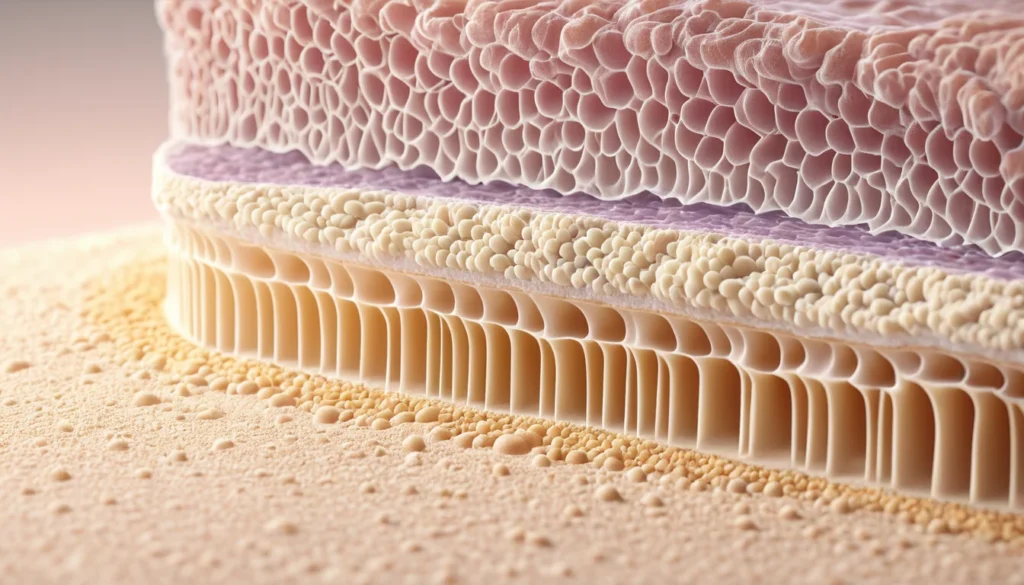
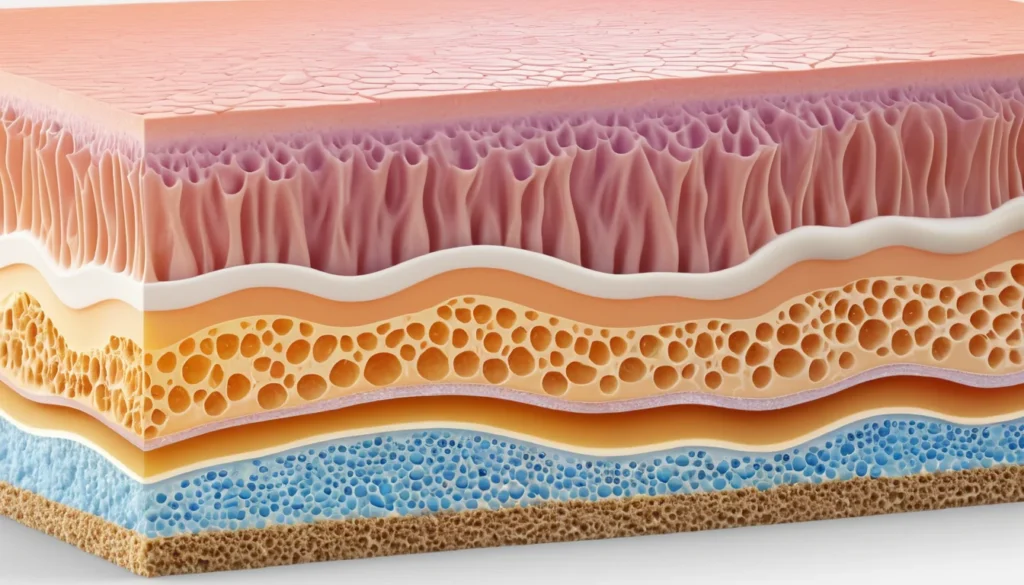
Salicylic acid works by softening and breaking down the top layer of skin. This process is called keratolysis — it loosens the bonds between dead skin cells so they can shed more easily.
Because it is oil-soluble, salicylic acid can penetrate deep into your pores. This makes it especially effective at dissolving the buildup of sebum (skin oil) and dead cells that clog pores and lead to breakouts.
Salicylic Acid and Acne
Salicylic acid is one of the most recommended ingredients for treating mild to moderate acne. It clears blocked pores, reduces blackheads and whiteheads, and helps prevent new blemishes from forming.
It also has mild anti-inflammatory properties. As a result, it can calm redness and irritation around existing pimples. For many Canadians dealing with everyday breakouts, a salicylic acid cleanser or toner is an affordable first step.
Salicylic Acid and Keratosis Pilaris
Keratosis pilaris is a common skin condition that causes small, rough bumps — usually on the upper arms, thighs, or cheeks. It happens when keratin builds up and blocks hair follicles.
Salicylic acid helps by gently exfoliating the skin and reducing that buildup. However, results take time and consistent use. Furthermore, it will not completely cure keratosis pilaris, but it can significantly improve the texture of the skin.
Common Uses of Salicylic Acid
Salicylic acid treats a wide range of skin conditions. Below are the most common uses you will find in Canadian pharmacies and clinics.
Acne: Unclogs pores and reduces breakouts in cleansers, toners, and spot treatments.
Psoriasis: Softens and removes thick, scaly patches of skin caused by psoriasis.
Warts and verrucas: High-concentration salicylic acid gradually breaks down wart tissue over several weeks.
Corns and calluses: Medicated pads or gels soften hardened skin on the feet.
Dandruff: Salicylic acid shampoos help loosen and remove flaky scalp buildup.
Keratosis pilaris: Regular use smooths rough, bumpy skin on the arms and legs.
Most of these products are available without a prescription at pharmacies across Canada. However, higher-strength formulations — sometimes used for wart removal or treating thicker psoriasis plaques — may require a prescription or professional application.
Salicylic Acid Side Effects and Safety
Salicylic acid is generally safe when used as directed. However, like any active skin care ingredient, it can cause side effects — especially if you use too much or use it too often.
Common Side Effects
Some people experience mild dryness, peeling, or irritation when they first start using salicylic acid. This is normal and usually improves as your skin adjusts. In addition, some users notice a mild stinging or burning sensation, particularly on sensitive skin.
To reduce irritation, start with a low-concentration product and use it every other day. Always follow the product instructions on the label.
Salicylic Acid and Skin Tone
People with medium to dark skin tones should use salicylic acid with extra caution. Higher concentrations of salicylic acid can trigger post-inflammatory hyperpigmentation — dark spots that appear after skin irritation or damage.
This does not mean people with darker skin cannot use salicylic acid. It simply means starting with a lower concentration and avoiding overuse. If you notice darkening or uneven skin tone, stop using the product and speak with a dermatologist or your family doctor.
Who Should Avoid Salicylic Acid?
Certain people should be careful or avoid salicylic acid altogether. These include:
Children under two years old — salicylic acid should not be used on young children without medical guidance.
Pregnant or breastfeeding women — consult your doctor before use, especially with high-concentration products.
People with a known allergy to aspirin or salicylates — you may also react to salicylic acid.
People with diabetes or poor circulation — particularly when using products on the feet.
People with broken, irritated, or infected skin — do not apply salicylic acid to open wounds or actively inflamed areas.
Always read the label carefully. If you are unsure whether a product is right for you, a pharmacist at your local drugstore can offer helpful guidance without an appointment.
How to Use Salicylic Acid Safely
Using salicylic acid correctly makes a big difference in your results and reduces the risk of side effects. Here are some practical tips for safe use.
Start Low and Go Slow
Begin with a product containing 0.5% to 1% salicylic acid. Use it once daily or every other day to see how your skin responds. If your skin tolerates it well after two weeks, you can increase frequency or try a slightly stronger formula.
Avoid using multiple salicylic acid products at the same time. For example, do not use a salicylic acid cleanser, toner, and spot treatment all together. This increases the risk of dryness and irritation.
Moisturise and Use Sunscreen
Salicylic acid increases your skin’s sensitivity to the sun. Therefore, always apply a broad-spectrum sunscreen with at least SPF 30 during the day. This is especially important during Canadian summers or if you spend time outdoors.
In addition, use a gentle, fragrance-free moisturiser to keep your skin barrier healthy. This helps balance the drying effect of salicylic acid and keeps your skin comfortable.
Follow Product Instructions
For wart or callus treatments, follow the instructions closely and do not apply the product to healthy surrounding skin. Use a nail file or pumice stone to gently remove dead tissue between applications, as directed.
For salicylic acid shampoos used to treat dandruff or scalp psoriasis, leave the shampoo on for a few minutes before rinsing. This gives the ingredient time to work effectively.
Salicylic Acid vs. Other Skin Care Acids
Salicylic acid is often compared to other popular exfoliating acids, such as glycolic acid and lactic acid. Understanding the differences helps you choose the right product for your skin type.
Glycolic acid and lactic acid are alpha-hydroxy acids (AHAs). They work on the surface of the skin and are water-soluble. They are well-suited for dry skin, uneven skin tone, and fine lines.
Salicylic acid, on the other hand, is oil-soluble. This means it penetrates into the pore itself, making it the better choice for oily or acne-prone skin. Furthermore, salicylic acid is gentler on sensitive skin compared to some AHAs at similar concentrations.
If you are unsure which acid is right for your skin concerns, a dermatologist or skin care professional can help you decide. Many Canadian dermatologists offer consultations through provincial health plans, though wait times can vary by province.
When to See a Doctor
Most people can safely use over-the-counter salicylic acid products without medical supervision. However, there are situations where you should speak with a health professional.
Visit your family doctor or a walk-in clinic if you notice any of the following:
Severe skin irritation, blistering, or swelling after using a salicylic acid product.
Signs of an allergic reaction, such as hives, difficulty breathing, or swelling of the face.
Warts or skin lesions that do not improve after several weeks of treatment.
Skin darkening or hyperpigmentation that does not fade.
Signs of skin infection around a treated area, such as increased redness, warmth, or pus.
Any skin concern you are unsure about — a proper diagnosis ensures you are using the right treatment.
In Canada, walk-in clinics are a convenient option for non-urgent skin concerns if you do not have a family doctor or cannot get a timely appointment. For more complex or persistent skin conditions, ask for a referral to a dermatologist through your provincial health plan.
You can also learn more about safe skin care practices from Health Canada’s official health resources. For detailed medical information about salicylic acid and skin conditions, the Mayo Clinic’s guide to topical salicylic acid is a trusted reference. Additionally, Healthline’s overview of salicylic acid for acne offers practical tips backed by dermatologist input.
As always, this article is for general information only. Please consult your doctor or pharmacist before starting any new skin treatment, especially if you have an existing health condition or are taking other medications.
Frequently Asked Questions About Salicylic Acid
Can I use salicylic acid every day?
Yes, many people use salicylic acid daily, but it depends on your skin type and the product concentration. Start every other day and increase gradually. If your skin becomes dry or irritated, reduce how often you use it and make sure you are moisturising regularly.
Is salicylic acid safe during pregnancy?
Low-concentration salicylic acid in rinse-off products (like cleansers) is generally considered low risk during pregnancy, but high-concentration or leave-on salicylic acid products should be avoided. Always speak with your doctor or midwife before using any salicylic acid product while pregnant or breastfeeding.
How long does salicylic acid take to work on acne?
Most people begin to see improvement in their acne within four to six weeks of consistent salicylic acid use. However, full results can take up to three months. If you see no improvement after six weeks, speak with your family doctor about other treatment options.
Can salicylic acid cause skin darkening?
Yes, high concentrations of salicylic acid can cause post-inflammatory hyperpigmentation, particularly in people with medium to dark skin tones. Using a lower concentration and always applying sunscreen can help prevent this. If darkening occurs, stop use and consult a dermatologist.
What is the difference between salicylic acid and benzoyl peroxide for acne?
Salicylic acid works by unclogging pores and removing dead skin cells, while benzoyl peroxide kills acne-causing bacteria directly. Salicylic acid is better suited for blackheads and whiteheads, whereas benzoyl peroxide is more effective for inflamed, red pimples. Some people use both, but this increases the risk of dryness and irritation.
Can children use salicylic acid for warts?
Salicylic acid wart treatments are generally not recommended for children under two years old. For older children, over-the-counter salicylic acid products can be used with care, but always follow the product label instructions. If you are unsure, visit a walk-in clinic or speak with your child’s doctor before starting treatment.
Key Takeaways
Salicylic acid is a beta-hydroxy acid widely used in Canadian over-the-counter skin care products. It treats acne, psoriasis, warts, corns, calluses, keratosis pilaris, and dandruff by exfoliating skin and unclogging pores. It is oil-soluble, which allows it to penetrate pores effectively — making it ideal for oily and acne-prone skin. Higher concentrations can cause skin irritation and hyperpigmentation, especially in