Salicylates are a group of natural and man-made chemicals found in many everyday products and foods. They are salts or esters derived from salicylic acid. Understanding salicylates can help you make better choices about your health, especially if you or a family member reacts badly to certain foods, medications, or skin products. This article explains what salicylates are, where they come from, how they affect the body, and when to speak with a healthcare provider.
What Are Salicylates?
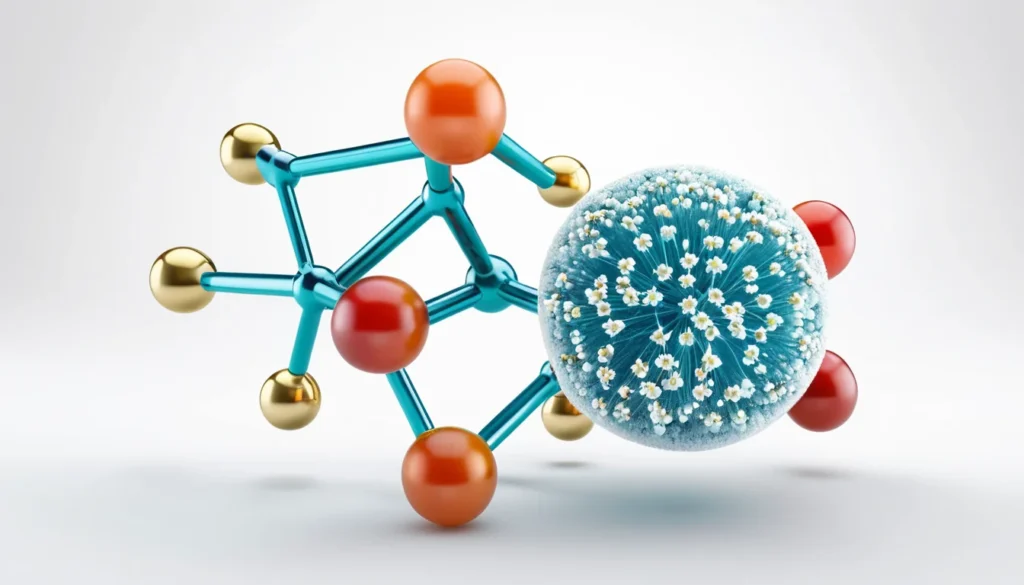
Salicylates are compounds that come from salicylic acid. They occur naturally in many plants, where they act as a defence against insects and disease. However, they are also made synthetically for use in medications and personal care products.
The most well-known salicylate is aspirin, also called acetylsalicylic acid. Aspirin is widely used to relieve pain, reduce fever, and lower the risk of heart attack and stroke. Many Canadians take aspirin regularly, often under the guidance of their family doctor.
Other salicylates include methyl salicylate, found in topical muscle rubs, and bismuth subsalicylate, found in certain stomach remedies. Salicylates also appear naturally in fruits, vegetables, herbs, and spices.
Common Sources of Salicylates
You may be exposed to salicylates more often than you think. They show up in a surprising number of everyday items, from the food on your plate to the lotion in your bathroom.
Salicylates in Food
Many fruits and vegetables contain salicylates naturally. Foods with higher levels include berries, grapes, oranges, tomatoes, broccoli, and spinach. Herbs and spices such as mint, thyme, and paprika are also high in salicylates.
Processed foods and drinks can also contain added salicylates. For example, some fruit juices, teas, and flavoured snacks include salicylate-based additives. Therefore, people who are sensitive to salicylates may need to read food labels carefully.
Salicylates in Medications
Aspirin is the most common salicylate medication in Canada. Many over-the-counter pain relievers and cold remedies contain it. Some prescription medications also include salicylate compounds.
Topical products such as acne creams, wart treatments, and dandruff shampoos often use salicylic acid as an active ingredient. Furthermore, some arthritis rubs and muscle pain creams contain methyl salicylate. Always check the label if you have a known sensitivity.
Salicylates in Personal Care Products
Salicylates appear in many cosmetics and skin care products. Perfumes, sunscreens, and moisturisers may list salicylate compounds in their ingredients. In addition, some toothpastes and mouthwashes contain mint flavouring derived from salicylate sources.
How Salicylates Work in the Body
Salicylates have several important effects on the body. They reduce inflammation, lower fever, and relieve pain by blocking certain enzymes in the body. These enzymes, called cyclooxygenases (COX), play a role in producing prostaglandins — chemicals that trigger inflammation and pain.
As a result, salicylates are useful for treating a wide range of conditions. Low-dose aspirin, for example, is often prescribed to reduce blood clotting and lower the risk of heart attacks. However, salicylates must be used carefully, because they can cause side effects, especially with long-term or high-dose use.
The body processes salicylates mainly through the liver and kidneys. At normal doses, this happens efficiently. However, at very high doses, the body’s ability to break down salicylates can be overwhelmed, leading to a toxic build-up. This condition, called salicylate toxicity, requires prompt medical attention.
Salicylate Sensitivity and Intolerance
Some people are more sensitive to salicylates than others. This is sometimes called salicylate intolerance or salicylate sensitivity. It is not a true allergy in the traditional sense, but it can cause real and uncomfortable symptoms.
Symptoms of Salicylate Sensitivity
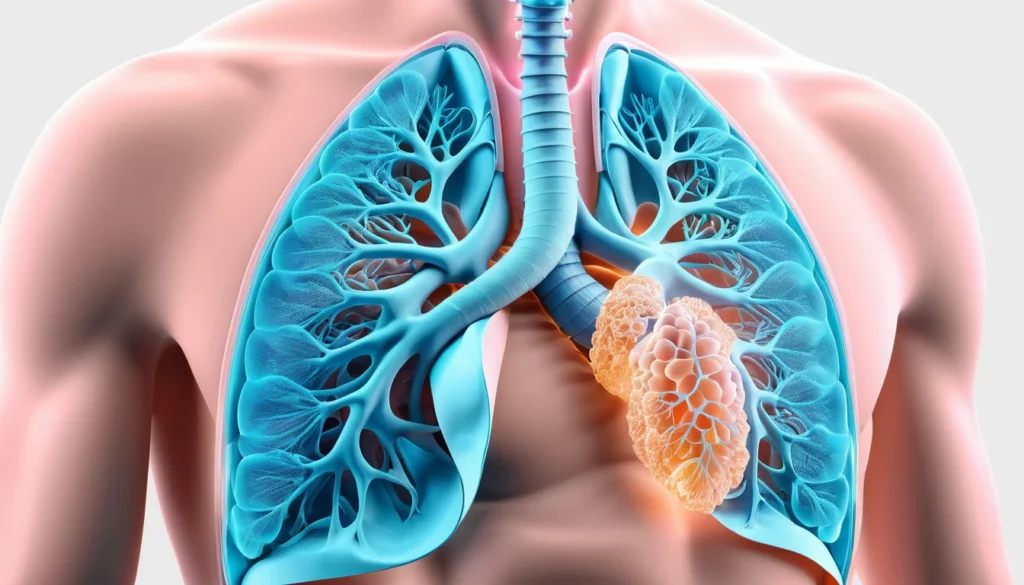
Symptoms can vary from person to person. Common reactions include nasal congestion, hives, itching, stomach pain, and diarrhoea. Some people experience headaches, ringing in the ears, or asthma-like breathing difficulties.
In more severe cases, salicylate sensitivity can trigger asthma attacks in people who already have the condition. This is sometimes called aspirin-exacerbated respiratory disease (AERD). If you notice that certain foods, medications, or products consistently trigger symptoms, it is worth discussing this with your family doctor or a specialist.
Who Is at Risk?
Salicylate sensitivity appears to be more common in adults than in children. People with asthma, chronic hives, or nasal polyps may have a higher risk. In addition, those with certain digestive conditions, such as irritable bowel syndrome (IBS), may find that high-salicylate foods worsen their symptoms.
It is important to note that salicylate sensitivity is different from a salicylate allergy. A true allergy involves the immune system and can cause severe reactions. Sensitivity, on the other hand, is a dose-dependent response — the more salicylates you consume, the more likely you are to experience symptoms.
Salicylate Toxicity: Recognising the Signs
Salicylate toxicity, also called salicylism, can occur when salicylates build up to dangerous levels in the body. This can happen from taking too much aspirin, using large amounts of topical salicylate products, or accidentally ingesting high doses. According to Health Canada, certain medications and supplements can interact with salicylates and increase the risk of toxicity.
Mild toxicity may cause ringing in the ears, nausea, vomiting, and dizziness. More serious cases can involve rapid breathing, confusion, fever, and even seizures. Salicylate toxicity is a medical emergency and requires immediate care.
Children are especially vulnerable to salicylate toxicity. For this reason, aspirin is generally not recommended for children or teenagers in Canada, due to the risk of a rare but serious condition called Reye’s syndrome. Always follow the dosing instructions on any medication and consult a pharmacist if you are unsure.
Salicylates and Their Health Benefits
Despite the risks, salicylates also offer significant health benefits when used correctly. They have been part of medicine for over a century, and research continues to uncover new potential uses.
Pain Relief and Fever Reduction
Salicylates, particularly aspirin, are effective at relieving mild to moderate pain. They work well for headaches, muscle aches, and joint pain. They also reduce fever by acting on the part of the brain that regulates body temperature.
For many Canadians, over-the-counter salicylate medications are a first-line option for everyday aches and pains. However, they should not replace professional medical advice for ongoing or severe pain.
Cardiovascular Benefits
Low-dose aspirin therapy is well known for its role in heart health. It helps prevent blood clots from forming, which can reduce the risk of heart attacks and strokes. Many Canadians who have already had a heart attack or stroke take low-dose aspirin daily as part of their treatment plan.
However, the Mayo Clinic advises that daily aspirin therapy is not right for everyone. It can increase the risk of internal bleeding. Therefore, you should only start a daily aspirin regimen under the guidance of your doctor or cardiologist.
Skin Care Uses
Salicylic acid is a popular ingredient in skin care products. It is especially useful for treating acne, as it helps unclog pores and reduce skin inflammation. It is also used to treat psoriasis, warts, calluses, and dandruff.
In Canada, many of these products are available over the counter at pharmacies. However, higher-strength formulations may require a prescription. Always follow product instructions and speak with a pharmacist if you have questions about which strength is right for you.
When to See a Doctor
You should speak with a healthcare provider if you suspect you have a salicylate sensitivity or intolerance. Your family doctor can review your symptoms, rule out other causes, and refer you to an allergist or dietitian if needed. Walk-in clinics across Canada are also a convenient option for non-urgent concerns.
Seek emergency care right away if you or someone you know shows signs of salicylate toxicity. These signs include severe vomiting, confusion, difficulty breathing, or loss of consciousness. Do not wait — call 911 or go to your nearest emergency department immediately.
You should also talk to your doctor or pharmacist before starting any new medication that contains salicylates, especially if you are pregnant, breastfeeding, taking blood thinners, or have kidney or liver disease. Your provincial health plan may cover visits to specialists who can help manage salicylate-related conditions. Check with your provincial health authority for more information.
For more general information on medication safety, you can visit the Healthline guide on salicylates for additional context alongside advice from your healthcare provider.
Frequently Asked Questions About Salicylates
What are salicylates found in?
Salicylates are found in many foods, medications, and personal care products. Natural sources include fruits like berries, oranges, and grapes, as well as herbs and spices. Medications such as aspirin and topical skin treatments also contain salicylates.
Can salicylates cause an allergic reaction?
Salicylates can cause reactions, but these are usually classified as an intolerance or sensitivity rather than a true allergy. Symptoms may include hives, nasal congestion, stomach upset, or breathing difficulties. If you experience severe symptoms, seek medical attention promptly.
Is aspirin a salicylate?
Yes, aspirin — also known as acetylsalicylic acid — is one of the most well-known salicylates. It is widely used in Canada for pain relief, fever reduction, and heart health. Always consult your doctor before taking aspirin regularly.
What are the symptoms of salicylate intolerance?
Common symptoms of salicylate intolerance include nasal congestion, skin rashes, headaches, stomach pain, and diarrhoea. Some people with asthma may experience worsened breathing after exposure to salicylates. A family doctor can help determine if salicylate intolerance is causing your symptoms.
Are salicylates safe during pregnancy?
The safety of salicylates during pregnancy depends on the type and dose. High-dose salicylates, such as large amounts of aspirin, are generally not recommended during pregnancy, especially in the third trimester. Always speak with your doctor or midwife before taking any salicylate-containing product while pregnant.
How do I follow a low-salicylate diet?
A low-salicylate diet involves limiting high-salicylate foods such as berries, tomatoes, and strong spices while focusing on lower-salicylate alternatives like bananas, pears, and cabbage. It can be complex to follow correctly, so working with a registered dietitian is strongly recommended. Your family doctor can provide a referral through your provincial health plan.
Key Takeaways
Salicylates are compounds derived from salicylic acid, found naturally in many foods and used in medications and skin care products.
Aspirin is the most common salicylate medication and is widely used in Canada for pain relief and heart health.
Some people experience salicylate sensitivity, which can cause symptoms like hives, nasal congestion, and digestive upset.
Salicylate toxicity is a medical emergency — know the signs and seek help immediately if you suspect an overdose.
Children should generally not take aspirin due to the risk of Reye’s syndrome.
Always consult your family doctor, walk-in clinic, or pharmacist before starting or stopping any salicylate-containing product.
A registered dietitian can help you manage a low-salicylate diet safely and effectively.
This article is for informational purposes only and does not replace professional medical advice. Always consult a qualified healthcare provider for diagnosis and treatment specific to your situation.