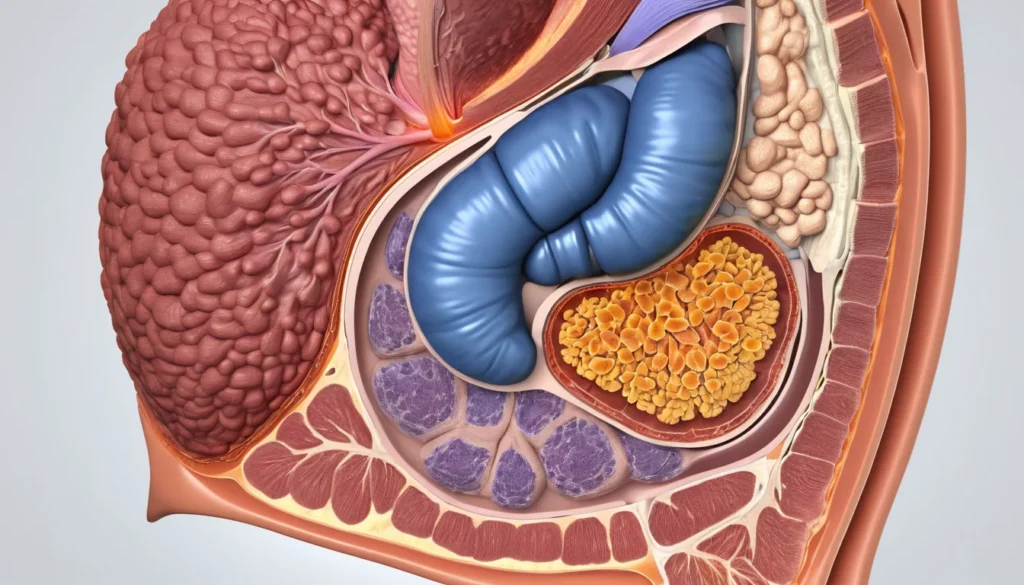
A ruptured spleen is a serious medical emergency that demands immediate attention, especially in time-sensitive trauma situations across Canada. It occurs when a forceful blow to the abdomen tears the spleen, a small but vital organ located beneath your lower left ribs, causing potentially life-threatening internal bleeding.
How to Recognize a Ruptured Spleen: Warning Signs and Symptoms
Recognizing ruptured spleen symptoms early can make the difference between a safe recovery and a fatal outcome. Whether caused by a car accident, a sports collision, or an underlying condition like an enlarged spleen, this injury requires urgent evaluation and treatment. In this guide, we explain how Canadian doctors diagnose and treat splenic injuries, what recovery looks like, and how to stay safe after spleen removal.
What Is a Ruptured Spleen?
Treatment Options for a Ruptured Spleen: Comparing Approaches and Considerations
| Treatment Option | Description | Benefits | Key Considerations |
|---|---|---|---|
| Non-Operative Management (NOM) | Close monitoring in hospital with bed rest, IV fluids, and serial abdominal exams; no surgery required | Preserves the spleen and its immune function; avoids surgical risks; shorter recovery time | Only suitable for hemodynamically stable patients with Grade I–III injuries; requires ICU-level monitoring |
| Angioembolization | A minimally invasive procedure where a radiologist blocks bleeding vessels in the spleen using a catheter | Stops internal bleeding without open surgery; high success rate in Grade III–IV injuries | Requires interventional radiology expertise; available at major Canadian trauma centres; spleen may partially lose function |
| Splenorrhaphy (Spleen Repair Surgery) | Surgical repair of the damaged spleen using sutures, mesh, or topical hemostatic agents | Preserves splenic tissue and immune function; appropriate for moderate lacerations | Requires general anesthesia; longer operative time than splenectomy; not feasible for severe injuries |
| Splenectomy (Spleen Removal) | Surgical removal of the entire spleen, performed as open or laparoscopic surgery | Definitively controls life-threatening hemorrhage; life-saving in Grade IV–V injuries | Lifelong increased infection risk; patients require vaccinations (pneumococcal, meningococcal, Hib) per Canadian immunization guidelines |
| Supportive Care & Blood Transfusion | Administration of IV fluids, packed red blood cells, and blood products to stabilize the patient | Rapidly restores blood volume and prevents hemorrhagic shock; bridges patient to definitive treatment | Used alongside other treatments, not as a standalone approach; blood product availability varies by Canadian hospital |
Your spleen is a small organ tucked in the upper left side of your abdomen, just beneath your lower ribs. It plays an important role in your health. The spleen helps your body fight infections, filters old or damaged blood cells, and produces certain white blood cells.
Because of its location under the ninth, tenth, and eleventh ribs, the spleen is vulnerable to trauma. A hard enough impact — from a sports collision, a fall, or a car accident — can cause the spleen to tear. This is called a ruptured spleen.
When the spleen ruptures, blood can spill into the abdominal cavity. This internal bleeding can become massive very quickly. That is why this condition is always treated as a medical emergency.
Symptoms of a Ruptured Spleen
Knowing the warning signs of a ruptured spleen could save your life or the life of someone you love. Symptoms can appear immediately after an injury, or sometimes days or even weeks later.
Common Symptoms to Watch For
Pain or tenderness in the upper left abdomen — this is the most common sign
Pain that spreads to the left shoulder — caused by blood irritating the diaphragm
Confusion or disorientation — a sign that blood pressure may be dropping
Blurred vision
Fainting or lightheadedness
Rapid heartbeat
Pale, cool, or clammy skin
These symptoms — especially confusion, blurred vision, or fainting after an injury — point to a dangerous drop in blood pressure. This is a sign of significant internal bleeding. Do not wait to see if symptoms improve on their own.
When to See a Doctor
A ruptured spleen is always a medical emergency. If you or someone nearby has taken a hard blow to the abdomen and is showing any of the symptoms above, call 911 immediately. Do not drive to a walk-in clinic or wait for a family doctor appointment.
In Canada, emergency departments are equipped to diagnose and treat this condition right away. Time matters enormously with internal bleeding. Even if pain seems mild at first, spleen injuries can worsen rapidly. Therefore, any significant abdominal trauma should be evaluated at an emergency department.
If you are unsure whether your symptoms are serious, err on the side of caution. It is always better to be assessed and sent home than to delay care for a potentially life-threatening injury.
Causes and Risk Factors
A ruptured spleen is almost always caused by blunt force trauma to the abdomen or lower chest. However, certain conditions can make the spleen more fragile and easier to rupture.
Common Causes
Sports injuries — contact sports like hockey, football, and rugby carry the highest risk
Car accidents — a common cause of serious abdominal trauma
Falls — especially from heights
Physical assault — a direct blow to the left side of the body
Conditions That Increase Risk
An enlarged spleen is more fragile and ruptures more easily. Several health conditions can cause the spleen to enlarge, including:
Mononucleosis (mono) — in fact, a ruptured spleen is the most serious complication of mono
Liver disease
Blood cancers such as leukemia or lymphoma
Certain infections
If you have been diagnosed with any of these conditions, talk to your family doctor about your risk. You may need to avoid contact sports or strenuous activity until your spleen returns to a normal size.
In some cases, a damaged spleen does not rupture right away. It may rupture days or even weeks after the initial injury. This is called a delayed splenic rupture. For this reason, doctors take all abdominal trauma seriously, even when initial symptoms seem minor.
Diagnosis: How Doctors Identify a Ruptured Spleen
In a critical emergency, a physical examination alone may guide the surgical team before any tests are completed. However, when time allows, doctors use several tools to confirm the diagnosis.
Diagnostic Tests
Abdominal ultrasound — a quick, non-invasive scan to detect blood in the abdomen
CT scan (computed tomography) — provides detailed images of the spleen and surrounding area
Peritoneal lavage — a sample of fluid from the abdominal cavity is tested for the presence of blood
Blood tests — to assess blood loss and overall organ function
These tests help doctors determine the severity of the injury. As a result, the medical team can choose the most appropriate course of treatment. For more information on diagnostic imaging, you can visit the Mayo Clinic’s overview of ruptured spleen.
Treatment Options for a Ruptured Spleen
Treatment for a ruptured spleen depends on how severe the injury is. Not every rupture requires surgery. In fact, many mild to moderate injuries heal on their own with careful medical supervision.
Non-Surgical Treatment
For smaller injuries, doctors may recommend a non-surgical approach. The patient stays in hospital — typically for up to a week. During this time, the medical team closely monitors vital signs, blood counts, and overall condition. Blood transfusions may be given if needed.
Rest is essential during recovery. Patients are usually advised to avoid physical activity for several weeks after being discharged. Your care team will give you specific guidelines based on your individual situation.
Surgical Treatment
More severe injuries require surgery. There are two main surgical options:
Spleen repair (splenorrhaphy) — surgeons stitch the tear and preserve the spleen when possible
Splenectomy — surgical removal of the spleen, used when the damage is too extensive to repair
Most splenectomies today are performed using a laparoscope — a thin tube with a tiny camera and light source. This minimally invasive technique uses small incisions and leads to a faster recovery. However, emergency situations may require open surgery with a larger incision.
If significant blood loss has occurred, the patient will also receive blood transfusions during or after surgery. For a detailed medical overview of treatment, WebMD’s guide to ruptured spleen treatment offers helpful information.
Life After Spleen Removal
Many Canadians live full, active lives after having their spleen removed. However, the spleen plays an important role in your immune system. Without it, you are more vulnerable to certain serious infections.
Recommended Vaccinations After Splenectomy
Your doctor will likely recommend a series of vaccines to help protect you. These typically include:
Pneumococcal vaccine — protects against a common cause of pneumonia and meningitis
Meningococcal vaccine — protects against bacterial meningitis
Haemophilus influenzae type b (Hib) vaccine
Annual flu shot — recommended every year
In some cases, your doctor may also prescribe preventive antibiotics — especially if you have other health conditions that raise your infection risk. Talk to your family doctor about what is right for your situation. You can also learn more about recommended vaccines through Health Canada’s immunization resources.
Staying Safe Without a Spleen
After a splenectomy, it is important to act quickly if you develop any signs of infection. Fever, chills, or feeling suddenly unwell should prompt an immediate call to your family doctor or a visit to an emergency department. Do not wait for symptoms to pass on their own.
Make sure your family members and close caregivers know you have had your spleen removed. In an emergency, this information helps healthcare providers make faster, safer decisions about your care.
Frequently Asked Questions
What does a ruptured spleen feel like?
A ruptured spleen typically causes sharp pain or tenderness in the upper left side of the abdomen. Pain may also radiate to the left shoulder. If internal bleeding is significant, you may feel dizzy, confused, or faint.
Can a ruptured spleen heal on its own?
Mild to moderate spleen injuries can sometimes heal without surgery, but only under close medical supervision in a hospital setting. A ruptured spleen is never something you should try to manage at home. Always seek emergency care immediately after an abdominal injury.
How long does it take to recover from a ruptured spleen?
Recovery time depends on the severity of the injury and the treatment required. Non-surgical recovery may take several weeks, while recovery from a splenectomy can take four to six weeks or longer. Your doctor will guide you on when it is safe to return to normal activities.
Is a ruptured spleen always an emergency?
Yes. A ruptured spleen is always a medical emergency because it can cause rapid, life-threatening internal bleeding. If you suspect a ruptured spleen after any abdominal trauma, call 911 or go to the nearest emergency department right away.
Can you live a normal life without a spleen?
Yes, most people live healthy, active lives after spleen removal. However, you will have a higher risk of serious infections. Your doctor will recommend vaccines and, in some cases, antibiotics to help keep you protected.
What sports are risky if you have an enlarged spleen?
Contact sports such as hockey, football, rugby, and martial arts carry the highest risk of causing a ruptured spleen when the spleen is enlarged. If you have been told your spleen is enlarged, speak with your family doctor before returning to any physical activity.
Key Takeaways
A ruptured spleen is a medical emergency caused by trauma to the abdomen or lower chest.
Key symptoms include upper left abdominal pain, dizziness, confusion, and fainting.
Call 911 immediately if you suspect a ruptured spleen — do not wait or drive to a walk-in clinic.
Not all spleen injuries require surgery. Mild cases may heal with hospital monitoring and rest.
Severe injuries may require a splenectomy — surgical removal of the spleen.
Life after spleen removal is possible, but vaccination and infection awareness are essential.
Always follow up with your family doctor after any abdominal injury, even if symptoms seem minor.
According to Mayo Clinic’s overview of ruptured spleen, this information is supported by current medical research.
For more information, read our guide on peritonitis symptoms caused by abdominal bleeding.
This article is for informational purposes only and is not a substitute for professional medical advice. If you are concerned about any symptoms or have experienced abdominal trauma, please consult your family doctor or seek emergency care right away.
Frequently Asked Questions
What is a ruptured spleen?
A ruptured spleen occurs when the spleen’s outer capsule breaks open, causing internal bleeding into the abdominal cavity. It is most commonly caused by blunt abdominal trauma, such as a car accident or sports injury. Without prompt treatment, it can be life-threatening due to severe blood loss.
What are the symptoms of a ruptured spleen?
Symptoms of a ruptured spleen include severe pain in the upper left abdomen, tenderness when touched, left shoulder pain (Kehr’s sign), dizziness, lightheadedness, and signs of shock such as rapid heartbeat and low blood pressure. Symptoms may appear immediately or develop hours after an injury.
How is a ruptured spleen treated in Canada?
Treatment depends on severity. Minor ruptures may be managed with hospitalization, bed rest, and close monitoring. Severe cases require emergency surgery, either spleen-sparing (splenorrhaphy) or complete removal (splenectomy). Canadian hospitals typically follow evidence-based protocols prioritizing non-operative management when the patient is hemodynamically stable.
Can a ruptured spleen heal on its own without surgery?
Yes, in some cases a ruptured spleen can heal without surgery, particularly in hemodynamically stable patients with minor lacerations. However, this requires strict hospital monitoring. Delayed rupture can occur days or weeks later, so medical supervision is essential even when surgery is initially avoided.
When should you go to the emergency room for a possible ruptured spleen?
Go to the nearest emergency room immediately if you experience sudden severe abdominal or left shoulder pain following an injury, especially with dizziness, fainting, nausea, or a rapid heartbeat. A ruptured spleen is a medical emergency requiring urgent evaluation — call 911 if symptoms are severe.