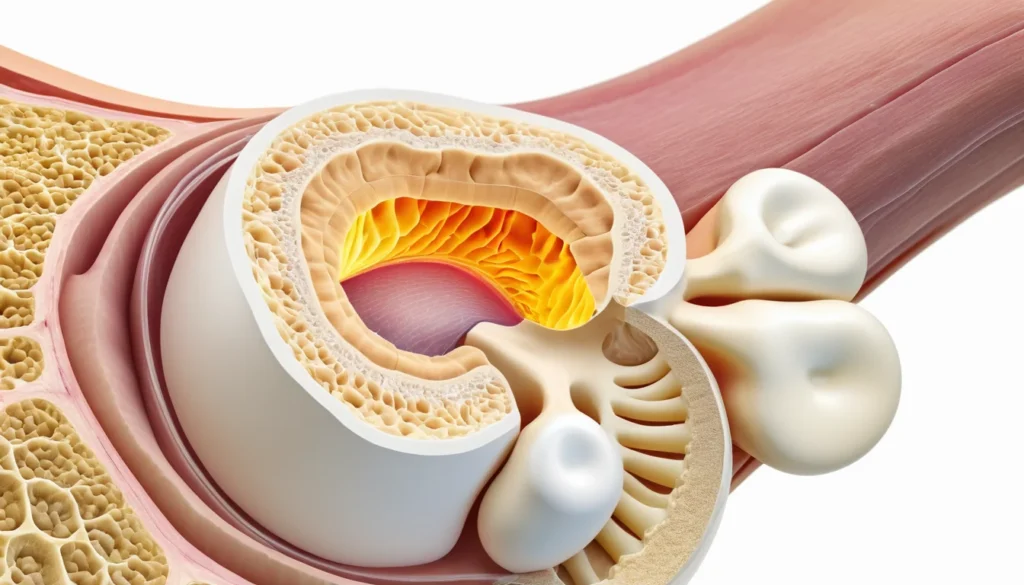
Rheumatoid arthritis is a chronic autoimmune disease that causes painful inflammation in the joints. It affects about 1% of the Canadian population, and women are three times more likely to develop it than men. In this article, you will learn what rheumatoid arthritis is, how it is diagnosed, and what treatment options are available through the Canadian healthcare system.
What Is Rheumatoid Arthritis?
Rheumatoid arthritis is an inflammatory disease that attacks the synovium — the thin membrane lining the inside of your joints. When this membrane becomes inflamed, it causes pain, swelling, and stiffness. Over time, the damage can spread to the surrounding bone and cartilage.
Unlike osteoarthritis, which is caused by wear and tear, rheumatoid arthritis is an autoimmune condition. This means your immune system mistakenly attacks your own healthy tissue. The body produces proteins called rheumatoid factors, which target the joints and other connective tissues.
For more background on autoimmune conditions, visit Health Canada’s official health resources.
Who Is Most at Risk?
Rheumatoid arthritis most often begins between the ages of 40 and 60. However, it can develop at any age. Women make up about 75% of all cases, though researchers are still studying why this is the case.
There is no single known trigger for the disease. Genetics, hormones, and environmental factors all appear to play a role. Having a family member with rheumatoid arthritis slightly increases your own risk.
Recognising the Symptoms of Rheumatoid Arthritis
The symptoms of rheumatoid arthritis can vary from person to person. Some people experience mild discomfort, while others face significant joint damage. Knowing the early warning signs can help you seek care sooner.
The most common joints affected are in the hands, wrists, and the front part of the feet. Importantly, the inflammation tends to be bilateral and symmetrical — meaning it affects the same joints on both sides of the body. This pattern is a key feature that helps doctors identify the disease.
Common Early Symptoms
Joint pain, swelling, and warmth
Morning stiffness lasting more than 30 minutes
Fatigue and a general feeling of being unwell
Tenderness when touching affected joints
Reduced grip strength in the hands
Pain is often worse at night and in the early morning. As the day goes on and you begin moving, stiffness may ease. However, during a flare-up, even simple tasks like opening a jar or buttoning a shirt can become difficult.
Symptoms That Develop Over Time
After several years, rheumatoid arthritis can affect tissues beyond the joints. Tendons, skin, the lining around the heart (pericardium), and the lungs may all become involved. Small lumps called rheumatoid nodules can develop under the skin, especially near the elbows.
Inflammation in small blood vessels can cause numbness, tingling, or even temporary nerve problems. In addition, some people with rheumatoid arthritis also develop dry eyes and dry mouth — a related condition known as Sjögren’s syndrome.
In rare cases, the spleen may enlarge and white blood cell counts may drop. This combination is known as Felty’s syndrome. Furthermore, the upper part of the spine near the neck can be affected, which may require monitoring.
How Rheumatoid Arthritis Is Diagnosed
Diagnosing rheumatoid arthritis can take time, especially in the early stages. There is no single test that confirms it. Instead, your doctor will look at a combination of symptoms, blood tests, and imaging results.
In the first few months, a diagnosis is usually based on the pattern of joint involvement and whether symptoms are persisting. Your family doctor or a specialist called a rheumatologist will guide this process.
Blood Tests
Blood tests are an important part of the diagnostic process. Doctors typically look for:
Erythrocyte sedimentation rate (ESR) — a marker of inflammation in the body
C-reactive protein (CRP) — another sign of active inflammation
Rheumatoid factor (RF) — an antibody found in about 70% of patients after one to two years
Anti-CCP antibodies — a more specific marker for rheumatoid arthritis
It is worth noting that not everyone with rheumatoid arthritis will test positive for rheumatoid factor. Therefore, your doctor will not rely on blood tests alone.
Imaging Tests
X-rays can show bone erosion and narrowing of the joint space — both signs of rheumatoid arthritis. These changes are caused by inflamed synovial tissue, called pannus, which slowly destroys bone and ligaments over time.
In some cases, ultrasound or MRI scans provide a more detailed picture of early joint damage. These tools help doctors monitor how the disease is progressing and adjust treatment accordingly.
For a thorough overview of diagnostic tools, Mayo Clinic’s rheumatoid arthritis diagnosis guide is an excellent resource.
Treatment Options for Rheumatoid Arthritis in Canada
There is currently no cure for rheumatoid arthritis. However, there are many effective treatments that can reduce inflammation, relieve pain, and slow joint damage. Treatment usually needs to be ongoing and tailored to each individual.
Most Canadians begin their care with a family doctor, who will then refer them to a rheumatologist. Depending on your province or territory, coverage for medications and specialist visits may vary under your provincial health plan. It is worth checking with your provincial health authority to understand your coverage.
Medications
Medications are the foundation of rheumatoid arthritis treatment. The main types include:
NSAIDs (non-steroidal anti-inflammatory drugs) — such as ibuprofen or naproxen, used to relieve pain and reduce swelling
Corticosteroids — such as prednisone, used for short-term flare-up control
DMARDs (disease-modifying antirheumatic drugs) — such as methotrexate, which slow the progression of the disease
Biologics — newer medications that target specific parts of the immune system
All medications carry some risk of side effects. As a result, regular monitoring through blood tests and medical check-ups is essential. Your rheumatologist will work with you to find the right balance between effectiveness and safety.
Local and Surgical Treatments
In some cases, corticosteroid injections directly into a joint can provide targeted relief. Another procedure, called synovectomy, removes the inflamed synovial tissue either through conventional surgery or minimally invasive endoscopic techniques.
Occupational therapy plays an important role in preventing joint deformity. An occupational therapist can teach you how to protect your joints during daily activities and recommend assistive devices. Physical rehabilitation may also be recommended to maintain strength and range of motion.
Lifestyle and Self-Management
Managing rheumatoid arthritis goes beyond medication. Gentle, regular exercise — such as swimming or walking — helps keep joints flexible and muscles strong. Rest is equally important during flare-ups.
A balanced diet rich in fibre, omega-3 fatty acids, and anti-inflammatory foods may help manage symptoms. Avoiding smoking is strongly advised, as smoking is known to worsen the disease and reduce the effectiveness of some medications.
Notably, some people experience a full remission of symptoms during pregnancy. However, symptoms often return after delivery. Hormone therapy and herbal extracts have not been proven effective for treating rheumatoid arthritis.
Living With Rheumatoid Arthritis
Rheumatoid arthritis is a chronic condition that follows an unpredictable course. It tends to cycle through periods of flare-ups and remission. Some people experience long stretches with minimal symptoms, while others deal with more persistent disease activity.
Without proper treatment, the disease can lead to significant disability over time. However, with modern treatment options, many Canadians with rheumatoid arthritis lead full and active lives. Early diagnosis and consistent care make a big difference in long-term outcomes.
Support groups and patient programmes through organizations like The Arthritis Society Canada can be invaluable. Connecting with others who share your experience can improve both mental and physical well-being. Ask your family doctor about available programmes in your community.
For additional guidance on living with chronic conditions, Healthline’s comprehensive rheumatoid arthritis resource offers practical tips and up-to-date information.
When to See a Doctor
You should speak with your family doctor if you notice persistent joint pain, swelling, or stiffness — especially if it lasts for more than a few weeks. Early treatment is key to preventing long-term joint damage from rheumatoid arthritis.
If you do not have a family doctor, a walk-in clinic can provide an initial assessment and refer you to a specialist. Do not wait for symptoms to become severe before seeking help. The sooner treatment begins, the better your chances of managing the disease effectively.
Your doctor may refer you to a rheumatologist — a specialist in joint and autoimmune diseases — for ongoing care. In some provinces, you can also access physiotherapy and occupational therapy through your provincial health plan.
Always consult a qualified healthcare provider before starting or changing any treatment. This article is for informational purposes only and does not replace professional medical advice.
Frequently Asked Questions About Rheumatoid Arthritis
What is the difference between rheumatoid arthritis and osteoarthritis?
Rheumatoid arthritis is an autoimmune disease where the immune system attacks the joints, causing inflammation. Osteoarthritis, on the other hand, is caused by the gradual wear and tear of cartilage over time. Unlike osteoarthritis, rheumatoid arthritis often affects both sides of the body equally and can involve organs beyond the joints.
Can rheumatoid arthritis go away on its own?
Rheumatoid arthritis is a chronic condition and does not typically go away on its own. However, many people experience periods of remission where symptoms improve significantly. With proper medical treatment, it is possible to manage rheumatoid arthritis effectively and maintain a good quality of life.
Is rheumatoid arthritis covered under provincial health plans in Canada?
Most basic treatments for rheumatoid arthritis, including specialist visits and standard medications, are covered under provincial health plans. However, coverage for newer biologic medications can vary by province. It is best to check with your provincial health authority or speak to your family doctor about your specific coverage.
What foods should I avoid if I have rheumatoid arthritis?
Some people with rheumatoid arthritis find that processed foods, red meat, and foods high in sugar can worsen inflammation. A diet rich in fibre, vegetables, and omega-3 fatty acids — found in fish like salmon — may help reduce symptoms. Talk to your doctor or a registered dietitian for personalised advice.
At what age does rheumatoid arthritis usually start?
Rheumatoid arthritis most commonly begins between the ages of 40 and 60, though it can develop at any age. A form called juvenile rheumatoid arthritis can even affect children. Women are significantly more likely to develop the condition than men.
How is rheumatoid arthritis diagnosed in Canada?
In Canada, a family doctor will typically order blood tests and X-rays if rheumatoid arthritis is suspected, then refer you to a rheumatologist. Blood markers like rheumatoid factor and CRP help support the diagnosis. There is no single definitive test, so diagnosis is based on a combination of symptoms, test results, and medical history.
Key Takeaways
Rheumatoid arthritis is a chronic autoimmune disease that inflames the lining of joints.
It affects about 1% of Canadians, and women are three times more likely to develop it.
Symptoms include joint pain, swelling, stiffness, and fatigue — often worse in the morning.
Diagnosis involves blood tests, imaging, and a clinical assessment by your doctor or rheumatologist.
Treatment is long-term and may include medications, injections, surgery, and occupational therapy.
Early diagnosis and consistent care significantly improve long-term outcomes.
Speak to your family doctor or visit a walk-in clinic if you notice persistent joint symptoms.
Coverage for treatment may vary — check with your provincial health plan for details.