Rheumatoid arthritis foot pain is one of the most common and disabling symptoms experienced by Canadians living with this chronic autoimmune disease. Rheumatoid arthritis (RA) causes the immune system to attack healthy joint tissue, leading to persistent inflammation, swelling, and progressive damage that can severely limit mobility and quality of life.
How Rheumatoid Arthritis Foot Pain Develops and Progresses
For many people across Canada, the feet and ankles are among the first areas affected by RA. Recognizing early RA foot symptoms is essential because timely diagnosis and treatment can slow joint damage and preserve function. This article explains what happens to your feet when you have rheumatoid arthritis, what warning signs to watch for, and what treatment options are available through your family doctor, rheumatologist, or local health centre in Canada.
What Is Rheumatoid Arthritis?
Common Rheumatoid Arthritis Foot Pain: Symptoms, Descriptions, and Severity Levels
| Symptom | Description | Common Location | Severity Level |
|---|---|---|---|
| Morning Stiffness | Prolonged joint stiffness lasting 30 minutes or more upon waking; difficulty bearing weight or walking first thing in the morning | Entire foot, ankles, and toe joints | Moderate to Severe |
| Joint Swelling and Warmth | Visible inflammation around foot joints accompanied by redness and a warm sensation caused by increased synovial fluid and immune activity | Forefoot, metatarsophalangeal (MTP) joints | Moderate to Severe |
| Toe Deformities | Progressive joint damage leading to hammertoes, claw toes, or bunions as tendons and ligaments weaken over time | Lesser toes, big toe joint | Moderate (worsens without treatment) |
| Plantar Pain and Tenderness | Aching or burning sensation on the bottom of the foot, particularly when standing or walking, due to inflamed tissue and altered foot mechanics | Ball of the foot, arch, heel | Mild to Severe |
| Ankle Instability | Weakening of ankle ligaments and joint cartilage causing a sensation of giving way, reduced range of motion, and difficulty with uneven terrain | Ankle joint, subtalar joint | Moderate to Severe |
| Rheumatoid Nodules | Firm, non-tender lumps that form under the skin near pressure points on the foot, occurring in approximately 20–30% of people with RA | Heel, Achilles tendon area | Mild to Moderate |
Rheumatoid arthritis is a systemic autoimmune disease. That means it affects the whole body, not just one joint. Unlike osteoarthritis, which results from wear and tear, RA happens because the immune system mistakenly attacks healthy joint tissue.
RA typically starts in the smaller joints and is symmetrical — meaning it affects both sides of the body equally. For example, if your left foot hurts, your right foot is likely affected too. Over time, RA can erode cartilage and bone, causing permanent joint damage.
One key feature of RA is morning stiffness. Most people with RA feel stiff and uncomfortable for more than 30 minutes after waking up. This stiffness can last one to two hours. This is different from mechanical joint pain, which tends to worsen with activity rather than improve. According to Mayo Clinic’s overview of rheumatoid arthritis, early diagnosis and treatment are critical to slowing joint damage.
How Rheumatoid Arthritis Foot Pain Develops
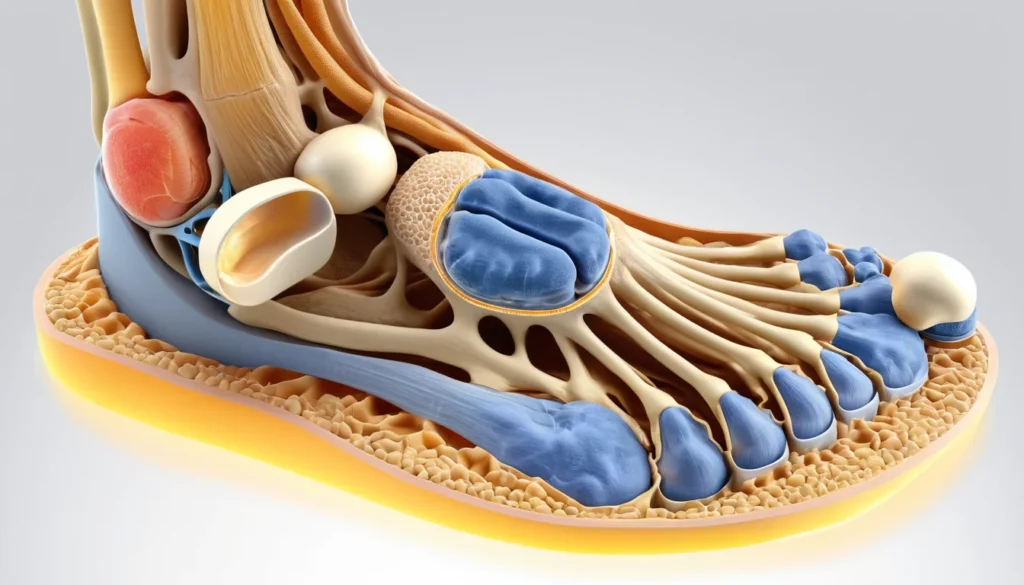
The feet are one of the most commonly affected areas in RA. In fact, studies show that the toe joints — specifically the metatarsophalangeal (MTP) joints — are involved in about 60% of RA cases. These are the joints at the base of your toes.
When these joints become inflamed, the toes can shift outward over time. This leads to a condition called hallux valgus, more commonly known as a bunion. Both feet are usually affected at the same time.
As RA progresses, repeated flare-ups and ongoing inflammation wear down the cartilage and bone. As a result, joints lose flexibility, movement becomes restricted, and deformities develop. Tendons and surrounding soft tissue are also affected, which adds to the pain and instability.
Hammer Toes and Plantar Changes
One common deformity caused by rheumatoid arthritis foot pain is hammer toe. This happens when the toe joints bend abnormally and become fixed in a curled position. Hammer toes can be painful and make it very hard to find comfortable footwear.
Plantar subluxation of the metatarsal heads can also occur. This means the small bones at the ball of your foot shift downward, causing intense pressure and pain when walking. Calluses often form on the bottom of the foot as a result of this uneven pressure.
Common Symptoms of RA in the Feet and Ankles
Rheumatoid arthritis foot pain can show up in many different ways. Here are the most common signs and symptoms to look for:
Swelling and warmth in the toe, foot, or ankle joints
Morning stiffness that lasts more than 30 minutes
Hammer toes or other visible toe deformities
Bunions (hallux valgus) on one or both feet
Calluses on the soles of the feet
Rheumatoid nodules — firm lumps under the skin that can rub painfully against shoes
Flat feet (fallen arches)
Heel pain at the back or bottom of the heel
Ankle pain that makes walking on slopes or stairs difficult
Joint dislocation in the toes
Loss of balance on uneven ground
These symptoms can vary greatly from person to person. Some people experience mild discomfort, while others face significant disability. Healthline’s guide to RA in the feet provides further detail on how these symptoms progress over time.
Heel Pain and Other Specific Foot Conditions Linked to RA
Heel pain is a frequent complaint among people living with rheumatoid arthritis. It can appear at the back or the bottom of the heel. Several related conditions can cause this pain.
Plantar Fasciitis
Plantar fasciitis is inflammation of the thick band of tissue that runs along the bottom of the foot. It causes sharp heel pain, especially with the first steps in the morning. RA increases the risk of developing plantar fasciitis due to chronic inflammation.
Retrocalcaneal Bursitis
Retrocalcaneal bursitis happens when the small fluid-filled sac (bursa) behind the heel becomes inflamed. This causes swelling and pain at the back of the heel. It is more common in people with RA because of ongoing joint inflammation.
Tarsal Tunnel Syndrome
Tarsal tunnel syndrome is a nerve compression condition. It works similarly to carpal tunnel syndrome in the wrist, but it affects the foot. The posterior tibial nerve gets compressed in a narrow channel behind the inner ankle bone.
Symptoms include burning, tingling, or shooting pain along the foot and toes. Walking and weight-bearing activities make the pain worse. This condition requires proper diagnosis and management through your healthcare provider.
Rheumatoid Arthritis Foot Pain: Diagnosis
Diagnosing rheumatoid arthritis involves several steps. Your family doctor will begin with a full medical history and a physical examination of your joints. They will look for swelling, warmth, range of motion, and symmetrical patterns of joint involvement.
Your doctor may also order:
Blood tests — to check for rheumatoid factor (RF), anti-CCP antibodies, and inflammation markers like CRP and ESR
X-rays — to look for joint erosion and bone damage in the feet and ankles
Ultrasound or MRI — to detect early inflammation or soft tissue changes that X-rays may miss
In Canada, your family doctor can refer you to a rheumatologist — a specialist in arthritis and autoimmune diseases — for further evaluation and treatment. Most provincial health plans cover these specialist visits with a referral. Health Canada provides information on accessing specialist care through your provincial health system.
Treatment Options for Rheumatoid Arthritis Foot Pain
Treatment for RA aims to reduce inflammation, control pain, and slow joint damage. There is no cure for RA, however, many effective treatments are available. Your rheumatologist or family doctor will create a plan that fits your specific needs.
Medications
The main medications used to treat RA include:
DMARDs (disease-modifying antirheumatic drugs) — such as methotrexate, which slow the progression of RA
Biologics — newer targeted therapies that block specific parts of the immune response
NSAIDs (non-steroidal anti-inflammatory drugs) — such as ibuprofen, to manage pain and swelling
Corticosteroids — short-term use to calm flare-ups quickly
Your doctor will recommend the best combination based on how active your RA is and how much joint damage has occurred.
Orthotics and Supportive Footwear
Orthotics are custom or over-the-counter shoe inserts that support the arch, redistribute pressure, and reduce pain during walking. They can make a significant difference in day-to-day comfort. Rigid, semi-rigid, and soft orthotics are available depending on your specific foot issues.
Wearing proper footwear is equally important. Wide, cushioned shoes with good arch support reduce pressure on inflamed joints. High heels and narrow toe boxes should be avoided. A podiatrist — a foot specialist — can help you choose the right shoes and orthotics for your needs.
Physiotherapy and Exercise
Physiotherapy plays an important role in managing rheumatoid arthritis foot pain. A physiotherapist can teach you exercises to maintain joint flexibility and strengthen the muscles around your feet and ankles. Low-impact activities like swimming and cycling are easier on inflamed joints.
Stretching the Achilles tendon and the plantar fascia daily can help reduce heel pain. Your physiotherapist will design a programme that balances activity with rest during flare-ups.
Surgical Options
In severe cases where joint damage is extensive, surgery may be considered. Options include joint fusion (arthrodesis) or joint replacement for the ankle. Surgery is typically a last resort after other treatments have not provided enough relief. Your rheumatologist and orthopaedic surgeon will guide this decision together.
When to See a Doctor
You should speak with your family doctor if you notice persistent swelling, stiffness, or pain in your feet or ankles — especially if it affects both sides equally. Do not wait for symptoms to become severe. Early treatment gives you the best chance of slowing joint damage.
If you do not have a family doctor, a walk-in clinic can assess your symptoms and arrange blood tests or referrals. Many provinces also offer arthritis programmes through community health centres. The sooner RA is diagnosed, the better your long-term outcomes will be.
As always, speak with a qualified healthcare provider before starting or changing any treatment. Every person’s situation is different, and your doctor is the best person to guide your care.
Frequently Asked Questions About Rheumatoid Arthritis Foot Pain
What does rheumatoid arthritis foot pain feel like?
Rheumatoid arthritis foot pain often feels like aching, burning, or sharp pain in the toes, ball of the foot, heel, or ankle. Many people also notice swelling, warmth, and stiffness — especially in the morning. The pain is usually felt on both feet at the same time.
Can rheumatoid arthritis cause foot deformities?
Yes, rheumatoid arthritis can cause several foot deformities over time, including hammer toes, bunions (hallux valgus), and flat feet. These deformities develop as chronic inflammation erodes cartilage and bone in the toe and foot joints. Early treatment can help slow or prevent these changes.
Which part of the foot does rheumatoid arthritis affect most?
Rheumatoid arthritis most commonly affects the metatarsophalangeal (MTP) joints — the joints at the base of the toes — in about 60% of cases. The ankle and the arch of the foot can also be involved as the disease progresses. Rheumatoid arthritis foot pain is typically felt in the forefoot first.
How is rheumatoid arthritis foot pain treated in Canada?
In Canada, treatment for rheumatoid arthritis foot pain typically includes medications prescribed by a rheumatologist, custom orthotics, supportive footwear, and physiotherapy. Most provincial health plans cover rheumatology referrals, blood tests, and imaging needed for diagnosis. Your family doctor or walk-in clinic is the best starting point.
Is heel pain a sign of rheumatoid arthritis?
Heel pain can be a sign of rheumatoid arthritis, particularly when it is linked to plantar fasciitis, Achilles tendinitis, or retrocalcaneal bursitis — all of which are more common in people with RA. However, heel pain has many causes, so it is important to see your doctor for a proper diagnosis. Rheumatoid arthritis foot pain affecting the heel is often accompanied by other joint symptoms.
Can orthotics help with rheumatoid arthritis foot pain?
According to Mayo Clinic’s overview of rheumatoid arthritis symptoms and causes, this information is supported by current medical research.
For more information, read our guide on major arteries in the body and how circulation affects joint health.
Yes, orthotics can significantly help manage rheumatoid arthritis foot pain by supporting the arch, cushioning pressure points, and improving the way you walk. Both custom and over-the-counter orthotics are available, and a podiatrist can help you find the right type. They work best as part of a broader treatment plan that includes medication and physiotherapy.
Key Takeaways
Rheumatoid arthritis foot pain affects up to 60% of people with RA, most often starting in the toe joints. RA causes symmetrical inflammation — both feet are usually affected at the same time. Common foot problems include hammer toes, bunions, heel pain, flat feet, and ankle pain. Related conditions like plantar fasciitis, bursitis, and tarsal tunnel syndrome are more common in people with RA. Diagnosis involves blood tests, physical examination, and imaging such as X-rays or MRI. Treatment includes medications (DMARDs, biologics, NSAIDs), orthotics, physiotherapy, and in severe cases, surgery. Canadians can access rheumatology care through their family doctor, walk-in clinic, or provincial health programme. Always consult your healthcare provider before starting any new treatment for RA.
Frequently Asked Questions
What is rheumatoid arthritis foot pain?
Rheumatoid arthritis foot pain occurs when the immune system attacks the joints in the feet, causing inflammation in the synovial lining. This commonly affects the toes, ankles, and the ball of the foot, leading to swelling, stiffness, and chronic discomfort that can significantly impact mobility and daily activities.
What are the symptoms of rheumatoid arthritis foot pain?
Common symptoms include morning stiffness lasting over 30 minutes, swelling and warmth in the toe and ankle joints, a burning or aching sensation in the ball of the foot, toe deformities like hammertoes or bunions, and difficulty walking. Symptoms typically affect both feet symmetrically and may worsen with activity.
How is rheumatoid arthritis foot pain treated in Canada?
Treatment typically combines disease-modifying antirheumatic drugs (DMARDs) like methotrexate, NSAIDs for pain relief, physiotherapy, and custom orthotics covered under many Canadian provincial health plans. Corticosteroid injections, occupational therapy, and in severe cases, surgical correction of deformities are also effective options recommended by rheumatologists.
Can you prevent rheumatoid arthritis foot pain from getting worse?
While RA cannot be fully prevented, progression can be slowed through early diagnosis and consistent treatment. Wearing supportive, wide-toed footwear, using custom orthotics, maintaining a healthy weight, doing low-impact exercises like swimming, and following your rheumatologist’s prescribed medication plan all help protect foot joints and preserve long-term mobility.
When should you see a doctor for rheumatoid arthritis foot pain?
See a doctor if you experience persistent joint swelling, stiffness lasting more than an hour each morning, or unexplained foot pain affecting both feet. Early intervention is critical — Canadians should request a rheumatologist referral promptly, as starting DMARDs within the first year of symptoms significantly reduces long-term joint damage.