Rheumatism is a broad term used to describe pain, stiffness, and swelling in the joints, muscles, and connective tissues. It covers a wide range of conditions — some short-lived and some lifelong. In Canada, rheumatic diseases affect millions of people and are one of the most common reasons Canadians visit their family doctor or a walk-in clinic. This article explains what rheumatism is, the six main types, their symptoms, and how to find help through the Canadian healthcare system.
What Is Rheumatism?
The word rheumatism is not a single diagnosis. Instead, it is an umbrella term that covers many different conditions affecting the musculoskeletal system — your joints, bones, muscles, tendons, and ligaments. Both doctors and patients use the term loosely in everyday conversation.
Some forms of rheumatism are acute, meaning they come on suddenly and may resolve with treatment. However, most are chronic, meaning they develop slowly and persist over a long period of time. Chronic rheumatic conditions can seriously affect a person’s quality of life, mobility, and independence.
According to Health Canada, musculoskeletal conditions — which include rheumatic diseases — are among the leading causes of disability in the country. Early diagnosis and proper management are key to living well with these conditions.
The 6 Main Types of Rheumatism
Doctors generally divide rheumatic diseases into six main categories. Each type has different causes, symptoms, and treatments. Understanding which type you may have is the first step toward getting the right care.
1. Infectious Rheumatism
Infectious rheumatism occurs when a bacterial or viral infection enters a joint and causes inflammation. The infection travels through the bloodstream and settles in the joint tissue. Two well-known examples are gonococcal arthritis, caused by the bacteria responsible for gonorrhoea, and tuberculous arthritis, caused by the bacteria that causes tuberculosis.
This type of rheumatism usually comes on quickly and causes intense pain, swelling, and warmth around the affected joint. It is considered a medical emergency in many cases. Treatment typically involves antibiotics and, in some cases, draining fluid from the joint.
2. Inflammatory Rheumatism
Inflammatory rheumatism is linked to the immune system attacking the body’s own tissues. This group includes some of the most well-known rheumatic conditions. For example, rheumatoid arthritis causes the immune system to attack the lining of the joints, leading to painful swelling and eventual joint damage.
Other conditions in this group include:
Acute rheumatic fever — often triggered by a strep throat infection
Ankylosing spondylitis — a form of arthritis that mainly affects the spine
Psoriatic arthritis — joint inflammation linked to the skin condition psoriasis
Lupus (systemic lupus erythematosus) — a disease where the immune system attacks multiple organs
Polymyalgia rheumatica — causes pain and stiffness in the shoulders and hips, mainly in older adults
Vasculitis — inflammation of the blood vessels
Inflammatory rheumatism often requires long-term management with medications that calm the immune system. A referral to a rheumatologist — a specialist in joint diseases — is often recommended through your provincial health plan.
3. Microcrystalline Rheumatism
This type occurs when tiny crystals form inside a joint or tendon, causing sudden and severe pain. The most common example is gout, where uric acid crystals build up in the joints — most often in the big toe. Gout attacks are famously painful and can come on without warning, often at night.
Two other conditions fall into this category. Chondrocalcinosis (also called pseudogout) happens when calcium crystals deposit in joint cartilage. Calcific tendinitis occurs when calcium builds up in the tendons, most often around the shoulder. Diet, hydration, and certain medications all play a role in managing microcrystalline rheumatism.
Learn more about gout and crystal-related joint conditions from the Mayo Clinic’s guide to gout.
4. Degenerative Rheumatism
Degenerative rheumatism is the most common form and includes osteoarthritis — often called “wear-and-tear” arthritis. Over time, the protective cartilage that cushions your joints breaks down. This leads to pain, stiffness, and reduced range of movement.
Degenerative rheumatism can affect any joint but most commonly targets the knees, hips, hands, and spine. Mechanical causes also fall into this category. For example, a herniated disc in the back — often called a “slipped disc” — puts pressure on nearby nerves and causes significant pain and weakness.
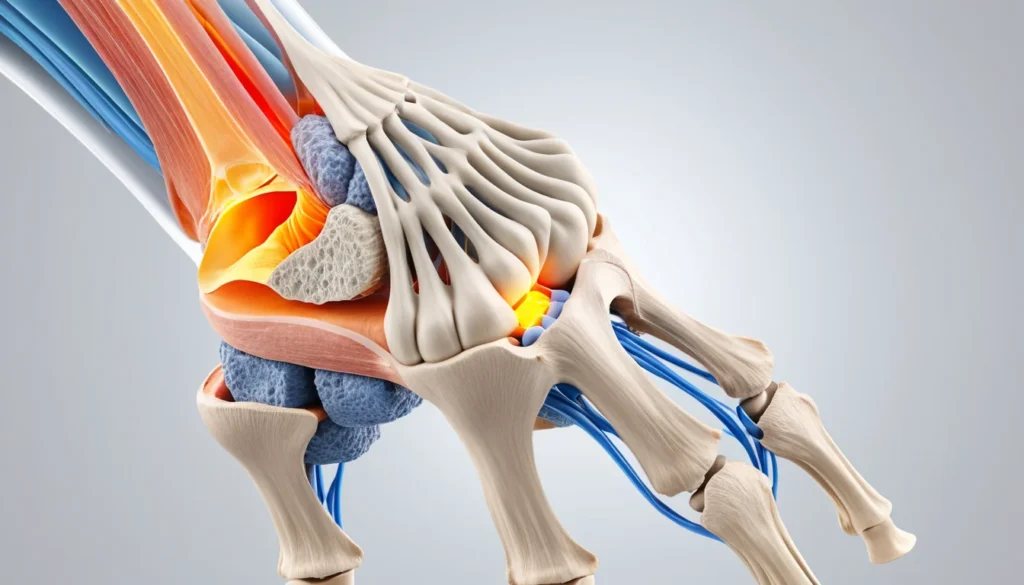
Carpal tunnel syndrome is another example. It develops when the narrow passageway in the wrist becomes compressed, causing tingling, numbness, and pain in the hand and fingers. This condition is especially common in people who perform repetitive hand movements at work.
Lifestyle changes, physiotherapy, and pain management strategies are often the first treatments recommended. In more severe cases, surgery may be necessary. Your family doctor can refer you to the appropriate specialist through your provincial health coverage.
5. Periarticular Inflammatory Conditions
Periarticular conditions affect the tissues around a joint rather than the joint itself. These include tendons, bursae (small fluid-filled sacs that cushion the joints), and the surrounding connective tissue. The most common conditions in this group are tendinitis, bursitis, and periarthritis.
Tendinitis is inflammation of a tendon, the cord-like tissue that connects muscle to bone. It commonly affects the shoulder, elbow (such as tennis elbow or golfer’s elbow), knee, and Achilles tendon. Bursitis occurs when the bursae become inflamed, often due to repetitive movement or prolonged pressure on a joint.
These conditions are very treatable. Rest, ice, physiotherapy, and anti-inflammatory medications often provide significant relief. Many Canadians manage these conditions successfully with the help of their family doctor or a physiotherapist covered under their provincial health plan.
6. Rheumatism Linked to Blood or Tumour Disorders
Some forms of musculoskeletal pain are caused by underlying blood disorders or cancers rather than by the joints themselves. This category includes multiple myeloma — a cancer of the plasma cells in the bone marrow — and bone metastases, which occur when cancer from another part of the body spreads to the bones.
These conditions cause deep, persistent bone pain that does not respond to typical rheumatism treatments. This is an important reason why unexplained, ongoing bone or joint pain should always be investigated thoroughly by a doctor. Early detection can significantly improve outcomes.
Common Symptoms of Rheumatic Diseases
Different types of rheumatism produce different symptoms. However, there are several signs that are common across many rheumatic conditions. Recognizing these early can help you seek care sooner.
Common symptoms include:
Joint pain, tenderness, or aching — either in one joint or many at once
Stiffness, especially in the morning or after sitting for a long period
Swelling or warmth around a joint
Reduced range of motion — difficulty bending or straightening a limb
Fatigue and a general feeling of being unwell
Redness of the skin over a joint
Muscle weakness or tenderness
Some inflammatory types of rheumatism also cause symptoms beyond the joints. These may include skin rashes, eye inflammation, dry eyes or mouth, and even effects on the heart or kidneys. Therefore, it is important to describe all your symptoms — not just joint pain — when you visit your doctor.
How Is Rheumatism Diagnosed?
Diagnosing rheumatism requires a careful look at your medical history, a physical examination, and often a series of tests. Your family doctor will typically start by asking about your symptoms, when they began, and what makes them better or worse.
Common diagnostic tools include:
Blood tests — to check for inflammation markers, antibodies (such as rheumatoid factor or ANA), uric acid levels, and signs of infection
X-rays — to look at bone structure and detect joint damage or calcium deposits
Ultrasound or MRI — for a more detailed view of soft tissues, tendons, and early joint changes
Joint fluid analysis — a sample of fluid is taken from the joint to look for crystals, bacteria, or signs of inflammation
In many cases, your family doctor will refer you to a rheumatologist — a specialist in rheumatic diseases. Wait times for specialist referrals vary across Canadian provinces, so speaking to your doctor early is important. In some provinces, nurse practitioners and physiotherapists are also trained to assess and manage certain rheumatic conditions, which can help reduce wait times.
Treatment and Management Options
Treatment for rheumatism depends entirely on the type and severity of the condition. There is no single cure that works for all rheumatic diseases. However, most people can find a treatment plan that reduces pain and improves their quality of life.
Common treatment approaches include:
Medications — anti-inflammatory drugs (NSAIDs), corticosteroids, disease-modifying antirheumatic drugs (DMARDs), and biologic therapies are used for inflammatory types
Physiotherapy — exercises to strengthen muscles around the joint, improve flexibility, and reduce stiffness
Occupational therapy — learning to protect your joints during daily activities
Lifestyle changes — maintaining a healthy weight, eating a balanced diet rich in fibre and anti-inflammatory foods, and staying physically active
Surgery — in severe cases, joint replacement or other procedures may be recommended
Pain management — including topical creams, hot and cold therapy, and in some cases, cortisone injections
For more information on managing joint conditions, visit Healthline’s overview of rheumatic diseases.
Many provincial health plans in Canada cover physiotherapy, occupational therapy, and specialist visits when referred by a family doctor. Check with your provincial health authority or your insurance provider to understand what is covered in your area.
When to See a Doctor
You should see your family doctor if you experience joint pain or stiffness that lasts longer than a few days, especially if it is affecting your ability to carry out daily activities. Do not wait and hope it goes away on its own — early treatment leads to better outcomes for most rheumatic conditions.
Visit a walk-in clinic or seek urgent care if you experience:
A joint that suddenly becomes very swollen, hot, and red — this may signal an infection
Severe joint pain following an injury
Unexplained, persistent bone pain
Joint pain accompanied by fever, weight loss, or night sweats
If you are already diagnosed with a rheumatic condition and notice new or worsening symptoms, contact your healthcare provider promptly. Medication adjustments or additional tests may be needed. Always consult your doctor before starting any new supplement, exercise programme, or medication — even over-the-counter pain relievers, as some can interact with existing treatments.
Frequently Asked Questions About Rheumatism
What is the difference between rheumatism and arthritis?
Rheumatism is a broad term that covers many conditions affecting the joints, muscles, tendons, and bones. Arthritis is one specific type of rheumatism that refers to inflammation of one or more joints. In other words, all arthritis is a form of rheumatism, but not all rheumatism is arthritis.
Can rheumatism be cured?
Whether rheumatism can be cured depends on the specific type. Some forms, such as infectious rheumatism caused by bacteria, can be fully treated with antibiotics. However, most chronic forms of rheumatism — such as rheumatoid arthritis or osteoarthritis — cannot be cured but can be effectively managed to reduce pain and improve daily function.
Is rheumatism the same as rheumatoid arthritis?
No, rheumatism and rheumatoid arthritis are not the same thing. Rheumatoid arthritis is one specific inflammatory condition that falls under the broader category of rheumatism. Rheumatism includes dozens of different conditions affecting the musculoskeletal system, and rheumatoid arthritis is just one of them.
What foods should I avoid if I have rheumatism?
Many people with inflammatory rheumatism benefit from avoiding foods that can trigger inflammation, such as processed foods, red meat, sugary drinks, and alcohol. For gout — a type of microcrystalline rheumatism — avoiding high-purine foods like organ meats and shellfish is especially important. A dietitian or your family doctor can help you build an eating plan that supports your specific condition.
Does cold weather make rheumatism worse?
Many Canadians with rheumatism report that cold, damp weather increases their joint pain and stiffness. While the scientific evidence is mixed, changes in barometric pressure and temperature may affect the tissues around joints. Keeping warm, staying active