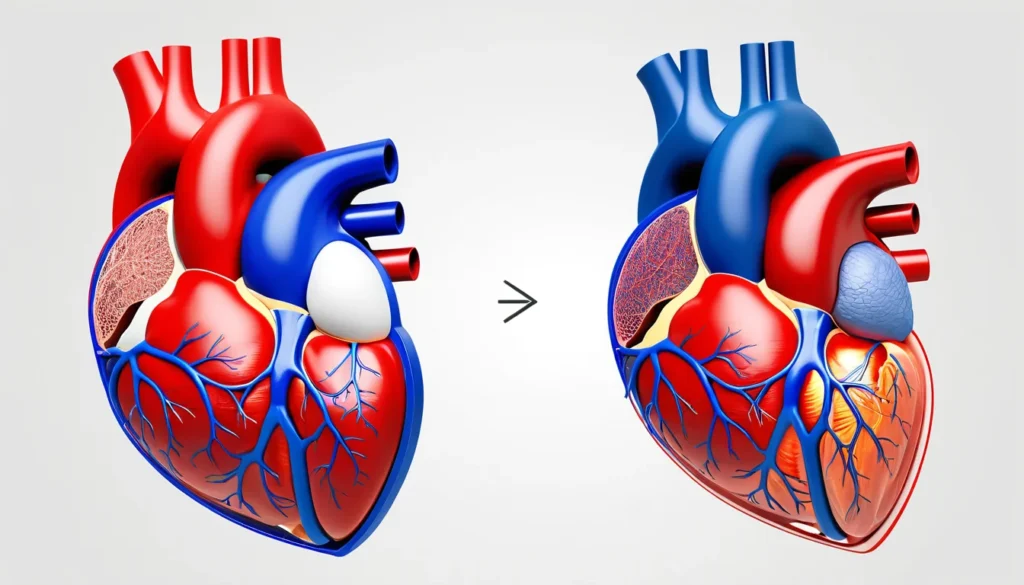
Rheumatic heart disease is a serious condition where the heart valves are permanently damaged by rheumatic fever. It starts with an untreated strep throat infection and can lead to long-term heart problems. In Canada, this condition is less common than in developing countries, but it still affects people of all ages. This article explains what causes rheumatic heart disease, who is at risk, and what Canadians can do to protect their heart health.
What Is Rheumatic Heart Disease?
Rheumatic heart disease happens when rheumatic fever damages one or more of the heart’s four valves. These valves are the mitral valve, the aortic valve, the tricuspid valve, and the pulmonary valve. The mitral valve is most commonly affected.
The damage occurs because the immune system overreacts to a strep infection. Instead of only fighting the bacteria, it also attacks the body’s own tissues — including the heart. This immune response causes inflammation that can scar the valves over time.
Heart valve disease, or valvulopathy, covers any condition that affects one or more of these four valves. In some cases, heart problems are the first visible sign that a person has a rheumatic disease. According to the World Health Organization, rheumatic heart disease is the most common cause of acquired heart disease in children and young adults worldwide.
What Causes Rheumatic Heart Disease?
Rheumatic heart disease is caused by rheumatic fever. Rheumatic fever is an inflammatory illness that can affect connective tissues throughout the body. It most commonly affects the heart, joints, skin, and brain.
Rheumatic fever develops after an untreated or poorly treated Group A Streptococcal infection — most often strep throat or scarlet fever. When the strep infection is not fully treated with antibiotics, the immune system may begin to attack the body’s own tissues in addition to the bacteria.
Over time, this ongoing inflammation can scar the heart valves. Scarred valves may become narrow (stenosis) or fail to close properly (insufficiency). Either problem makes it harder for the heart to pump blood normally. This scarring process can take years to fully develop, but the damage it causes can be permanent.
Who Is at Risk for Rheumatic Heart Disease?
Rheumatic fever can occur at any age. However, it most often affects children between 5 and 15 years old. This is why early treatment of strep throat in children is so important.
Children who have repeated strep infections face the highest risk of developing rheumatic fever and rheumatic heart disease. Each untreated episode increases the chance of heart valve damage. Furthermore, people living in crowded conditions or areas with limited access to healthcare face a higher overall risk.
In Canada, access to a family doctor or walk-in clinic makes it easier to get strep throat diagnosed and treated early. If your child has a sore throat that lasts more than a few days, it is worth getting a throat swab to check for strep bacteria.
Symptoms of Rheumatic Fever and Rheumatic Heart Disease
A recent history of strep throat or scarlet fever is a key clue in diagnosing rheumatic heart disease. Symptoms of rheumatic fever usually begin one to six weeks after the original strep infection. In some cases, the initial infection may have been mild — or even gone unnoticed.
Common Symptoms of Rheumatic Fever
The most common symptoms of rheumatic fever include:
Fever
Swollen, painful joints — especially the knees and ankles
Small lumps under the skin
A raised, red skin rash — usually on the chest, back, and abdomen
Shortness of breath and chest discomfort — especially during activity or when lying down
Uncontrolled movements of the arms, legs, or face muscles
General weakness and fatigue
Symptoms of Heart Valve Damage
Symptoms related to heart valve disease depend on how severely the valves are damaged. Some people notice no symptoms for years. Others may experience shortness of breath, fatigue, irregular heartbeat, or swelling in the legs and ankles.
As the condition worsens, daily activities like climbing stairs or walking can become difficult. These symptoms should never be ignored. See your family doctor or visit a walk-in clinic if you notice any of these warning signs.
How Is Rheumatic Heart Disease Diagnosed?
Your doctor will begin with a full medical history and physical examination. During the exam, a doctor may hear a heart murmur — an unusual sound caused by blood leaking through a damaged valve. They may also hear a friction rub, which happens when inflamed heart tissues rub against each other.
A throat swab or blood test can confirm whether a strep infection is present or was present recently. These tests are quick and are available at most family doctor offices and walk-in clinics across Canada.
Diagnostic Tests for Rheumatic Heart Disease
Several tests help confirm the diagnosis and assess the extent of valve damage:
Echocardiogram (Echo): This is the most useful test for diagnosing heart valve problems. It uses sound waves to create a moving image of the heart. It can show valve damage, blood leaking through a valve, fluid around the heart, and an enlarged heart.
Electrocardiogram (ECG): This test records the heart’s electrical activity using electrodes placed on the chest. It can detect abnormal heart rhythms and sometimes shows signs of heart muscle damage.
Chest X-ray: A chest X-ray checks the lungs and can show whether the heart is enlarged.
Cardiac MRI: This more detailed imaging test gives a precise picture of the heart valves and muscle. It is not done routinely for all patients but may be ordered in complex cases.
Blood tests: These can detect signs of infection and inflammation in the body.
For more information on heart diagnostics, visit the Mayo Clinic’s overview of rheumatic fever.
How Is Rheumatic Heart Disease Treated?
Treatment depends largely on how much damage has occurred to the heart valves. The earlier the condition is caught, the more treatment options are available. However, prevention remains the most effective strategy.
Preventing Rheumatic Fever in the First Place
The best way to prevent rheumatic heart disease is to treat strep throat quickly and completely. Antibiotics — usually penicillin or amoxicillin — are effective at clearing the infection. They also stop rheumatic fever from developing if started early enough. Your provincial health plan covers visits to your family doctor or walk-in clinic for this type of assessment.
Managing Inflammation
Anti-inflammatory medicines such as aspirin, corticosteroids, or non-steroidal anti-inflammatory drugs (NSAIDs) can reduce inflammation during an active episode of rheumatic fever. This helps protect the heart from further damage. Your doctor will choose the right medication based on your symptoms and overall health.
Long-Term Antibiotic Therapy
People who have already had rheumatic fever are often prescribed ongoing antibiotic therapy. This may involve daily or monthly antibiotic doses — sometimes for many years, or even for life. The goal is to prevent repeat strep infections, which could cause additional heart valve damage.
Surgery for Severe Valve Damage
In severe cases, surgery may be needed to repair or replace a badly damaged heart valve. This decision is made by a heart specialist (cardiologist) based on imaging results and symptoms. Most provincial health plans cover cardiac surgeries deemed medically necessary. Your family doctor can provide a referral to a cardiologist if needed.
The Health Canada website offers resources on heart health programmes and accessing specialist care in your province.
Complications of Rheumatic Heart Disease
When rheumatic heart disease is left untreated or poorly managed, serious complications can develop over time. These include:
Heart failure: The damaged valves force the heart to work harder. Over time, the heart muscle weakens and cannot pump enough blood to meet the body’s needs.
Atrial fibrillation: Scarred valves can disrupt the heart’s electrical signals, causing an irregular heartbeat. This raises the risk of stroke.
Stroke: Blood clots can form in the heart due to abnormal blood flow through damaged valves. These clots can travel to the brain and cause a stroke.
Infective endocarditis: Damaged heart valves are more vulnerable to bacterial infections. This is a potentially life-threatening infection of the heart’s inner lining.
Pulmonary hypertension: High blood pressure in the lungs can develop as a result of valve dysfunction, making breathing more difficult over time.
Therefore, early diagnosis and consistent follow-up care are essential for anyone with a history of rheumatic fever or rheumatic heart disease.
When to See a Doctor
You should see your family doctor if your child or a family member has a sore throat that does not improve within two to three days. Getting a throat swab is quick and easy — your family doctor or any walk-in clinic can perform one. Early treatment of strep throat is the most important step in preventing rheumatic heart disease.
Seek medical attention promptly if you or your child develops a fever, joint pain, a skin rash, or any chest discomfort after a recent sore throat. These could be signs of rheumatic fever. In addition, if you have already been diagnosed with rheumatic heart disease and notice new or worsening shortness of breath, fatigue, or swelling, contact your doctor right away.
As always, the information in this article is meant to educate and inform. It is not a substitute for professional medical advice. Please consult your family doctor or a qualified healthcare provider for diagnosis and treatment specific to your situation.
Frequently Asked Questions About Rheumatic Heart Disease
Can rheumatic heart disease be cured?
Rheumatic heart disease cannot be fully reversed once the heart valves are scarred. However, treatment can slow further damage and manage symptoms effectively. In severe cases, surgery to repair or replace a damaged valve can significantly improve quality of life.
Is rheumatic heart disease common in Canada?
Rheumatic heart disease is relatively uncommon in Canada compared to lower-income countries, largely due to access to antibiotics for strep throat. However, it does still occur, particularly in communities with limited access to timely healthcare. Indigenous communities in remote areas of Canada may face a higher risk.
How does strep throat lead to rheumatic heart disease?
When a Group A Streptococcal throat infection is not properly treated, the immune system can overreact and begin attacking the body’s own tissues. This immune response causes inflammation that can scar the heart valves over time. Treating strep throat early with antibiotics prevents this chain of events.
What is the difference between rheumatic fever and rheumatic heart disease?
Rheumatic fever is the initial inflammatory illness triggered by an untreated strep infection. Rheumatic heart disease is the long-term result — the permanent damage to heart valves caused by repeated or severe episodes of rheumatic fever. Not everyone who gets rheumatic fever will develop rheumatic heart disease, but the risk increases with each episode.
Which heart valve is most affected by rheumatic heart disease?
The mitral valve is the most commonly damaged valve in rheumatic heart disease. Damage to the mitral valve can cause it to leak (mitral regurgitation) or become narrowed (mitral stenosis). Both conditions affect how well the heart pumps blood through the body.
How long do people with rheumatic heart disease live?
With proper treatment and follow-up care, many people with rheumatic heart disease live full and active lives. Life expectancy depends on the severity of valve damage and how well the condition is managed. Regular check-ups with a cardiologist and consistent antibiotic prevention therapy play a major role in long-term outcomes.
Key Takeaways
Rheumatic heart disease is caused by damage to the heart valves following rheumatic fever.
Rheumatic fever develops after an untreated or poorly treated Group A Streptococcal infection, such as strep throat.
The mitral valve is most commonly affected, but any of the four heart valves can be damaged.
Children between 5 and 15 years old are most at risk for rheumatic fever.
Early antibiotic treatment of strep throat is the single most effective way to prevent rheumatic heart disease.
Diagnosis involves a physical exam, throat swab, blood tests, ECG, and echocardiogram.
Treatment may include anti-inflammatory medicines, long-term antibiotics, and in severe cases, heart valve surgery.
Complications can include heart failure, stroke, and atrial fibrillation if the condition is left untreated.
Canadians can access diagnosis and referrals through their family doctor or a local walk-in clinic.
Always speak with a qualified healthcare provider for advice specific to your health needs.