Retinoic acid is a natural compound your body makes from vitamin A. It plays a powerful role in how your cells grow, how your skin repairs itself, and even how your eyes function. In this article, we explain what retinoic acid is, where it comes from, how your body uses it, and when you should talk to your doctor about it.
What Is Retinoic Acid?
Retinoic acid is a metabolite of vitamin A. That means your body produces it by breaking vitamin A down into a more active form. Think of vitamin A as the raw ingredient and retinoic acid as the finished product your cells actually use.
Your body creates retinoic acid through a two-step process. First, it converts retinol (the form of vitamin A found in food) into retinaldehyde. Then, it converts retinaldehyde into retinoic acid through an irreversible oxidation reaction. Once this final step happens, the process cannot be reversed.
However, not all forms of retinoic acid are the same. There are several types, including all-trans retinoic acid (ATRA) and 9-cis retinoic acid. Each type interacts with your cells in slightly different ways. Researchers continue to study these differences to better understand how the compound works.
How Your Body Controls Retinoic Acid Levels
Your body does not leave retinoic acid levels to chance. A group of specialised proteins carefully manages how much retinoic acid is produced, how it moves through your body, and how quickly it breaks down.
These proteins include cellular retinoic acid-binding proteins (CRABPs). They carry retinoic acid to the right places inside your cells. Without these transport proteins, the compound could not do its job properly.
Why Tight Control Matters
Too much retinoic acid can be just as harmful as too little. High levels can cause serious problems, including birth defects during pregnancy and toxic effects on the liver. Too little retinoic acid, on the other hand, can impair vision, slow cell growth, and weaken immune function.
Therefore, your body works hard to keep retinoic acid within a safe and effective range. Enzymes called CYP26 enzymes break down excess retinoic acid to prevent it from building up. This careful balance is essential for good health.
What Does Retinoic Acid Do in the Body?
Retinoic acid carries out many of the key functions we associate with vitamin A. It acts like a signalling molecule, telling your genes what to do. When retinoic acid enters a cell, it binds to special receptors in the cell’s nucleus. These receptors then activate or silence specific genes.
As a result, retinoic acid influences a wide range of processes throughout the body. Here are some of the most important ones:
Cell growth and differentiation: Retinoic acid tells cells when to grow, when to specialise, and when to stop dividing. This is critical during fetal development and throughout life.
Skin health: It helps skin cells renew themselves and supports the production of collagen. This is why vitamin A derivatives are used in many skin treatments.
Vision: Vitamin A and its compounds, including retinoic acid, are essential for maintaining the cells in your eyes that detect light.
Immune function: Retinoic acid helps regulate immune cells, supporting your body’s ability to fight infections.
Reproduction and fetal development: It plays a critical role in the development of organs in a growing fetus, including the heart, lungs, and nervous system.
In addition, researchers are studying retinoic acid’s potential role in cancer treatment. Some forms of the compound have already been approved to treat certain types of leukaemia. This is an active area of medical research.
Retinoic Acid and Skin Health
Many Canadians are familiar with retinoic acid through skin care products. Tretinoin, a synthetic form of retinoic acid, is one of the most well-studied topical treatments available. Dermatologists prescribe it to treat acne, reduce fine lines, and improve skin texture.
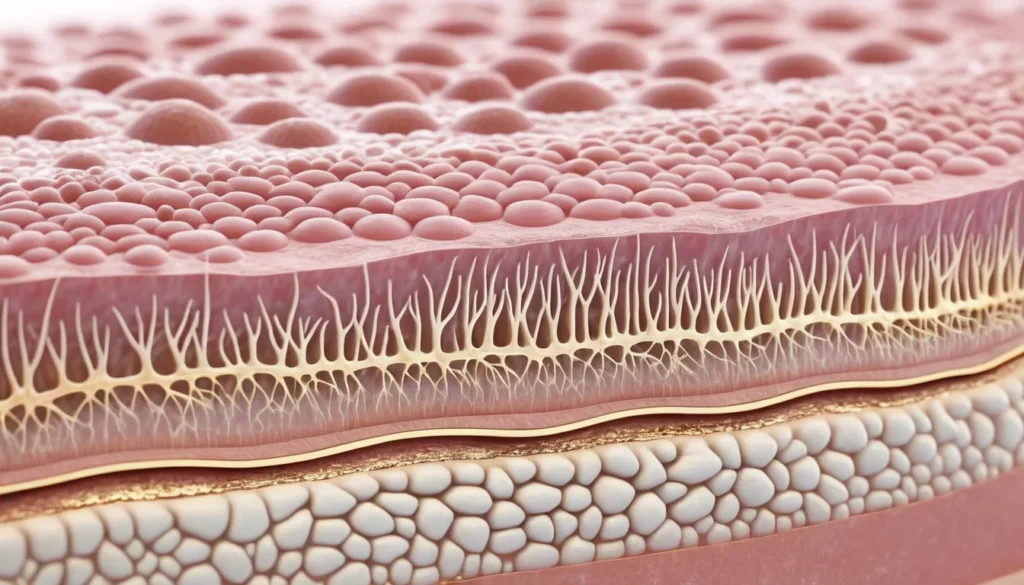
When applied to the skin, retinoic acid speeds up the turnover of skin cells. Old, damaged cells shed more quickly, and new cells grow in their place. Furthermore, it helps unclog pores and reduce the inflammation that causes acne.
Over-the-Counter vs. Prescription Options
In Canada, tretinoin (retinoic acid) is available only by prescription. You can get it through your family doctor or a dermatologist. Over-the-counter products often contain retinol instead, which is a weaker precursor that your skin converts into retinoic acid over time.
Over-the-counter retinol products are generally milder and cause less irritation. However, they are also less potent. If you want stronger results, talk to your family doctor or visit a walk-in clinic to discuss whether a prescription option is right for you. Learn more about how retinoic acid works on skin from Healthline.
Retinoic Acid During Pregnancy
If you are pregnant or planning to become pregnant, it is very important to know that high levels of retinoic acid are dangerous to a developing baby. Excess retinoic acid can cause severe birth defects, particularly in the heart, brain, and face.
For this reason, doctors strongly advise pregnant women to avoid prescription retinoids like tretinoin. Even high doses of vitamin A supplements can be harmful during pregnancy. Always tell your doctor if you are pregnant before starting any new supplement or skin care treatment that contains vitamin A or its derivatives.
The Health Canada guidance on vitamin A provides clear advice on safe intake levels during pregnancy. It is always best to follow your healthcare provider’s recommendations.
Getting Enough Vitamin A to Support Retinoic Acid Production
Since your body makes retinoic acid from vitamin A, getting enough vitamin A in your diet is essential. Most Canadians who eat a balanced diet get enough vitamin A without needing supplements.
Good sources of vitamin A include:
Animal sources (preformed vitamin A): Liver, dairy products, eggs, and fish.
Plant sources (beta-carotene, converted to vitamin A): Carrots, sweet potatoes, spinach, kale, and other dark leafy greens.
Health Canada recommends that adult men consume about 900 micrograms of vitamin A per day, while adult women need about 700 micrograms. These amounts are easily achieved through a varied diet that includes colourful vegetables and fruits.
Can You Get Too Much Vitamin A?
Yes, it is possible to consume too much vitamin A, particularly through supplements. Vitamin A is fat-soluble, which means your body stores it rather than excreting the excess. Over time, too much stored vitamin A can become toxic. This condition is called hypervitaminosis A.
Symptoms of too much vitamin A include nausea, headaches, dizziness, and in severe cases, liver damage. Therefore, it is important not to take high-dose vitamin A supplements unless your doctor specifically recommends it. For more information, visit the Mayo Clinic’s guide to vitamin A.
When to See a Doctor
You should speak with your family doctor or visit a walk-in clinic if you have any of the following concerns related to retinoic acid or vitamin A:
You are thinking about using a prescription retinoid for acne or skin aging.
You are pregnant or trying to get pregnant and currently use retinoid products.
You suspect you may have a vitamin A deficiency — symptoms include night blindness, dry skin, and frequent infections.
You take high-dose vitamin A supplements and experience nausea, headaches, or unusual symptoms.
You have a chronic health condition that may affect how your body absorbs or processes vitamin A.
Your family doctor can order a blood test to check your vitamin A levels if needed. Provincial health plans across Canada generally cover this type of routine bloodwork when it is medically necessary. Walk-in clinics are also a convenient option if you cannot see your regular doctor right away.
Always consult a qualified healthcare provider before starting any new treatment, supplement, or skin care regimen that involves vitamin A or retinoic acid compounds. Everyone’s body is different, and what works well for one person may not be appropriate for another.
Frequently Asked Questions About Retinoic Acid
What is retinoic acid used for?
Retinoic acid is used by the body to support cell growth, skin renewal, vision, immune function, and fetal development. In medicine, synthetic forms of retinoic acid are used to treat acne, skin aging, and certain types of cancer, including leukaemia.
Is retinoic acid the same as retinol?
No, retinoic acid and retinol are not the same, but they are closely related. Retinol is a form of vitamin A found in food and many skin care products. Your body converts retinol into retinoic acid, which is the active form your cells can actually use.
Can I buy retinoic acid over the counter in Canada?
No, prescription-strength retinoic acid (tretinoin) requires a prescription in Canada. However, over-the-counter products containing retinol are widely available and are gentler alternatives. Talk to your family doctor or visit a walk-in clinic to find out which option suits your needs.
Is retinoic acid safe during pregnancy?
No, high levels of retinoic acid are not safe during pregnancy. Excess retinoic acid can cause serious birth defects. Pregnant women should avoid prescription retinoids and high-dose vitamin A supplements, and should always consult their doctor before using any such products.
What foods increase retinoic acid in the body?
Your body produces retinoic acid from vitamin A, so eating foods rich in vitamin A helps support this process. Good sources include liver, dairy, eggs, carrots, sweet potatoes, and dark leafy greens like spinach and kale.
What are the side effects of too much retinoic acid?
Too much retinoic acid or vitamin A can lead to a condition called hypervitaminosis A. Symptoms include nausea, headaches, dizziness, dry skin, and in serious cases, liver damage. If you experience these symptoms after taking vitamin A supplements, speak to your doctor right away.
Key Takeaways
Retinoic acid is made by your body from vitamin A and plays a crucial role in cell growth, skin health, vision, immunity, and development.
Your body carefully controls retinoic acid levels using specialised proteins and enzymes to keep amounts in a safe range.
Retinoic acid is the active form of vitamin A — it is more potent than retinol and cannot be converted back once formed.
Prescription retinoids (synthetic retinoic acid) are available in Canada through your family doctor and are used to treat acne, skin aging, and certain cancers.
Too much retinoic acid or vitamin A — especially during pregnancy — can cause serious harm. Always follow medical advice.
Most Canadians can meet their vitamin A needs through a balanced diet rich in colourful vegetables, dairy, and lean proteins.
If you have concerns about your vitamin A levels or retinoid treatments, speak with your family doctor or visit a walk-in clinic.