Respiratory failure happens when your lungs can no longer do their job properly. They stop moving enough oxygen into your blood — and sometimes stop clearing carbon dioxide out. This is a serious medical condition that can develop suddenly or build up slowly over time. Understanding the difference could save your life or the life of someone you love.
What Is Respiratory Failure?
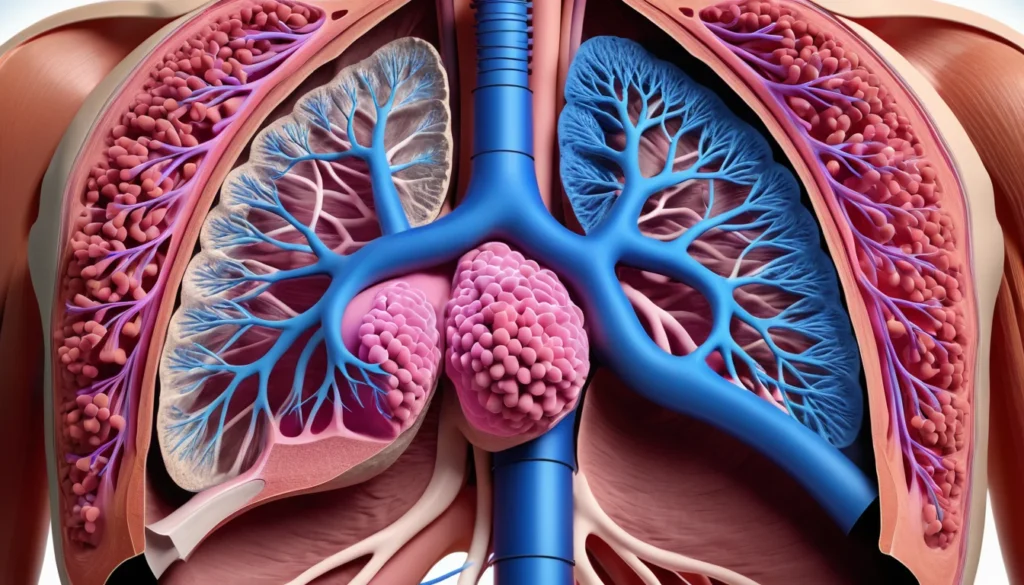
Your lungs work like a gas exchange station. They pull oxygen from the air you breathe and pass it into your bloodstream. At the same time, they push carbon dioxide — a waste gas — back out. When respiratory failure occurs, this exchange breaks down.
Blood oxygen levels drop too low. In some cases, carbon dioxide builds up to dangerous levels. Either way, your body’s organs stop getting what they need to function. Without treatment, this becomes life-threatening very quickly.
There are two main forms of this condition: acute and chronic. Each has different causes, warning signs, and treatment approaches. Both are serious and require medical attention. According to the World Health Organization, lung diseases affecting breathing are among the leading causes of death worldwide.
Acute Respiratory Failure: When Breathing Stops Suddenly
Acute respiratory failure comes on fast — sometimes within minutes or hours. It is a medical emergency. Without urgent treatment, it can be fatal.
This form happens when something suddenly prevents your lungs from working. The oxygen in your blood crashes to dangerous levels. Your body cannot compensate on its own.
Common Causes of Acute Respiratory Failure
There are several ways acute respiratory failure can develop. Doctors group them by the underlying mechanism.
Hypoventilation means you are not moving enough air in and out of your lungs. This can happen because of:
A blockage in the airways, such as from severe asthma or a tumour
Serious chest injuries from an accident
Severe spinal deformities that limit chest movement
Neurological conditions affecting the brain or spinal cord, including coma
Conditions like polio that damage the nerves controlling breathing
Damage to the lung tissue itself is another cause. The tiny air sacs in your lungs — called alveoli — normally pass oxygen directly into nearby blood vessels. If that membrane is damaged, the exchange fails. This can result from:
Inhaling toxic or suffocating gases
A severe viral lung infection (viral pneumonia)
Left-sided heart failure, which causes fluid to back up into the lungs
In addition, people who already live with chronic respiratory failure are at high risk. An infection can push their already-struggling lungs over the edge into a sudden acute crisis.
Warning Signs of Acute Respiratory Failure
The symptoms of acute respiratory failure come on quickly and are hard to miss. However, knowing what to look for helps you act fast.
Common warning signs include:
Rapid or irregular breathing
Bluish colour on the lips, fingertips, or face — called cyanosis
Racing heartbeat
Sudden confusion, agitation, or loss of consciousness
Extreme difficulty breathing or gasping
If you see these signs in yourself or someone else, call 911 immediately. Do not drive to a hospital — call for an ambulance. This is a true emergency.
How Doctors Treat Acute Respiratory Failure
Treatment for acute respiratory failure always happens urgently, in a hospital setting. The goal is to restore oxygen to the blood as quickly as possible while addressing the root cause.
Depending on severity, treatment may include:
Oxygen therapy — delivering enriched oxygen through a mask or nasal tube
Mechanical ventilation — a breathing machine helps or takes over breathing entirely
Intubation — a tube placed into the airway to connect the patient to a ventilator
Tracheotomy — in some cases, a surgical opening in the throat is needed
Antibiotics — if an infection triggered the crisis
Treatment for the underlying condition, such as heart failure or asthma
The outlook after treatment depends heavily on what caused the collapse and how quickly help arrived. Early action leads to better outcomes.
Chronic Respiratory Failure: A Slow, Progressive Condition
Chronic respiratory failure develops gradually over months or years. It is a long-term, permanent reduction in how well the lungs work. Most people with this condition live with it daily and manage it with ongoing treatment.
This form is far more common than many Canadians realise. It often develops as a complication of other lung diseases.
What Causes Chronic Respiratory Failure?
Doctors divide chronic respiratory failure into two main types based on the cause.
Obstructive chronic respiratory failure is the most common type. The airways become narrowed or blocked, making it hard to move air in and out. The main causes are:
Chronic bronchitis
Severe or poorly controlled asthma
Emphysema — a condition where the air sacs in the lungs are damaged
Restrictive chronic respiratory failure happens when the lungs cannot fully expand. This limits the volume of air taken in with each breath. Causes include:
Neuromuscular diseases such as polio, muscular dystrophy, or ALS (amyotrophic lateral sclerosis)
Severe spinal deformities like kyphoscoliosis or ankylosing spondylitis
Lung damage from surgery (such as removal of a lung lobe for cancer), tuberculosis, or pulmonary fibrosis
For more detail on lung conditions that can lead to chronic respiratory failure, Mayo Clinic offers a thorough overview of respiratory failure causes and risk factors.
Recognising the Symptoms of Chronic Respiratory Failure
Because this condition develops slowly, many people adjust to the symptoms without realising how serious things have become. However, the signs are meaningful and should not be ignored.
Symptoms may include:
Shortness of breath, especially with activity
Visible effort when breathing — you may notice the skin pulling in between the ribs
A bluish tint to the lips or fingertips (cyanosis)
A barrel-shaped or visibly expanded chest
Swollen ankles and legs
Rapid heartbeat
An enlarged liver, visible as abdominal swelling
Swollen neck veins
These last several symptoms suggest the heart is also struggling — specifically the right side of the heart, which pumps blood to the lungs. Furthermore, chronic respiratory failure can worsen in sudden flare-ups, similar to acute respiratory failure.
How Is Chronic Respiratory Failure Diagnosed?
Your doctor will use a combination of tests to confirm the diagnosis and understand how severe it is.
The key test is an arterial blood gas test. A small sample of blood is taken — usually from the wrist — to measure oxygen and carbon dioxide levels directly. Low oxygen paired with high carbon dioxide confirms respiratory failure.
A chest X-ray gives your doctor a picture of your lungs and helps identify damage or disease. Lung function tests (spirometry) measure how much air you can move and how fast.
Treatment and Management of Chronic Respiratory Failure
Living with chronic respiratory failure requires an ongoing treatment plan. Most Canadians manage this condition at home with support from their family doctor or a respiratory specialist.
Treatment typically combines several approaches:
Home oxygen therapy — Many patients use an oxygen concentrator at home for several hours each day. Your provincial health plan may cover or subsidise this equipment. Check with your provincial health authority for coverage details.
Bronchodilators — Inhaled or oral medications (such as theophylline) that open up the airways and make breathing easier.
Antibiotics — Used when a bacterial infection triggers a flare-up or worsens symptoms.
Corticosteroids — Sometimes prescribed to reduce airway inflammation.
Aerosol therapy (nebulisers) — Delivers medication directly to the lungs in a fine mist.
Respiratory physiotherapy — Breathing exercises and techniques taught by a trained physiotherapist help strengthen breathing muscles and clear mucus.
In the most severe cases, a permanent tracheotomy may be necessary. This is a surgically created opening in the throat that bypasses the upper airways and connects directly to a ventilator.
The Role of Quitting Smoking
Stopping smoking is not optional for anyone with chronic respiratory failure — it is essential. Smoking is the number one cause of the lung diseases that lead to this condition. Quitting slows the damage and can improve breathing over time.
Canada has strong smoking cessation support programmes. Your family doctor can refer you to a programme or prescribe medications to help. Many provincial health plans cover nicotine replacement therapy and quit-smoking support.
In addition, avoiding respiratory infections matters greatly. Ask your doctor about annual flu shots and pneumonia vaccines. Both are widely available through public health clinics and pharmacies across Canada.
Prevention: Protecting Your Lungs Before Problems Start
Preventing respiratory failure starts with protecting your lungs every day. The most powerful step is to never start smoking — or to quit as soon as possible if you already smoke.
Other important preventive steps include:
Treating asthma, bronchitis, and other lung conditions early and consistently
Getting vaccinated against flu and pneumonia each year
Avoiding exposure to air pollution, dust, and chemical fumes at work or home
Seeking prompt treatment for any respiratory infection — even a bad cold
Following your doctor’s treatment plan for any existing lung condition
According to Health Canada’s tobacco and smoking resources, smoking remains the leading preventable cause of serious lung disease in Canada. Quitting at any age brings real health benefits.
When to See a Doctor
If you experience sudden, severe difficulty breathing, call 911 right away. Do not wait to see if it improves. Acute respiratory failure can become fatal within minutes.
For ongoing or milder breathing concerns, book an appointment with your family doctor. If you do not have a family doctor, a walk-in clinic can assess you and refer you to a specialist if needed. Do not ignore symptoms like persistent shortness of breath, cyanosis, or swollen legs — these deserve medical attention even if they come on slowly.
Your doctor can order blood gas tests, chest X-rays, and lung function tests to find out what is happening. Early diagnosis leads to better management and a better quality of life. As always, this article is for general information only — please consult a qualified healthcare provider for advice specific to your situation.
Frequently Asked Questions About Respiratory Failure
What are the first signs of respiratory failure?
The first signs of respiratory failure often include rapid or laboured breathing, a bluish tint to the lips or fingernails, and a racing heartbeat. You may also notice sudden confusion or extreme fatigue. If these symptoms appear, seek emergency medical care immediately.
Can you live a normal life with chronic respiratory failure?
Many Canadians manage chronic respiratory failure with ongoing treatment and maintain a reasonable quality of life. With home oxygen therapy, medications, and regular monitoring, symptoms can often be controlled. However, the condition does require lifelong management and regular check-ins with your healthcare team.
What is the most common cause of respiratory failure?
The most common cause of chronic respiratory failure in Canada is chronic obstructive pulmonary disease (COPD), which is strongly linked to smoking. Severe asthma and emphysema are also frequent causes. For acute respiratory failure, sudden infections, major trauma, and acute asthma attacks are among the leading triggers.
Is respiratory failure the same as a respiratory arrest?
No — these are different conditions. Respiratory failure means the lungs are working very poorly, but breathing is still happening. Respiratory arrest means breathing has stopped completely. Both are emergencies, but respiratory arrest requires immediate CPR and is more immediately life-threatening.
Does provincial health insurance cover home oxygen therapy for respiratory failure?
Coverage for home oxygen therapy varies by province in Canada. Most provincial health plans offer some level of coverage for medically necessary oxygen equipment, but the details — including eligibility criteria and equipment types — differ across provinces. Talk to your family doctor and contact your provincial health authority to understand what is covered in your region.
Can respiratory failure be reversed?
Acute respiratory failure can often be treated successfully if medical help arrives quickly. Chronic respiratory failure, however, is generally not reversible — but it can be managed effectively to slow its progression and improve daily functioning. Quitting smoking and following your treatment plan are the most important steps you can take.