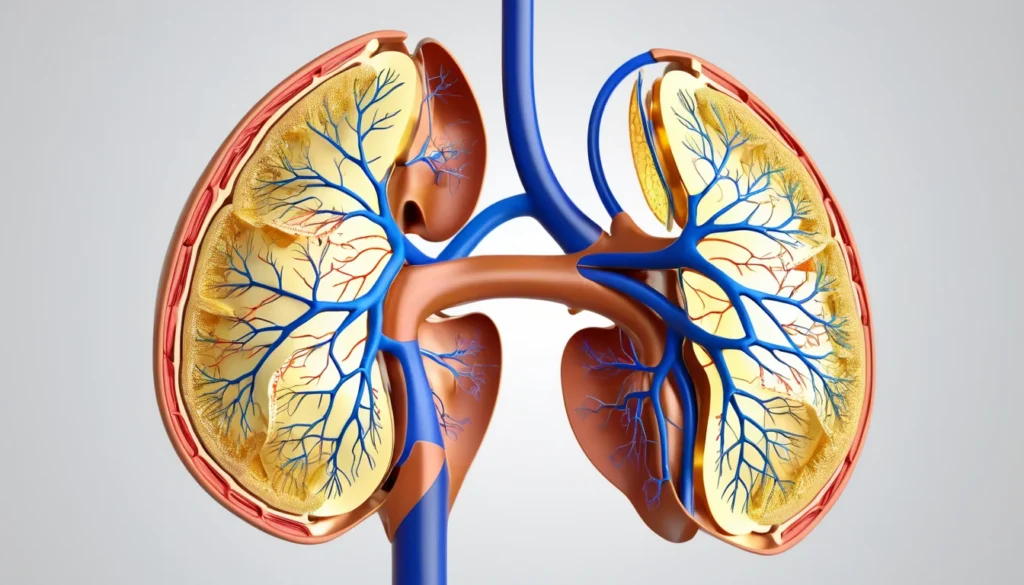
If you have renal denervation for resistant hypertension on your radar, you are not alone. Thousands of Canadians struggle with high blood pressure that simply will not come down, even with multiple medications. Renal denervation is a minimally invasive procedure that targets the nerves around the kidney arteries to help lower blood pressure. This article explains how it works, who qualifies, and what you can expect.
What Is Resistant Hypertension?
High blood pressure is called resistant hypertension when it stays above 140/80 mmHg in the clinic, even after trying three or more blood pressure medications. Those medications must include a diuretic (water pill) at the best dose the patient can tolerate. Before a doctor labels blood pressure as truly resistant, they rule out other causes first.
Some causes that must be ruled out include primary hyperaldosteronism (a hormonal condition), narrowed kidney arteries, and chronic kidney disease. There is also something called pseudo-resistant hypertension. This happens when blood pressure appears resistant because of poor medication adherence, white coat syndrome, or incorrect measurement technique — not because treatment has genuinely failed.
Lifestyle factors play a large role too. Doctors will typically ask patients to reduce salt intake, lose weight, quit smoking, cut back on alcohol, and exercise regularly before considering advanced procedures. For more information on managing high blood pressure, visit Health Canada’s official health resources.
How Renal Denervation for Resistant Hypertension Works
The kidneys play a central role in controlling blood pressure. When the sympathetic nervous system — your body’s “fight or flight” wiring — becomes overactive, it sends too many signals to the kidneys. As a result, the kidneys raise blood pressure in response.
Renal denervation disrupts those overactive nerve signals. A doctor threads a thin, flexible tube (catheter) through a small puncture, usually in the wrist or groin, up into the arteries that supply the kidneys. The catheter then delivers radiofrequency energy (heat-based sound waves) directly to the nerve fibres along the artery walls. This reduces nerve activity and, in turn, lowers blood pressure.
The entire procedure is minimally invasive. It does not require open surgery. Most patients go home within one to two days. Because it is non-surgical and non-pharmacological, it is considered a complement to — not a replacement for — medication and lifestyle changes.
Radiofrequency vs. Ultrasound Approaches
Two main technologies are currently used. Radiofrequency-based systems deliver targeted heat energy to the nerve tissue around the renal arteries. Ultrasound-based systems use sound energy instead. Both approaches aim to achieve the same result: reducing sympathetic nerve activity in the kidneys to bring blood pressure down.
Clinical trials, including the SPYRAL HTN-ON MED and RADIANCE-HTN SOLO studies, have shown meaningful reductions in blood pressure using both methods. However, your specialist will determine which approach is most appropriate based on your anatomy and overall health.
Who Qualifies for This Procedure?
Not every patient with high blood pressure is a candidate for renal denervation. Specialists typically consider this option for three main groups of patients.
1. Patients With Truly Resistant Hypertension
Research has shown that renal denervation can lower blood pressure in patients who are already taking antihypertensive medications but are not reaching their target. It works alongside existing medication rather than replacing it. For many patients, combining denervation with their current medication programme leads to better control than either approach alone.
2. Patients Who Cannot Tolerate Medications
Some people experience serious side effects from first-line blood pressure medications. These include ACE inhibitors (which some people call “ACE blockers”), ARBs (angiotensin receptor blockers), calcium channel blockers, and diuretics. If a patient cannot safely take these medications, renal denervation may offer an alternative path to blood pressure control.
3. Patients With High Cardiovascular Risk
People with hypertension who also have coronary artery disease or a history of stroke carry the highest cardiovascular risk. In these patients, controlling blood pressure more effectively can significantly reduce the chance of a future heart attack or stroke. Furthermore, early evidence suggests that renal denervation may offer additional heart-protective benefits beyond simply lowering blood pressure, particularly in patients whose sympathetic nervous system is highly overactive.
To understand more about cardiovascular risk factors, the Mayo Clinic’s high blood pressure overview is a reliable resource.
How Long Do the Results Last?
One of the most common questions patients ask is whether the results are permanent or whether they will need a repeat procedure. Based on current evidence, the answer is encouraging.
Large international studies, including the Global SYMPLICITY Registry and the SPYRAL HTN-ON MED trial, followed patients for at least three years after renal denervation. The results showed that blood pressure reductions were sustained over that period. In fact, some studies observed a continued gradual decline in blood pressure over time, rather than a plateau or reversal.
However, it is important to understand that renal denervation is not a cure. Patients still need to maintain a healthy lifestyle and continue any prescribed medications. Long-term follow-up with a cardiologist or hypertension specialist remains essential to monitor results and adjust treatment as needed.
What Are the Risks?
Like all medical procedures, renal denervation carries some risks. However, the risk profile is considered low based on extensive safety reviews from multiple international registries.
The main risks are related to vascular access — the puncture site where the catheter is inserted. These complications occur in fewer than one percent of cases. Additional minor risks include reactions to the contrast dye used during imaging and exposure to a small amount of radiation from the X-ray guidance equipment used during the procedure.
Importantly, experts reviewing large patient registries have not identified any serious risks specific to the denervation process itself. The kidneys continue to function normally after the procedure. No significant changes in kidney function have been reported in published studies.
As with any procedure, individual risks vary. Your specialist will review your personal health history before recommending renal denervation.
Life After the Procedure: Diet and Lifestyle
Renal denervation is a tool — not a lifestyle replacement. After the procedure, maintaining healthy habits is just as important as it was before. In fact, a healthy lifestyle helps protect the results of the procedure over the long term.
Recommended lifestyle habits after renal denervation include:
Reduce salt (sodium) intake: A low-sodium diet helps keep blood pressure in a healthy range.
Follow a Mediterranean-style diet: This eating pattern is rich in vegetables, fruits, whole grains, healthy fats, and fibre.
Maintain a healthy weight: Even modest weight loss can make a meaningful difference in blood pressure.
Quit smoking: Smoking raises blood pressure and damages blood vessels. Quitting is one of the best things you can do for your heart health.
Limit alcohol consumption: Drinking too much alcohol raises blood pressure. Staying within recommended limits matters.
Exercise regularly: Aim for at least 150 minutes of moderate activity per week, as recommended by Canadian physical activity guidelines.
These habits support your cardiovascular health and help any blood pressure treatment — including renal denervation — work as effectively as possible. The World Health Organization’s hypertension fact sheet outlines how lifestyle changes directly impact blood pressure outcomes.
When to See a Doctor
If your blood pressure has been difficult to control despite taking multiple medications, it is time to have a more detailed conversation with your healthcare provider. Start with your family doctor or visit a walk-in clinic if you do not currently have a family doctor. They can review your current medication programme, check for underlying causes of resistant hypertension, and refer you to a specialist if needed.
In Canada, referrals to a cardiologist or hypertension specialist are typically covered under provincial health plans. Your family doctor is the best starting point for this referral. Do not wait — poorly controlled high blood pressure quietly damages your heart, kidneys, and blood vessels over time.
If you are already seeing a specialist and have been told your hypertension is resistant to treatment, ask directly whether renal denervation is an option for your situation. It is a reasonable question and one that more Canadian specialists are now equipped to answer.
Always consult your doctor or a qualified healthcare professional before making any changes to your blood pressure treatment. This article is for informational purposes only and does not replace personalised medical advice.
Frequently Asked Questions About Renal Denervation for Resistant Hypertension
What is renal denervation and how does it lower blood pressure?
Renal denervation for resistant hypertension is a minimally invasive procedure that uses radiofrequency or ultrasound energy to reduce overactive nerve signals around the kidney arteries. When these nerve signals are reduced, the kidneys no longer drive blood pressure as high. The result is a meaningful and sustained drop in blood pressure readings.
Is renal denervation available in Canada?
Renal denervation is available at select Canadian cardiac centres as part of specialist care for resistant hypertension. Access depends on your province and the availability of trained interventional cardiologists or hypertension specialists. Your family doctor can refer you to a specialist who can assess whether you are a candidate.
Will I still need to take blood pressure medication after renal denervation?
In most cases, yes. Renal denervation for resistant hypertension works alongside medications rather than replacing them entirely. However, some patients may be able to reduce the number or dose of their medications over time. Your specialist will monitor your blood pressure and adjust your medication programme accordingly.
How long does the renal denervation procedure take?
The procedure typically takes about 30 to 60 minutes to complete. It is performed under local anaesthesia with sedation in a cardiac catheterisation lab. Most patients are monitored overnight and discharged within one to two days, making it a relatively quick hospital stay compared to open surgical procedures.
Are the blood pressure-lowering effects of renal denervation permanent?
Clinical evidence shows that the blood pressure-lowering effects of renal denervation for resistant hypertension are sustained for at least three years, with some studies showing continued gradual improvement over time. However, long-term results depend on maintaining a healthy lifestyle and continuing appropriate medical care. Regular follow-up with your specialist is essential.
What are the main risks of renal denervation?
The risks associated with renal denervation are generally low. The most common risks relate to the catheter insertion site and occur in fewer than one percent of cases. Additional minor risks include reactions to contrast dye and minimal radiation exposure. No serious procedure-specific risks have been identified in large international patient registries reviewing this treatment.
Key Takeaways
Resistant hypertension means your blood pressure stays above 140/80 mmHg despite three or more medications, including a diuretic.
Renal denervation is a minimally invasive procedure that reduces overactive nerve signals around the kidney arteries to lower blood pressure.
It is most suitable for patients with resistant hypertension, those who cannot tolerate standard medications, or those with high cardiovascular risk.
Clinical studies show blood pressure reductions are sustained for at least three years, with a trend of continued improvement over time.
The risk profile is low — serious complications are rare and mostly limited to the catheter insertion site.
Healthy lifestyle habits — including a low-sodium diet, regular exercise, and not smoking — remain essential after the procedure.
Canadians should speak with their family doctor or visit a walk-in clinic to explore a referral to a hypertension specialist if their blood pressure is hard to control.