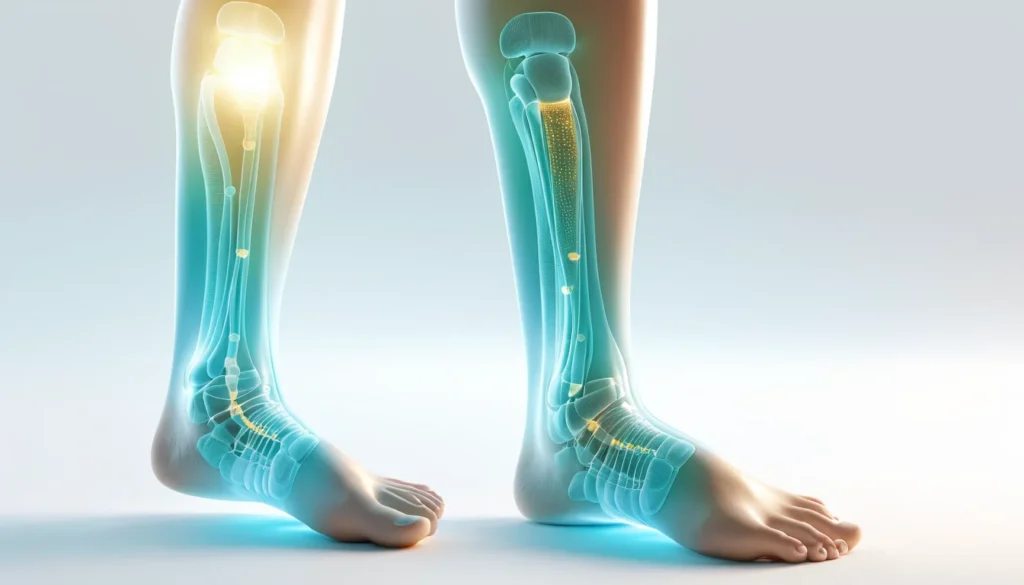
Reflexology is an alternative therapy that involves applying gentle pressure to specific points on the feet, hands, or ears. Practitioners believe these points connect to organs and systems throughout the body. This article explains what reflexology is, how it works, what the research says, and how Canadians can safely explore this therapy alongside their regular healthcare.
What Is Reflexology?
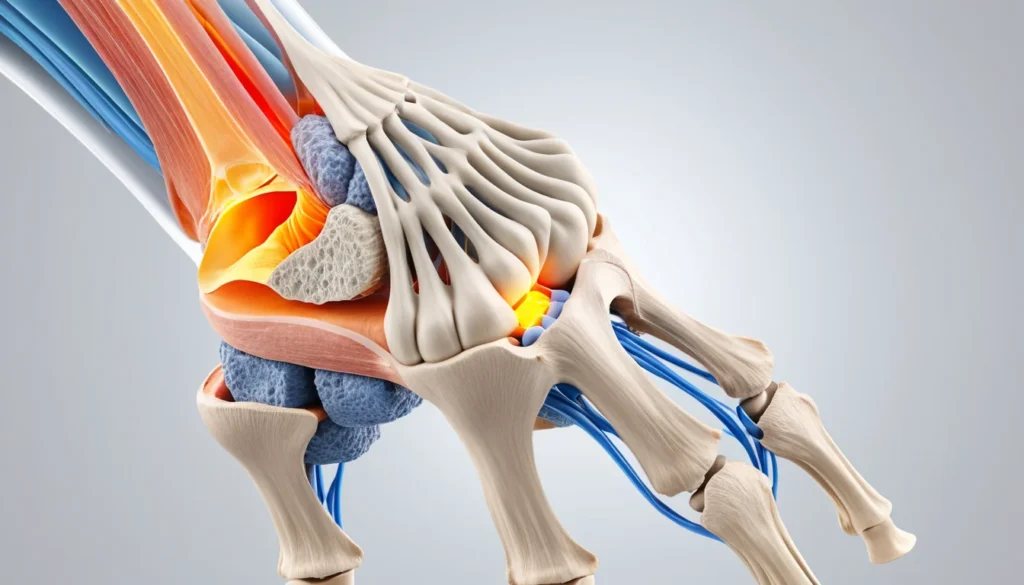
Reflexology is a hands-on therapy rooted in the idea that certain areas of the feet, hands, and ears act as “maps” of the body. These areas are called reflex zones. By applying targeted pressure to these zones, reflexologists aim to support the health of the organs and body systems they are believed to represent.
For example, a reflexologist might press on a specific part of your foot to target your kidneys or your lungs. The therapy does not involve needles, medication, or machines. It relies entirely on the hands and fingers of a trained practitioner.
Reflexology is not the same as a general foot massage, although both can feel relaxing. A foot massage focuses on muscles and soft tissue. Reflexology follows a structured map of reflex points and has its own set of techniques.
How Does Reflexology Work?
There are several theories about how reflexology produces its effects. However, no single explanation has been fully proven by science.
The Zone Theory
One of the oldest theories is zone therapy, developed in the early 20th century. This theory divides the body into ten vertical zones running from the top of the head to the tips of the toes. Pressure applied anywhere along a zone is thought to affect all organs within that zone.
For instance, pressing on a zone in the foot may send signals up through the body along that same vertical channel. Practitioners use this map to guide their treatment during a reflexology session.
The Nervous System Theory
Another explanation focuses on the nervous system. The idea is that pressure on reflex zones may send calming signals through the nervous system. This could reduce tension and encourage the body to return to a more balanced state.
Some researchers suggest that reflexology may stimulate the release of endorphins — the body’s natural feel-good chemicals. As a result, clients often report feeling deeply relaxed after a session.
The Energy Flow Theory
Some reflexology traditions borrow from Chinese medicine and the concept of qi (pronounced “chee”), which refers to life energy flowing through pathways in the body. Blockages in this flow are believed to cause illness. Reflexology, in this view, helps restore the natural flow of energy.
It is worth noting that mainstream Western medicine does not currently recognise qi or energy channels as scientifically proven concepts. However, many people find value in these traditions for their overall sense of wellbeing.
Potential Benefits of Reflexology
Research on reflexology is still growing. Most studies are small or limited in scope. That said, several potential benefits have been reported by both researchers and clients.
Stress Reduction and Relaxation
One of the most widely reported benefits of reflexology is deep relaxation. Many people use it as a way to manage everyday stress. A calm nervous system can support better sleep, lower blood pressure, and improved mood.
A 2011 study published in a complementary medicine journal found that reflexology significantly reduced anxiety in cancer patients receiving palliative care. Furthermore, participants reported improved quality of life.
Pain Management
Some people turn to reflexology to help manage chronic pain, including headaches, back pain, and pain related to conditions like fibromyalgia. The therapy may work by encouraging the body to release tension and endorphins.
However, it is important to understand that reflexology is not a cure for pain. It is best viewed as a complementary tool, used alongside treatments recommended by your family doctor or specialist.
Improved Circulation
Reflexology may help improve blood flow throughout the body. Better circulation means more oxygen and nutrients reaching your cells. Some practitioners and clients report that their feet feel warmer and lighter after a session, which may indicate improved local circulation.
Support for Mental Health
Several small studies suggest that reflexology may help reduce symptoms of anxiety and depression. While it should never replace professional mental health treatment, it may serve as a useful complementary support.
In addition, the act of receiving caring, focused touch can itself have a positive effect on mental and emotional wellbeing. Many Canadians find it a meaningful part of their self-care routine.
What to Expect During a Reflexology Session
If you are curious about trying reflexology, it helps to know what a typical session looks like. Most sessions last between 30 and 60 minutes.
You will usually sit in a reclining chair or lie on a treatment table. You remove your shoes and socks, but remain fully clothed otherwise. The practitioner will begin by examining your feet and asking a few questions about your health.
The reflexologist then works systematically across your foot, applying firm but gentle pressure using their thumbs and fingers. You may feel tenderness in certain areas. Practitioners often interpret this as a sign of tension or imbalance in the corresponding part of the body.
After a session, many people feel deeply relaxed or even sleepy. Some experience a brief period of heightened emotion or mild fatigue. Drinking plenty of water afterwards is generally recommended. Overall, most people find the experience pleasant and calming.
Is Reflexology Safe?
For most healthy adults, reflexology is considered safe when performed by a trained practitioner. Serious side effects are rare. However, there are some situations where you should speak with your doctor before booking a session.
Reflexology may not be appropriate if you have:
Blood clots or a history of deep vein thrombosis (DVT)
Foot injuries, wounds, or infections
Peripheral neuropathy (nerve damage in the feet)
Certain pregnancy complications — always check with your midwife or OB first
Circulatory problems in the legs or feet
Osteoporosis or fragile bones
It is also important to choose a qualified and experienced reflexologist. In Canada, regulation of reflexology varies by province. Some provinces have professional associations that set standards for training and practice. Always ask about a practitioner’s training and credentials before your first appointment.
You can learn more about complementary and alternative medicine safety through Health Canada’s official health information resources.
Reflexology in the Canadian Healthcare Context
Reflexology is not covered under most provincial health plans in Canada. It is typically offered as a private-pay service. However, some extended health benefit plans through employers may cover a portion of the cost. Check with your benefits provider to find out what is included in your plan.
Many Canadians use reflexology as part of a broader approach to wellness. This might include regular exercise, a balanced diet high in fibre, and consistent follow-ups with their family doctor. Reflexology works best as a complement to — not a replacement for — evidence-based medical care.
If you are interested in exploring reflexology, consider mentioning it to your family doctor at your next visit. Your doctor can help you decide whether it fits safely into your overall health plan. This is especially important if you are managing a chronic condition or taking prescription medications.
For more information on complementary therapies and evidence-based health decisions, the Mayo Clinic’s guide to complementary and alternative medicine is a reliable resource worth exploring.
When to See a Doctor
Reflexology can be a wonderful tool for relaxation and general wellness. However, it is not a substitute for medical care. If you are experiencing persistent pain, unexplained symptoms, or any new health concerns, please see a healthcare professional first.
Your first stop should be your family doctor, who can assess your symptoms and recommend the right course of action. If you do not have a family doctor, a walk-in clinic is a good option. Walk-in clinics are available across Canada and can address many common health concerns without a referral.
Once a medical professional has ruled out serious causes for your symptoms, you can then explore whether reflexology might be a helpful addition to your wellness routine. Always keep your doctor informed about any complementary therapies you are using.
The World Health Organization’s guidance on traditional and complementary medicine provides helpful global context on how these therapies fit within modern healthcare systems.
Frequently Asked Questions About Reflexology
What does reflexology actually do to the body?
Reflexology applies pressure to specific reflex zones on the feet, hands, or ears that are believed to correspond to organs and systems in the body. The therapy may help reduce stress, ease tension, and encourage relaxation through nervous system responses. While the exact mechanism is still being studied, many people report feeling calmer and more balanced after a reflexology session.
Is reflexology covered by OHIP or other provincial health plans in Canada?
No, reflexology is not covered by provincial health plans like OHIP in Ontario or similar programmes in other provinces. It is a private-pay service, though some employer-sponsored extended health benefit plans may offer partial coverage. Check your benefits booklet or contact your insurance provider to see what complementary therapies are included.
How is reflexology different from a regular foot massage?
A regular foot massage focuses on relaxing the muscles and soft tissue of the foot itself. Reflexology, on the other hand, follows a structured map of reflex points that are thought to connect to specific organs and body systems. The techniques and goals of reflexology are distinct from general massage, even though both can feel relaxing.
Can reflexology help with anxiety or stress?
Some studies suggest that reflexology may help reduce anxiety and promote a sense of calm. It is not a replacement for professional mental health treatment, but many Canadians find it a helpful part of their stress management routine. If you are struggling with anxiety, speak with your family doctor or a mental health professional for proper support.
Are there any risks or side effects of reflexology?
Reflexology is generally considered safe for most healthy adults, with serious side effects being rare. Some people may experience mild tenderness during a session or brief fatigue afterwards. However, those with foot injuries, blood clots, certain pregnancy complications, or circulatory disorders should consult their doctor before trying reflexology.
How do I find a qualified reflexologist in Canada?
Look for a reflexologist who has completed formal training and belongs to a recognized professional association, as standards vary by province across Canada. Ask about their credentials, training hours, and experience before your first session. Your family doctor or a naturopathic doctor may also be able to provide a referral or recommendation in your area.
Key Takeaways
Reflexology is an alternative therapy that applies pressure to reflex zones on the feet, hands, or ears to support the health of corresponding organs and body systems.
It is most widely used for stress relief, relaxation, and pain management, though scientific evidence is still developing.
Reflexology is generally safe for healthy adults, but certain conditions — including blood clots, foot injuries, and some pregnancy complications — require a doctor’s approval first.
In Canada, reflexology is not covered by provincial health plans, though some extended benefits plans may offer partial coverage.
Always consult your family doctor or visit a walk-in clinic before using reflexology as part of your health routine, especially if you have a chronic condition.
Reflexology works best as a complement to — not a replacement for — evidence-based medical care.