Rectal prolapse is a condition where part or all of the rectum slides out of place and protrudes through the anus. It can be uncomfortable and even alarming to experience, but it is a recognized medical condition with effective treatment options. This article explains the causes, symptoms, and treatments for rectal prolapse in both adults and children — and helps you understand when to reach out to your family doctor or visit a walk-in clinic.
What Is Rectal Prolapse?
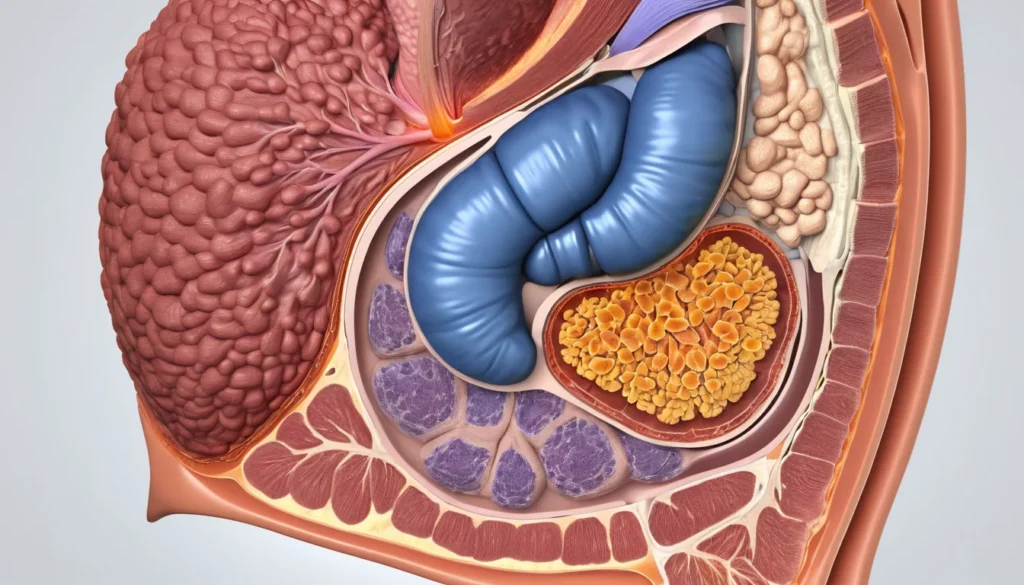
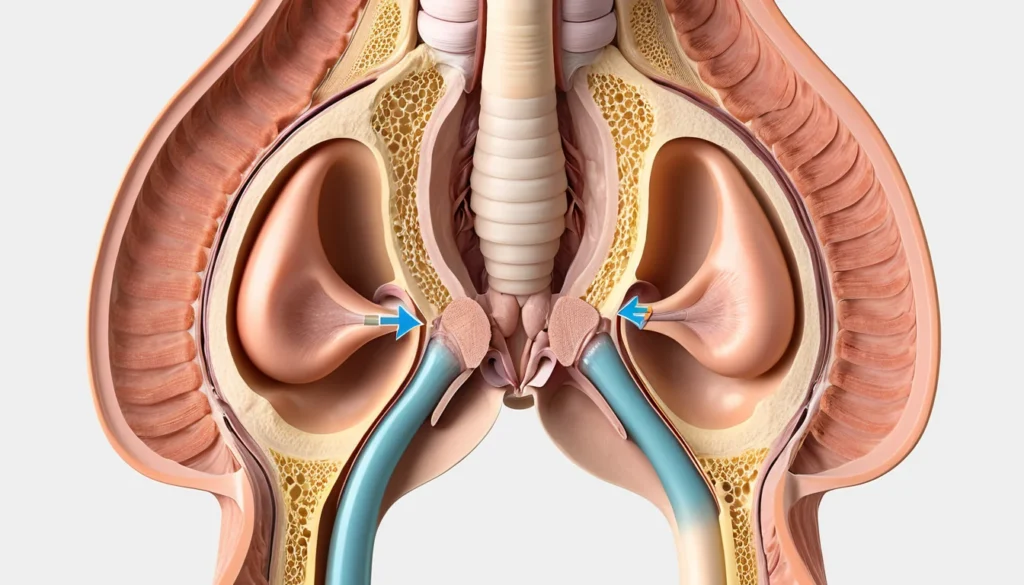
The rectum is the final section of the large intestine, just above the anus. In a healthy body, strong muscles and ligaments hold the rectum firmly in place. When those muscles weaken, the rectum can slip downward and push through the anal opening — this is called rectal prolapse.
There are two main types. A partial prolapse involves only the inner lining (mucosa) of the rectum. It usually extends just a few centimetres outside the anus. A complete prolapse involves all layers of the rectal wall pushing through.
Both types require medical attention. However, partial prolapse can often be managed at home with dietary changes, while complete prolapse may need surgery. Learn more about rectal prolapse from the Mayo Clinic.
What Causes Rectal Prolapse?
Rectal prolapse happens when the ligaments and muscles that support the rectum become weak. In most people with this condition, the anal sphincter muscles are also stretched or weakened. The exact reason this weakening occurs is not always clear.
However, rectal prolapse is commonly linked to several conditions and lifestyle factors. Understanding these causes can help with both prevention and treatment.
Common Risk Factors
Aging: Muscles and tissues naturally lose strength over time.
Long-term constipation: Straining during bowel movements puts pressure on the rectum.
Long-term diarrhoea: Repeated loose stools can weaken rectal support.
Chronic straining: Pushing hard during bowel movements stresses pelvic muscles.
Pregnancy and childbirth: The physical stress of labour can weaken pelvic floor muscles.
Cystic fibrosis: This genetic condition affects many body systems, including the bowel.
Chronic obstructive pulmonary disease (COPD): Frequent coughing increases abdominal pressure.
Whooping cough: Severe coughing fits place strain on the pelvic floor.
Multiple sclerosis: This neurological condition can affect bowel muscle control.
Paralysis: Loss of muscle function can reduce support for the rectum.
In addition, a diet low in fibre is a significant contributing factor. Fibre keeps stools soft and reduces the need to strain — something that is easy to address with simple dietary changes.
Recognising the Symptoms of Rectal Prolapse
The symptoms of rectal prolapse can look and feel similar to haemorrhoids (piles). This is why many people do not immediately realise what they are dealing with. However, there are some specific signs to watch for.
In the early stages, a bulge may appear during a bowel movement and then pull back inside on its own. As the condition progresses, the tissue may remain outside the body even after the bowel movement is finished.
Common Symptoms to Watch For
Pain during bowel movements
Mucus or bloody discharge from the protruding tissue
Faecal incontinence — difficulty controlling bowel movements
A feeling of incomplete emptying after using the toilet
Noticing tissue outside the anus when wiping with toilet paper
Furthermore, some people experience a reduced urge to have a bowel movement at all. This can lead to further constipation, which makes the prolapse worse. It is important to act early rather than wait for symptoms to intensify.
Rectal Prolapse in Children
Rectal prolapse in children is more common than many parents realise. It most often affects children between 9 months and 3 years of age. The good news is that it usually resolves on its own with proper home care.
As a result, surgery is rarely needed for young children. However, parents should monitor the condition carefully and take steps to prevent it from recurring.
Home Care Tips for Children
Gently push the tissue back: As soon as the prolapse is visible, wear disposable latex gloves and use a lubricating gel to carefully push the tissue back inside. Apply a cold pack afterward to reduce swelling.
Use a potty on the floor: Sitting in a low squat position reduces the chance of straining during bowel movements. A floor-level potty chair is ideal for this.
Address constipation: Work with your child’s doctor to ensure their diet has enough fibre and fluid to keep stools soft.
Most children who develop rectal prolapse in early childhood recover fully. In most cases, the condition resolves completely before the child reaches 6 years of age. Therefore, consistent home care and follow-up with a family doctor are usually all that is needed.
If your child has cystic fibrosis or another underlying condition, speak with your paediatrician promptly. These cases may need additional support beyond home care.
Treatment Options for Adults
Treating rectal prolapse in adults depends on several factors. These include the type of prolapse, the person’s age and activity level, and whether other health conditions are present. Treatment starts conservatively — with diet and lifestyle changes — and moves to surgery only when necessary.
Dietary Changes and Fibre
For partial rectal prolapse, increasing dietary fibre is often the first and most effective step. Fibre adds bulk and water to stools, making them softer and easier to pass. This reduces straining, which is a key cause of prolapse worsening.
Good sources of fibre include vegetables, fruits, whole grains, legumes, and flaxseed. Health Canada recommends adults aim for 25 to 38 grams of fibre per day, depending on age and sex. Read Health Canada’s guidance on dietary fibre.
Medications
When dietary changes alone are not enough, a doctor may prescribe medications to help. Lactulose is a common prescription option. It softens the stool and helps it move through the intestines more easily.
Over-the-counter stool softeners and bulk-forming laxatives may also help. However, always check with your pharmacist or doctor before starting any new medication, even non-prescription ones.
Surgery
Surgery may be recommended for complete rectal prolapse or when other treatments have not worked. There are several surgical approaches available. Your surgeon will recommend the best option based on your age, overall health, and the severity of the prolapse.
It is important to know that surgery does not always fully resolve the condition. Lifestyle changes — especially diet and bowel habits — remain important even after a surgical procedure. For more detail on surgical options, Healthline offers a thorough overview of rectal prolapse treatments.
When to See a Doctor
You should see your family doctor if you notice any tissue protruding from your anus, even if it goes back in on its own. Early diagnosis makes treatment simpler and more effective. Do not wait for the symptoms to become severe.
If you do not have a family doctor, a walk-in clinic can assess your symptoms and refer you to a specialist if needed. Most provincial health plans in Canada cover initial assessments for conditions like rectal prolapse.
Seek urgent medical care if the prolapsed tissue becomes stuck outside the body and cannot be pushed back in. This is called an incarcerated prolapse and requires immediate treatment to prevent serious complications.
In addition, see a doctor right away if you experience heavy bleeding, severe pain, or signs of infection such as fever or unusual swelling. These symptoms suggest a more serious problem that needs prompt attention.
This article is for informational purposes only and is not a substitute for professional medical advice. Always consult your doctor or a qualified healthcare provider before starting any treatment.
Frequently Asked Questions About Rectal Prolapse
Can rectal prolapse heal on its own without surgery?
In children, rectal prolapse often heals on its own with home care and dietary changes. In adults, a partial rectal prolapse may improve significantly with increased fibre intake and avoiding straining. However, a complete prolapse in adults usually requires medical treatment or surgery to fully resolve.
What does rectal prolapse look like?
Rectal prolapse appears as a reddish or pink bulge of tissue that protrudes from the anus. It may look similar to haemorrhoids, but the protruding area is typically larger and more rounded. In a complete rectal prolapse, the full thickness of the rectal wall is visible outside the body.
Is rectal prolapse painful?
Rectal prolapse can cause discomfort and pain, especially during bowel movements. Some people also experience a constant feeling of pressure or fullness in the rectal area. The level of pain varies depending on the severity of the prolapse and whether the tissue becomes irritated or swollen.
What is the difference between rectal prolapse and haemorrhoids?
Both rectal prolapse and haemorrhoids involve tissue protruding from the anus, which is why they are often confused. However, haemorrhoids are swollen blood vessels, while rectal prolapse involves the actual wall of the rectum sliding outward. A doctor can tell the difference during a physical examination.
How can I prevent rectal prolapse from coming back?
Preventing rectal prolapse from recurring involves maintaining a high-fibre diet, drinking plenty of water, and avoiding straining during bowel movements. Pelvic floor exercises, sometimes called Kegel exercises, can also help strengthen the muscles that support the rectum. Talk to your family doctor about a personalized prevention plan.
Can a walk-in clinic treat rectal prolapse?
A walk-in clinic can assess your symptoms and provide initial guidance for rectal prolapse, especially if you do not have a family doctor. For mild or partial cases, they may offer dietary advice and prescribe medication. More severe cases will typically be referred to a specialist, such as a colorectal surgeon, covered under your provincial health plan.
Key Takeaways
Rectal prolapse occurs when the rectum slips out of position and protrudes through the anus.
It can be partial (inner lining only) or complete (all layers of the rectal wall).
Common causes include chronic constipation, straining, aging, and childbirth.
Symptoms include visible tissue outside the anus, pain, mucus or blood discharge, and faecal incontinence.
In children, the condition usually resolves with home care before age 6.
In adults, treatment starts with dietary changes and fibre, then medication, and surgery if needed.
See your family doctor or walk-in clinic early — do not wait for symptoms to worsen.
Seek urgent care if the tissue cannot be pushed back in, or if you have heavy bleeding or fever.