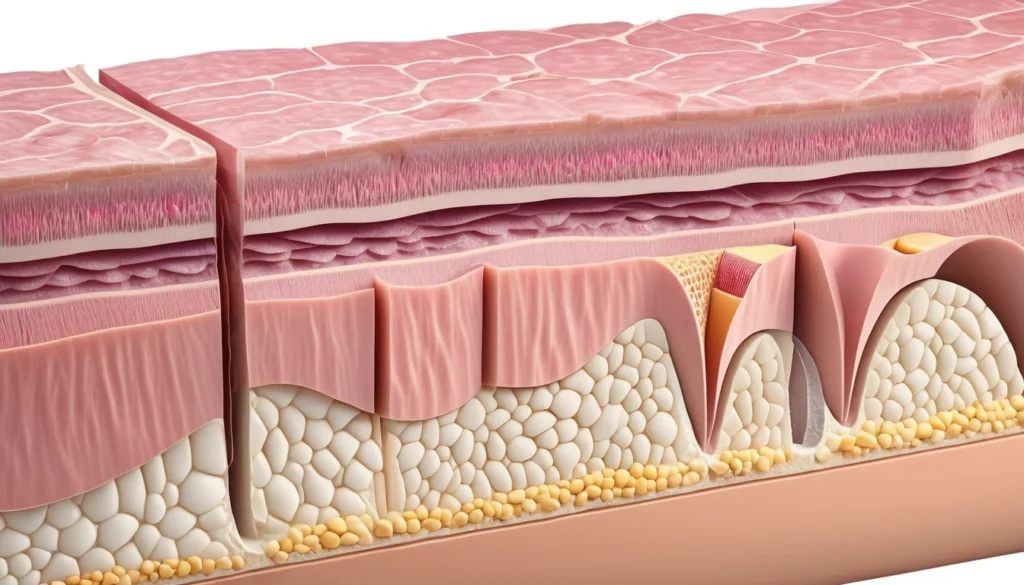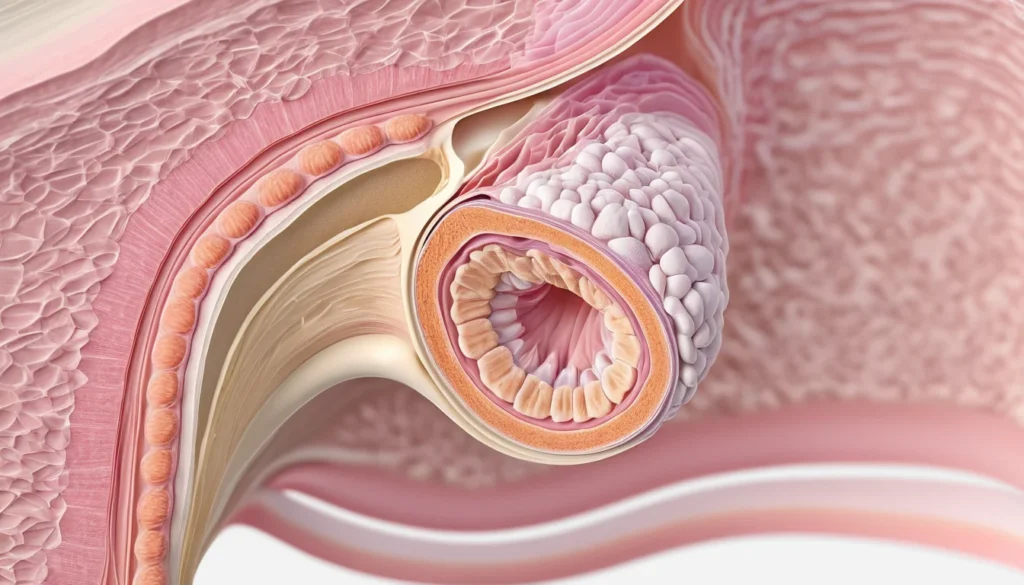
Reconstructive surgery is a branch of plastic surgery that repairs and restores parts of the body damaged by injury, illness, birth defects, or previous medical procedures like mastectomy. Unlike cosmetic surgery, which focuses on appearance alone, reconstructive surgery aims to rebuild normal function and form. It covers a wide range of procedures, from reattaching a severed finger to correcting a cleft lip. For many Canadians, this type of surgery can be life-changing — and in many cases, it may be covered under your provincial health plan.
What Is Reconstructive Surgery?
Reconstructive surgery uses surgical techniques to fix abnormal body structures. These abnormalities may come from trauma, cancer treatment, infections, or conditions you were born with. The goal is to improve both function and appearance.
This field is different from purely cosmetic procedures. For example, breast reconstruction after a mastectomy is considered reconstructive. Many provincial health plans in Canada cover reconstructive procedures when they are medically necessary. It is always worth checking with your provincial health authority to confirm your coverage.
According to Health Canada, medically necessary surgical procedures are generally covered under provincial and territorial health insurance plans. However, coverage details vary by province, so speaking with your family doctor is the best first step.
Common Types of Reconstructive Surgery
There are many different types of reconstructive surgery. Your surgeon will work with you to find the best approach for your specific needs. Below are the most common categories.
Breast Reconstruction
Breast reconstruction is one of the most common reconstructive procedures in Canada. It is often performed after a mastectomy — a surgery to remove one or both breasts, usually because of cancer. Reconstruction can restore the shape of the breast using implants or tissue from another part of your body.
In addition, some men also undergo breast reduction surgery for a condition called gynecomastia, where excess breast tissue develops. This can cause significant physical discomfort and affect quality of life.
Hand and Foot Surgery
Reconstructive surgery of the hands and feet addresses a variety of conditions. These include tumours (both cancerous and non-cancerous), webbed fingers or toes, extra digits, and carpal tunnel syndrome. Carpal tunnel syndrome happens when a nerve in your wrist gets compressed, causing pain, numbness, and tingling in your hand.
Another condition treated is Dupuytren’s contracture. This is a condition where the tissue beneath the skin of the palm thickens and tightens, causing fingers to bend inward. Surgery can help restore normal hand movement.
Wound Care and Burn Treatment
Severe burns, deep cuts, and pressure ulcers (also called bedsores) often require reconstructive surgery to heal properly. Surgeons use skin grafts and tissue flaps to cover large areas of damaged skin. These techniques replace injured tissue with healthy tissue from another part of your body.
For example, a split-thickness skin graft takes a thin layer of skin from a donor area, such as the thigh. The donor site typically heals within two to three weeks and usually does not leave a visible scar, because the deeper layer of skin remains intact.
Facial Reconstructive Surgery
Facial procedures correct both birth defects and injuries. A cleft lip and palate — conditions where parts of the lip or roof of the mouth do not form properly before birth — are among the most common reasons for facial reconstructive surgery in children. Early correction can improve eating, speech, and overall quality of life.
Furthermore, facial reconstructive surgery can address breathing problems, chronic sinusitis (ongoing inflammation of the sinuses), and even severe snoring related to structural issues. These procedures focus on restoring normal function, not just appearance.
Microsurgery and Replantation
Microsurgery is a highly specialized technique where surgeons use a microscope to reconnect tiny blood vessels and nerves. It is used to reattach fingers, toes, or limbs that have been accidentally severed. It is also used when a part of the body must be removed due to cancer and then reconstructed using tissue from elsewhere.
This type of reconstructive surgery requires a specially trained surgical team and is performed at major hospital centres across Canada. Recovery is lengthy but can restore remarkable function.
Tissue Expansion
Tissue expansion is a technique that encourages your body to grow extra skin. A surgeon places a balloon-like device called a tissue expander under the skin near the area that needs repair. Over several weeks, the expander is gradually filled with saline, stretching the skin slowly.
This method is especially useful for large burn scars, where a big surface area needs to be covered. It is also commonly used in breast reconstruction after mastectomy. The expanded skin provides a natural match in colour and texture for the area being repaired.
What Happens Before Reconstructive Surgery
Before any procedure, you will have a detailed consultation with your surgeon. They will review your medical history and discuss all available treatment options. Together, you and your surgeon will create a plan that fits your specific condition and goals.
Your surgeon may order blood tests, imaging, or other assessments before the operation. It is important to tell your surgeon about all medications you take, including over-the-counter drugs and supplements. Some medications, like blood thinners, may need to be stopped before surgery.
You should also ask your surgeon about what your provincial health plan covers. In some provinces, a referral from your family doctor is required to see a specialist. If you do not have a family doctor, a walk-in clinic can often provide the referral you need.
Risks and Side Effects of Reconstructive Surgery
All surgical procedures carry some level of risk. However, serious complications are uncommon when surgery is performed by a qualified surgeon. Your surgical team will take every precaution to keep you safe.
Common side effects and risks of reconstructive surgery include:
Poor or abnormal scarring
Wound infection
Blood clots (deep vein thrombosis)
Fluid accumulation (seromas or haematomas)
Local pain and discomfort
Results that differ from expectations
According to the Mayo Clinic, the risk of infection at the incision site is present with any surgery. Your surgeon will give you specific instructions to reduce this risk. Always follow your post-operative care instructions carefully.
In addition, the final result may not always match your expectations exactly. Having an open and honest conversation with your surgeon beforehand helps set realistic goals.
Recovery After Reconstructive Surgery
Recovery time depends on the type of procedure. Some minor surgeries allow you to return home the same day, while more complex operations may require a hospital stay of several days. Overall healing can take several months.
Once you are discharged, most of your recovery will happen at home. Following your surgeon’s instructions is essential. This includes keeping the wound clean and dry, watching for signs of infection, and attending all follow-up appointments.
Signs of infection to watch for include increased redness, warmth, swelling, or discharge from the wound. If you develop a fever or unusual pain, contact your healthcare provider right away. Do not wait for your next scheduled appointment if something does not feel right.
Physical therapy may also be part of your recovery, especially for hand or limb surgeries. Your care team will guide you through each stage of healing. Most patients see the full results of their surgery within six to twelve months.
Results: What to Expect Long-Term
The results of reconstructive surgery are generally permanent. The structural changes made during surgery will remain in place long-term. However, natural ageing will still affect the treated area over time, just as it affects the rest of your body.
For most patients, the improvement in function and quality of life is significant. For example, a child born with a cleft palate who receives early surgical correction can go on to eat, speak, and grow without the limitations the condition would otherwise cause. Similarly, a woman who undergoes breast reconstruction after mastectomy often reports improved emotional wellbeing and body confidence.
You can read more about surgical outcomes and patient wellbeing through Healthline’s guide to reconstructive surgery.
When to See a Doctor About Reconstructive Surgery
If you or a loved one has experienced trauma, a disfiguring illness, or a birth defect, speak with your family doctor first. They can assess your situation and refer you to a plastic and reconstructive surgeon. A referral is usually required to access specialist care under your provincial health plan.
If you do not have a family doctor, visit a walk-in clinic. The physician there can help you get started on the right path. In urgent situations — such as a serious burn or traumatic injury — go directly to your nearest emergency department.
It is also worth asking your family doctor whether your procedure qualifies as medically necessary under your province’s coverage guidelines. This can make a significant difference in out-of-pocket costs.
Always consult a qualified healthcare provider before making any decisions about surgery. Every patient’s situation is unique, and only a licensed medical professional can give you advice that is right for your health.
Frequently Asked Questions About Reconstructive Surgery
Is reconstructive surgery covered by provincial health plans in Canada?
In many cases, yes. Reconstructive surgery that is deemed medically necessary — such as breast reconstruction after mastectomy or correction of a cleft palate — is generally covered under provincial health insurance plans. However, coverage varies by province, so it is important to check with your provincial health authority and speak with your family doctor about your specific situation.
What is the difference between reconstructive surgery and cosmetic surgery?
Reconstructive surgery aims to restore normal function and appearance after injury, illness, or birth defects. Cosmetic surgery, on the other hand, is performed to enhance appearance in people who do not have a medical condition requiring correction. In Canada, reconstructive surgery is often covered by provincial health plans when medically necessary, while cosmetic surgery typically is not.
How long does recovery from reconstructive surgery take?
Recovery time depends on the type of reconstructive surgery performed. Minor procedures may heal within a few weeks, while complex surgeries — such as microsurgery or large skin grafts — can take several months for full recovery. Your surgeon will give you a personalized recovery plan and schedule follow-up appointments to monitor your healing.
What are skin grafts and when are they used?
Skin grafts involve taking healthy skin from one part of your body (the donor site) and transplanting it to cover a damaged area. They are commonly used in reconstructive surgery to treat severe burns, large wounds, or areas where cancer has been removed. The donor site usually heals on its own within two to three weeks.
Can children undergo reconstructive surgery in Canada?
Yes. Reconstructive surgery is performed on children for conditions such as cleft lip and palate, extra or webbed fingers, and birth marks or deformities. These procedures are typically covered under provincial health plans when medically necessary. A paediatrician or family doctor can provide a referral to a specialist who works with children.
How do I find a reconstructive surgeon in Canada?
The best starting point is to speak with your family doctor or visit a walk-in clinic if you do not have one. They can refer you to a certified plastic and reconstructive surgeon through your provincial health system. You can also search the Canadian Society of Plastic Surgeons directory for a qualified specialist near you.
Key Takeaways
Reconstructive surgery repairs the body after trauma, illness, birth defects, or procedures like mastectomy.
Common procedures include breast reconstruction, hand surgery, burn care, facial correction, microsurgery, and tissue expansion.
Many reconstructive procedures are covered by provincial health plans in Canada when medically necessary.
Results are generally permanent, though natural ageing will continue to affect the body over time.
Recovery can take several months depending on the complexity of the procedure.
Always start with your family doctor or a walk-in clinic to get a referral to the right specialist.
Talk openly with your surgeon about risks, realistic expectations, and your personal goals before any procedure.